- By Admin
- Integro
- The weight limit on cozy floors
- How thermal choking silently damages your bedroom flooring
- Flat bases vs. raised legs: the geometry of airflow
- Why is electric underfloor heating so sensitive to physical blockages?
- The nightmare scenario: mounting heavy wardrobes to the subfloor
- How trapped heat tricks your thermostat sensors
- Designing your bedroom layout without breaking the system
- Common Questions About Furniture and Floor Heating
The weight limit on cozy floors
Have you ever stood in your bedroom, mapping out exactly where that massive, floor-to-ceiling oak wardrobe will go, without once thinking about the heating elements beneath your feet? It's a classic interior design conflict. We want smart, heavy storage to maximize our space, but our floors need room to breathe.
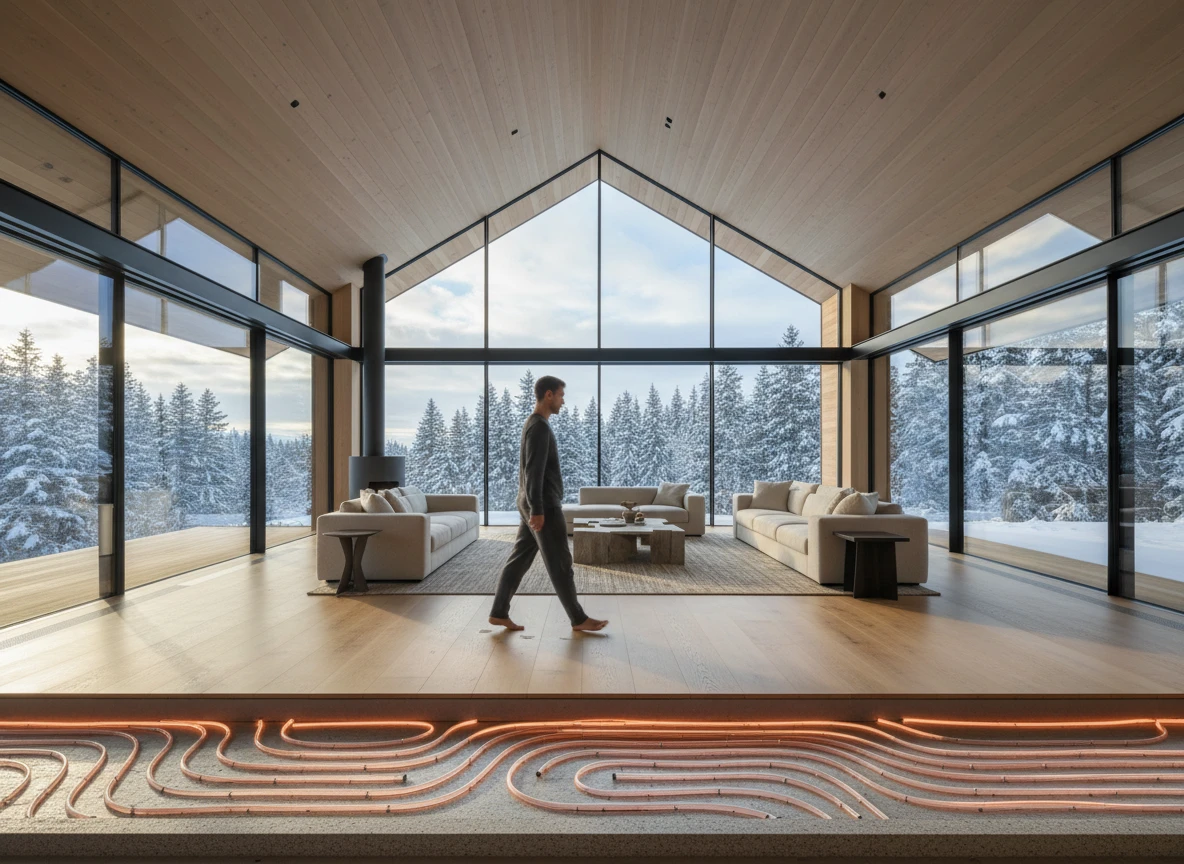
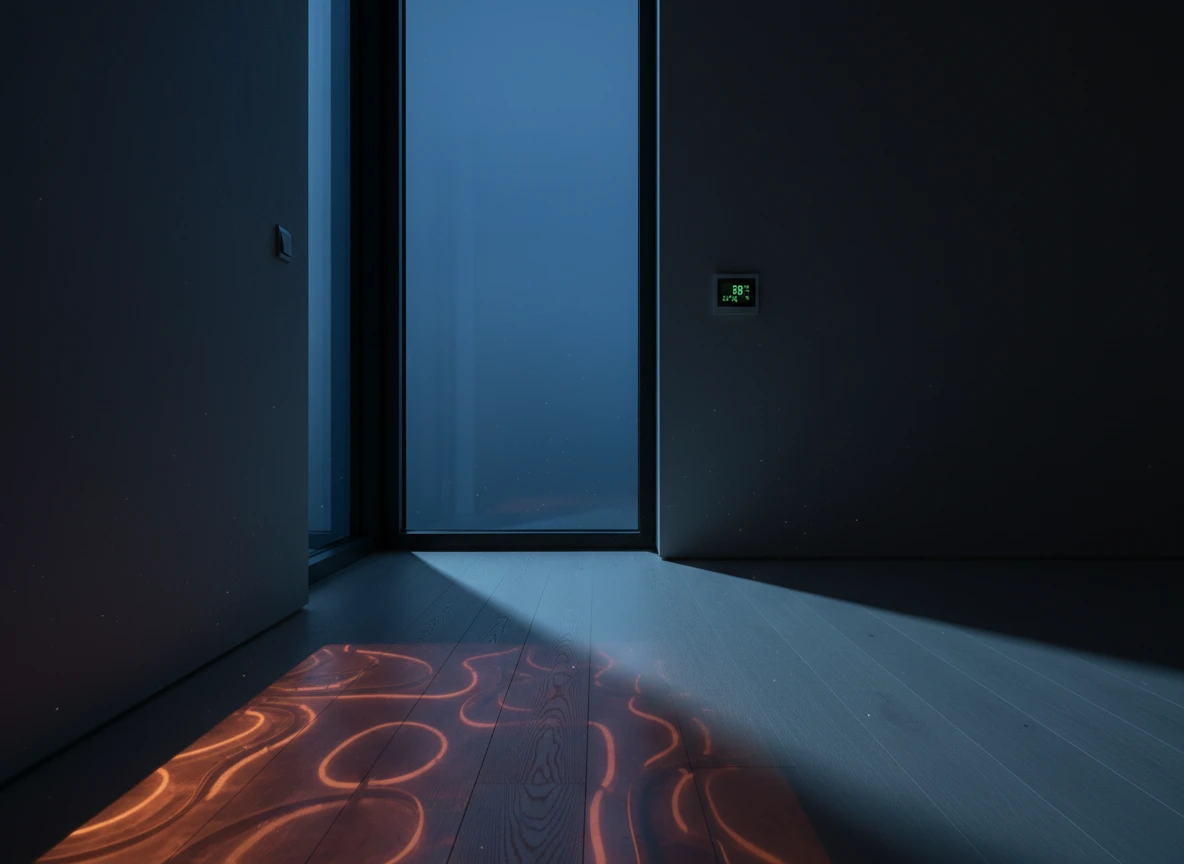
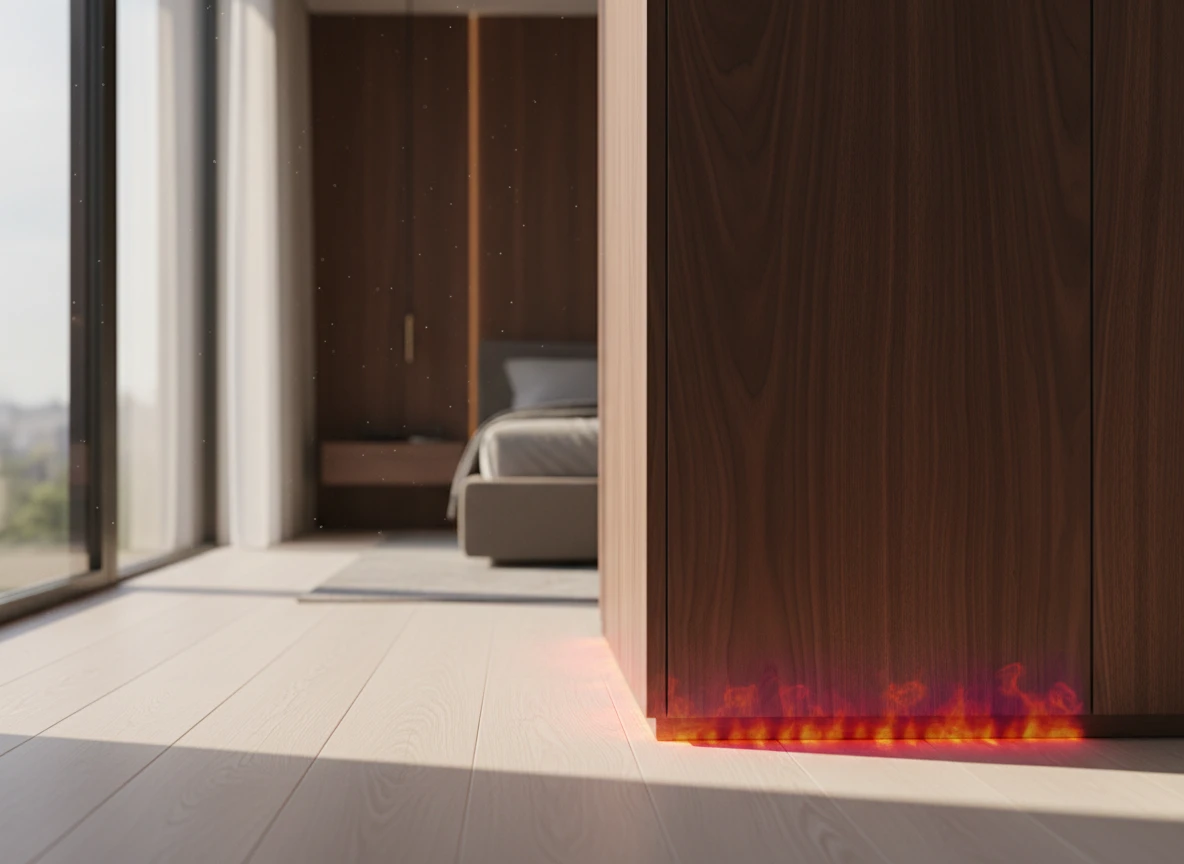
When you place a heavy, flat-bottomed wardrobe directly over active electric floor heating systems, you're essentially placing a thick thermal insulator over your heat source. At Integro Process Heating Solutions, we look at this through a strict thermodynamic lens. The physical reality is simple: blocking active zones traps thermal energy. Industry data shows that covering just 15 to 25 percent of a heated floor area with solid, flat-bottomed furniture can degrade your system's efficiency by up to 30 percent.
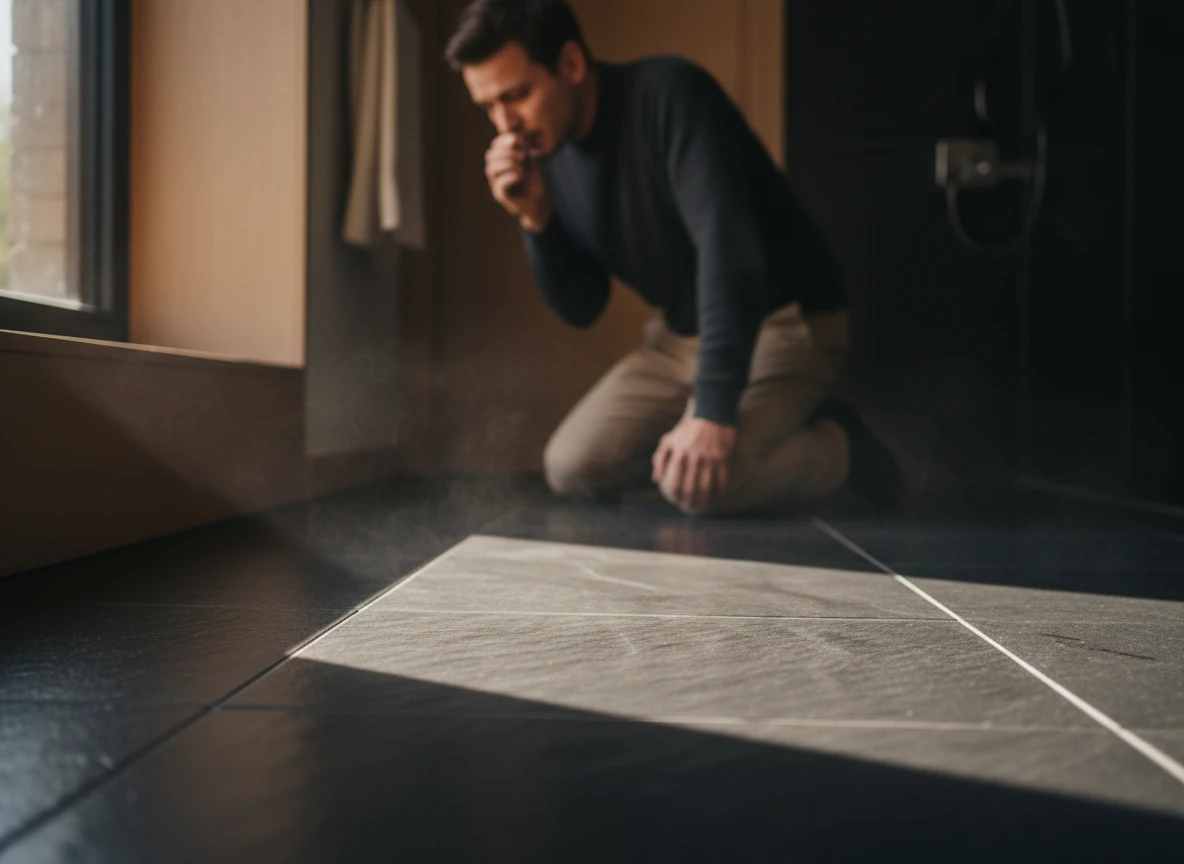
This thermal choking does more than just waste energy. It creates localized hot spots that can warp sensitive wood flooring or damage the underlying cables. It's also a primary culprit when an electric radiant floor heating system struggles to reach its target temperature, leaving you with cold tiles despite a high energy bill.
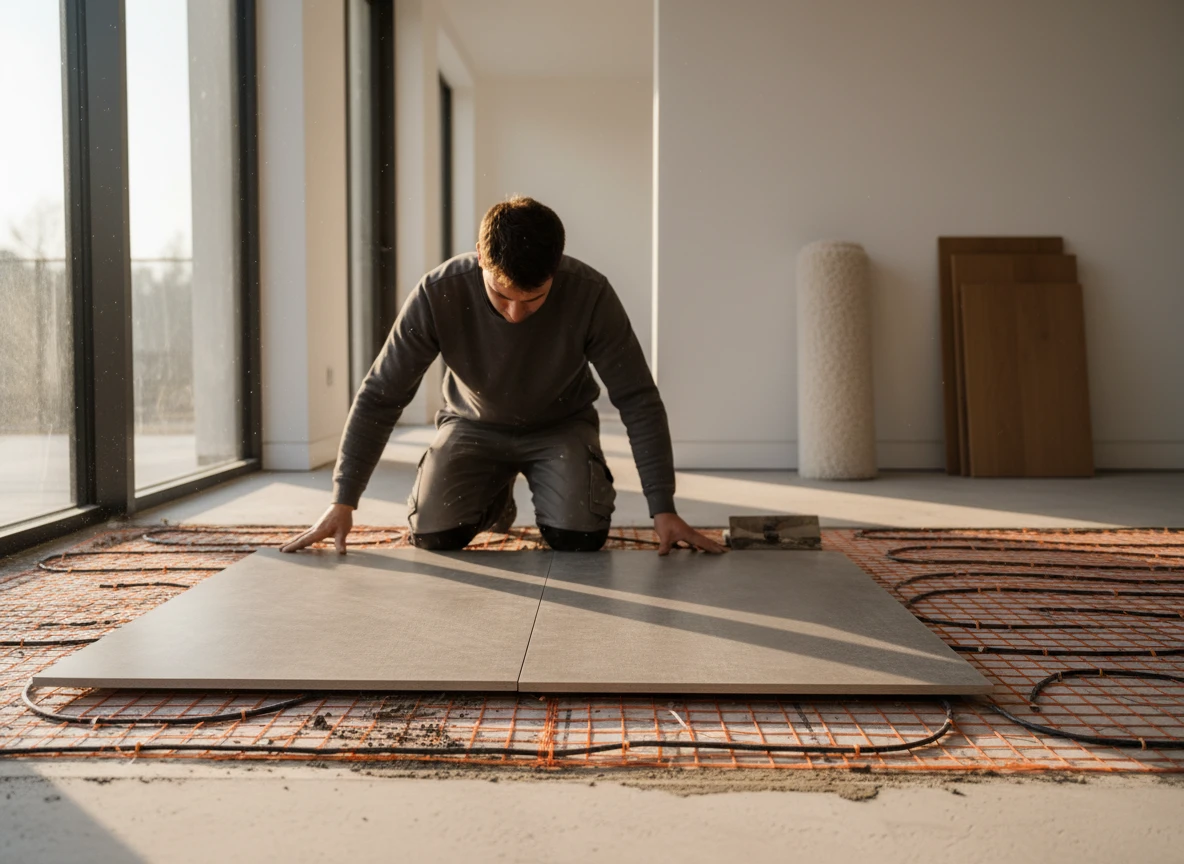
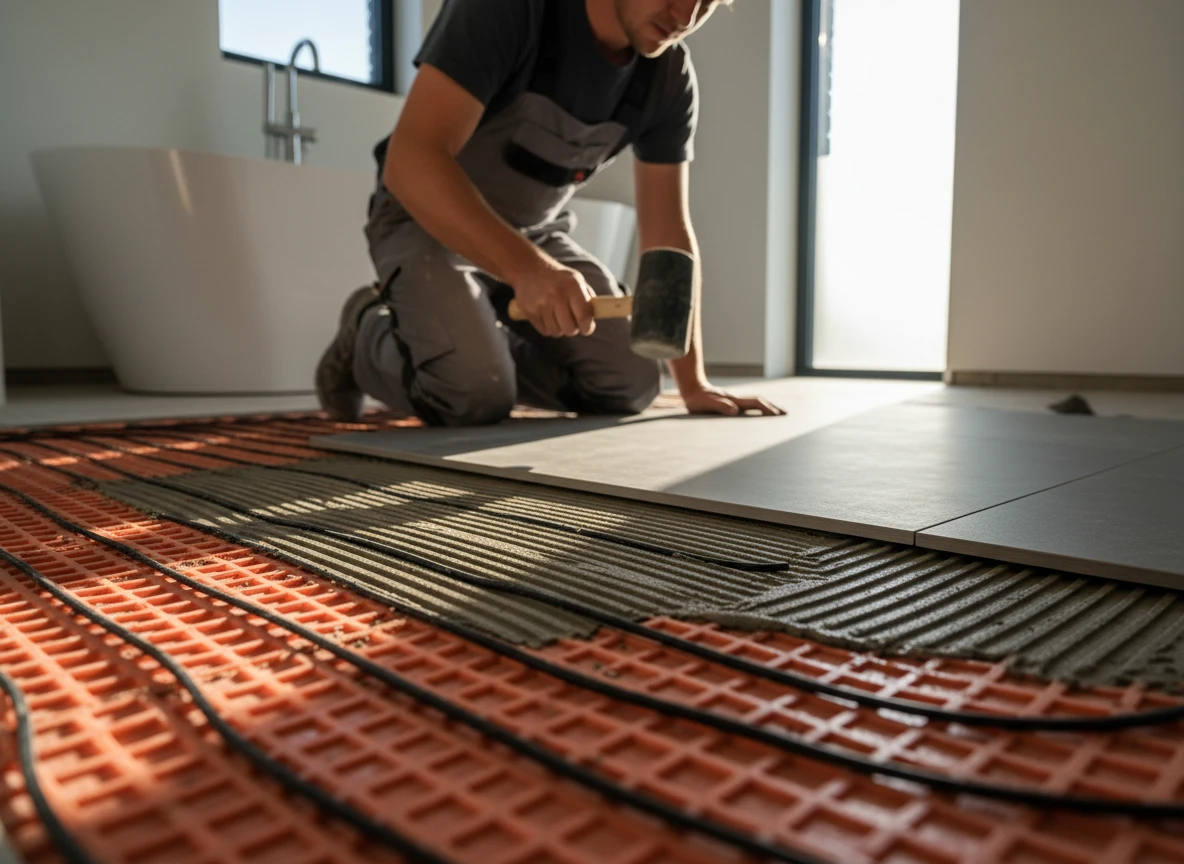
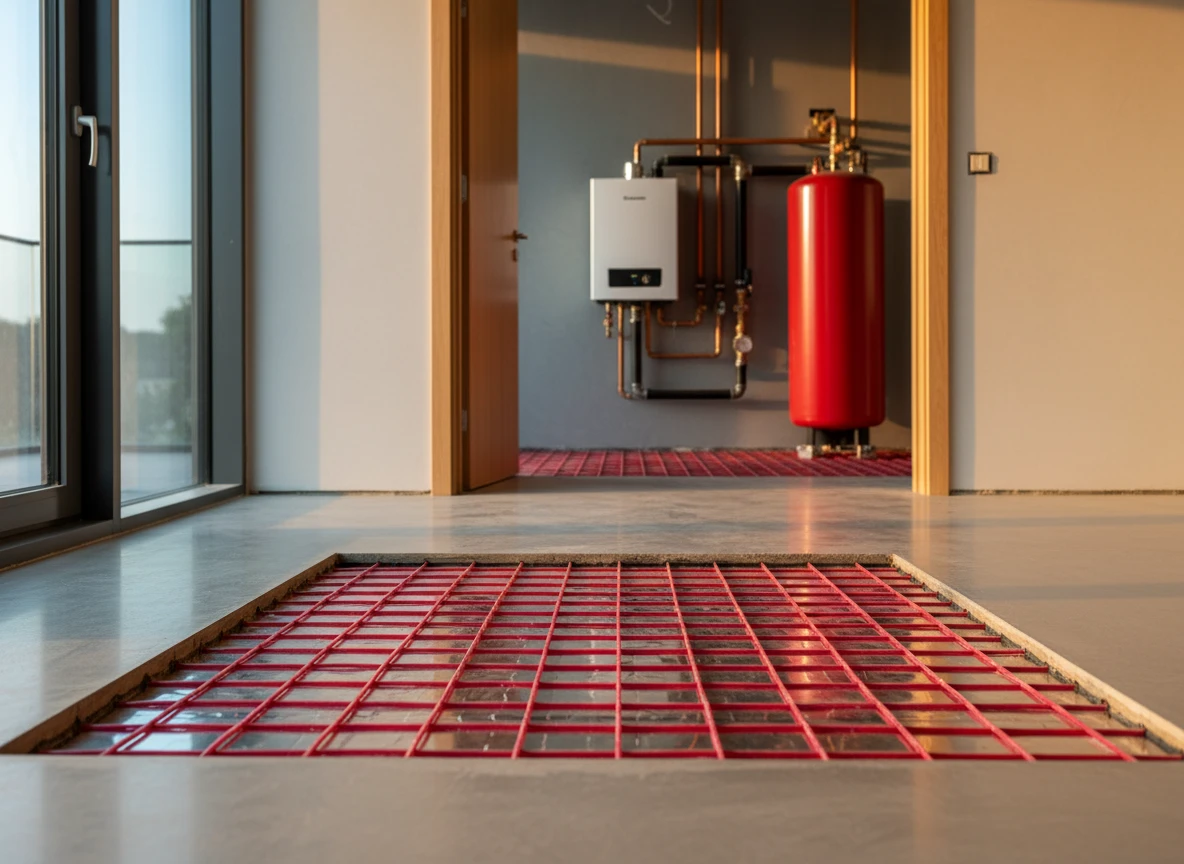
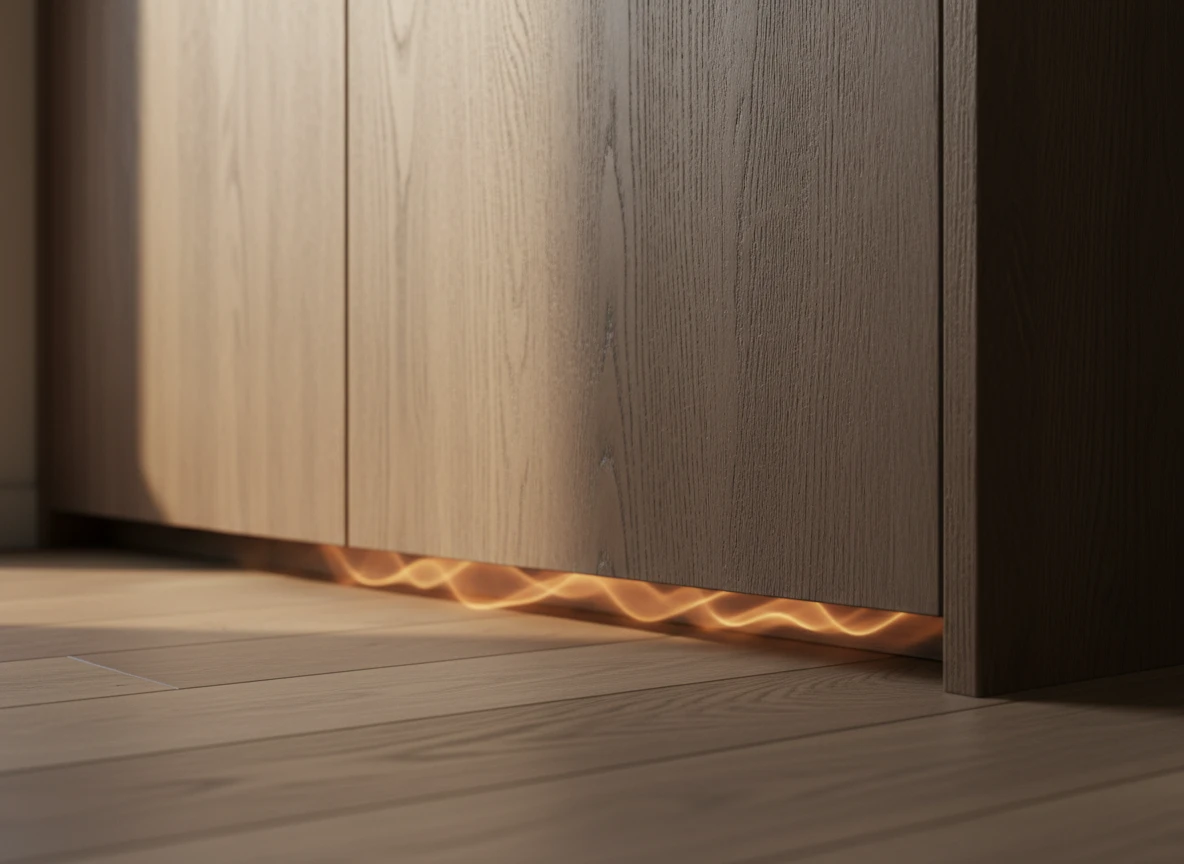
To avoid these bottlenecks, we recommend planning your layout before installing a premium underfloor heating system. While modern floor heating systems are highly resilient, they aren't completely immune to thermal blocking. This issue is particularly pronounced with wood or laminate finishes that are sensitive to extreme temperature shifts. If you must place heavy wardrobes in heated zones, choose pieces with sturdy legs to provide at least a two-inch clearance. This small gap allows air to circulate, letting the radiant heat escape safely into the room rather than building up under your furniture.
How thermal choking silently damages your bedroom flooring
Understanding the physics of thermal choking
When you place a heavy, flat-bottomed wardrobe directly over an active electric floor heating zone, you create a localized thermal bottleneck. In engineering, we call this thermal choking. The heat generated by the resistive cables doesn't have a clear escape path because the furniture base acts as an insulating barrier. Instead of radiating upward to warm the room, the thermal energy reflects back down into the flooring assembly.
This trapped heat rapidly elevates the temperature of the localized zone far past its intended threshold. While a standard system operates comfortably at 27°C to 29°C, a choked zone can easily spike past 40°C. If you have engineered wood or laminate, this excessive heat dries out the natural moisture content of the wood fibers. Over time, the planks shrink, cup, and separate, leaving unsightly gaps in your bedroom floor. You might not notice the damage for months, but the structural degradation is continuous.
Vinyl floor coverings suffer a different but equally destructive fate. The adhesives holding luxury vinyl tiles down degrade under sustained thermal stress, leading to lifting and adhesive failure. In some cases, the heat even causes plasticizer migration, which permanently discolors the vinyl. Results will vary based on the specific material's thermal resistance rating, but the long-term risk remains high. Even carpets can suffer; the heat can singe or melt synthetic backing materials, binding them permanently to the subfloor.
This problem is unique to electric underfloor installations. Unlike hydronic setups where water temperature naturally self-limits based on flow, electric cables keep producing heat as long as electricity flows through them. If your system's design relies on a single thermostat sensor located in an unobstructed part of the room, it will keep pushing power to the choked zone, driving up temperatures. Properly planning your underfloor heating layout before installation is the only reliable way to prevent this silent, costly degradation.
Flat bases vs. raised legs: the geometry of airflow
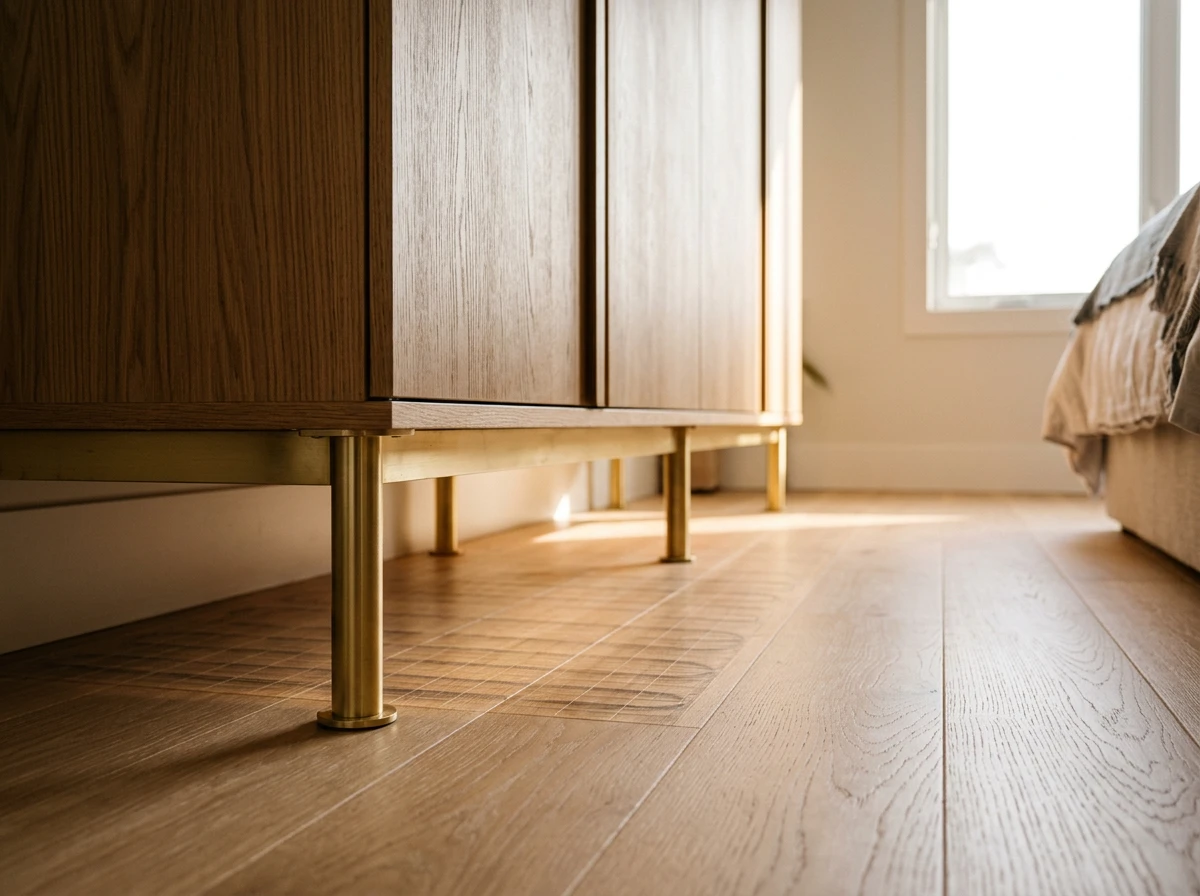
How your furniture meets the floor dictates whether your heating system survives.
A flat-bottomed wardrobe is a thermal barrier. Put heavy cabinetry flush against the floor, and you seal off the rising heat. The energy from your underfloor heating system has nowhere to go. It traps heat. This trapped energy builds up fast, warps wood, and ruins sensitive floor coverings.
You fix this by lifting the wardrobe. Put it on legs. Even a two-inch gap creates a clear path for air. As the floor heats up, it warms this pocket of air and starts a natural convection current. Warm air rises into the bedroom, cooler air gets sucked underneath, and the cycle repeats. No hot spots. No damaged floors.
At Integro Process Heating Solutions, we deal with heat dissipation every day. Whether we are building heavy-duty industrial systems or reviewing domestic floor heating solutions, physics does not change. Airflow is your safety valve. Block it, and even the best heating elements will overheat and burn out.
Some homeowners choose hydronic radiant floor heating for larger rooms because water holds heat well. But a flat wardrobe base still blocks the energy, no matter the system or your floor material. If you must use flat-bottomed furniture, push it to unheated perimeter zones. If it sits over the heating cables, put it on legs.
Why is electric underfloor heating so sensitive to physical blockages?
Covering just 15% to 25% of your active floor area with solid-base furniture can cut system efficiency by up to 30%. It's a massive drop. This happens because of how different heating systems respond to thermal resistance. Hydronic loops naturally throttle back as local temperatures rise. Electric systems don't. They keep pushing energy outward regardless of any thermal bottlenecks in the way.
The mechanics of thermal accumulation
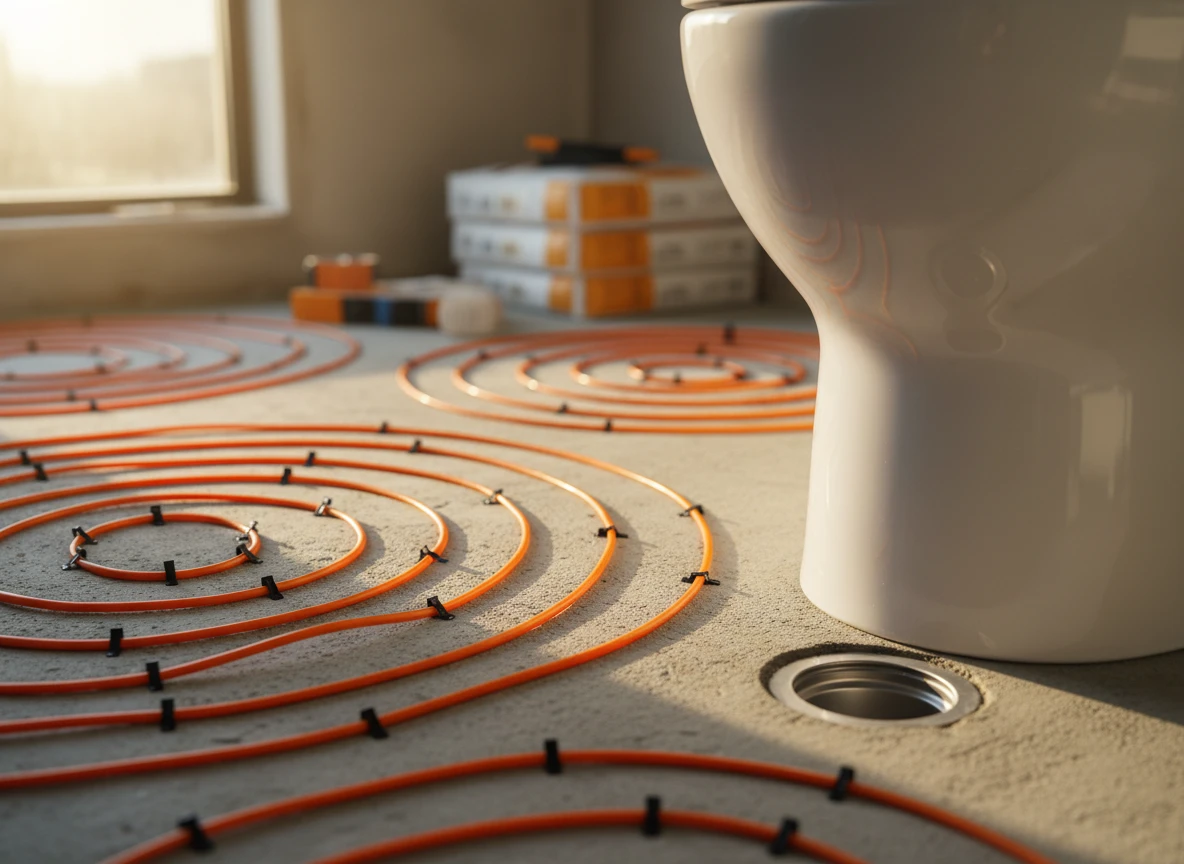
Electric systems run current through a high-resistance wire to generate heat. When you place a heavy wardrobe directly over a floor heating mat, that heat gets trapped. It has nowhere to go. Thermal energy builds up fast and forms a localized hotspot. Thick concrete subfloors might absorb some of this initial heat spike, but if the blockage stays, the temperature will climb.
Without advanced self regulating heating cables that scale back output based on surrounding temperatures, cable temperatures will reach dangerous levels. We deal with this exact thermal dynamic in industrial settings when we design flexible heating jackets for specific, high-risk thermal profiles.
Why resistance systems lack self-regulation
Standard electric systems run on constant wattage. The cable puts out the exact same thermal energy per foot whether it's open to the air or buried under three inches of solid oak. At Integro Process Heating Solutions, we study these heat transfer dynamics to stop premature component failures before they start. While a hydronic pipe naturally reduces its heat output as the surrounding floor warms up, an electric cable lacks that built-in feedback loop. It just keeps heating.
When you coordinate with global underfloor heating system exporters, layout planning is your main defense. If a flat-bottomed wardrobe blocks the heat path, temperatures under the wood can easily surge past the safe 27°C to 29°C threshold. That ruins both your cable insulation and your floor finish.
Avoid these issues by working closely with certified underfloor heating suppliers and experienced underfloor heating exporters. Proper zone planning keeps heavy furniture over unheated floor sections. If you source directly from underfloor heating manufacturers, make sure to pair the system with smart thermostats and floor probes to protect your investment.
The nightmare scenario: mounting heavy wardrobes to the subfloor
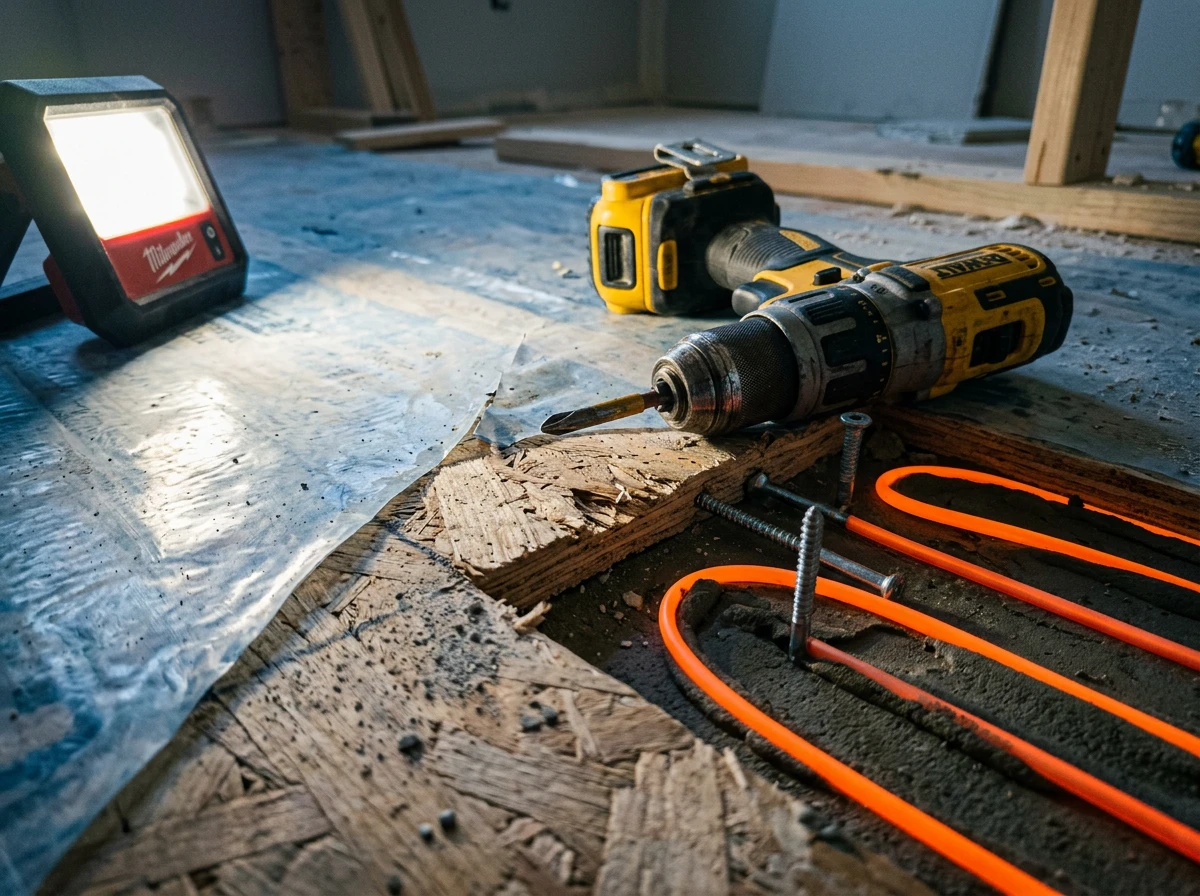
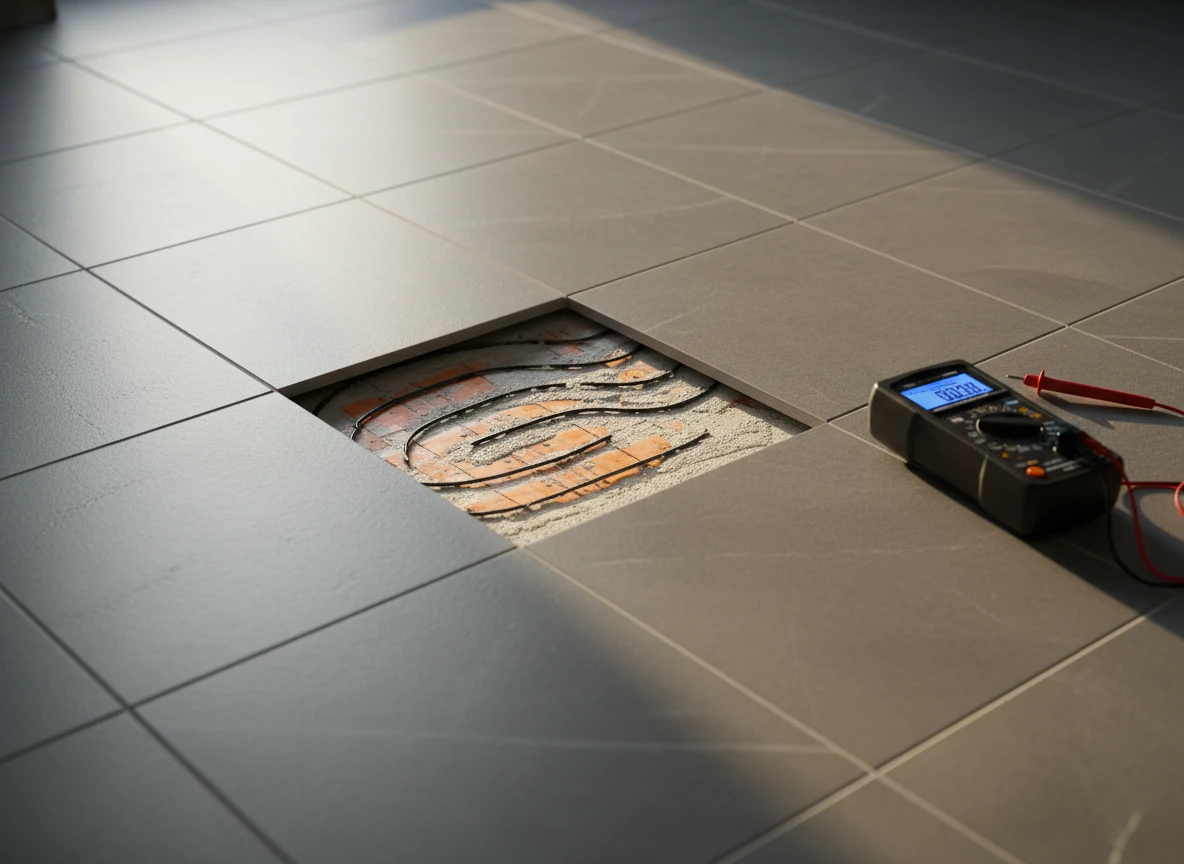
Imagine a carpenter driving a two-inch anchoring screw through the base of a heavy, floor-to-ceiling wardrobe. The drill bites into the timber, pierces the underlay, and meets sudden resistance. There's a soft pop, a spark beneath the floorboards, and the bedroom lights flicker. You've just drilled straight through the active resistance wires of your bedroom's electric floor heating systems. What was supposed to be a simple safety anchor to keep a massive wardrobe from tipping has now severed an electric circuit, rendering the entire floor cold and creating a serious fire hazard.
Puncturing radiant floor heating systems is a costly mistake. Unlike water-based pipes where a leak is immediately visible, a severed electrical cable is a silent failure that's incredibly difficult to locate without tearing up the entire floor. But you can avoid this destructive guesswork.
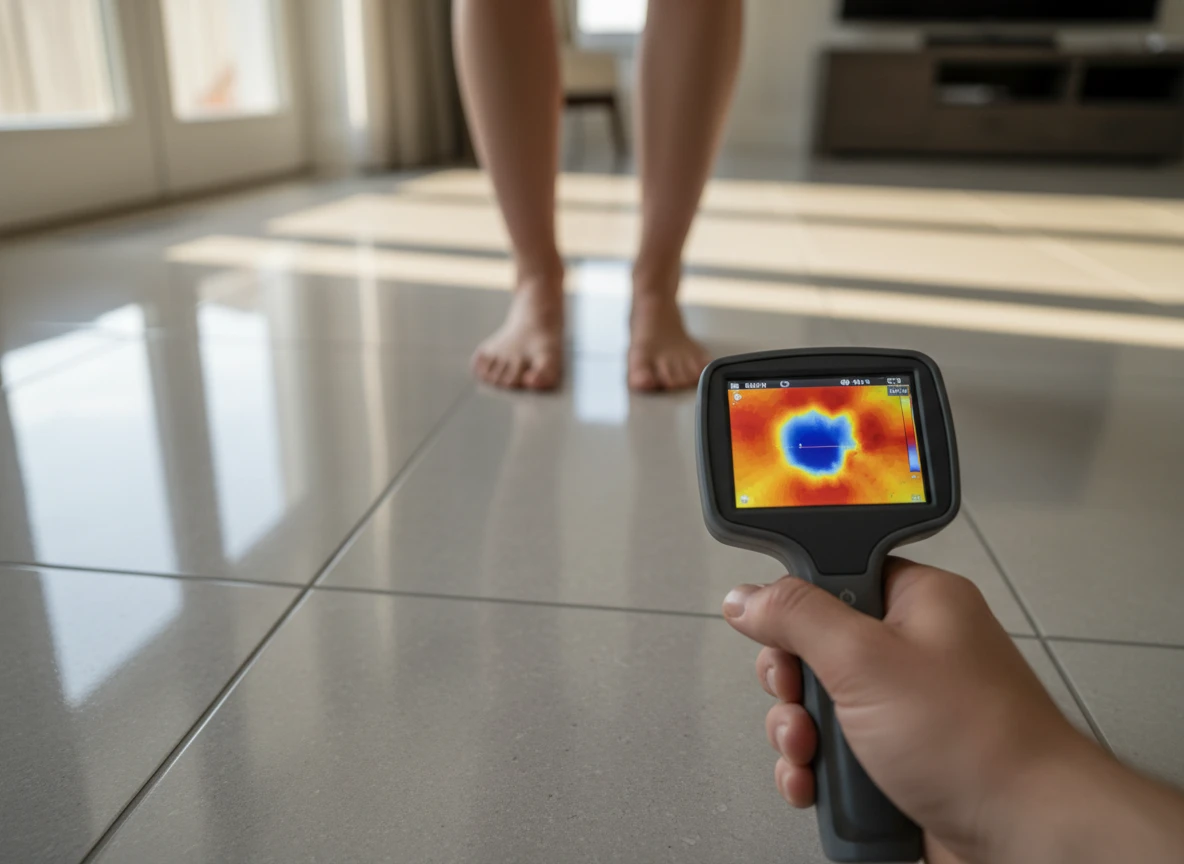
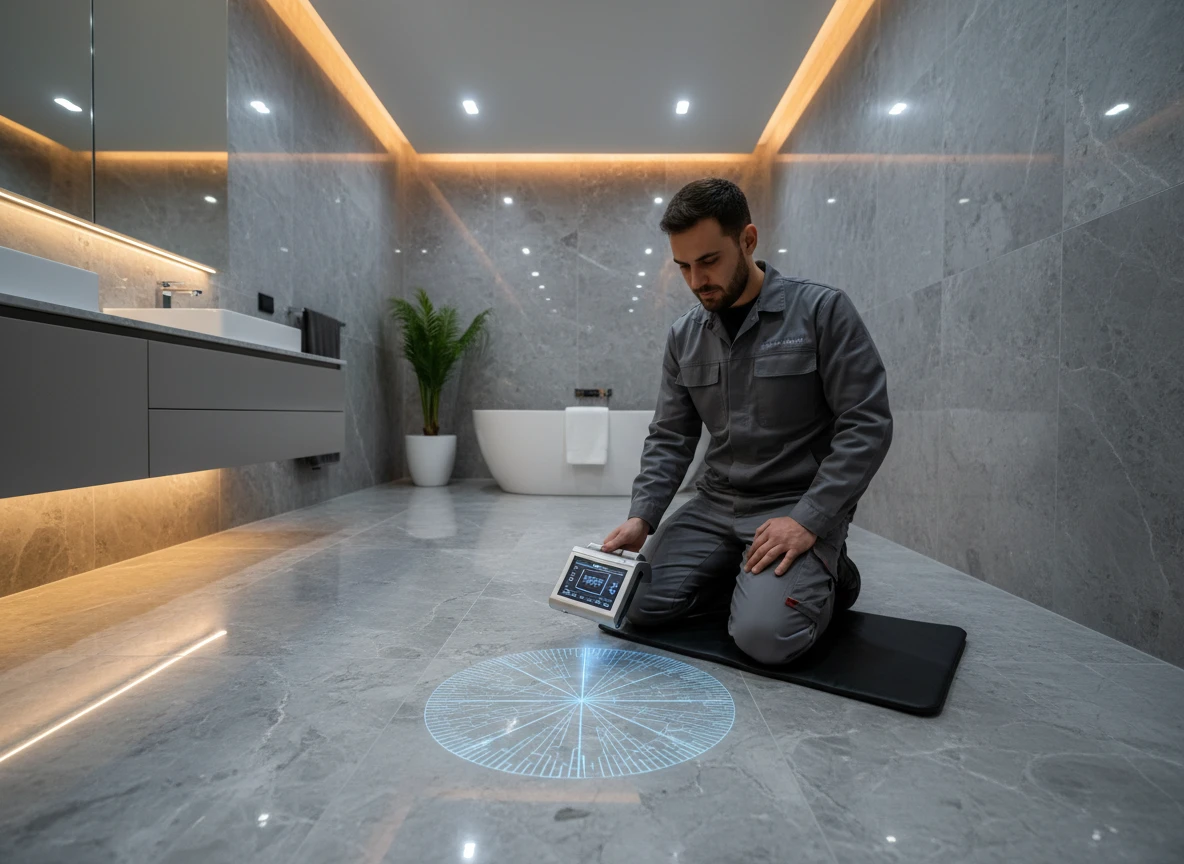
So, before any drill touches the floor, you must map the active heating elements. Turn the system on for fifteen minutes and use a thermal imaging camera. The buried cables will show up clearly on the screen, letting you mark safe drilling zones with masking tape. While thermal cameras are highly effective, they don't always yield perfect results through exceptionally thick screed or heavy carpets, so referring to the original installer's layout diagram is a smart backup.
At Integro Process Heating Solutions, we design complex industrial systems, like a custom heating chamber or a high-capacity drum heating chamber, where wiring precision is everything. We apply this same engineering discipline when advising on domestic and commercial heating installations. Just as we use precise layouts to fit industrial insulated heating jackets or flexible drum heating jackets without damaging internal resistance wires, residential installers must treat the floor as an active electrical grid. If you must secure heavy wardrobes, anchor them to the wall studs instead of the floor. It's safer, easier, and keeps your heating system fully intact.
How trapped heat tricks your thermostat sensors
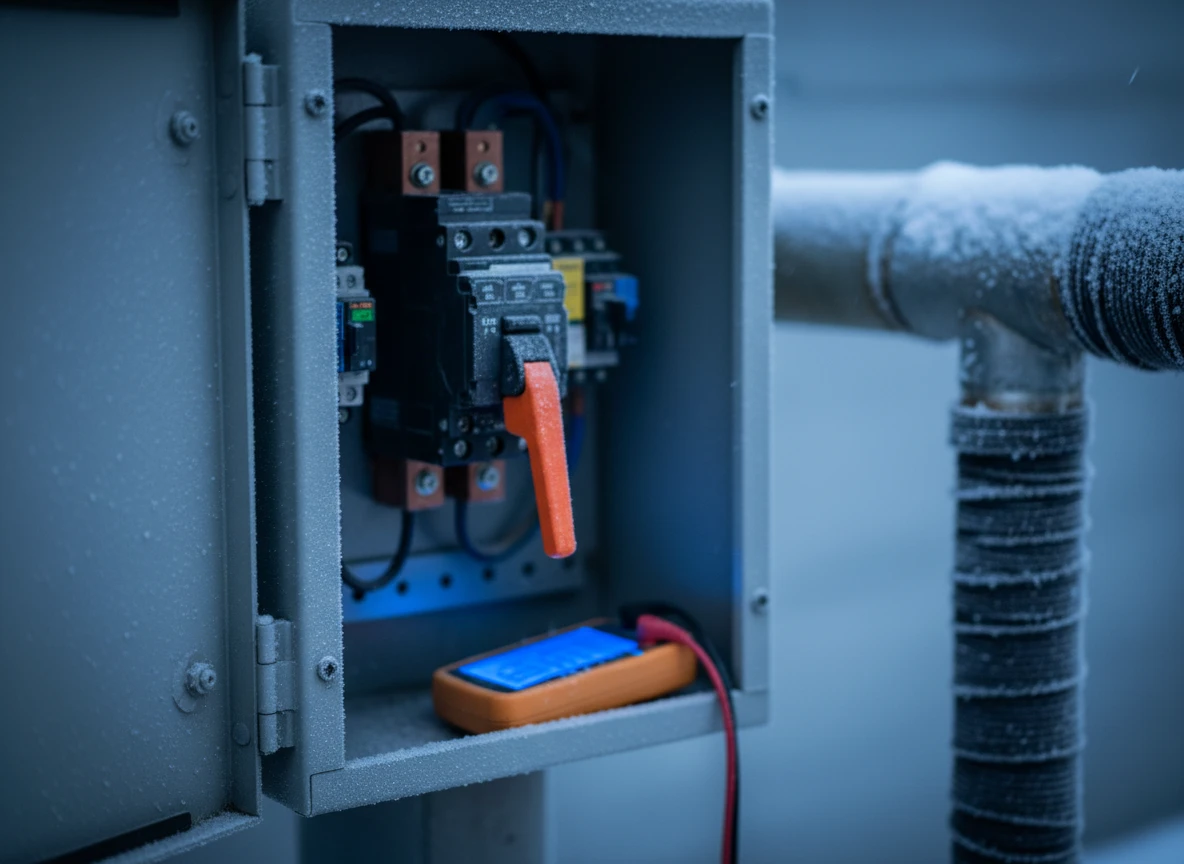
Once you've ensured the heating wires are safe from drill bits, the next engineering hurdle is control loop integrity. An electric underfloor system lives and dies by its temperature sensor. This small probe, typically embedded in the floor screed, acts as the primary feedback loop for your thermostat. But when a heavy wardrobe blocks the floor right above this sensor, it creates a localized thermal pocket that tricks the entire system.
If the thermostat probe is trapped beneath a flat-bottomed wardrobe, it quickly registers a false high temperature. The trapped air can't escape, causing the sensor to shut down the heating mats prematurely. Consequently, the rest of your bedroom remains freezing cold because the thermostat believes the target temperature has already been reached. In my experience with domestic and commercial heating installations, this localized cycling is one of the most common causes of poor system performance.
The opposite scenario is equally problematic. If the sensor is placed in an open area but a large part of the heating mat is blocked by heavy furniture, those blocked cables will run continuously. The open floor sensor keeps calling for heat, driving the temperatures under the wardrobe to unsafe levels. This can warp floorboards or degrade cable insulation. At Integro Process Heating Solutions, we manage precise thermal limits in industrial environments using insulated heating jackets and flexible IBC heating jackets to prevent exactly this type of localized heat concentration.
In residential floor heating systems, you don't have the luxury of multi-point industrial sensor arrays. You have one probe. If you place a solid-base wardrobe over that single point of feedback, you break the system's ability to self-regulate. So, always map your furniture layout before laying the sensor conduit, ensuring the probe remains in an unobstructed, high-traffic walking zone.
Designing your bedroom layout without breaking the system
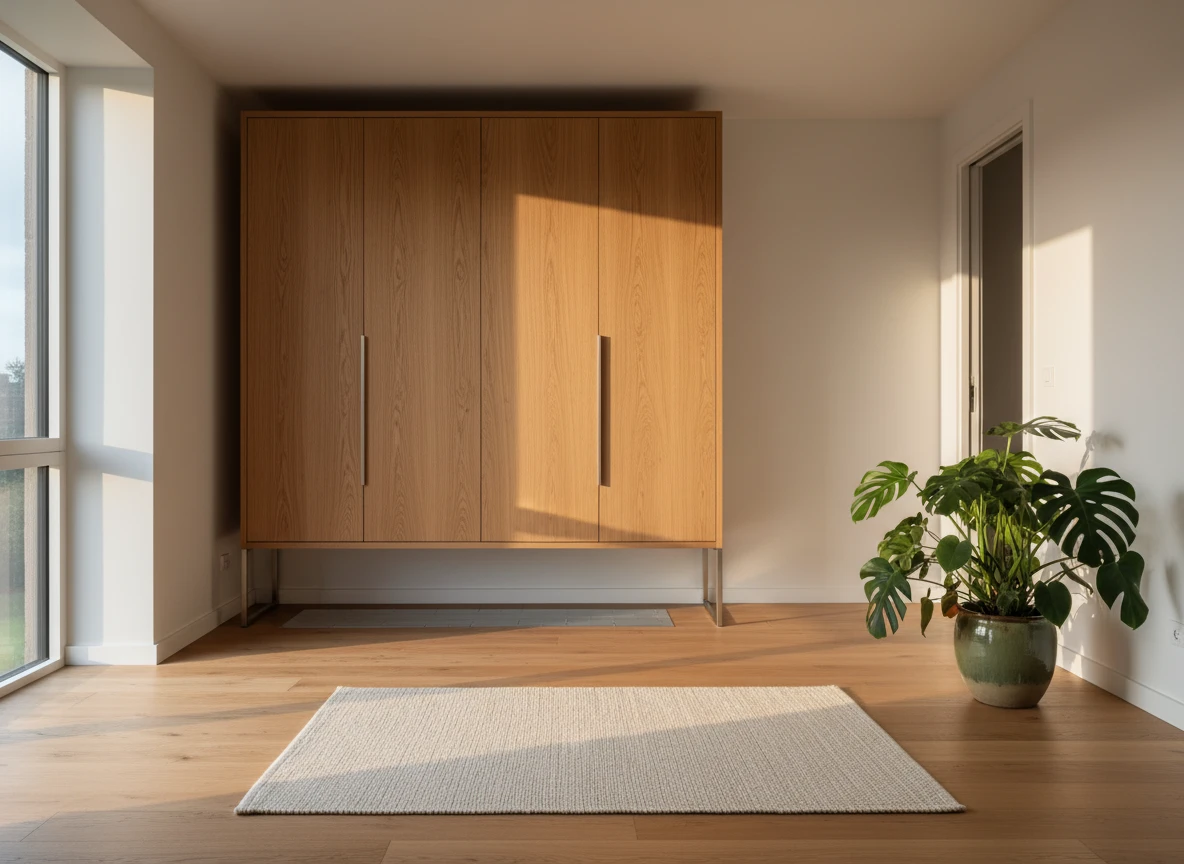
Smart layout tactics for thermal balance
Once you understand how trapped heat throws off your thermostat, the path forward is all about layout strategy. You don't have to choose between a spacious wardrobe and a warm floor with electric floor heating. It just takes a little deliberate planning before you position your furniture.
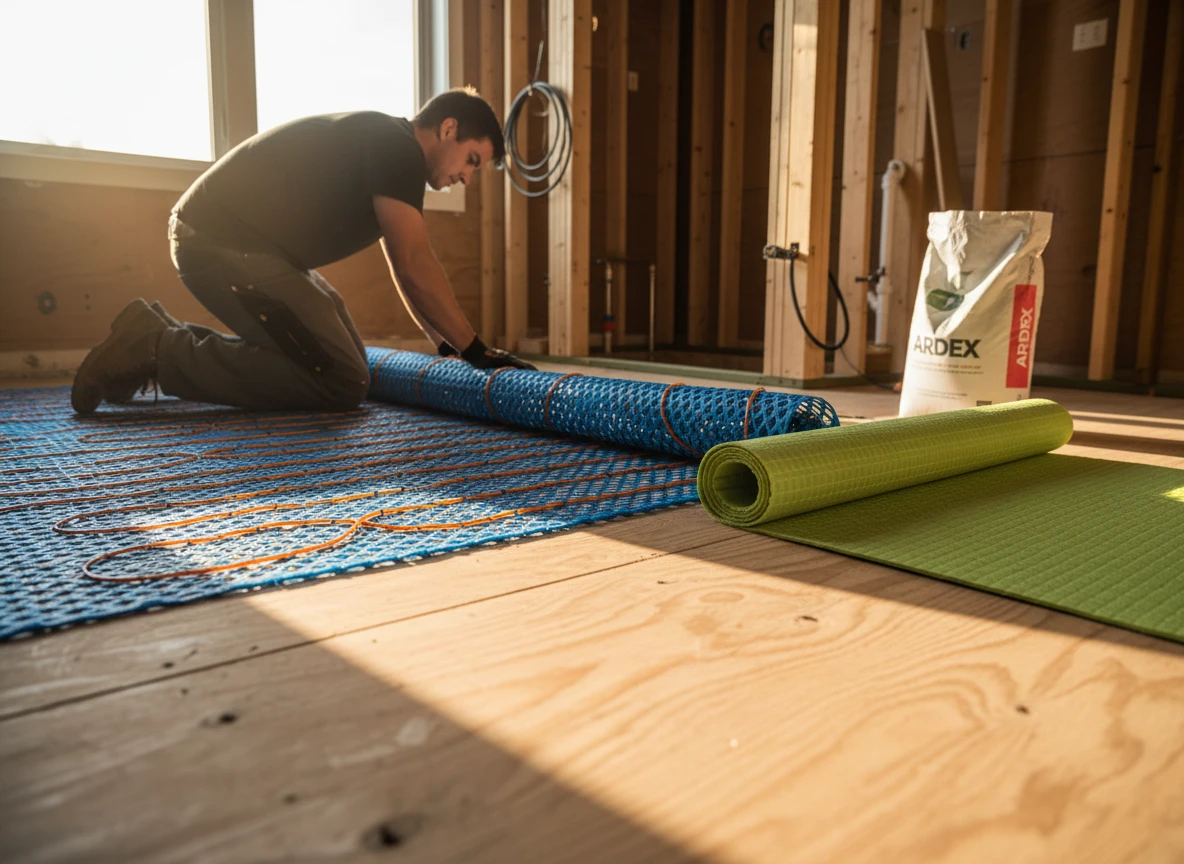
If you're installing a new system, the easiest fix is zoning. Keep your heavy, flat-bottomed wardrobes completely outside the active heated cable runs. At Integro Process Heating Solutions, we always advocate for planning these inactive zones during the design phase of domestic and commercial heating projects. It saves energy, protects your flooring from localized hot spots, and lets you place heavy furniture wherever you want without anxiety.
But what if your system is already in the ground? You aren't stuck. Look for furniture with legs that lift the base at least two inches off the floor. This gap allows the air to move freely, preventing the thermal choke points we discussed earlier. If you can't find a legged wardrobe you like, you can often retrofit existing furniture with aftermarket riser blocks or heavy-duty wooden furniture feet.
Rugs are another common silent culprit. Avoid thick, rubber-backed rugs that act like thermal insulation barriers. Instead, opt for thin, flat-weave natural fibers like cotton or jute with a low tog rating (under 1.5) as safe floor heating solutions. These materials allow the heat to rise naturally into the room rather than trapping it underneath.
While our industrial division designs specialized drum heating jackets to tightly trap and transfer heat around industrial containers, residential systems require the exact opposite. They need to breathe to remain efficient.
For retrofitting, use an infrared thermometer to map out where your active heating wires run before placing any heavy items. Simply turn the heating on, wait thirty minutes, and scan the floor. If you find a warm spot, avoid placing solid bases directly over it. Taking these simple layout precautions ensures your home stays warm, your floor stays flat, and your heating bills remain manageable.
Planning a bedroom layout with radiant floors? Integro Process Heating Solutions provides engineered floor heating solutions that keep your home warm without the risk.
Common Questions About Furniture and Floor Heating
Can I put heavy bedroom furniture over an electric floor heating mat?
It's best to avoid placing flat-bottomed heavy furniture directly on heated floors. They trap heat and cause thermal choking, which ruins your flooring and lowers heating efficiency.
How much clearance do I need under a wardrobe for floor heating?
You'll want at least two to three inches of ground clearance. Sturdy legs let air circulate freely so the radiant energy doesn't build up under the base.
Why do electric heating systems react worse to blocked heat than water systems?
Electric resistance cables don't circulate fluid, meaning trapped heat builds up in one spot very quickly. Water-based loops naturally spread that thermal energy across a larger volume.
What happens if I drill into my subfloor to anchor a wardrobe?
You risk puncturing hidden live heating wires unless you mapped the layout beforehand. Always check your installation blueprints before driving screws into heated rooms.