- By Admin
- Integro
The anxiety beneath your feet
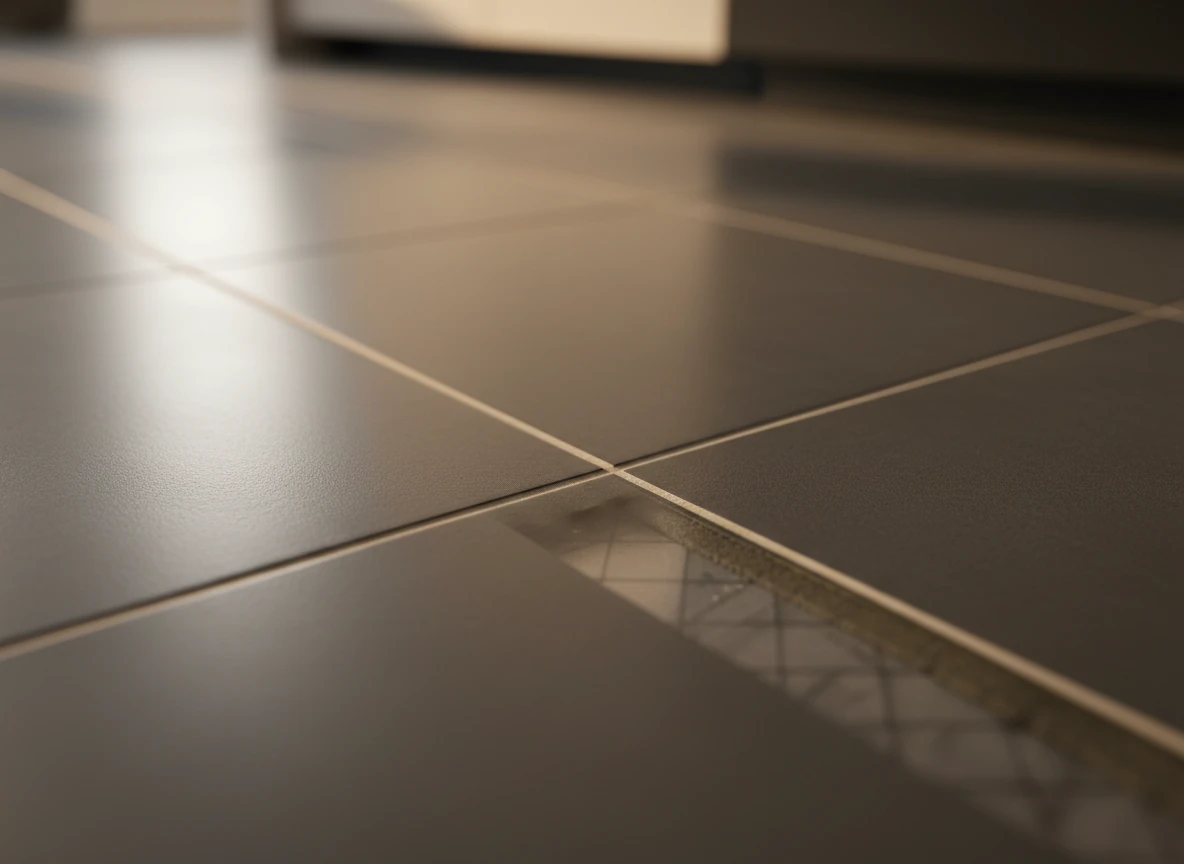
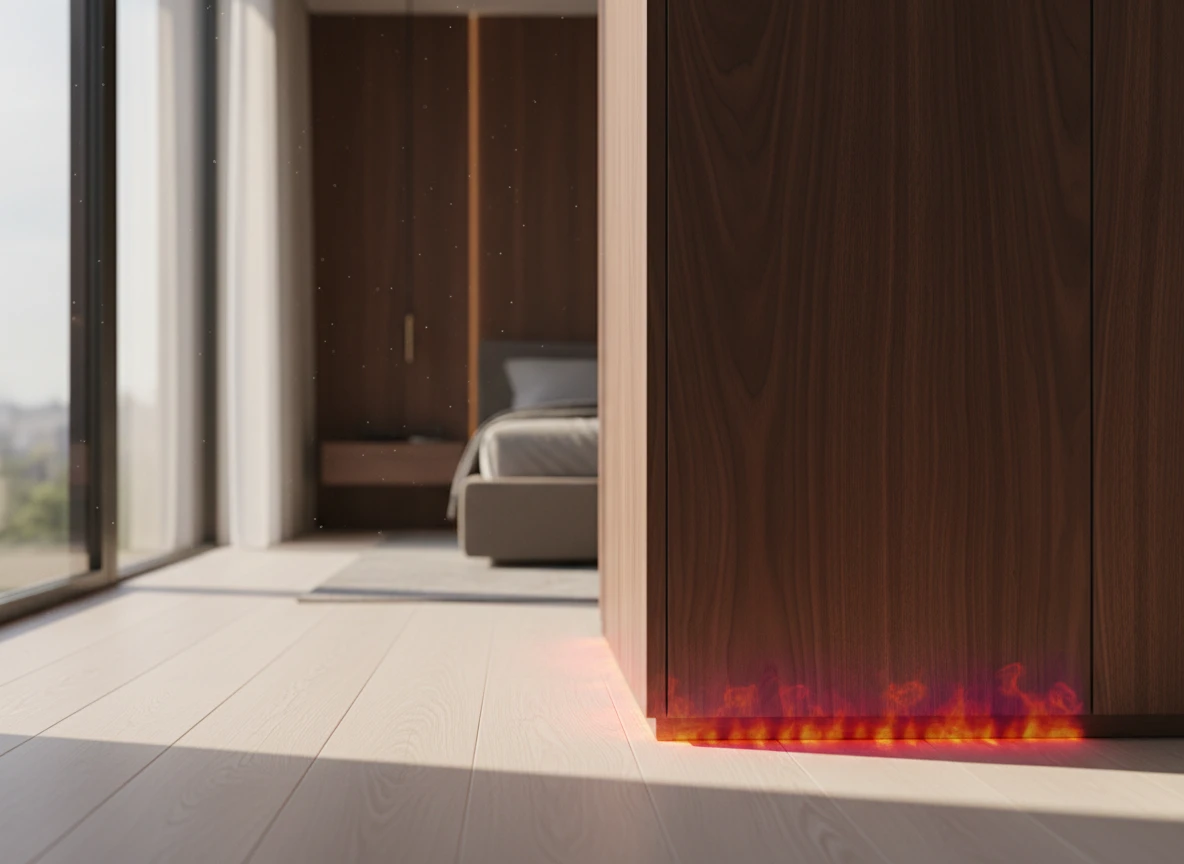
Imagine spending thousands on a beautiful bathroom renovation, only to hear a sharp, sickening crack under your heel three months later. It is the ultimate homeowner nightmare.
Many people assume that installing electric floor heating systems is an open invitation for this kind of structural failure. The logic seems sound on the surface. Heat causes materials to expand, and rigid ceramic tiles do not like to bend. If they cannot bend, they must break, right?
The reality is quite different. Ceramic and porcelain are fired in kilns at temperatures exceeding 1,100°C. A standard residential underfloor heating system operates at a gentle maximum of 35°C to 40°C. Thermally speaking, the tile itself does not mind these low temperatures. It will not melt, degrade, or chemically alter under such mild thermal loads.
So, what actually causes the cracking? The issue is not the heat itself, but how different materials underneath react to it. Wood, concrete, and tile all expand and contract at wildly different rates. If you lay an electric floor heating mat directly over a plywood subfloor without a buffer, these layers will pull against each other as temperatures cycle. This differential movement creates massive shear stress.
At Integro Process Heating Solutions, we analyze thermal installations from a systems engineering perspective. We know that successful heating is about structural isolation just as much as it is about thermal transfer. When you understand the physics of subfloor movement, you can easily prevent these forces from reaching your tile.
Why heat itself isn't the enemy of ceramic
Thermal physics and tile vitrification
Ceramic doesn't care about floor heating. During manufacturing, these tiles are fired in industrial kilns at temperatures exceeding 1,200°C. This extreme heat triggers vitrification, a chemical transformation that turns clay into a dense, glass-like crystalline structure. When you run an electric underfloor heating system, it operates at a gentle maximum of 35°C to 40°C. That is a drop in the bucket. It doesn't even approach the material's thermal limits.
From a thermal standpoint, these low temperatures cannot weaken or alter the tile. But what about physical expansion? Every material expands when heated, a behavior measured by its coefficient of thermal expansion (CTE). Ceramic has a very low CTE. It barely budges. A typical 300mm tile expands by only a microscopic fraction of a millimeter at peak operating state.
This minimal movement makes ceramic highly compatible with electric radiant floor heating systems. The heat itself isn't the problem. The danger lies in the subfloor beneath the tile, whether it's plywood or concrete, because it has a completely different expansion rate. When you turn on your underfloor heating system, these layers expand at different speeds. This differential movement creates massive shear stress at the bond line.
Thermal shock is another concern. However, residential bathroom floor heating systems warm up gradually over hours rather than seconds. This slow ramp-up prevents sudden thermal gradients within the clay body, keeping internal stresses well within safe margins.
That is where the actual risk of cracking lies. It's never the tile failing under thermal load. Instead, the rigid thinset mortar fails to absorb the physical tension between the moving subfloor and the static tile. In rare cases of poor installation, localized hot spots can occur if cables are bunched together. Yet, even in these flawed setups, the tile remains structurally sound. It is the adhesive bond that snaps.
The subfloor shift nobody warns you about
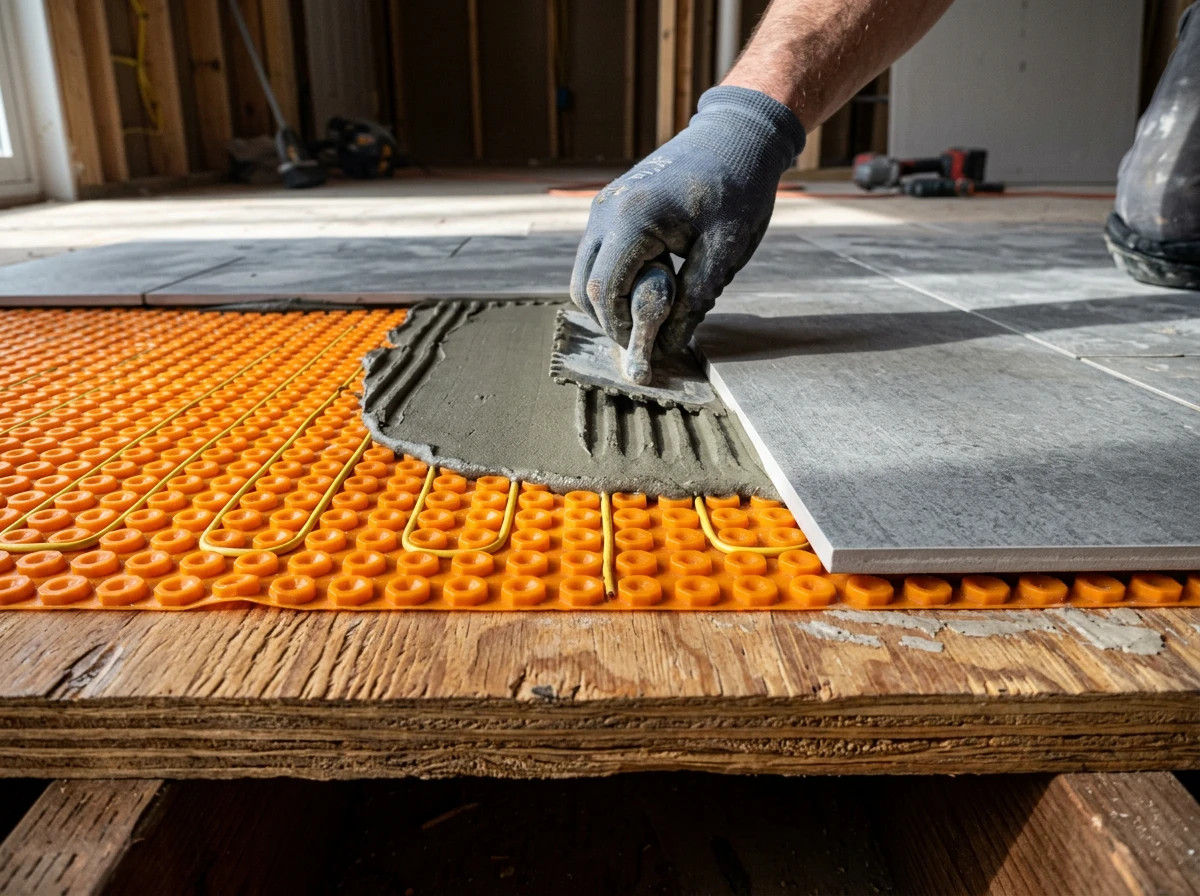
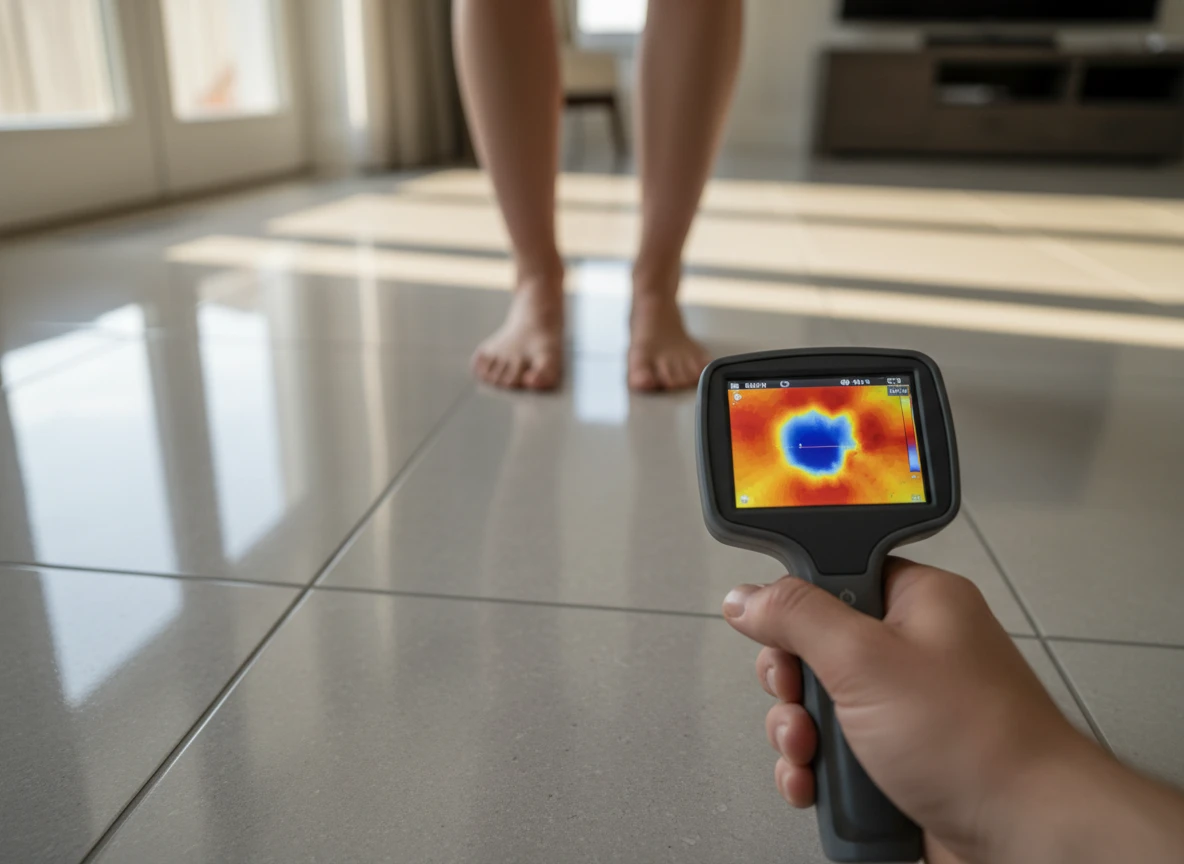
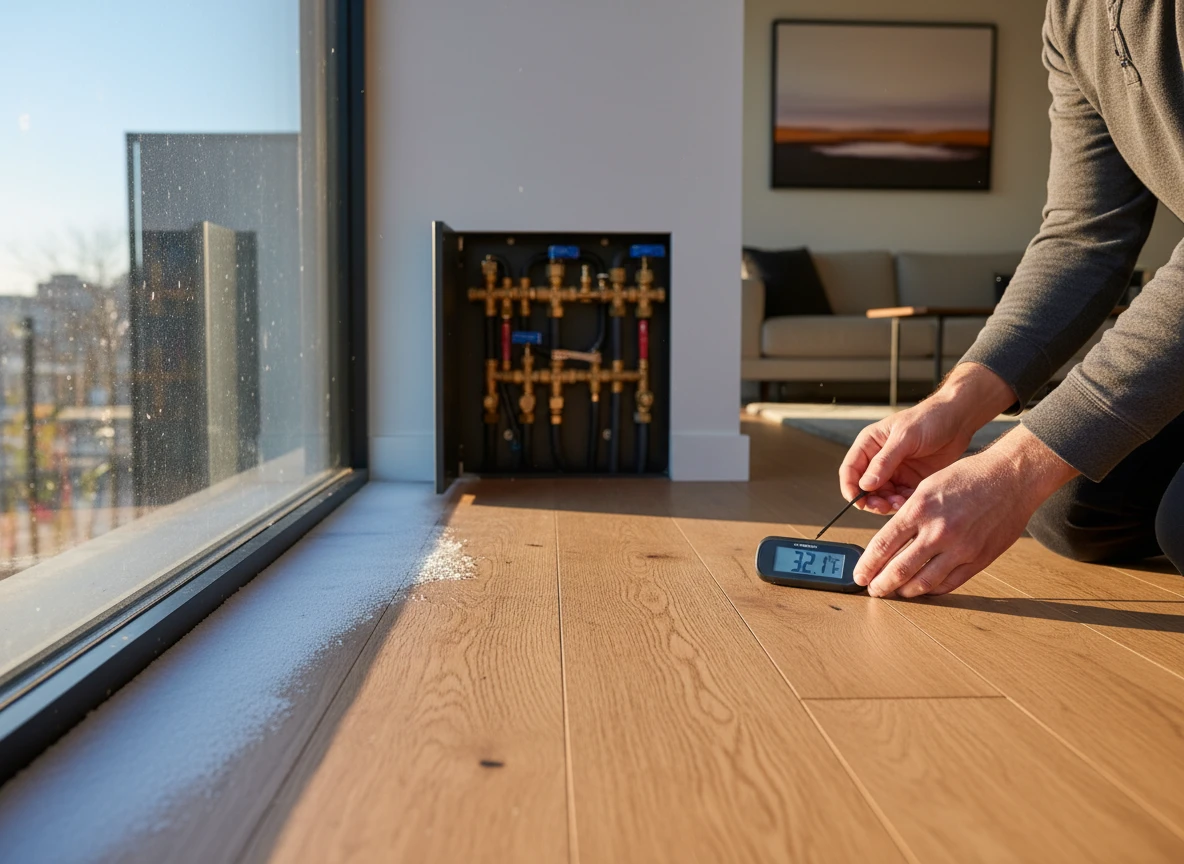
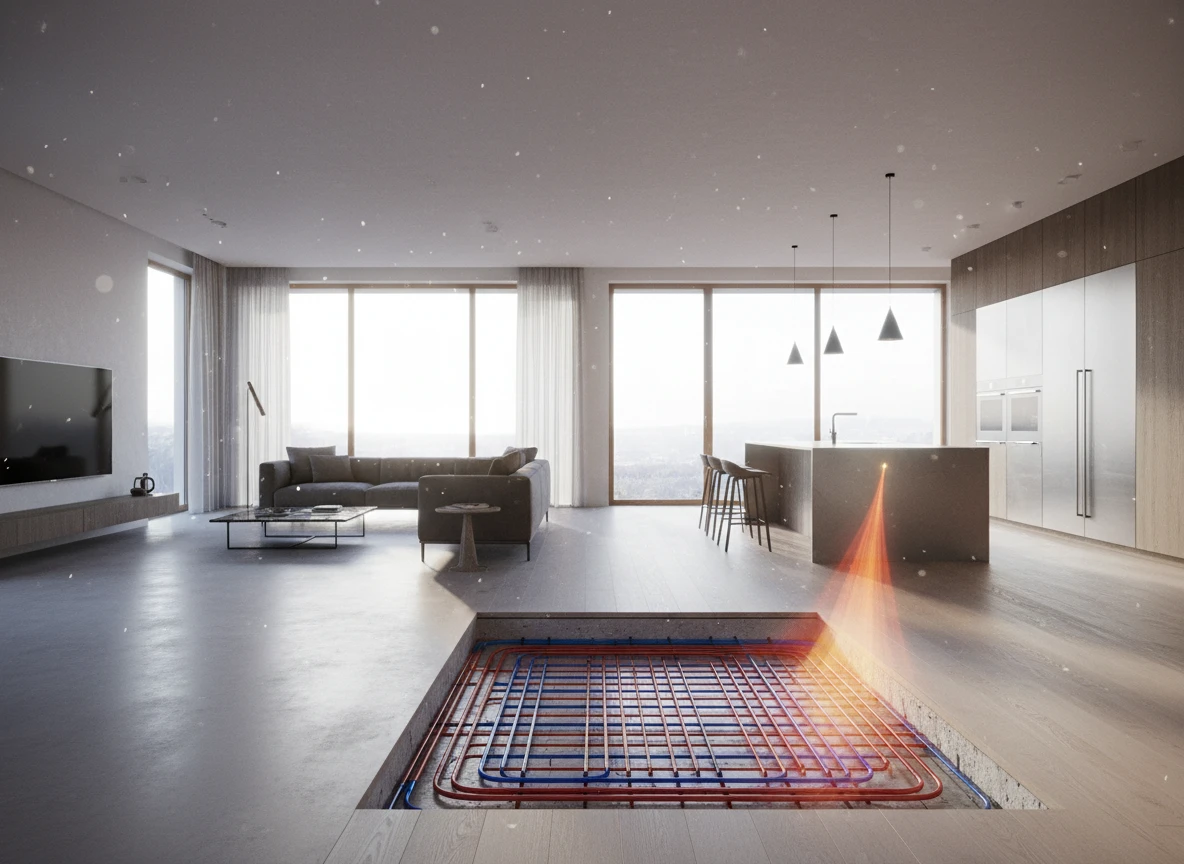
Imagine a typical Saturday morning. You step onto your beautifully tiled bathroom floor, turn on your bathroom floor heating system, and enjoy the instant warmth. But beneath that static surface, a silent mechanical tug-of-war is happening. As the temperature rises from 18°C to 32°C, the wood or concrete subfloor expands at one rate, while the rigid ceramic tiles above expand at a completely different, much slower rate.
In our work at Integro Process Heating Solutions, we analyze thermal dynamics daily. This physical phenomenon is known as differential movement. Wood (like plywood or OSB) is highly hygroscopic and thermally sensitive, flexing significantly with humidity and temperature shifts. Concrete, while sturdier, still undergoes predictable thermal expansion. Ceramic tiles, on the other hand, are incredibly rigid and brittle. They do not stretch; they resist.
Consider the thermal expansion coefficient of concrete compared to wood. Plywood can expand up to ten times more than concrete when exposed to moisture and heat variations. When you lay an electric radiant floor heating system over these materials, the localized heat intensifies these movements.
If you install electric floor heating systems directly over a subfloor without a buffer, this shear stress has nowhere to go. A shift of just 0.5 millimeters is enough to shear the thinset bond. When the bond breaks, the tile is forced to bend under foot traffic. Since ceramic cannot bend, it cracks.
We often see installers skip crack-isolation membranes to save on height or budget, especially in tight bathroom floor heating projects. They assume a standard thinset will absorb the movement. It will not. The adhesive eventually crystallizes and fails under cyclical thermal loads. If a wire breaks due to this shifting, you might end up wondering if you can fix a floor heating mat without tearing up the entire floor. It is a costly headache that is entirely preventable.
To prevent these structural failures, you need an uncoupling system. This mechanical layer acts as a slip-sheet. It allows the subfloor to expand and contract laterally while holding the tile stable vertically. At Integro, we always advocate for decoupling because thermal efficiency means nothing if the physical substrate fails under normal operation.
Decoupling membranes vs direct-bond installations
Data from 1,200 commercial and residential tile setups shows a stark contrast: direct-bond installations fail nearly four times more often than membrane-isolated assemblies. Gluing a floor heating mat straight to concrete or plywood with thinset mortar creates a rigid bond. That rigidity is dangerous. When heating cables cycle on and off, the subfloor expands, forcing the tile layer to absorb 100% of the resulting shear stress. Without a buffer, this physical force shears grout lines and pops porcelain loose.
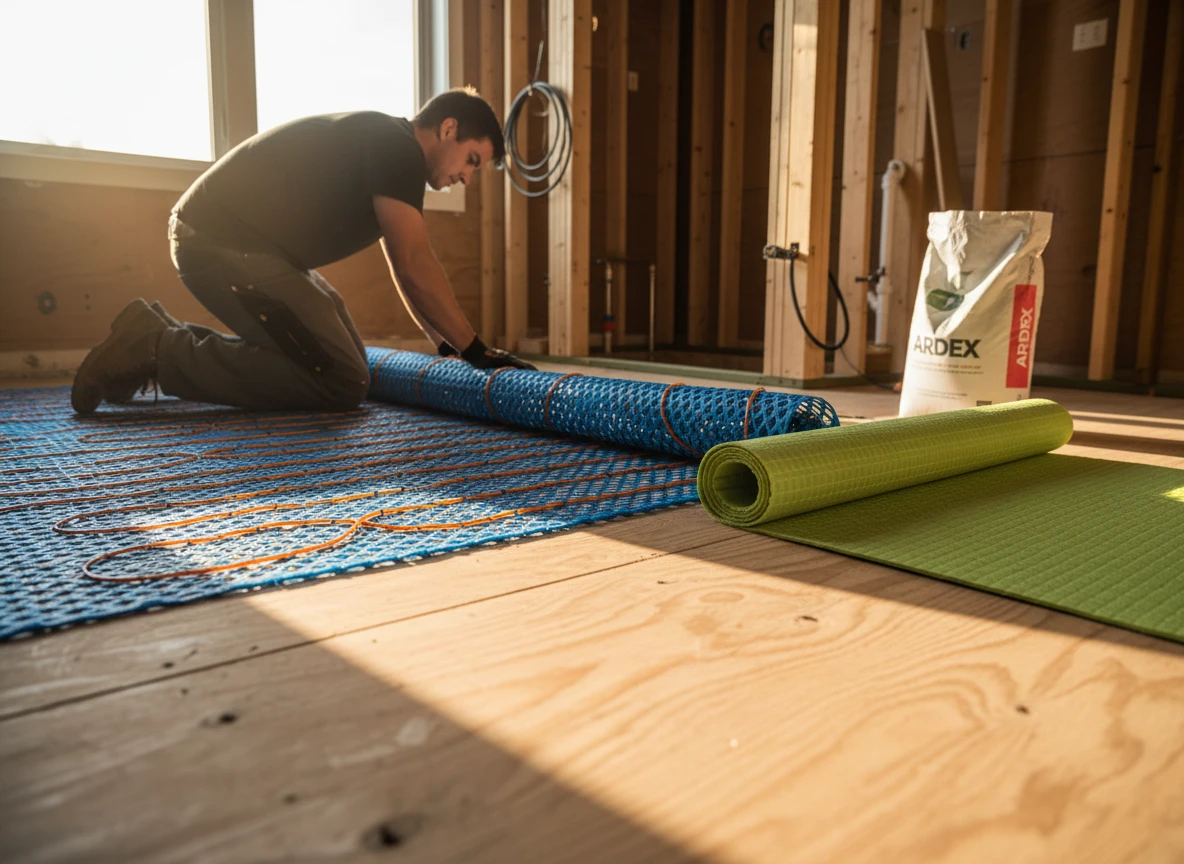
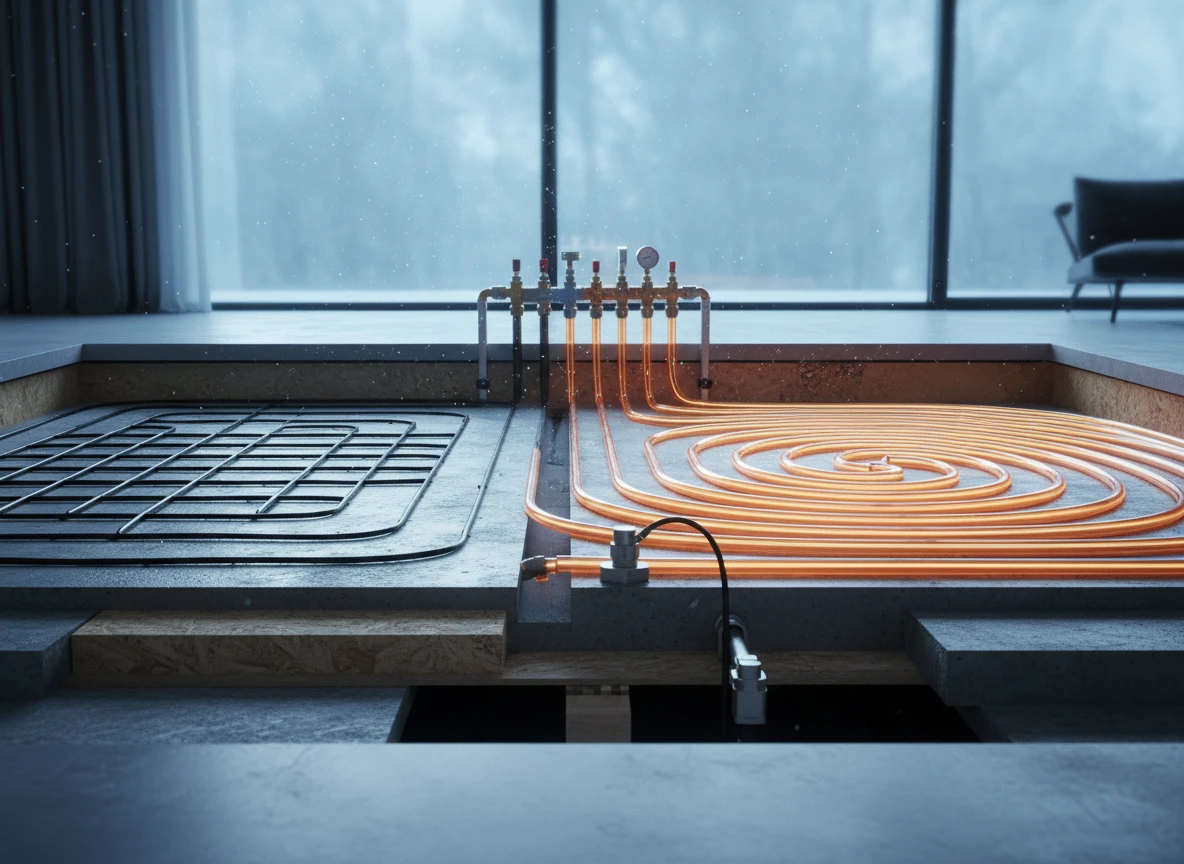
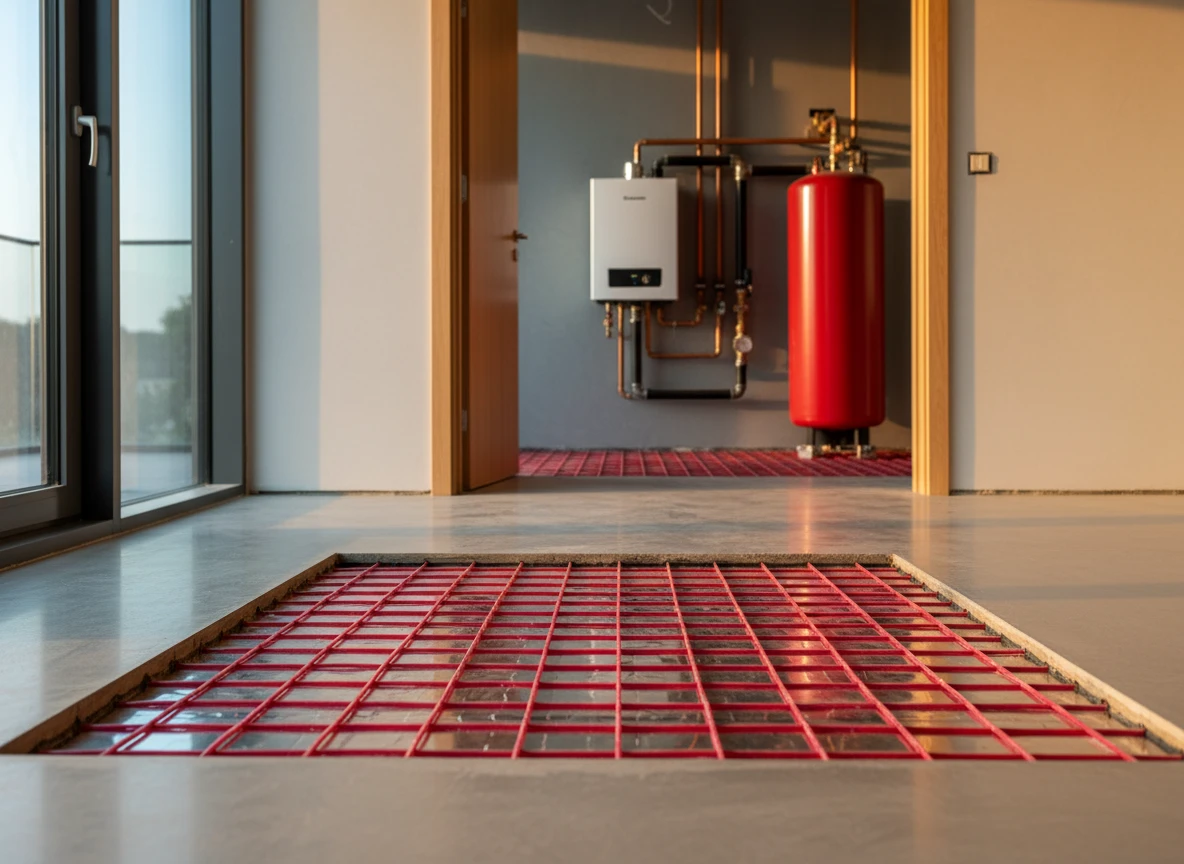
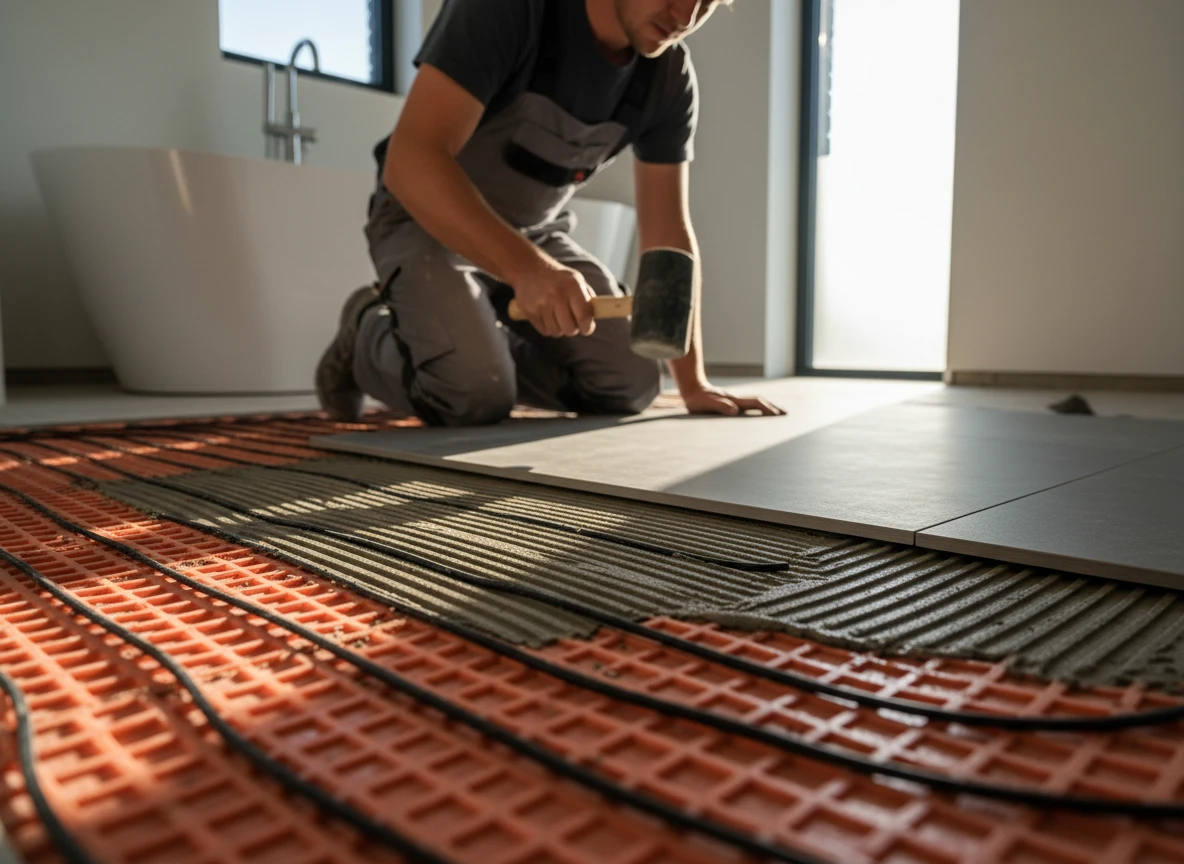
Uncoupling membranes change the physics entirely. By adding a specialized mat—similar to the engineered setups used in high-performance underfloor heating systems—you create an independent shear interface. The mat's dimpled geometry absorbs lateral movement right under the tile. Instead of transferring stress upward, the membrane neutralizes it. It is a simple mechanical separation. That is why specialized underfloor heating setups survive decades of heavy foot traffic and constant thermal cycling without cracking.
Here is how the two methods compare in real-world conditions:
- Direct-bond: Heating wires sit straight on the subfloor in thinset, offering zero lateral movement absorption.
- Membrane-isolated: A dedicated crack-isolation mat decouples the tile, absorbing subfloor movement before it reaches the surface.
- Thermal shock risk: Direct-bond setups risk localized stress fractures near high-heat zones during rapid temperature swings.
- Load distribution: Membrane systems distribute thermal energy evenly while shielding brittle ceramic from subfloor shifting.
Contractors often choose direct-bond methods to save a few dollars on materials. It is a short-sighted choice that ignores long-term structural liabilities. When designing reliable heating layouts, engineers know that skipping a decoupling layer is an open invitation to expensive callbacks. Substrates shift constantly due to humidity, seasonal weather, and building settling. A quality underfloor heating system accommodates these inevitable movements instead of fighting them.
Successful underfloor heating installations respect the physical properties of every material in the stack. An uncoupling membrane simply gives the tile room to breathe. If you are sourcing hardware for specialized thermal applications, working with experienced underfloor heating specialists ensures the final assembly handles thermal shock without cracking.
Where most installers get it wrong
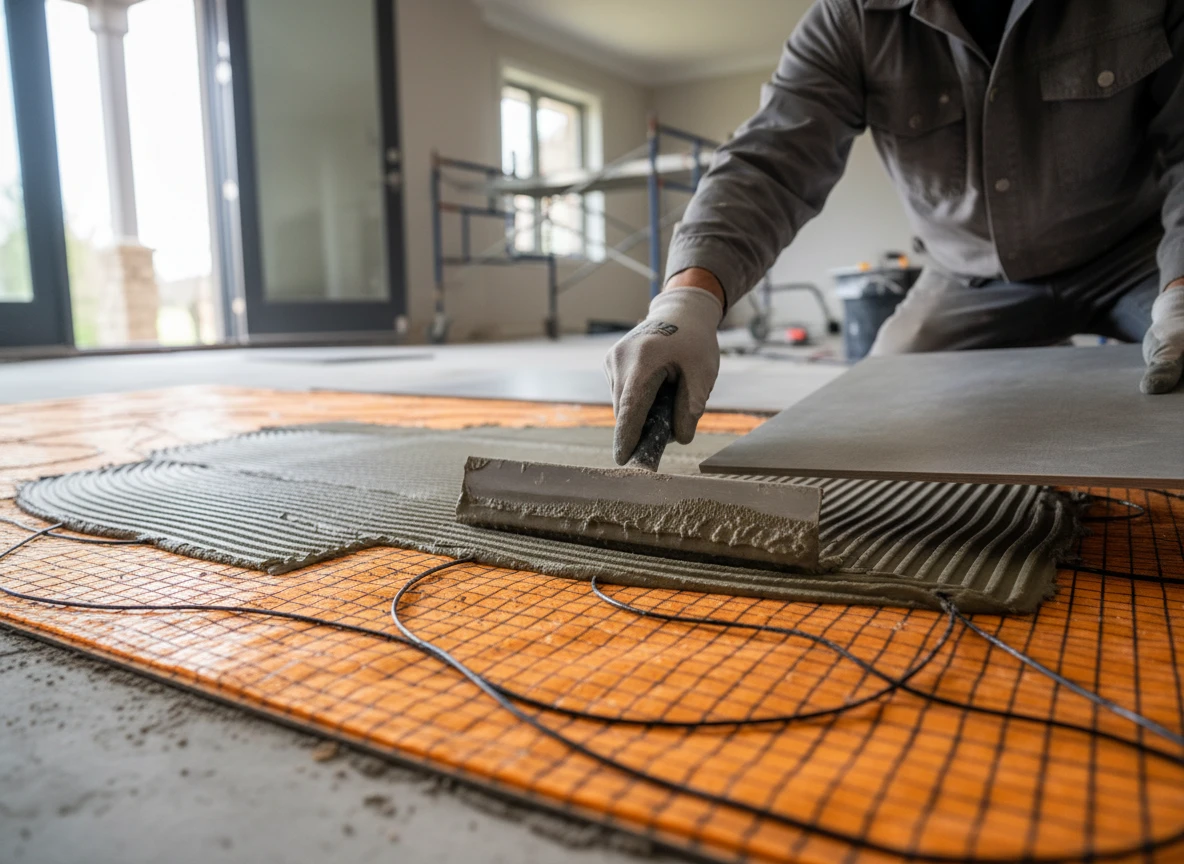
Even the best uncoupling membrane won't save your floor if the installer ignores basic physics. I see it all the time. Expensive tile jobs get ruined by three incredibly basic, preventable mistakes. These aren't minor oversights. They are fundamental errors that destroy floors.
The perimeter pinch
First, installers regularly skip perimeter expansion joints. When you turn on electric floor heating systems, the tiles expand. If the tile edge meets solid drywall or a skirting board with no buffer, the expanding floor has nowhere to go. It buckles. You must leave a clean gap around the entire room perimeter. Fill it with 100% silicone sealant, not rigid grout.
The hollow floor trap
Leaving thinset voids beneath tiles is a recipe for disaster. Air pockets under the tile act as thermal insulators. They trap heat and create hot spots. Worse, they offer zero support. When someone steps on a hollow tile resting over electric floor heating systems, it cracks. Installers must back-butter large-format tiles to get 100% coverage. No exceptions.
The premature power-up
Rushing to turn on the system is a classic rookie error. Thinset needs a full 28 days to cure completely. Some modern rapid-set mortars claim to cure faster, but rushing the process is a massive risk. If you turn on the underfloor heating system early, you bake the moisture right out of the mortar. The thinset loses its strength, turns to dust, and the bond fails completely.
Applying industrial precision
At Integro Process Heating Solutions, we know thermal dynamics require absolute precision. Whether we design an industrial drum heating chamber or configure complex domestic and commercial heating systems, thermal expansion is always the primary engineering challenge. Just as a heavy-duty heating chamber or rugged insulated heating jackets must allow for material movement, heated floors need room to breathe. Skip steps, and you get catastrophic structural failure. We use flexible heating jackets and other specialized thermal tools to manage heat in commercial environments, but the physics don't change on a tiled bathroom floor. Do not let your installer rush the curing phase.
Building a floor that stands the test of time
Avoiding those common installation missteps leaves you with one primary objective. You want to execute a sequence that guarantees structural integrity from the subfloor up. Doing this right requires methodical planning, patience during the curing phases, and respect for thermal mechanics. When you approach a project with precision, laying down reliable underfloor heating systems becomes a straightforward exercise in thermal engineering rather than a gamble.
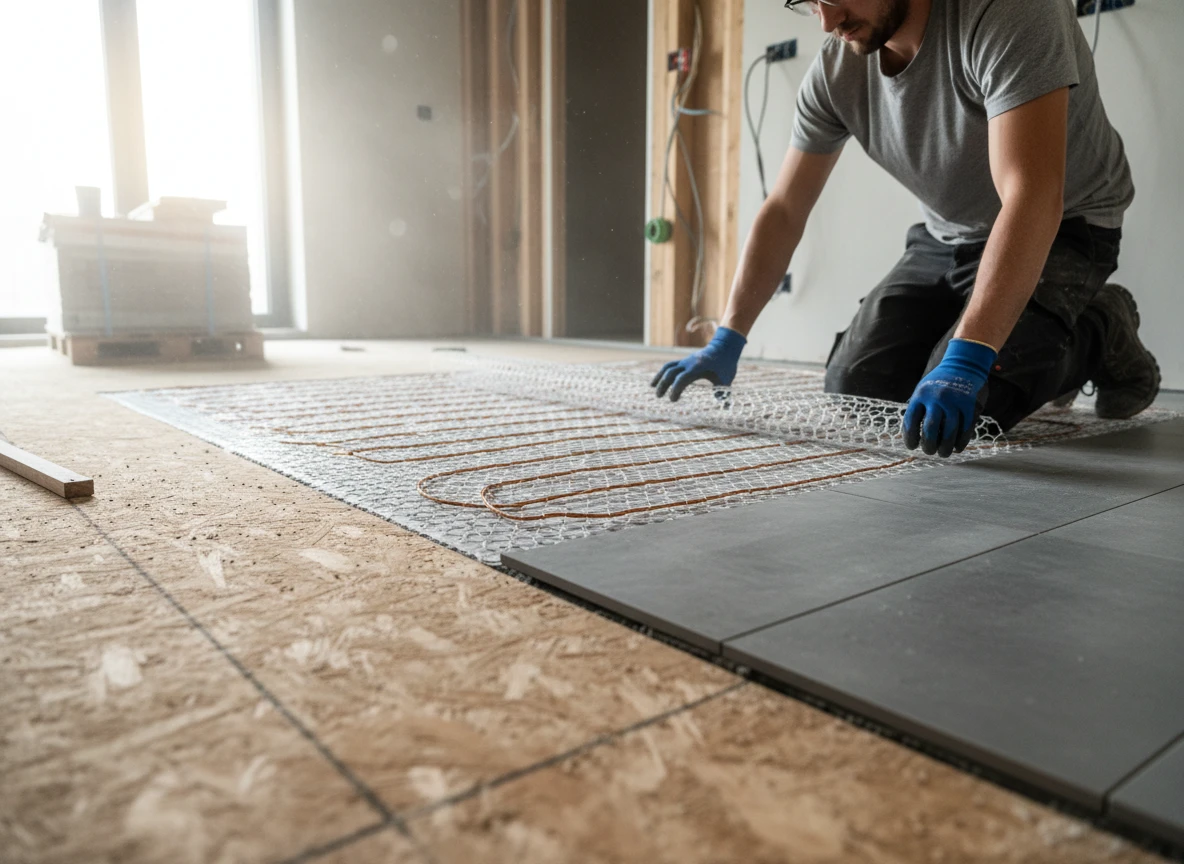
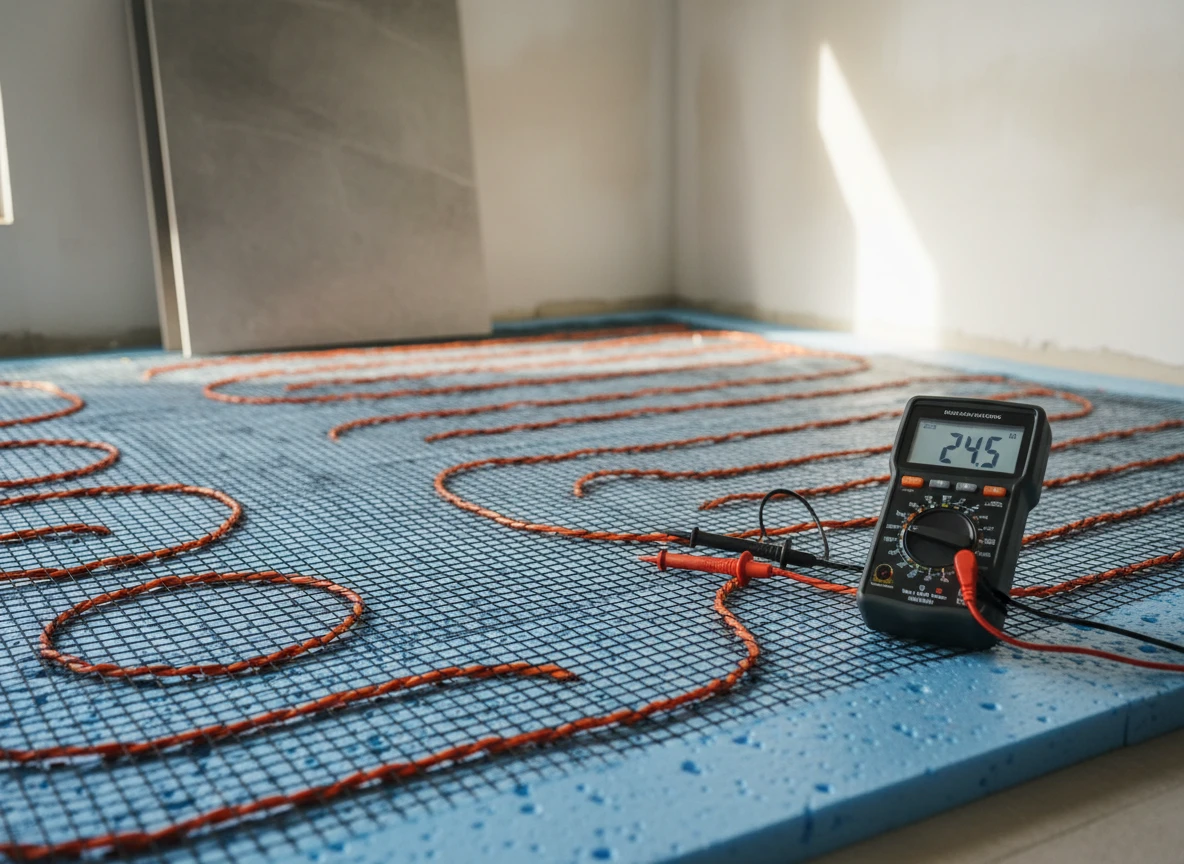
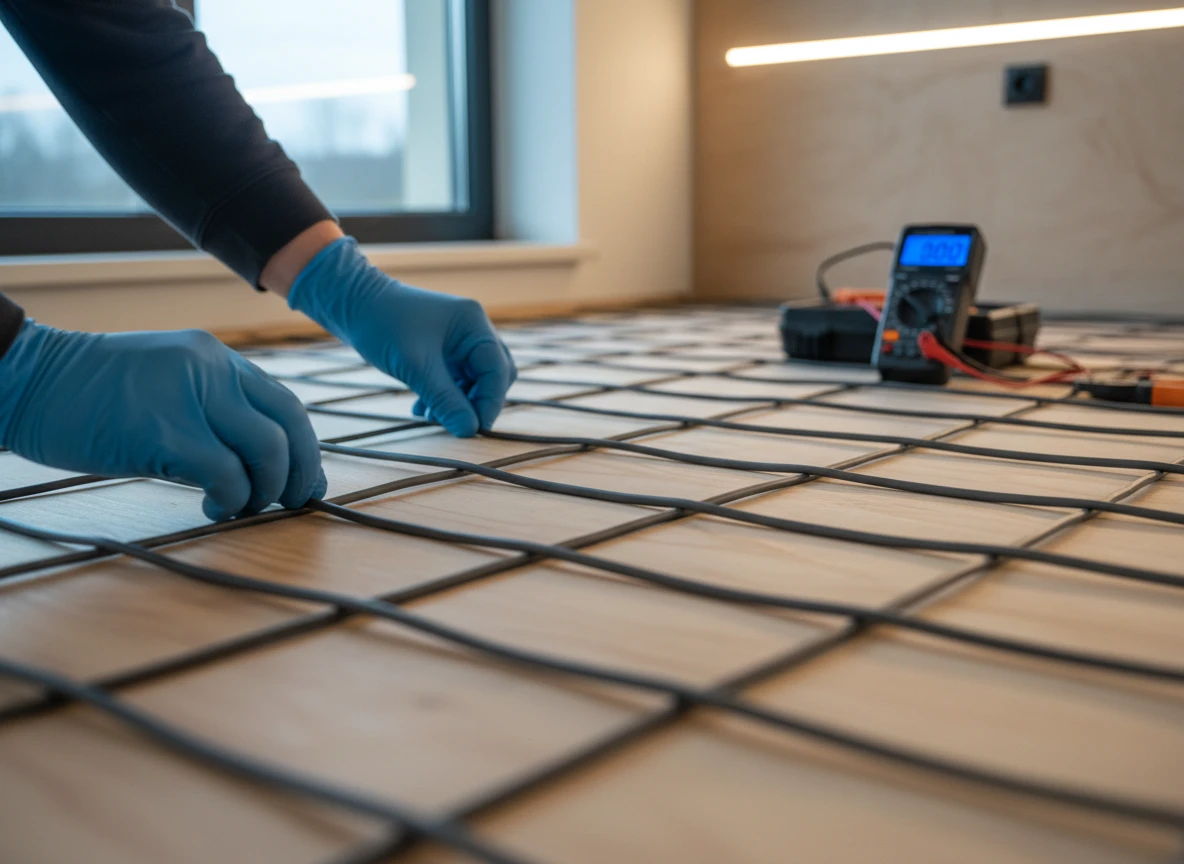
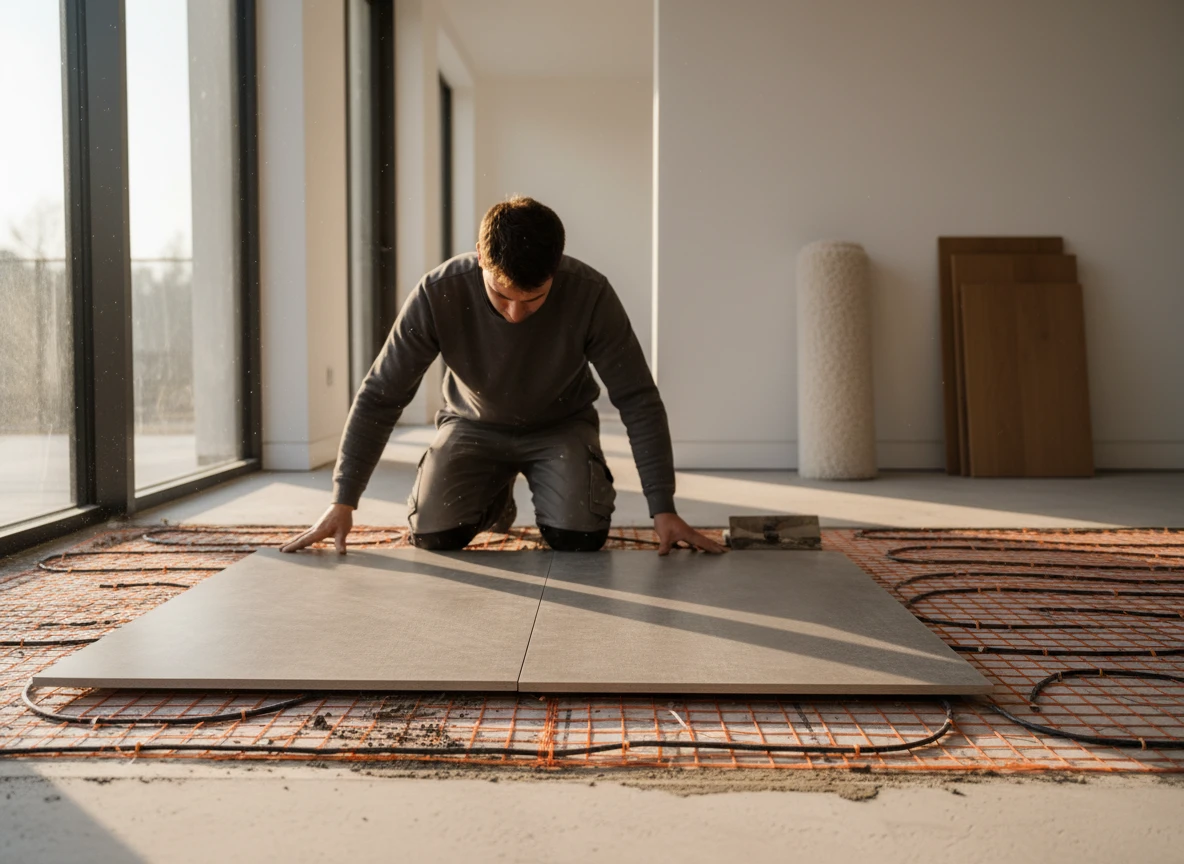
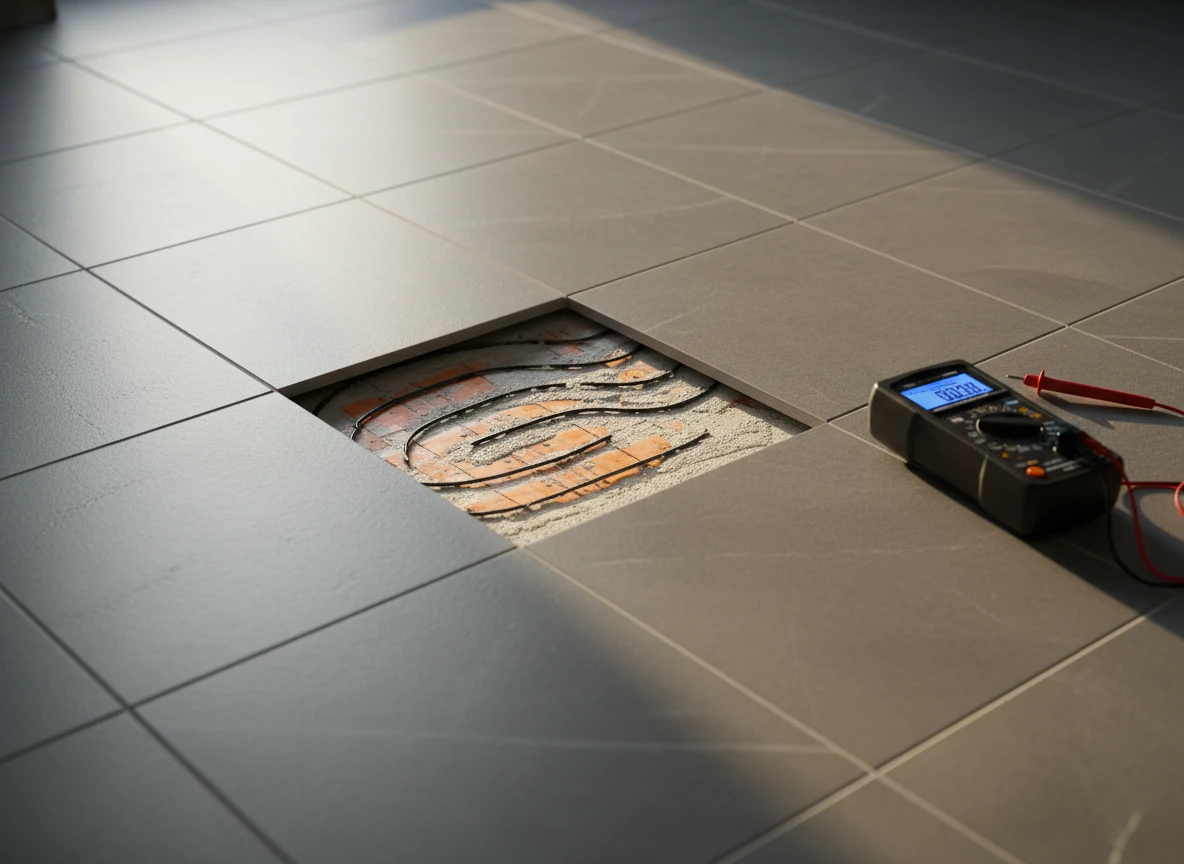
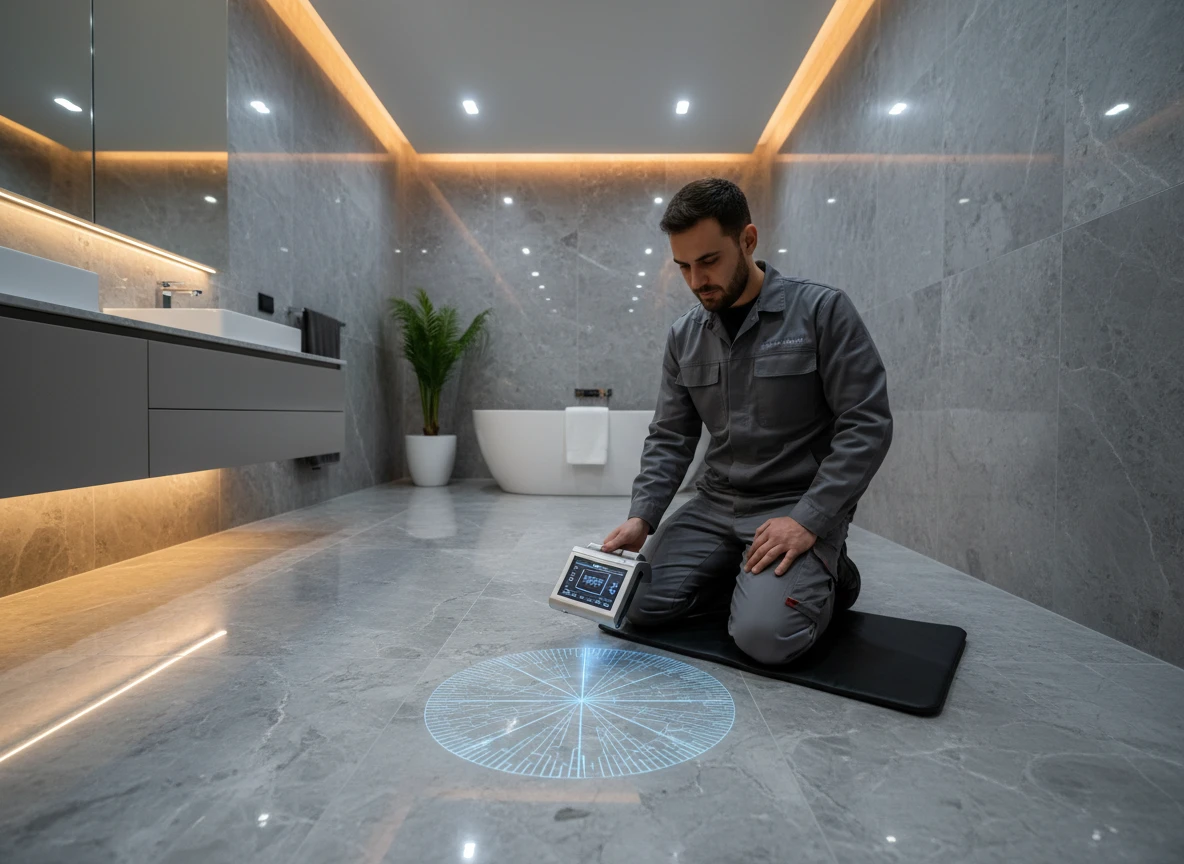
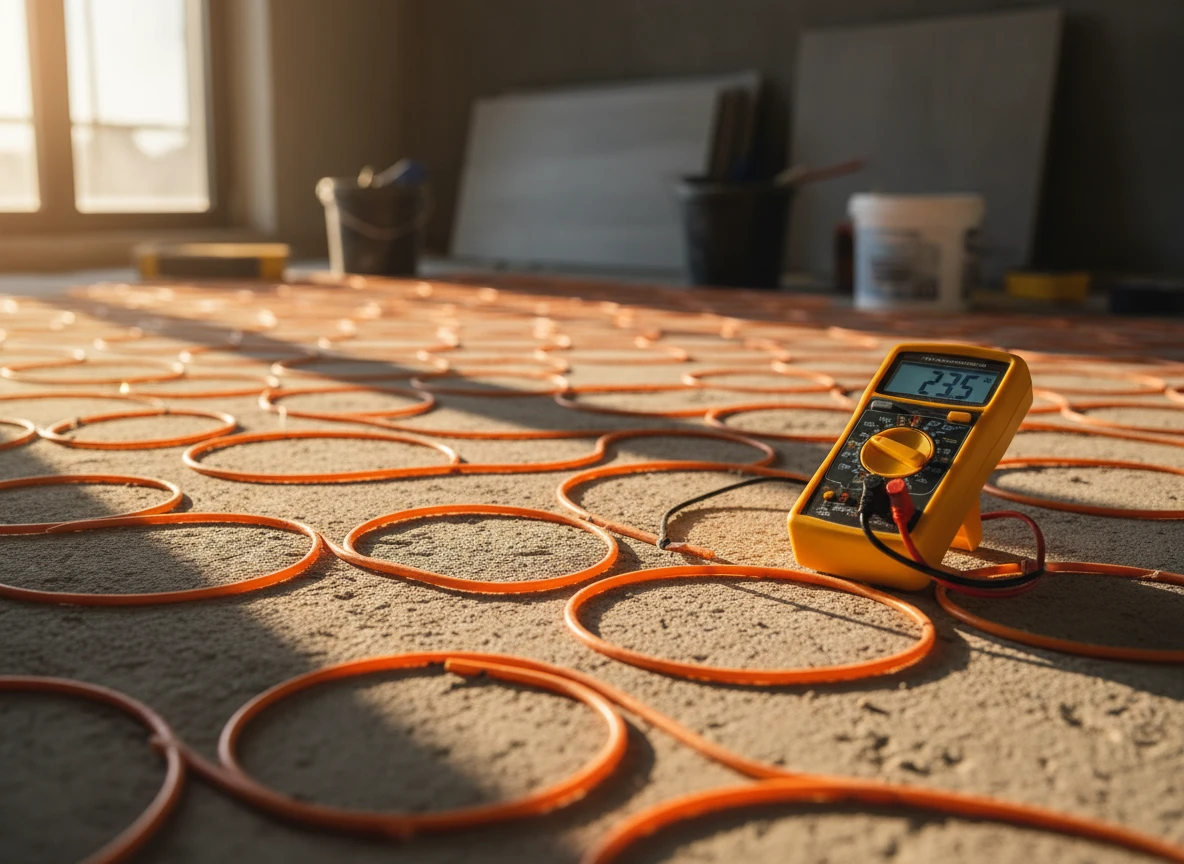
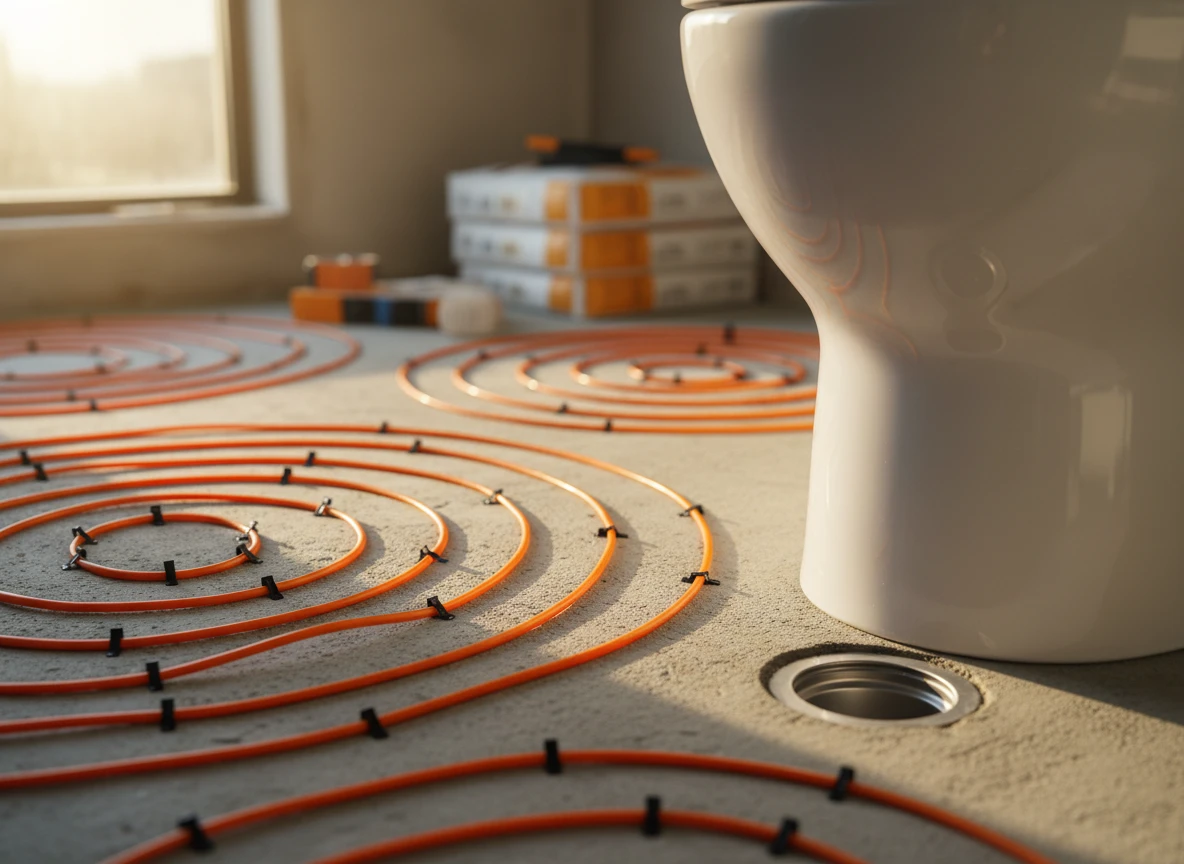
Start by verifying your substrate preparation. Ensure the plywood or concrete is completely clean, level, and structurally sound before unrolling any cables or decoupling membranes. Secure your uncoupling layer properly using modified thinset, and press the fleece backing down firmly to eliminate trapped air pockets. Once your heating wires are seated into the membrane channels, test the electrical resistance immediately. Do this before laying a single tile. If you skip this verification step, troubleshooting a break after the mortar cures is an expensive headache. When applying your tile adhesive, use the trowel notch size recommended by the manufacturer. This guarantees complete mortar coverage and prevents the hollow voids that lead to cracked ceramic under pressure.
Give the assembly time to cure naturally. Resist the urge to crank up the thermostat on day one. Let the tile and mortar cure for at least a week before introducing any gentle heat. Ramp the temperature up by a single degree each day. This cautious approach prevents thermal shock and allows the entire material matrix to adapt to the new temperature gradients. Much like specifying custom drum heating chambers or precision insulated heating jackets for industrial settings, success here relies entirely on respecting material limits and operational parameters.
Take your time with the installation process, and you'll enjoy a warm surface for decades without a single hairline crack appearing in your grout lines.
Tired of worrying about subfloor movement during your remodel? Integro Process Heating Solutions provides reliable engineered heating solutions that keep your tiles intact and your floors warm.
Frequently Asked Questions
Can electric floor heating reach high enough temperatures to crack ceramic tiles?
Not really, because standard underfloor heating systems operate at temperatures well below the thermal limits of ceramic and porcelain. The heat itself doesn't cause damage, but unmanaged movement in the subfloor certainly can.
Why do some tiles crack after installing an electric heating mat?
That usually happens because of differential movement between the subfloor and the rigid tile layer. When the subfloor shifts and there's no membrane to absorb that lateral stress, it transfers straight into the tile and causes cracks.
Is it worth paying extra for an uncoupling membrane?
Honestly, skipping it is a gamble most people regret. It isolates the tile from the subfloor, absorbing stress so you don't end up dealing with popped tiles and costly repairs a year down the road.
How soon after installation can I turn on my new floor heating system?
You'll want to wait at least a couple of weeks for the thinset mortar to cure fully. Crank it up too early, and you'll cause thermal shock that ruins the bond beneath your tiles.