- By Admin
- Integro
- The morning your freeze protection suddenly fails
- Why cold starts draw three times more power than standard wires
- The physical installation errors that invite moisture inside
- Why standard 5mA GFCI breakers are the wrong choice
- Diagnosing the system: stop guessing and start measuring
- Equipment that actually solves your nuisance tripping issues
- Maintaining trace lines before the first snowfall hits
- Frequently Asked Questions
The morning your freeze protection suddenly fails
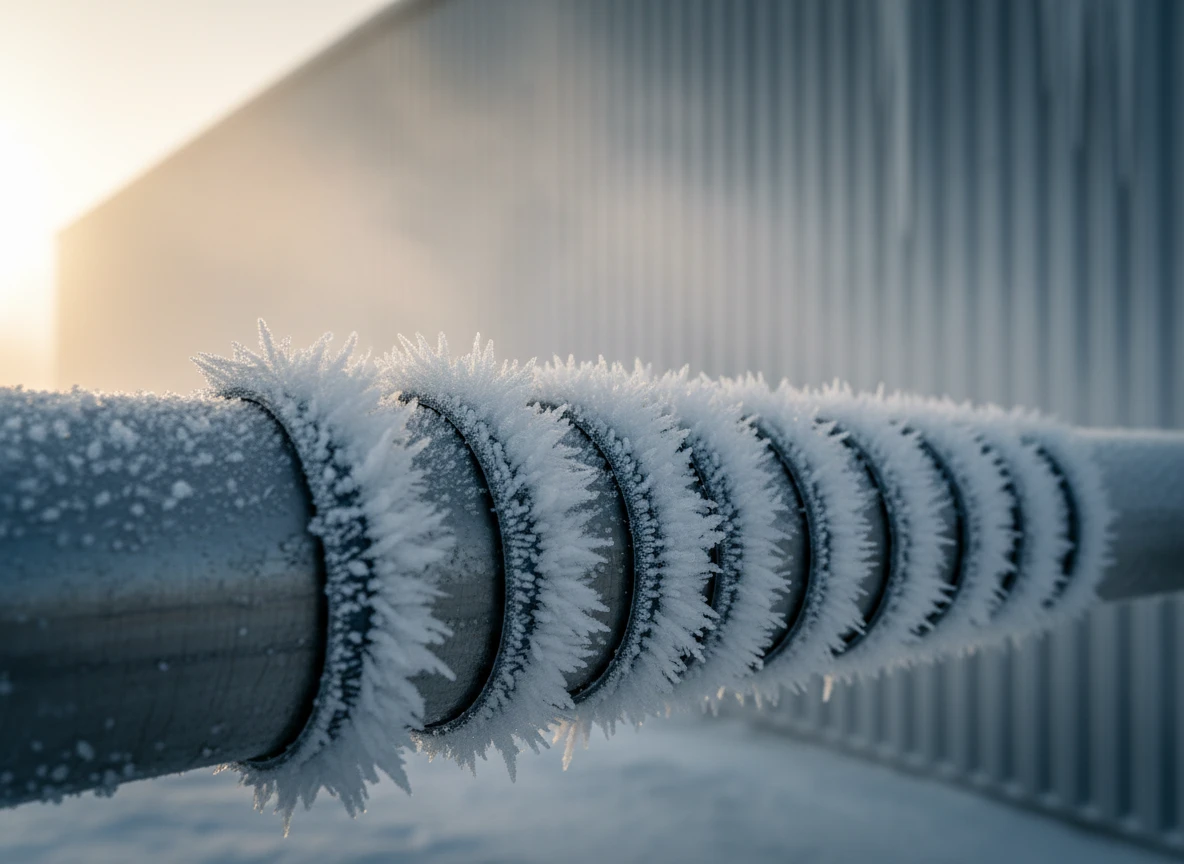
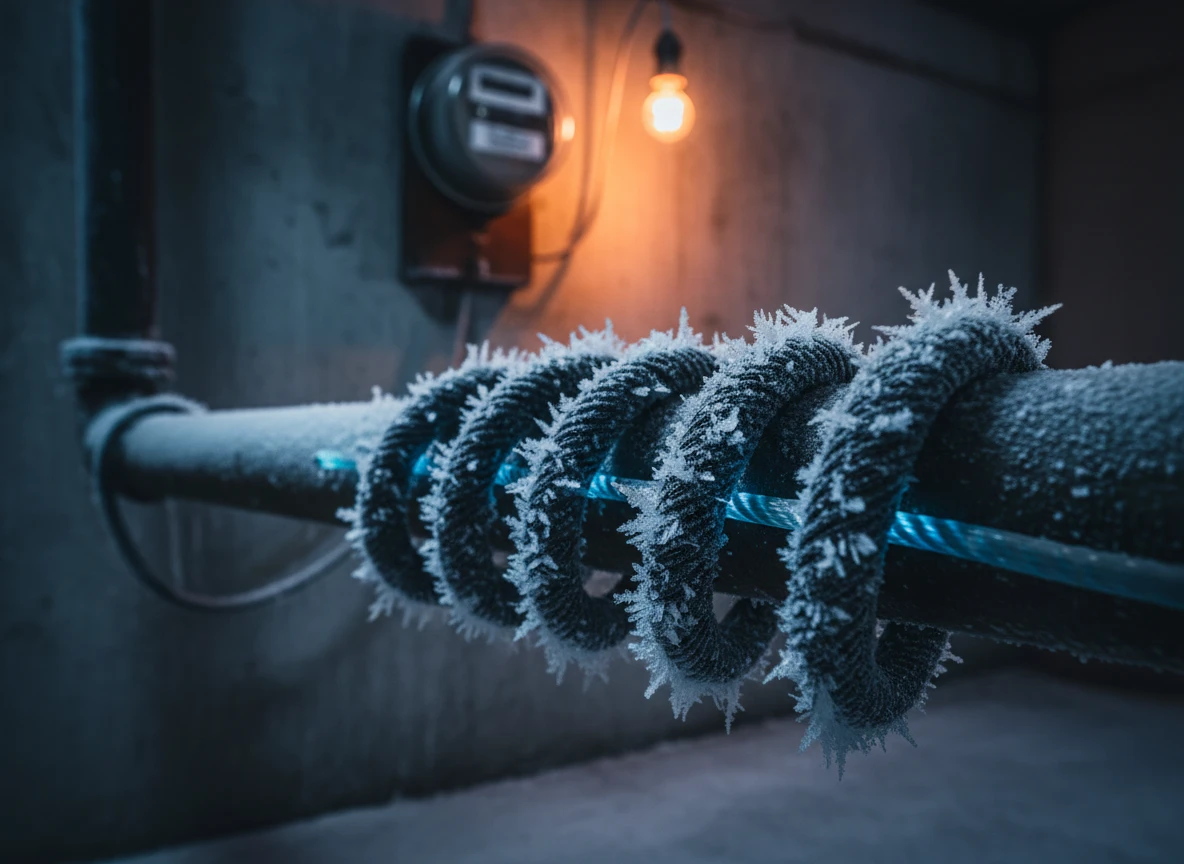
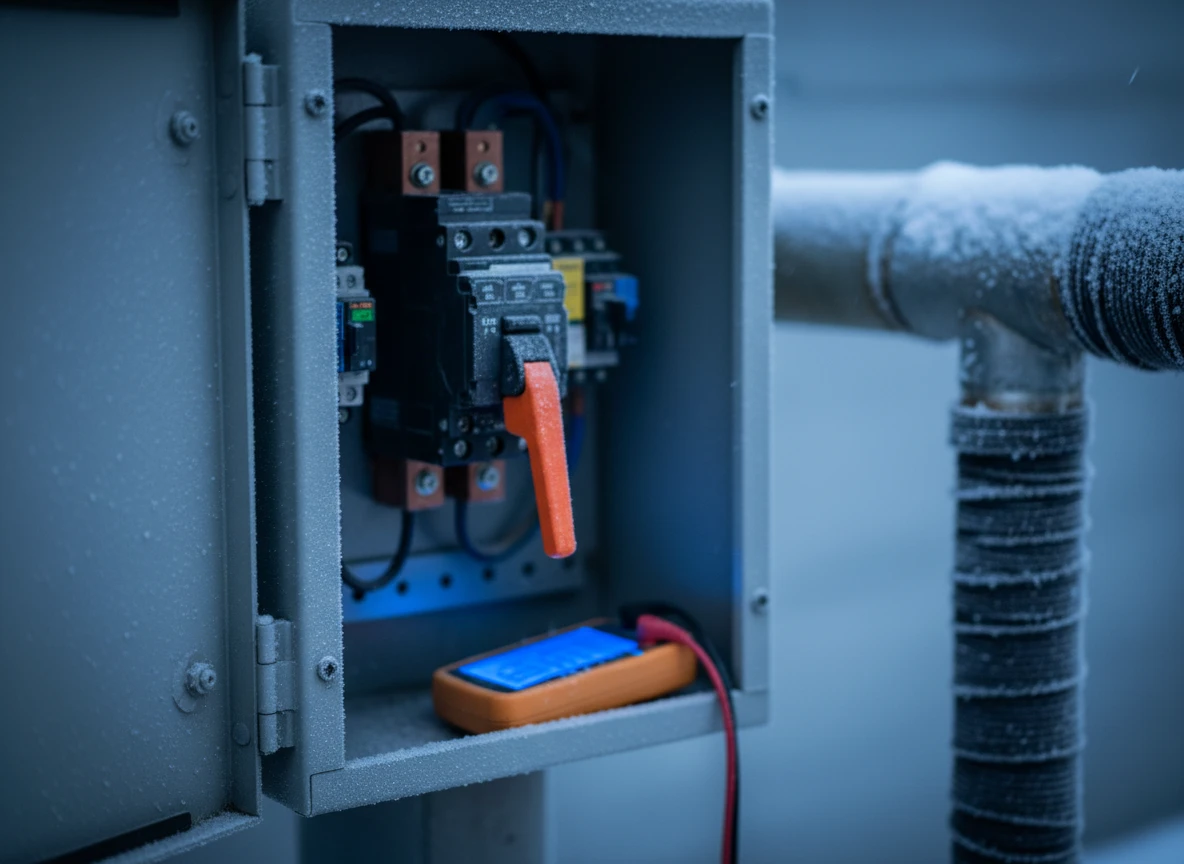
A frozen line on a freezing morning\n\nImagine walking into your facility on a -10°C Monday morning only to find a critical process line frozen solid because a breaker tripped at 3:00 AM. It's the ultimate irony of freeze protection: the colder it gets, the harder your system works, and the more likely it is to shut itself down. When your self regulating heat trace trips the circuit breaker, it's rarely a random fluke. But it is usually a predictable clash between electrical physics and environmental reality.\n\nStandard maintenance teams often react by repeatedly flipping the breaker back on. That's a dangerous game that can permanently ruin your cables. If a circuit trips immediately, you're likely dealing with physical damage, incorrect wiring, or a direct ground fault. If it trips after a few seconds or minutes, you're probably facing a massive cold-start inrush current that has overwhelmed your thermal-magnetic breaker. Sometimes, of course, the actual culprit is a mix of both, which makes diagnostics tricky.\n\nWe often find that system operators overlook the thermal-responsive behavior of these cables, assuming they behave like standard resistive loads. They don't. A cold startup can pull up to three times the normal operating current, instantly exposing any design shortcuts.\n\nAt Integro Process Heating Solutions, we see these failures constantly during sudden winter cold snaps. Resolving them requires a systematic roadmap, not guesswork. Just like isolating issues in complex electric floor heating systems, effective pipe freeze protection troubleshooting means isolating variables one by one. This guide provides a clear path to identify whether your heat tape troubleshooting efforts should focus on cold inrush currents, moisture ingress, or incorrect breaker sizing before the next freeze sets in.
Why cold starts draw three times more power than standard wires
The physics of the conductive polymer core
To understand why your breaker just tripped, we've got to look at how self regulating heating cables actually control their output. Unlike standard resistive wires that maintain a fixed resistance, these cables rely on a specialized semi-conductive polymer core mixed with conductive carbon particles.
When the ambient temperature drops, this polymer core physically contracts on a microscopic level. This contraction pulls the carbon particles closer together, creating thousands of new electrical pathways between the parallel bus wires. But this structural shift also dramatically lowers the core's electrical resistance. When you energize the system in this cold state, the ultra-low resistance allows a massive surge of electricity to flood the circuit.
This phenomenon creates intense cold start current spikes that can easily reach three times the cable's rated operating current. The current remains elevated until the cable's internal temperature begins to rise, causing the polymer to expand, separate the carbon chains, and naturally restrict the current flow. While these startup values are predictable in a lab, real-world field results vary based on local thermal conductivity and wind chill.
Why standard breakers can't handle the surge
Standard thermal-magnetic circuit breakers are designed to protect typical branch circuits, not dynamic thermal loads. They rely on two distinct mechanisms: a bi-metallic strip for slow thermal overloads and an electromagnetic coil for instantaneous short-circuit protection.
When that initial inrush spike hits, the electromagnetic coil in a standard breaker misinterprets the massive, rapid current draw as a dead short. It trips instantly to protect the system. That's why a system that works perfectly in mild autumn weather suddenly fails the moment the temperature drops. At Integro Process Heating Solutions, we frequently see operators try to solve this by upsizing the breaker, which is a dangerous code violation that risks damaging the cable jacket.
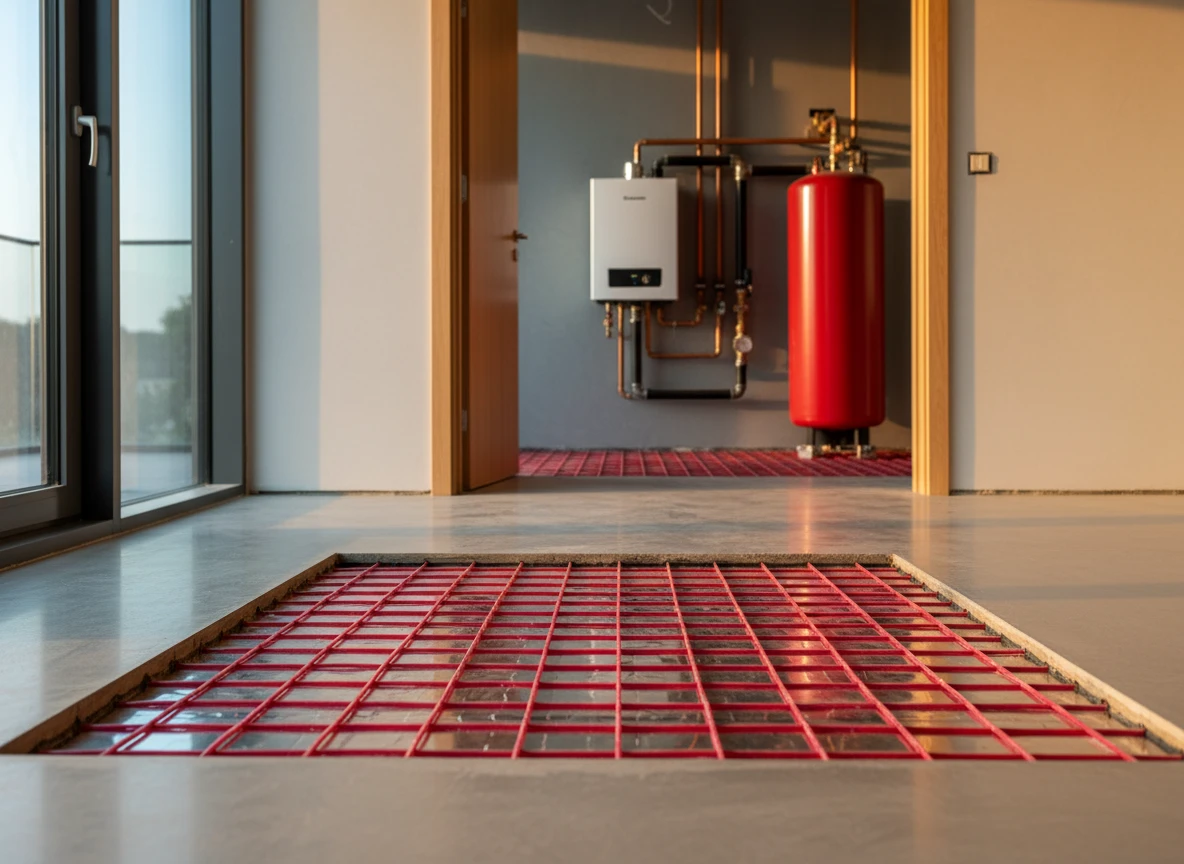
Instead, industrial systems require specialized curve-rated breakers that tolerate temporary startup surges without compromising ground-fault safety. While we apply similar thermal management principles to our industrial underfloor heating systems, freeze protection systems demand precise calibration to handle these startup dynamics. If you are managing complex thermal systems, understanding how to regulate these cycles is as vital as knowing when to run them, a concept we discuss further regarding continuous operation in other floor heating solutions.
The physical installation errors that invite moisture inside
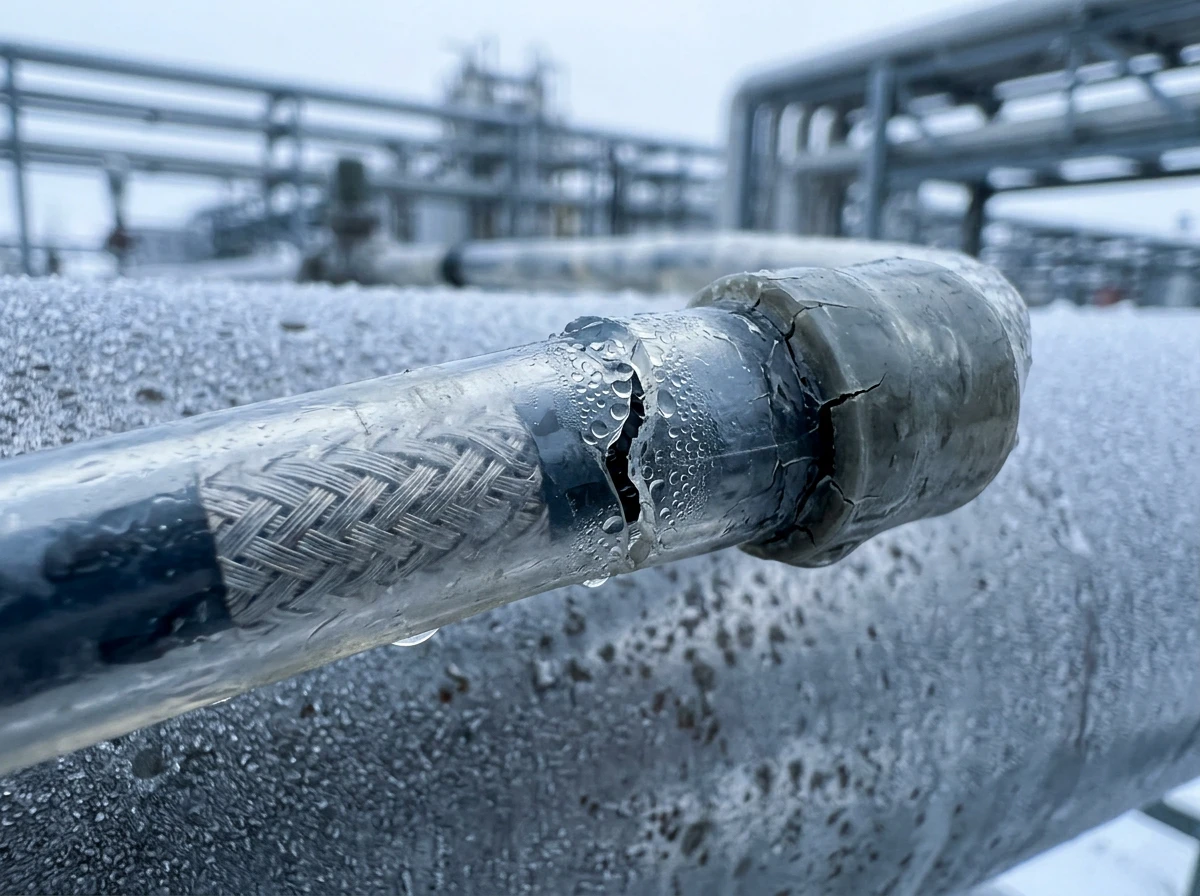
No self-regulating heat tape works if its outer jacket is torn. Once water gets past that protective plastic, trouble starts fast. The moisture bridges the gap between the conductive carbon polymer core and the copper grounding braid. This creates a low-resistance path, and your ground fault breaker trips instantly.
We see these installation mistakes all the time during winter service calls at Integro Process Heating Solutions. Usually, the damage is physical. Installers often drag the cable over the sharp metal edges of pipe hangers. This scrapes or cuts the outer jacket, leaving tiny slits where rain or melting ice can seep in. Bad splices and poorly sealed end terminations are just as common.
A bad splice is a leak waiting to happen. If you don't use the right heat-shrink kits, or if you don't apply enough heat to shrink them properly, water gets in. It is that simple. We always stress the need for perfect seals, whether you are running industrial heat trace lines or laying down underfloor heating systems in a new commercial building.
Some industrial setups use a drum heating chamber or flexible heating jackets to control temperatures. Pipe tracing is different. It depends entirely on a continuous, undamaged run of cable. If water gets into a splice, it creates a permanent carbon track that ruins the cable. It is a lot like the moisture issues we find in homes when installers lay down electric underfloor heating without a solid waterproofing membrane underneath.
Moisture ruins electrical insulation. We know this from working on everything from a heavy industrial heating chamber to simple home heating setups. For instance, running an ibc heating jacket or insulated heating jackets safely requires dry, tight connections. Heat trace is no different. If you leave an end-seal open or exposed to the weather during installation, water will wick right up the copper braid.
Here is the tricky part: a standard multimeter might not show this fault. You need a megger test to find the leakage path before the breaker trips. Whether you buy from underfloor heating system suppliers or install self-regulating tape on outdoor pipes yourself, never skip that final insulation resistance test. It is simply not worth the risk.
Why standard 5mA GFCI breakers are the wrong choice
National Electrical Code (NEC) Section 427.22 explicitly mandates 30mA ground fault protection for electric heating cables, yet field technicians regularly wire self regulating heat trace into standard 5mA residential GFCI breakers. The math behind this mistake is unforgiving. A standard Class A GFCI is calibrated to trip between 4mA and 6mA to protect human life. However, a perfectly installed 100-foot run of self-regulating cable naturally generates up to 2.5mA of capacitive leakage current directly through its polymer core to the grounding braid under normal, dry conditions.
When temperatures plummet and the cable cold-starts, or when atmospheric moisture accumulates, this baseline leakage easily surges past 5mA. This isn't a system failure; it is a normal physical reaction of capacitive coupling over long runs. While residential indoor systems, such as specialized electric floor heating setups, demand 5mA protection due to direct human contact risks, outdoor freeze protection circuits operate under entirely different safety parameters.
To prevent constant downtime, we design systems at Integro Process Heating Solutions by specifying 30mA Ground Fault Equipment Protection (GFEP) devices. This 30mA threshold is engineered to ignore harmless capacitive leakage while remaining sensitive enough to prevent catastrophic arcing and electrical fires. Admittedly, a 30mA breaker won't protect you from a minor shock if you touch a bare conductor, but equipment protection, not personnel safety, is the primary goal here.
Using a 5mA breaker for industrial or commercial heat tracing guarantees nuisance trips on cold, damp mornings. If you're dealing with a circuit that trips instantly but shows clean resistance readings, check the breaker panel. If you see a Class A or 5mA rating, the protective device itself is the mismatch. Upgrading to a proper GFEP breaker ensures your domestic and commercial heating setups remain functional when the deep freeze actually hits.
Diagnosing the system: stop guessing and start measuring
Stop guessing and start measuring
Stop guessing. Flipping the breaker back on and hoping for the best is a waste of time. The way that breaker trips tells you exactly where the fault lies if you actually look at the data.
The immediate trip: dead short or ground fault
If the breaker trips the millisecond you flip the switch, you have a hard short or a massive ground fault. Do not turn it back on. You will only damage the equipment.
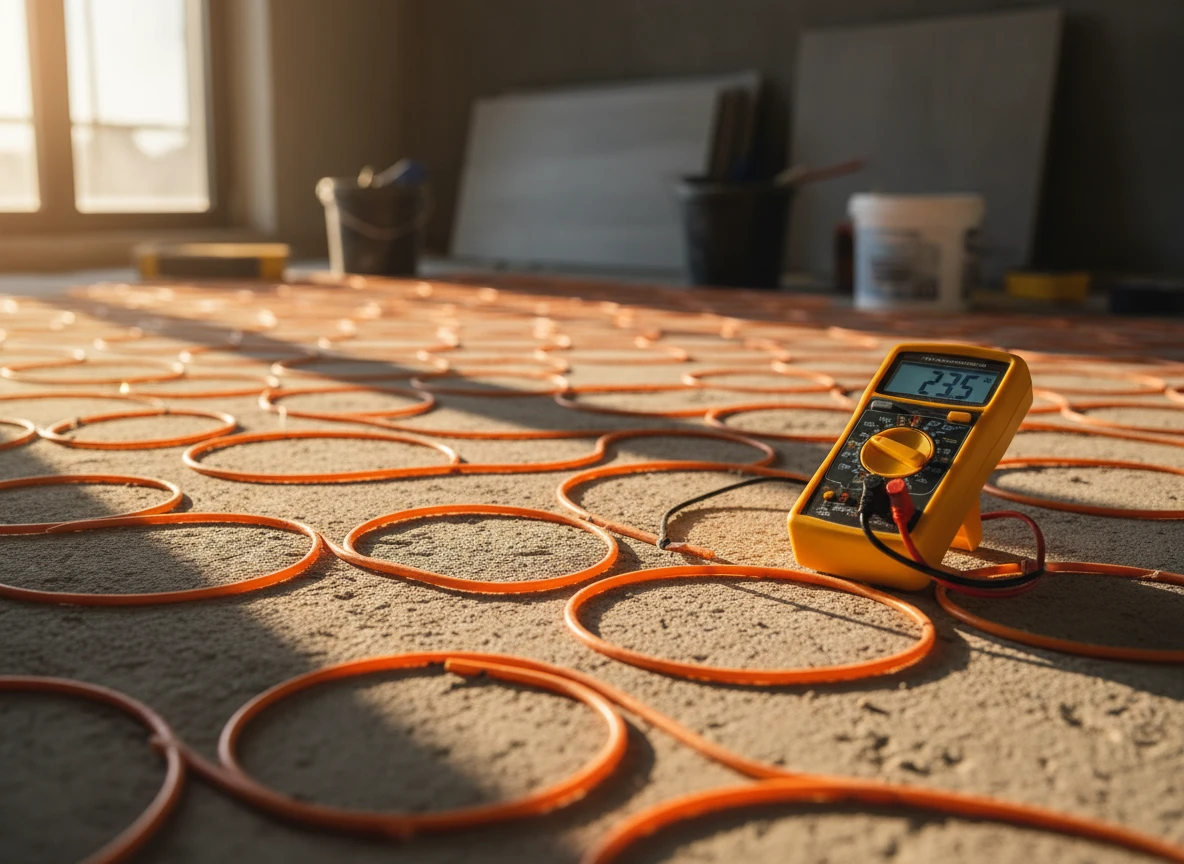
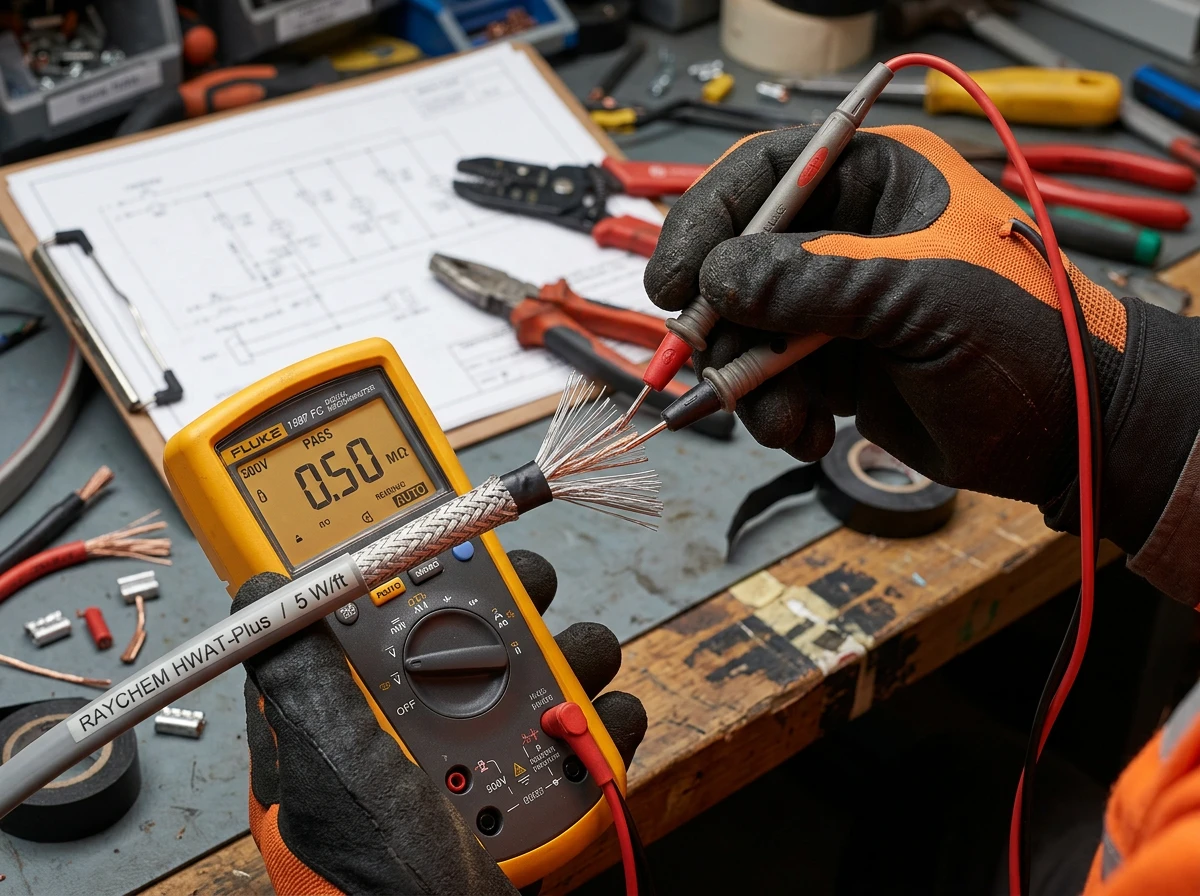
First, disconnect the power. Grab a 500 VDC megger and test the insulation resistance between the heating bus wires and the metallic ground braid. A megger test is highly reliable, but keep in mind it won't point to the exact physical spot of the leak.
Usually, the culprit is water inside the end seal, a crushed cable jacket, or a simple wiring error inside the junction box. Field-routed setups are notorious for this. You don't see these issues with self-contained insulated heating jackets or rugged drum heating jackets because they use factory-sealed terminations.
The delayed trip: overload and inrush
What if the breaker holds for a few seconds or minutes before it pops? That is a thermal overload, not a direct short.
To diagnose this, clamp an ammeter onto the circuit during startup and watch the current draw decay.
The issue here is cold-start inrush current. When you run self-regulating heating cables inside underfloor heating systems, the current starts incredibly high and slowly drops as the cable warms up. If that initial spike exceeds your breaker's rating, your circuit run is simply too long. You can't cheat physics.
At Integro Process Heating Solutions, we don't guess—we calculate these electrical loads mathematically. Designing industrial, domestic, or commercial heating layouts requires exact startup calculations. It's just like configuring hydronic radiant floor heating systems to prevent thermal shock; self-regulating trace systems demand tight zone planning. If you run too much cable on a single breaker, a cold-weather surge will trip even a 30mA equipment protection device. Every single time.
When you deploy custom setups like an ibc heating jacket or a heavy-duty heating chamber, we engineer the electrical loads at the factory. But when you cut trace cables in the field, that engineering responsibility falls squarely on your shoulders. Stop resetting the breaker. Use these measurements to find a permanent fix. If you're stuck, talk to our underfloor heating specialists.
Equipment that actually solves your nuisance tripping issues
Putting the right tools in your diagnostic kit
So, you've isolated the circuit and know whether you're dealing with an immediate short or a delayed overload. What next? You can't fix what you can't accurately measure, and a standard digital multimeter just won't cut it for serious heat tape troubleshooting.
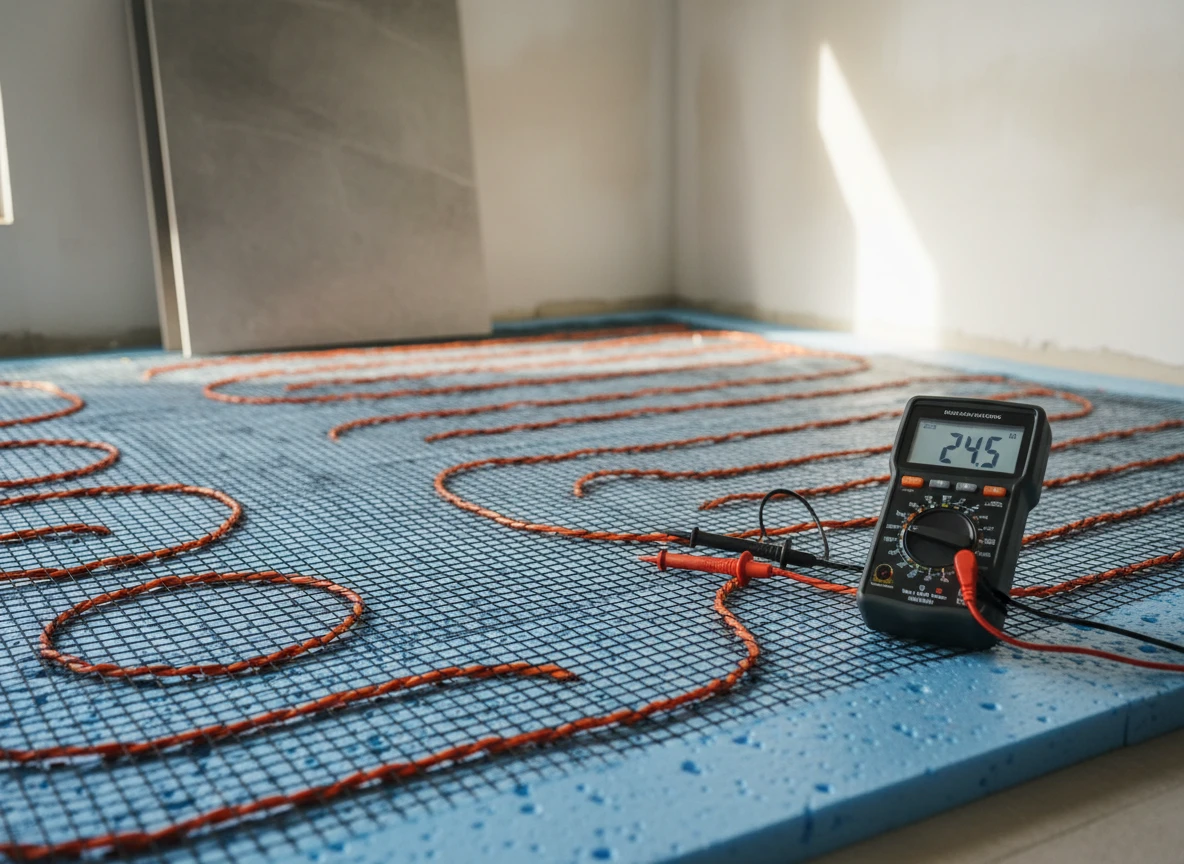
First, throw away the idea that a basic ohm check on your multimeter is enough. You need a 500 VDC megohmmeter (often called a megger). Why? A standard multimeter only uses a 9V battery, which is far too weak to detect microscopic cracks in the cable jacket or tiny traces of moisture. A megger pushes 500 to 1000 volts of direct current through the insulation, forcing any hidden ground faults to show themselves. While a megger won't magically repair physical cable damage on its own, it gives you the exact data needed to pinpoint the failure. Just as you would test electric underfloor heating cables before burying them, you must test your self regulating heat tape at high voltage to ensure its integrity.
Next, look at your electrical panel. If you're running heavy-duty freeze protection or managing complex domestic and commercial heating setups, swap out those hyper-sensitive 5mA GFCI breakers. Replace them with 30mA Equipment Protection Devices (EPDs). But don't stop there. You should also source Type D or high-inrush curve-rated circuit breakers. These are specifically engineered to ride out that massive initial cold startup current without tripping, while still protecting your facility from sustained overloads.
Sometimes, physical layout changes are your only real cure. If you find your circuit lengths simply exceed manufacturer limits, you might need to split the runs into smaller zones. At Integro Process Heating Solutions, we often find that treating these systems with the same precision as a specialized underfloor heating system saves thousands in emergency winter maintenance.
Maintaining trace lines before the first snowfall hits
Pre-season protocols: verifying system integrity before the freeze
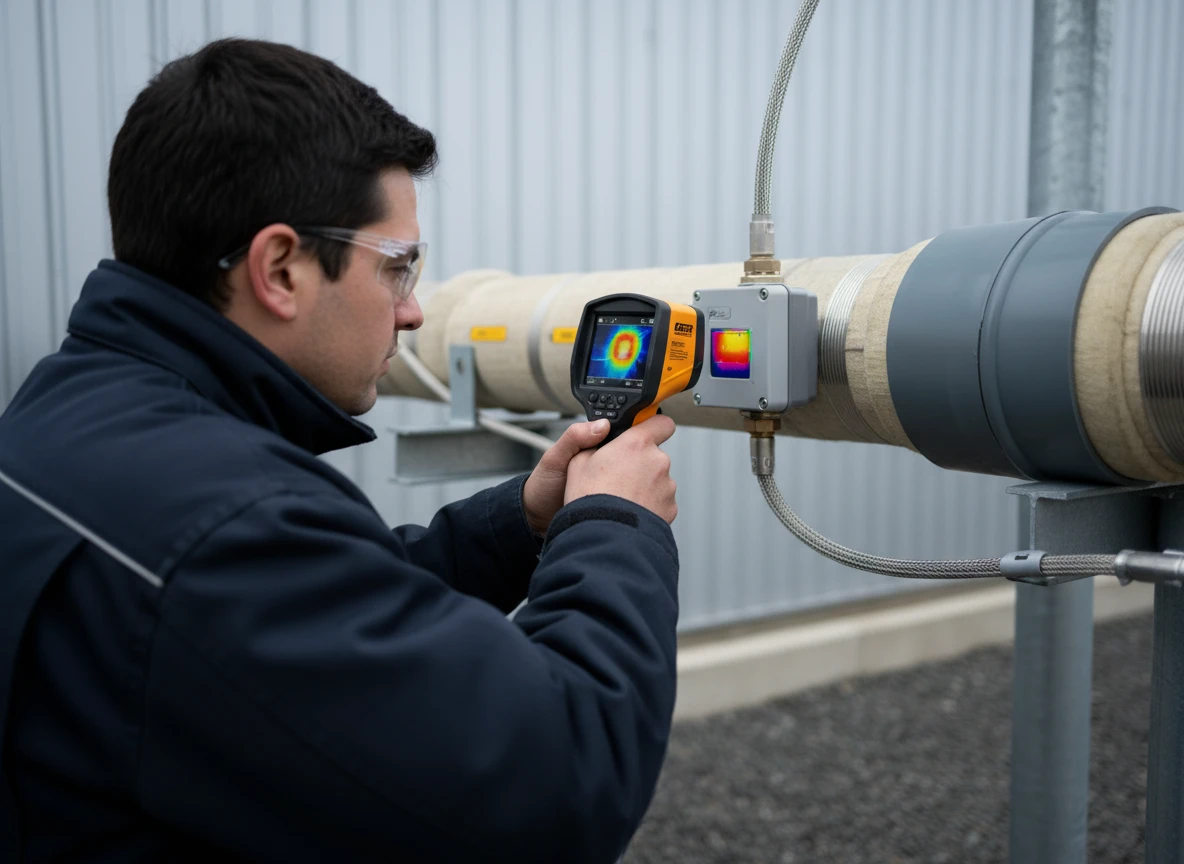
Waiting until the first hard freeze to test your self regulating heat trace system is a recipe for operational failure. At Integro Process Heating Solutions, we recommend running diagnostic checks during the late summer. We've seen that physical degradation of the thermal cladding is the most common hidden failure point. Wet or compressed insulation (often caused by maintenance crews stepping on pipes) destroys thermal efficiency, forcing the cable to run continuously at maximum output. If water has penetrated, it'll eventually find a path into the connection kits.
So, how do we address the natural aging of the semi-conductive polymer core? Over time, the carbon paths within older cables degrade, causing the nominal resistance to increase. This aging process means an old cable might not produce enough thermal energy to provide reliable pipe freeze protection. And that's why we perform a 500 VDC megohmmeter insulation resistance test annually. But remember, a standard continuity test won't reveal microscopic jacket cracks. If you're managing complex industrial setups alongside standard pipes, you might also have flexible heating jackets requiring similar dielectric testing. For the heat trace, your insulation resistance must exceed 20 megohms to be safe.
Aging cables also exhibit a shifting inrush profile. As the polymer matrix loses its elasticity, cold-start current spikes can become unpredictable. This doesn't always hold true for every brand, but we've observed that ten-year-old cables often pull higher startup currents than original datasheets indicate. If your circuit is close to the maximum allowed run length, this aging factor will eventually trigger the 30mA protection breaker. Replacing sections that show a significant drop in power output before the snow falls is the only way to avoid emergency winter repairs. Keep a close eye on your ammeter readings during your autumn test runs.
If nuisance breaker trips are frustrating your operations, Integro Process Heating Solutions delivers engineered heating solutions and custom industrial process heating systems that eliminate downtime.
Frequently Asked Questions
Why does my self-regulating heat trace only trip the breaker when it gets really cold?
That's due to cold start current spikes. When temperatures drop, the carbon polymer core contracts and creates a lower resistance path, which draws significantly more amperage than normal operating conditions and frequently overloads standard breakers.
Can I use a standard residential 5mA GFCI on my heat tape circuit?
Honestly, that's a recipe for constant nuisance tripping. Self-regulating cables naturally have some capacitive leakage, so electrical codes usually require a 30mA Equipment Protection Device (EPD) instead.
How can I tell if moisture has ruined my self-regulating heating cables?
A standard multimeter won't cut it for this. You'll need a 500 VDC insulation resistance megger test to spot microscopic moisture tracking through the outer jacket or failing end seals.
What causes an immediate breaker trip the moment I turn the system on?
Immediate trips usually point to a hard short, pinched cable, or miswired junction boxes. If it doesn't wait for a thermal cycle, you're dealing with a physical electrical fault.