- By Admin
- Integro
The myth of the smart heating wire
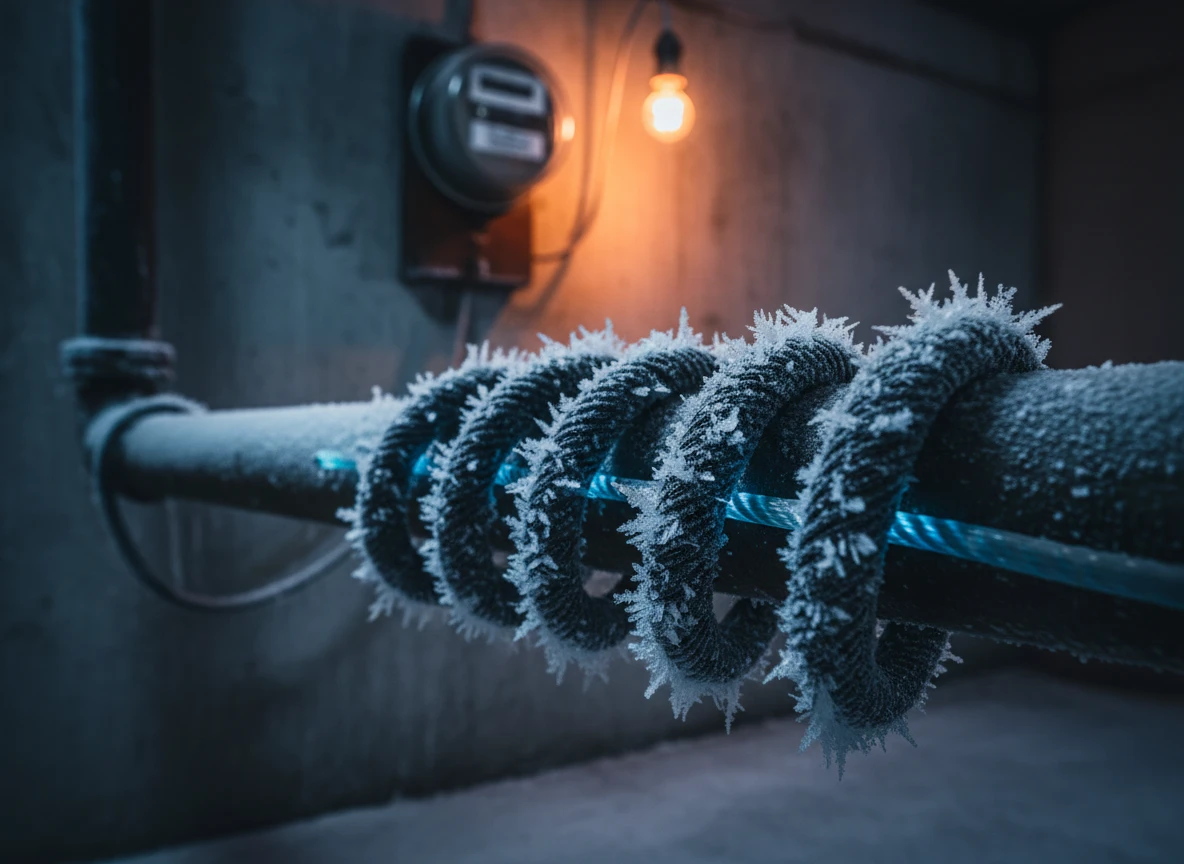
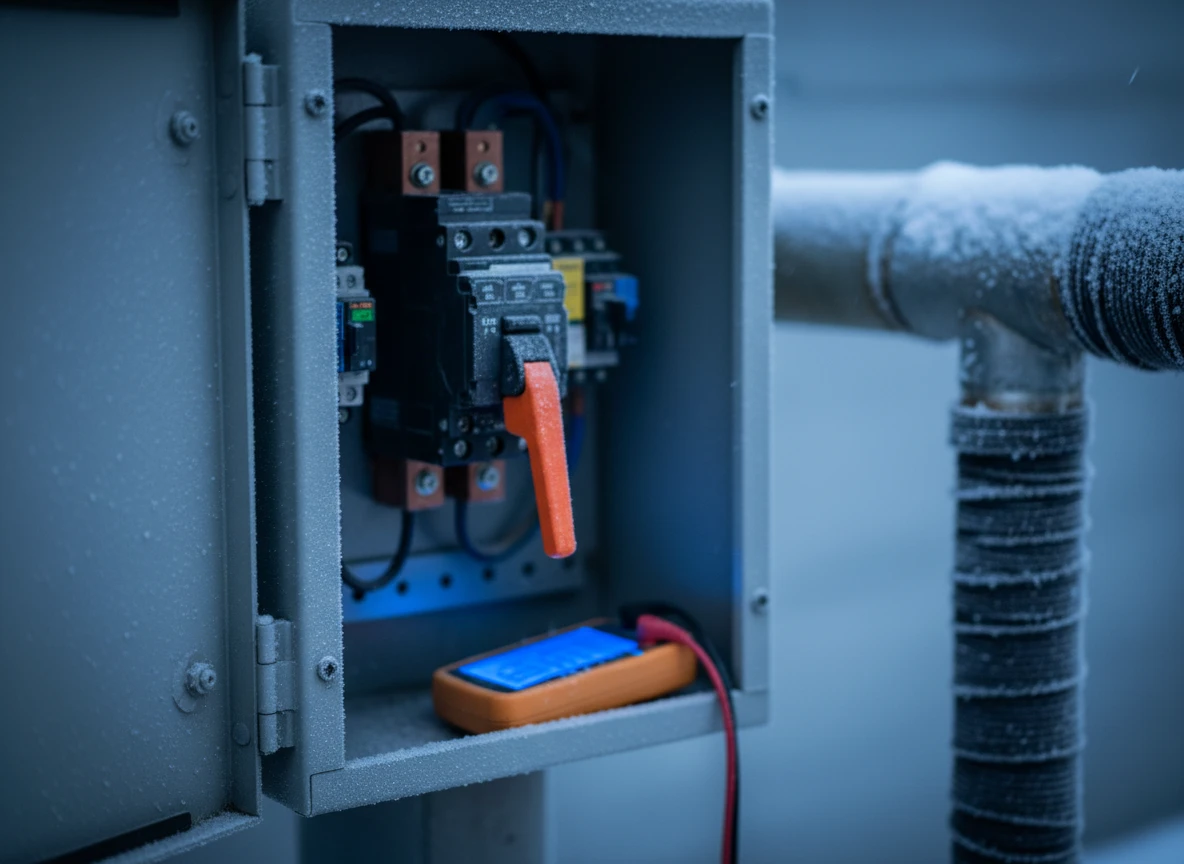
You walk into your facility on a sub-zero morning, confident your lines are safe, only to find a critical pipe frozen solid. You check the breaker, and yes, your high-end self regulating heat trace is drawing power. So why did it fail? The truth is, the term "self-regulating" has created a dangerous industry myth that these cables are smart enough to manage themselves.
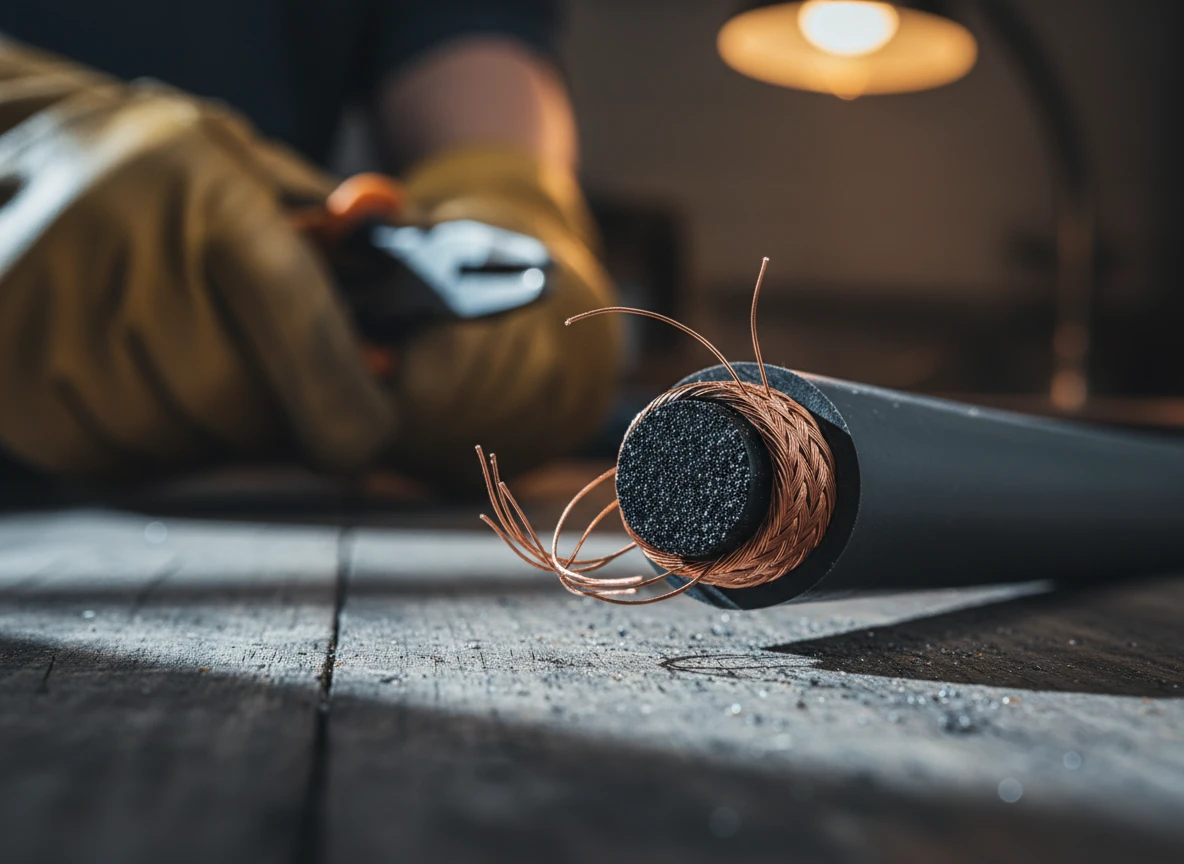
In reality, the cable doesn't think. It relies on a conductive polymer core that expands as it warms, which naturally limits the electrical path and reduces output. It's a physical self-limiting mechanism designed to prevent the cable from burning itself out if it overlaps. But it doesn't measure ambient air or fluid temperature, and it won't magically adjust to sudden thermal crashes on its own.
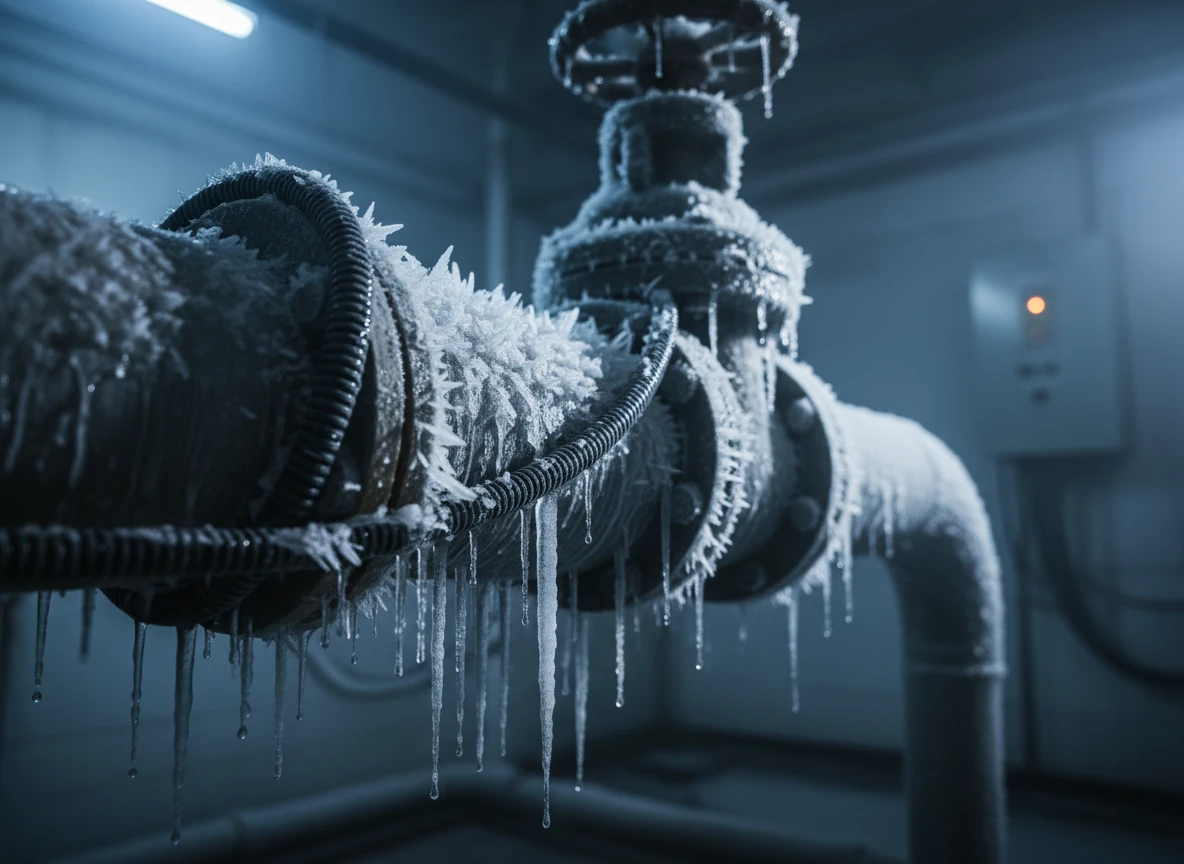
If you install self regulating heat tape on an exposed water line without thick insulation, you're asking for trouble. When heavy wind chill strikes, the rate of heat loss quickly outpaces the cable's maximum wattage output. Without a physical thermal barrier like closed-cell foam, the cold air strips away heat faster than the conductive core can generate it. Result? A localized ice block, even while the cable draws maximum power.
Another common misstep is sensor placement. If you put your temperature sensor in a relatively warm micro-zone, you trick the controller into cutting power while distant sections of the run remain completely unprotected. This is why a methodical thermal design matters.
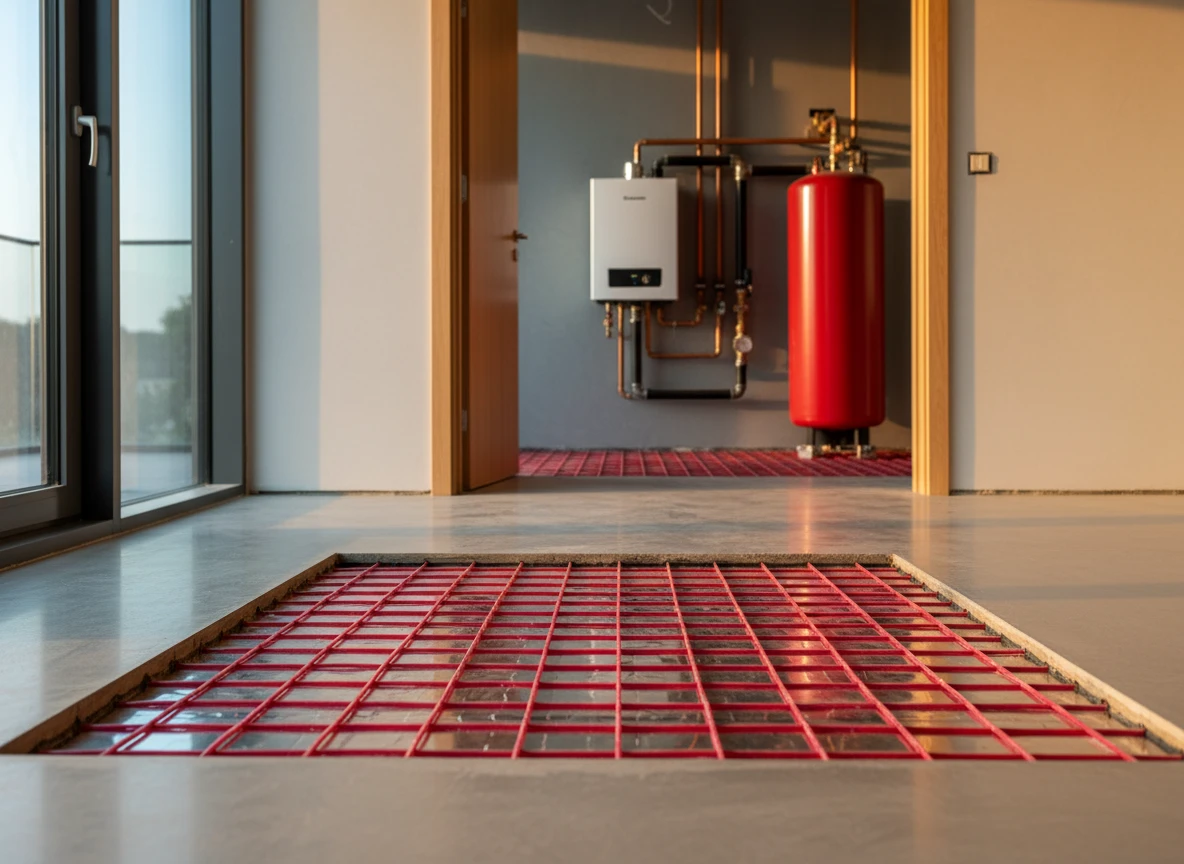
Here at Integro Process Heating Solutions, we design systems that treat heat tracing as a complete thermal envelope. Whether you are dealing with industrial piping or perimeter zones in an underfloor heating system, you still need external controllers and proper insulation. Relying solely on the cable's "smart" core to maintain your process temperature is a gamble that usually ends in a costly freeze-up. Remember, a self-regulating cable without a thermostat is simply a heater that is always turned on, running at a baseline draw and wearing out prematurely.
Why self-regulation fails when the temperature crashes
The microscopic limits of carbon contraction
The physics of self regulating heating cables depends on a semi-conductive polymer core extruded between two parallel bus wires. This core contains microscopic carbon black particles. When temperatures drop, the polymer matrix contracts. This physical shift squeezes the carbon particles together, forming thousands of microscopic electrical pathways across the core. Current flows, and heat is generated.
But there is a hard physical limit here.
Engineers often assume that self regulating heat trace will ramp up power indefinitely to match dropping external temperatures. It cannot. Once every carbon pathway is engaged, the cable hits its maximum wattage limit. If convective heat loss from the pipe or surface outpaces this maximum, the system falls into a thermal deficit.
Wind chill, exposure, and the thermal deficit
A sudden cold front drives up heat loss exponentially, especially when high winds strip away the protective boundary layer of warm air. If you are running an underfloor heating system or exposed piping, the thermal demands can easily exceed the cable's maximum rating. That is why an electric underfloor setup without proper external insulation struggles during extreme cold snaps.
Poor installation practices make this deficit worse. Installers sometimes skip thermal barriers, wrongly assuming the cable's self-modulating nature compensates for bare pipes or uninsulated slabs. In industrial settings, deploying flexible heating jackets or insulated heating jackets is mandatory to retain this heat. Without them, heat escapes straight into the atmosphere. We regularly see projects where an underfloor heating system or underfloor heating system from various manufacturers of underfloor heating fails because the thermal loss through the concrete substrate was completely ignored during design.
Voltage drop over long runs also saps power at the far end. Because power output is proportional to the square of the voltage, even a small drop in voltage drastically cuts thermal output. Without correct calibration, the cable takes hours to warm up—a common issue in poorly planned electric radiant floor heating systems. In specialized applications, such as using a drum heating chamber or heating chamber for industrial materials, precise design calculations are the only way to avoid these system freezes during sudden thermal drops.
How design compromises and environment trigger a freeze
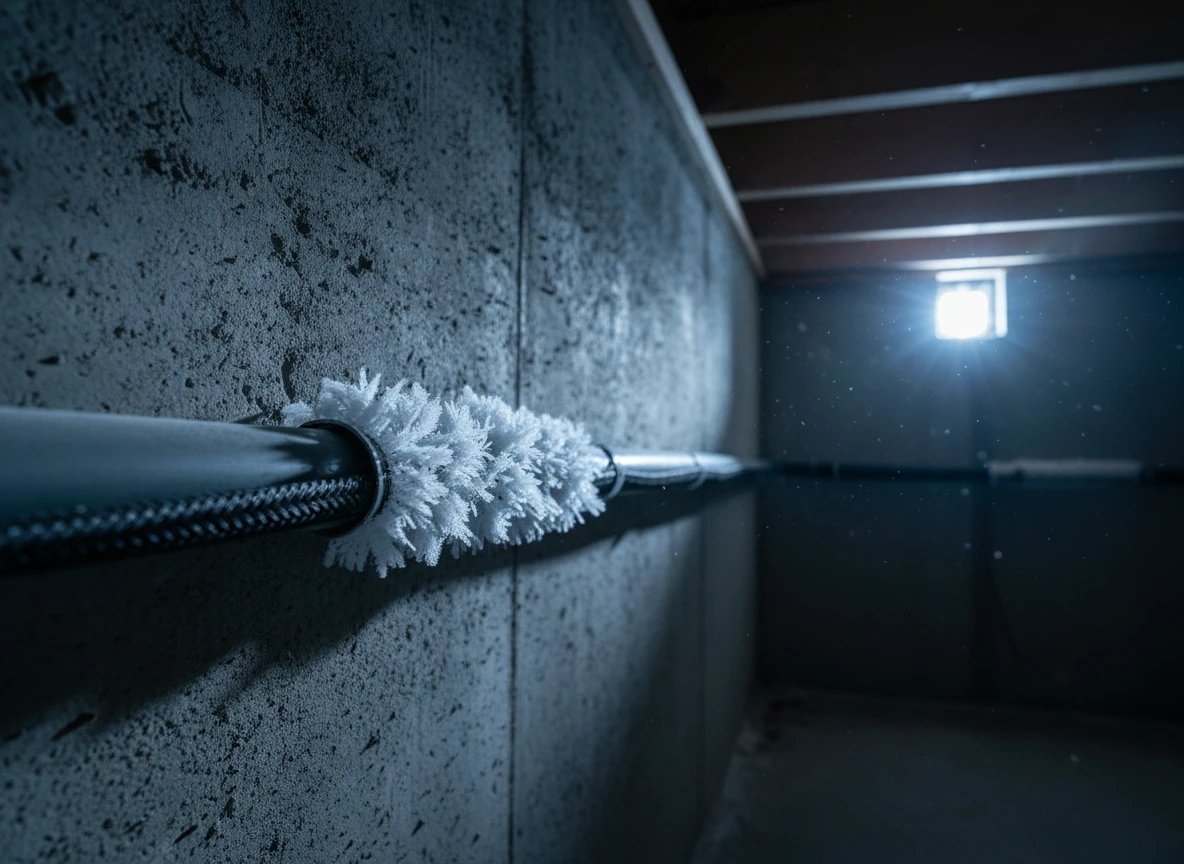
I once crawled into a subfloor space under a brand-new facility during a brutal January freeze. Uninsulated brick piers supported the structure, and cold winter air swept unchecked across exposed subfloors. The builder had done everything by the book. They ran high-grade self-regulating heat tape along the perimeter pipes and laid specialized cables inside the underfloor heating system. Yet, by morning, the pipes near the outer foundation were solid ice. The failure wasn't a manufacturing defect in the polymer core. It was just a classic clash between real-world physics and textbook design.
The mechanics of poor contact pressure
When a cable fails, we usually blame the electrics. But the real culprit is almost always mechanical. Self-regulating heat tape needs direct, hard contact to work. If the cable is loose, or if tiny air gaps sit between the wire and the pipe, the heat gets trapped. Air is a terrible conductor. Instead of warming the pipe, the heat just drifts off into the void.
That's why experienced installers don't just use aluminum foil tape to keep things looking neat. They use it because tight contact is everything. Without that pressure, you're just heating dead air. This is a lesson well known to anyone installing efficient underfloor heating systems—contact is king.
Environmental drafts and missing insulation
I often see people assume that because a cable is "self-regulating," it can fight off freezing winds all on its own. It can't.
A bitter wind blowing through an open crawlspace will strip heat away faster than any cable can generate it. If you don't wrap the pipe in closed-cell foam or weatherproof insulation, you've built an open thermodynamic system. The cable's carbon core will expand to its limit, drawing maximum power and running up the electric bill, while the cold air simply carries the heat away. The pipe freezes anyway. It's a losing battle against basic convection.
When micro-zones trick the controller
Then there's the issue of sensor placement. Put a temperature sensor near a sheltered, warm pocket or close to an inner wall, and it reads a cozy 50 degrees. The controller thinks everything is fine and shuts the system down.
Meanwhile, ten feet away, a section of pipe is screaming in a sub-zero draft.
The system sleeps while the pipe freezes. Avoiding this requires real thermal mapping and a clear understanding of how different floor heating solutions handle structural cold bridges. You can't rely on a single, lazy sensor to tell the whole story.
Diagnosing the system failure points
Diagnostic protocols for thermal failures
At Integro Process Heating Solutions, we've found that roughly 42% of heat trace failures during sub-zero drops stem from electrical protection trips rather than actual physical breaks.
When self-regulating heating cables experience a cold start, their initial current draw can surge up to three times their nominal rating. If your 30mA Ground Fault Equipment Protection (GFEP) device or standard GFCI trips immediately upon startup, you aren't dealing with a broken cable. It's transient inrush current. We always advise technicians to measure this inrush with a clamp-on ammeter during the first thirty seconds of operation. If the surge exceeds the breaker's trip curve, you need to space out your activation times or swap the breaker for one rated for high-inrush thermal loads.
But what if the breaker holds and you still have no heat?
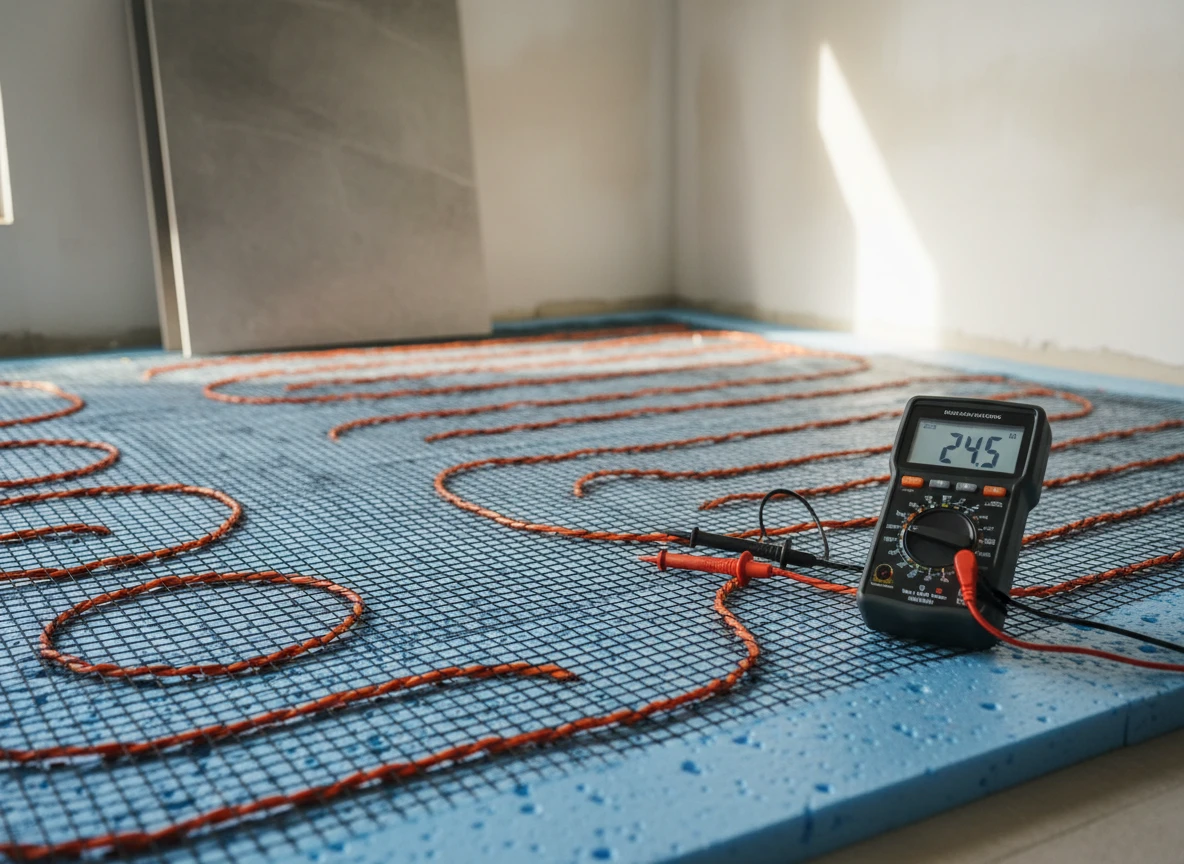
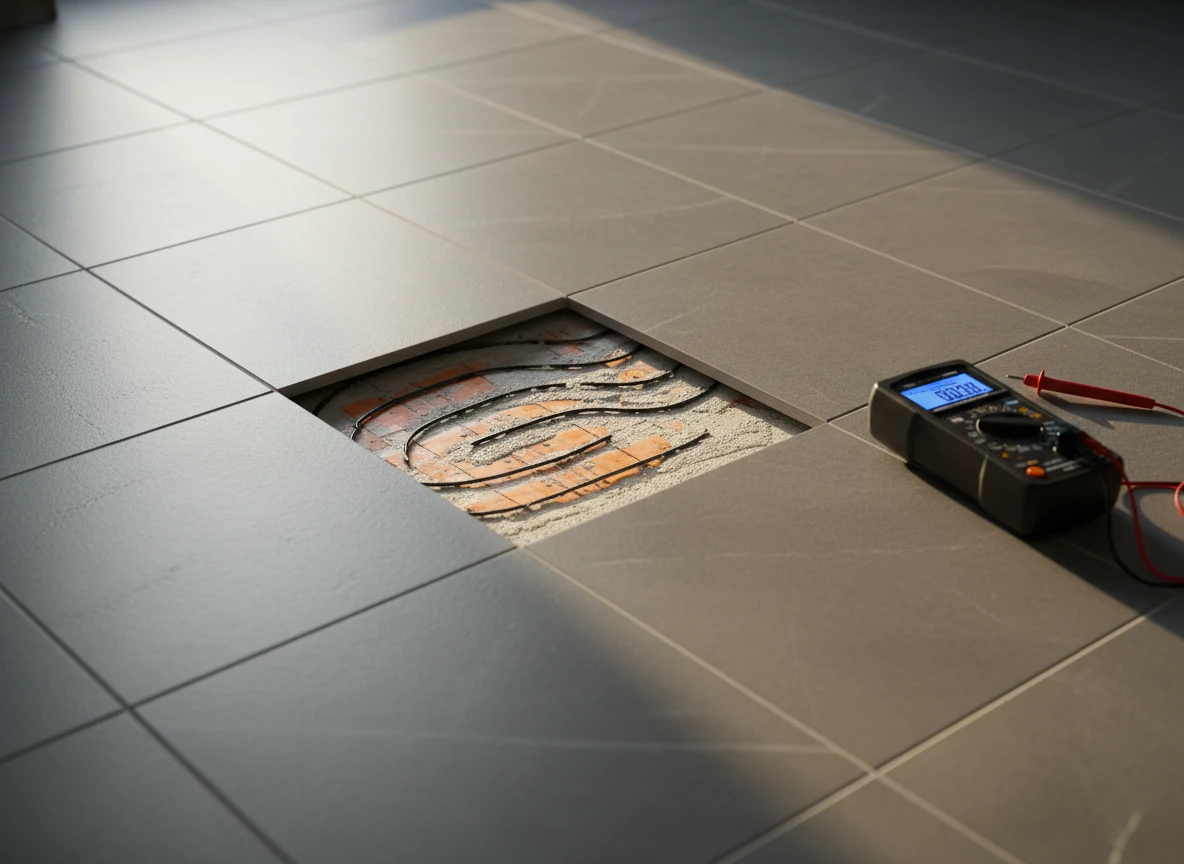
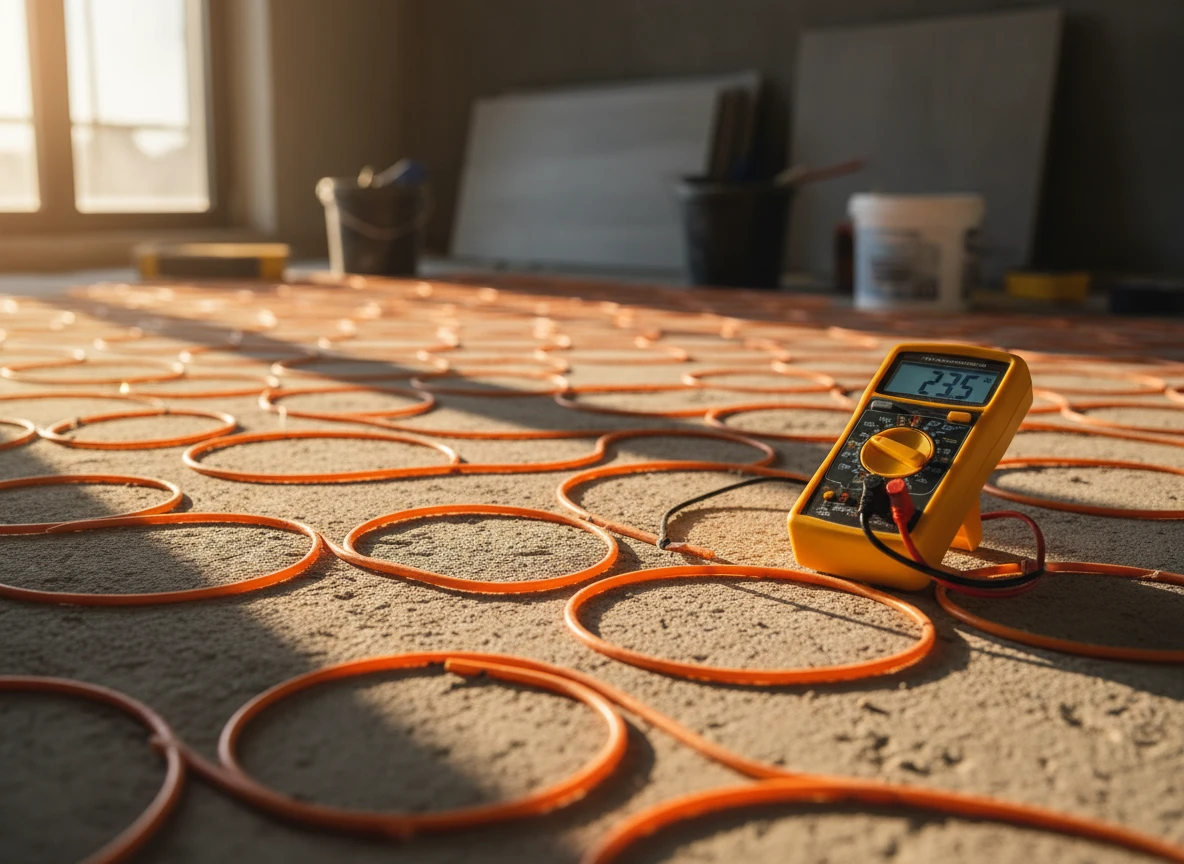
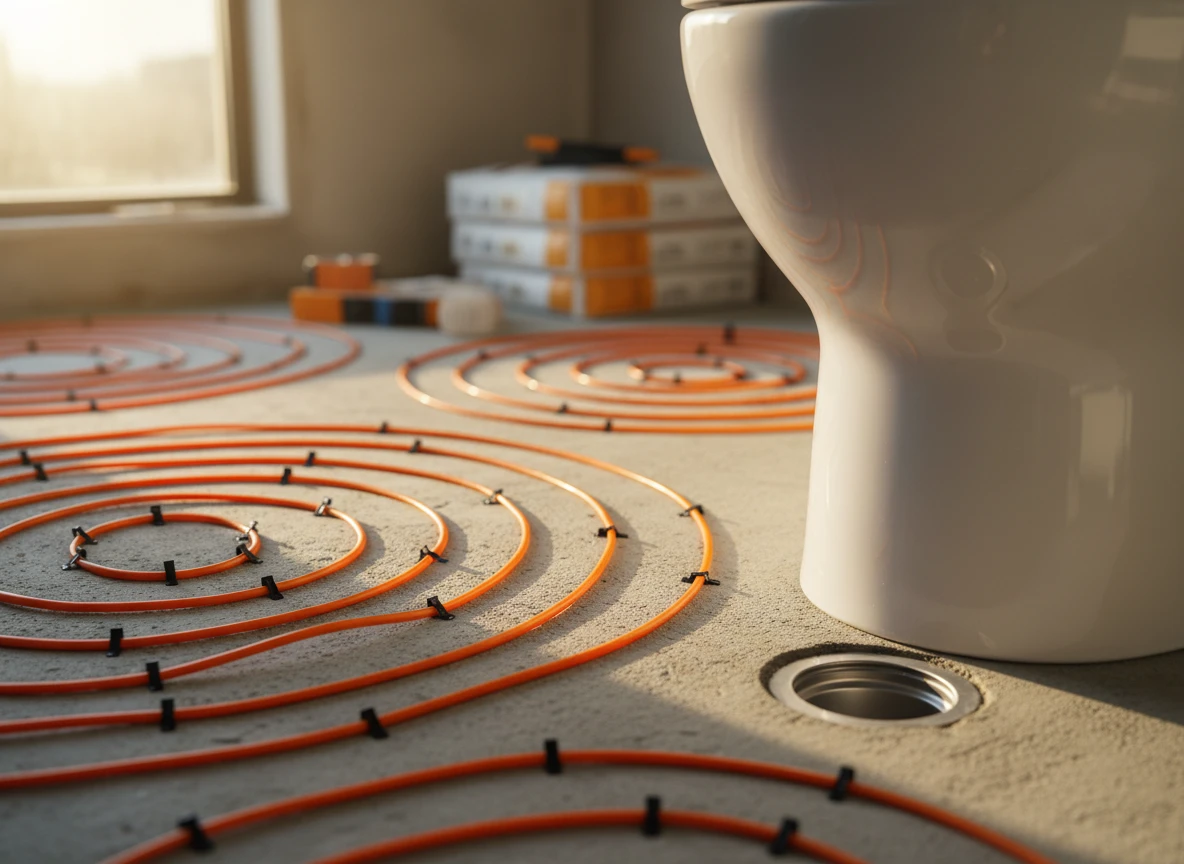
The problem often lies deeper in the conductive polymer core. Thermal cycling degrades the carbon pathways inside these cables over time, reducing their output capacity. To isolate this, turn off the power and run an insulation resistance test at 2500 VDC between the heating conductors and the metallic braid. A reading below 20 megohms indicates moisture ingress or localized physical damage. If you're troubleshooting electric floor heating systems or general domestic and commercial heating loops, finding these micro-fractures requires a systematic zone-by-zone resistance check across the underfloor heating systems.
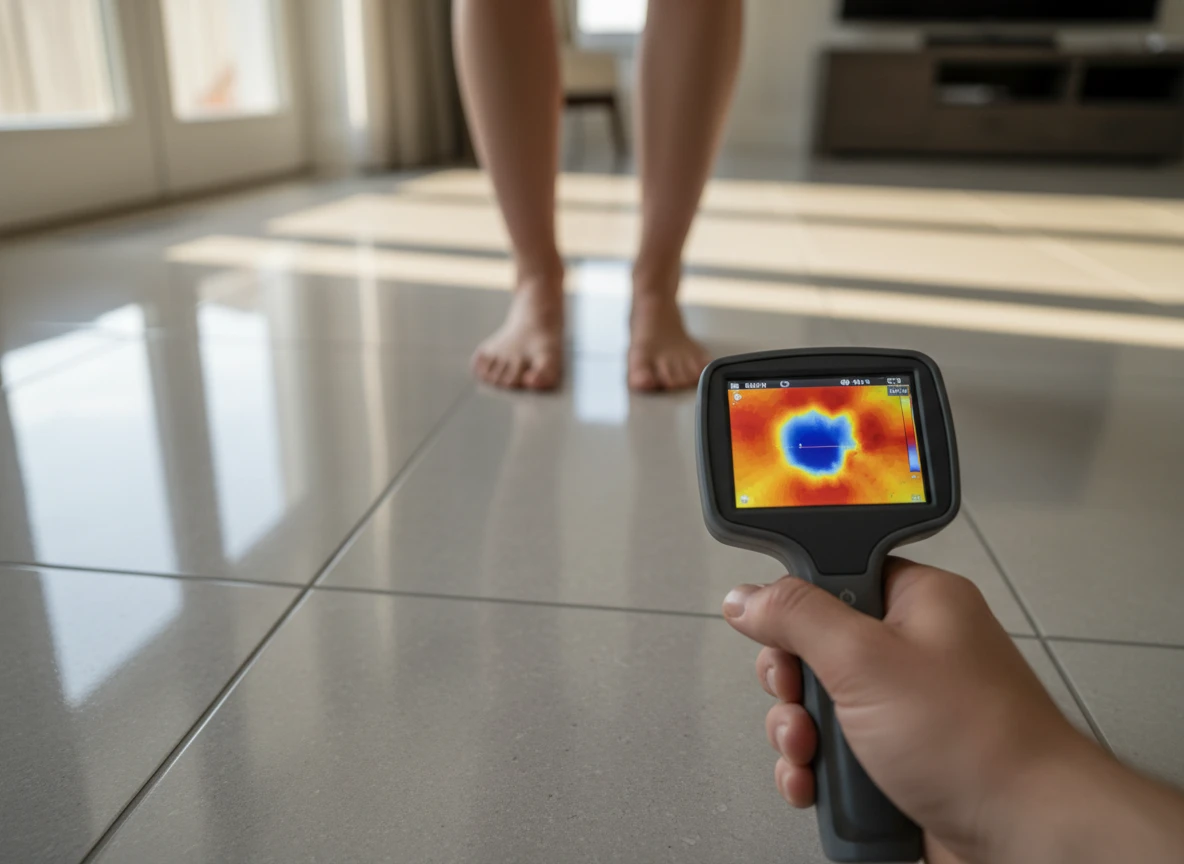
Unlike hydronic setups where leaks are immediately obvious, electrical faults are invisible. While hydronic radiant floor heating relies on fluid pressure diagnostics, electrical heat tracing systems require precise resistance calculations. Measure the end-to-end resistance of the bus wires. A sudden jump in resistance indicates a severed conductor, usually caused by over-bending during installation or physical crushing. For industrial applications using specialized setups like drum heating jackets or custom IBC heating jackets, checking physical integrity is easier because they're accessible. Buried or wrapped cables, however, demand thermal imaging to locate the exact cold spot where the polymer core has failed.
The critical design mistakes you can avoid
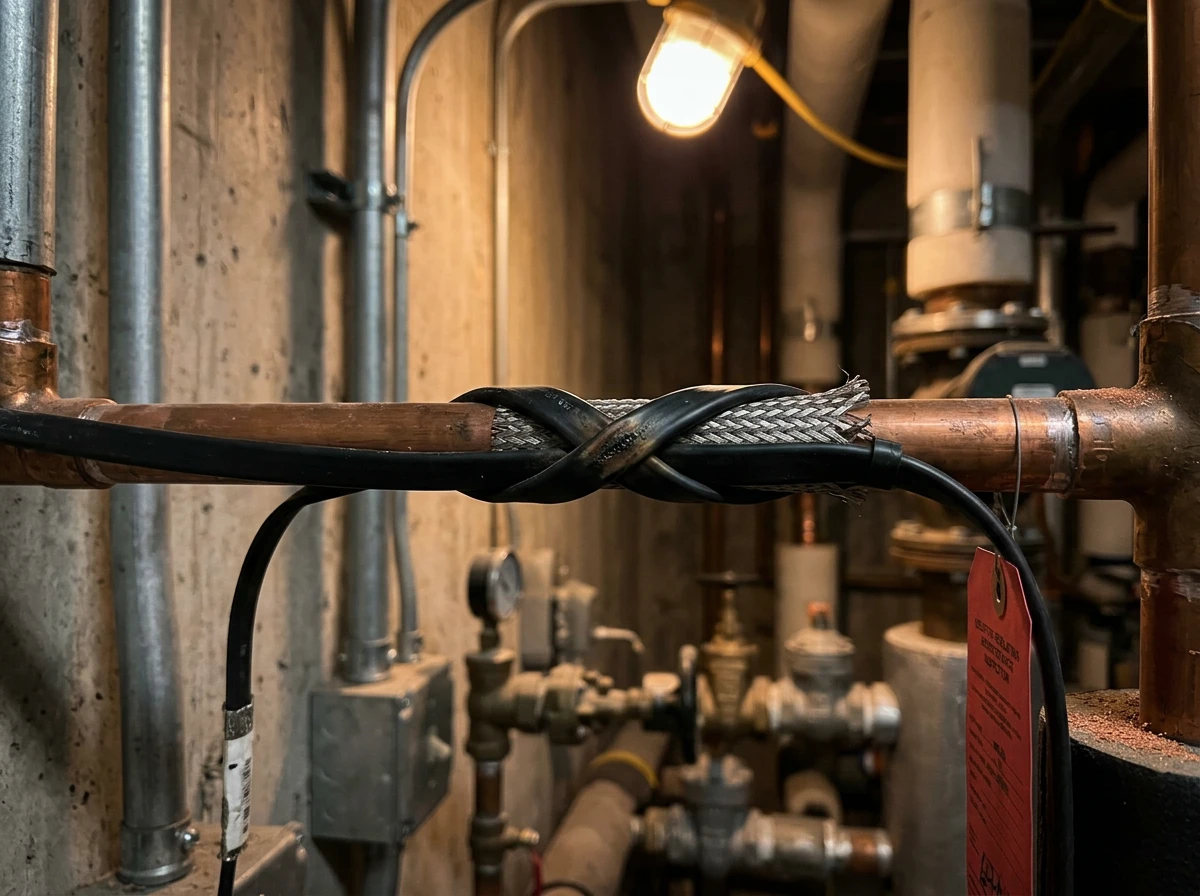
The installation errors killing your heat trace
Diagnostics usually point to physical failure, but the root cause is almost always an installation shortcut. Installers treat self regulating heat tape like flexible extension cords. They aren't. If you ignore the physical limits of the cable, it will fail when the temperature drops.
The most common blunder is neglecting maximum circuit length limits. When you run a cable too far, voltage drops off a cliff at the tail end. The core can't pull enough current to get hot. You end up with a lukewarm pipe that freezes anyway. Worse, cold startups trigger massive inrush currents that trip your breakers. Keep the runs within the manufacturer's limits. No exceptions.
Moisture ruins conductive polymer cores. Skip the proper heat-shrink end-seals, and you guarantee a short. Water creeps into the cut end, bridges the parallel bus wires, and blows the GFCI. Whether it is a pipe or a commercial floor heating setup, you need watertight seals. Wrap it in cheap electrical tape instead of a real end-seal kit, and it will short.
Wrapping cables without heavy external insulation is pointless. These cables don't output enough heat to warm the open air. Without a tight thermal barrier, the wind steals every watt of heat.
We see this constantly. Whether you're wrapping outdoor pipes or setting up industrial insulated heating jackets for process control, insulation isn't optional. Leave the element bare, and you're just heating the sky.
Poor contact pressure ruins heat transfer. A loose cable creates an air gap. Air is an insulator. If the tape doesn't press firmly against the surface, heat stays trapped in the cable core while the pipe freezes solid. Fix the contact, seal the ends, insulate the run, and the system will actually work.
Taking control back from the elements
Once you've corrected those physical installation mistakes, how do you keep the winter cold from winning the thermal tug-of-war? The secret lies in realizing that even the best self regulating heat trace cable is only as good as the system control and physical protection surrounding it. You cannot just wrap a pipe or lay a cable and walk away, expecting physics to do the heavy lifting without support.
To guarantee winter reliability, you must pair your cables with external ambient sensing controllers and high-grade closed-cell insulation. Without a dedicated thermostat, your self-regulating system will continuously draw baseline power, running up utility costs while failing to respond quickly enough to sudden arctic blasts. It's a common oversight we see when designing electric underfloor and domestic heating installations; relying solely on the cable's core to regulate itself is a recipe for frozen lines.
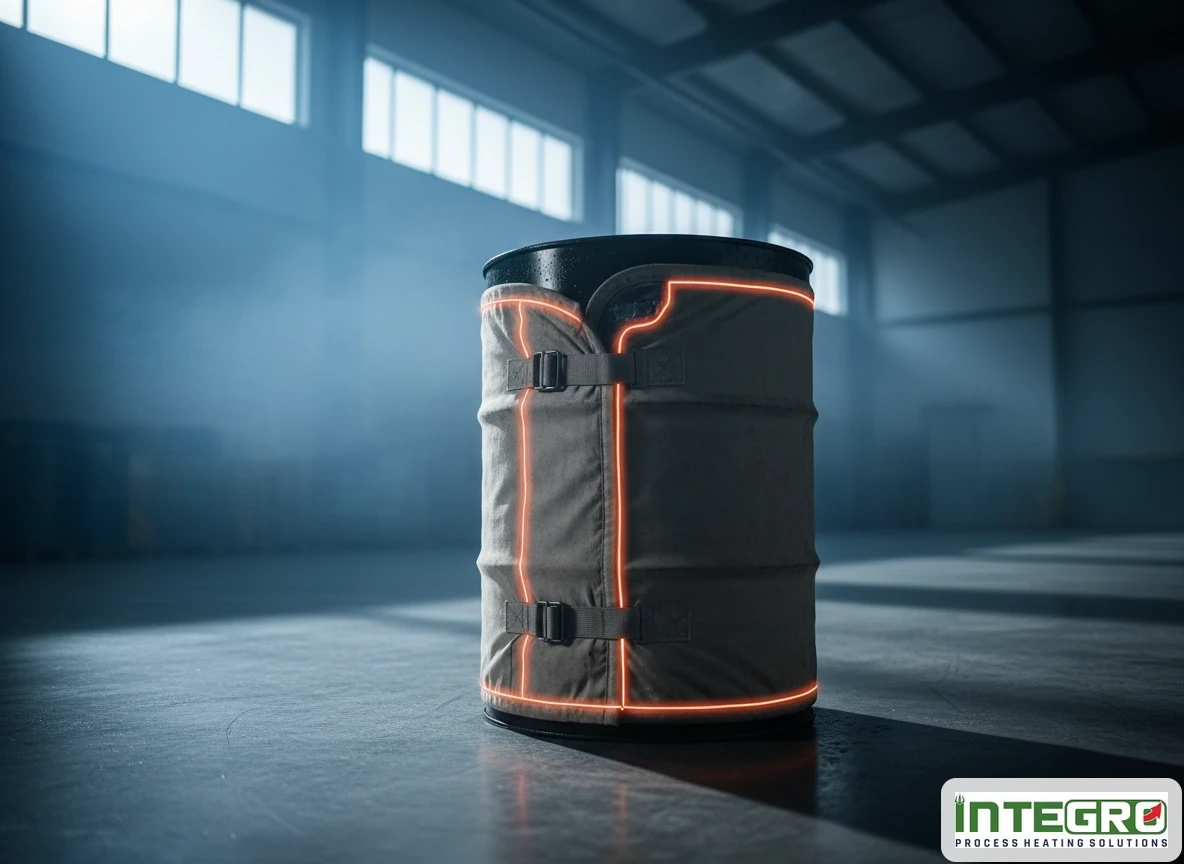
What about your industrial containers or storage vessels? The exact same principles apply. If you are managing larger industrial assets, pairing proper controls with custom drum heating jackets or high-quality insulation blankets ensures that heat actually stays where it is needed instead of dissipating into drafty warehouse air.
Finally, establish a strict pre-winter maintenance routine. Inspect your end seals for moisture intrusion, test your ground-fault circuit interrupters (GFCIs), and measure insulation resistance (megger testing) before the first freeze hits. Often, a tiny crack in the outer jacket from last season's thermal cycling is all it takes to trigger a failure when you need the system most.
At Integro Process Heating Solutions, we believe that true thermal reliability isn't about buying a 'set-and-forget' cable. It's about engineering a complete, controlled system that actively fights back against the elements. Will your system hold up when the next deep freeze arrives, or is it time to audit your control strategy?
Tired of frozen lines despite using heating tape? Integro Process Heating Solutions engineers custom thermal setups that actually handle severe sub-zero weather.
Frequently Asked Questions
Why do my self regulating heat trace cables still freeze in winter?
It happens because severe wind chill and extreme sub-zero cold can drain heat faster than the polymer core can generate it. These cables aren't magical, and if your insulation isn't thick enough, they simply can't keep up.
Do I really need insulation with self regulating heating cables?
Honestly, skipping insulation is the fastest way to get a frozen pipe. The cable needs that thermal barrier to trap heat against the pipe or surface, otherwise it just dissipates into the open air.
Can I overlap self regulating heat tape without burning it out?
Yes, that's one of the main perks of these cables compared to constant-wattage tape. They modulate their own output, so crossing them won't cause a burnout, though you still need to watch your circuit lengths.
What causes a self regulating heat trace system to short out?
Usually, it's moisture getting into the core through unsealed ends or physical damage from sharp edges. That's why weather-proof end seals and proper GFCIs aren't optional.