- By Admin
- Integro
- The zero liquid discharge paradox
- Why industrial wastewater resists simple treatment
- Engineering a robust zld plant process
- Why the zld evaporator is the heart of your system
- High-performance equipment to simplify your zld system
- Where most wastewater operators get stuck
- Taking realistic steps toward zero liquid discharge
- FAQ
The zero liquid discharge paradox
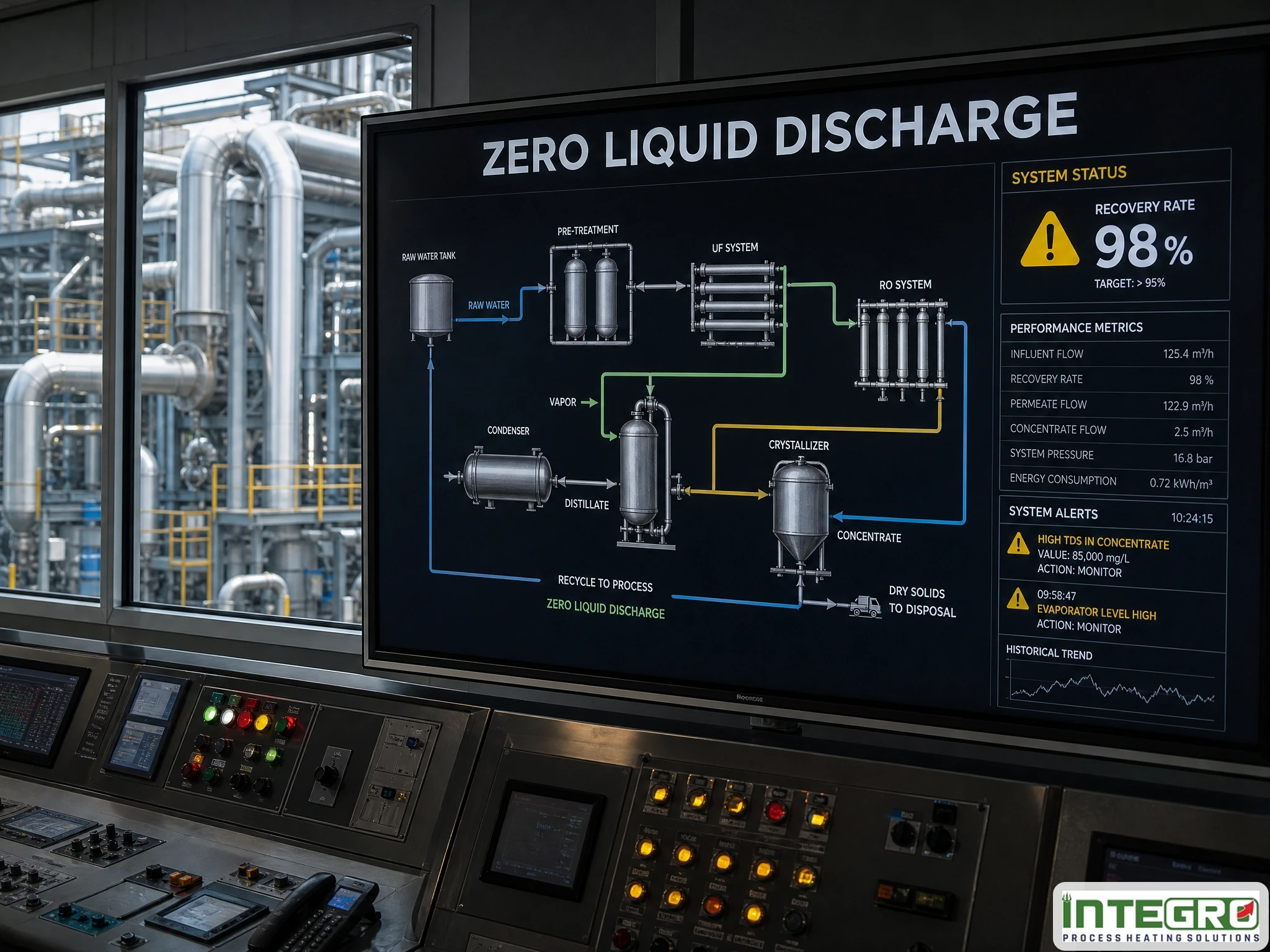
Why does the promise of zero liquid discharge (ZLD) feel so out of reach for most industrial facilities? On paper, the mandate is clear. You eliminate all liquid waste, recover clean water for reuse, and leave only a dry solid residue. Environmental regulations, such as stringent EPA effluent guidelines, push operations toward this absolute standard. Yet, when engineering teams attempt to bridge the gap between regulatory ideals and physical plant operations, they run headfirst into a harsh thermodynamic reality.
Is it actually possible to eliminate every drop of liquid without bankrupting your operation?
Yes, but the financial and energy costs are staggering. Traditional filtration systems quickly hit their physical limits when handling highly concentrated brines. To push past these limits, facilities must deploy advanced waste water evaporators and thermal crystallizers. These systems require massive amounts of energy.
This creates a frustrating paradox. How do you justify a sustainability initiative that dramatically increases your facility's carbon footprint and operating budget? The tension between conserving water and consuming energy is the primary reason many projects stall during the feasibility phase. To make ZLD work, we have to stop treating it as a simple filtration upgrade. It is a complex thermal engineering challenge.
Why industrial wastewater resists simple treatment
Industrial wastewater does not behave like municipal water. As you concentrate waste streams to achieve zld wastewater treatment, you run headfirst into severe thermodynamic and chemical barriers. The primary culprit is the exponential rise in dissolved solids.
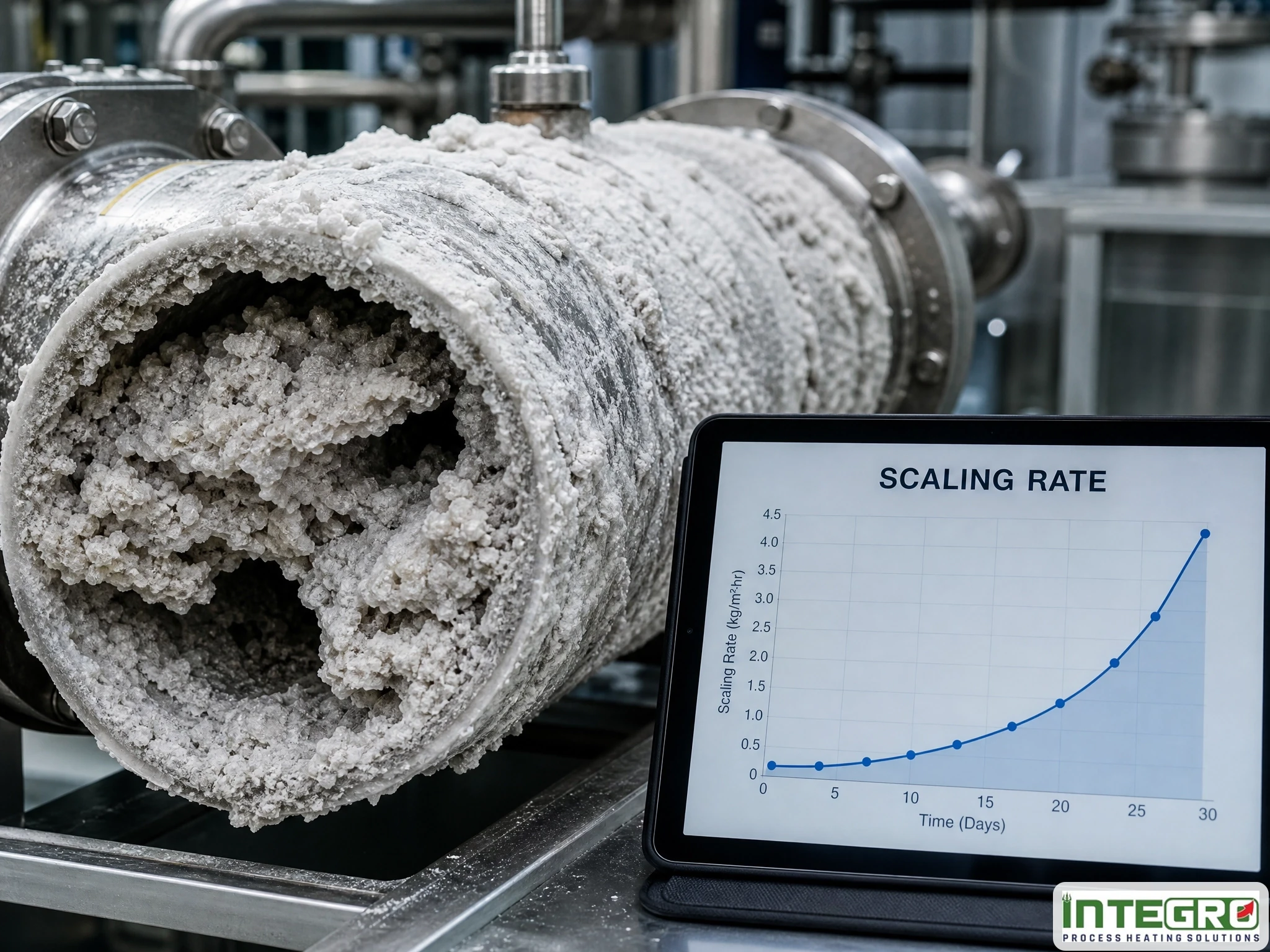
When reverse osmosis (RO) systems push water through membranes, they leave behind a highly concentrated brine. This concentration process quickly exceeds the solubility limits of common compounds. Calcium sulfate, silica, and barium sulfate precipitate out of solution, forming a rock-hard scale on membrane surfaces. Once scaling occurs, flux rates plummet, operating pressures spike, and membranes fail prematurely. This limitation often forces operators to transition from membrane-based separation to thermal separation much earlier than planned.
The thermodynamic penalty of concentration
Thermal separation introduces a massive energy penalty. As brine concentration increases, the boiling point of the liquid rises. This boiling point elevation (BPE) means you must supply significantly more thermal energy just to vaporize the same volume of water.
| Parameter | Low Concentration Brine | High Concentration Brine (ZLD Feed) |
|---|---|---|
| Total Dissolved Solids (TDS) | < 35,000 mg/L | > 150,000 mg/L |
| Primary Technology | High-pressure RO membranes | Thermal evaporators & crystallizers |
| Scaling Risk | Moderate (controlled via antiscalants) | Extreme (uncontrolled without thermal management) |
| Specific Energy Demand | 3 - 7 kWh/m³ | 35 - 60 kWh/m³ |
And the challenges do not end with energy consumption. High-salinity brine is highly corrosive, requiring exotic metallurgy like titanium or duplex stainless steel. If your system design fails to account for these physical realities, scaling and corrosion will shut down your process within weeks, proving that minimal liquid discharge is often a more realistic stepping stone before attempting absolute zero.
Engineering a robust zld plant process
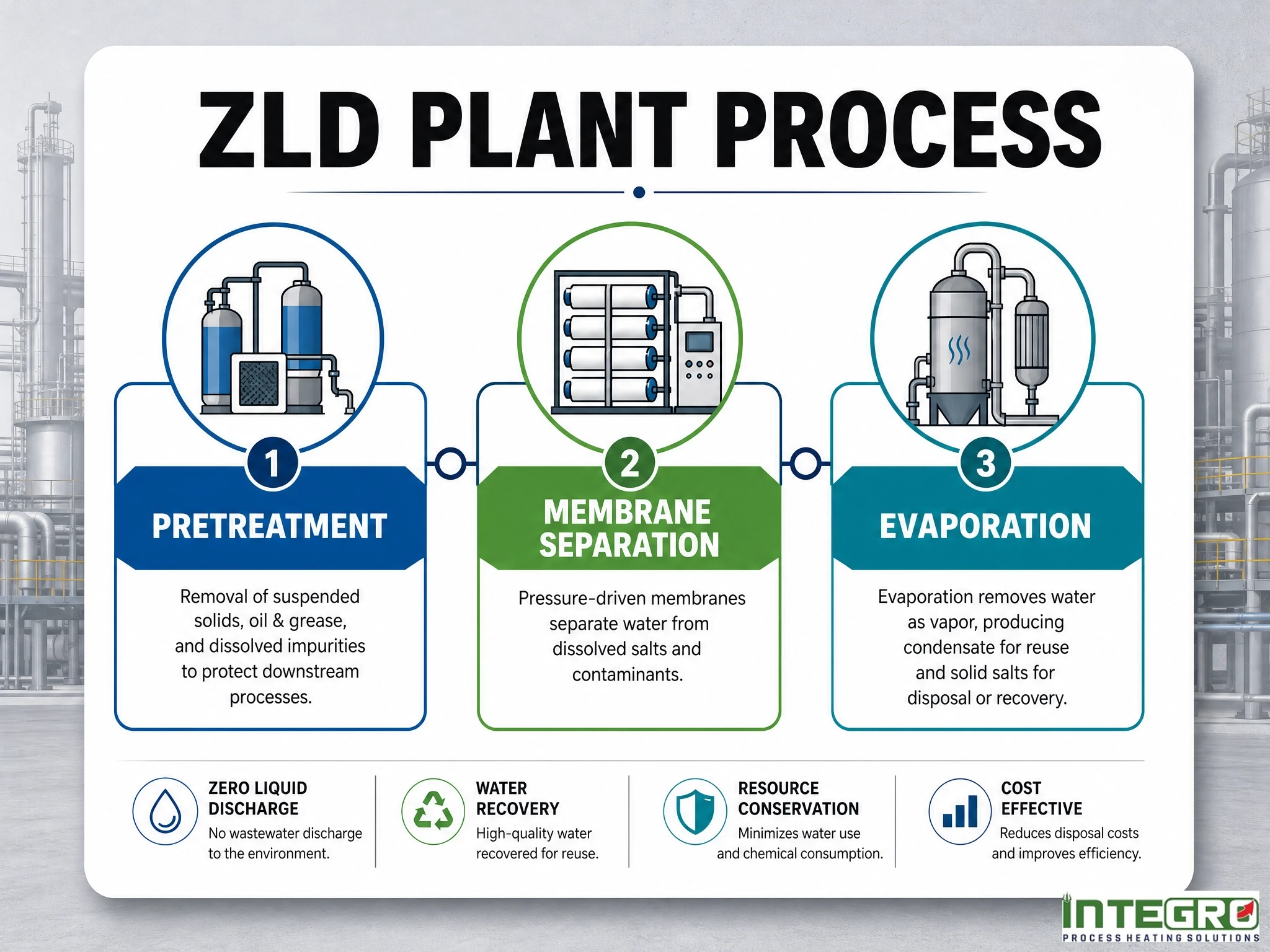
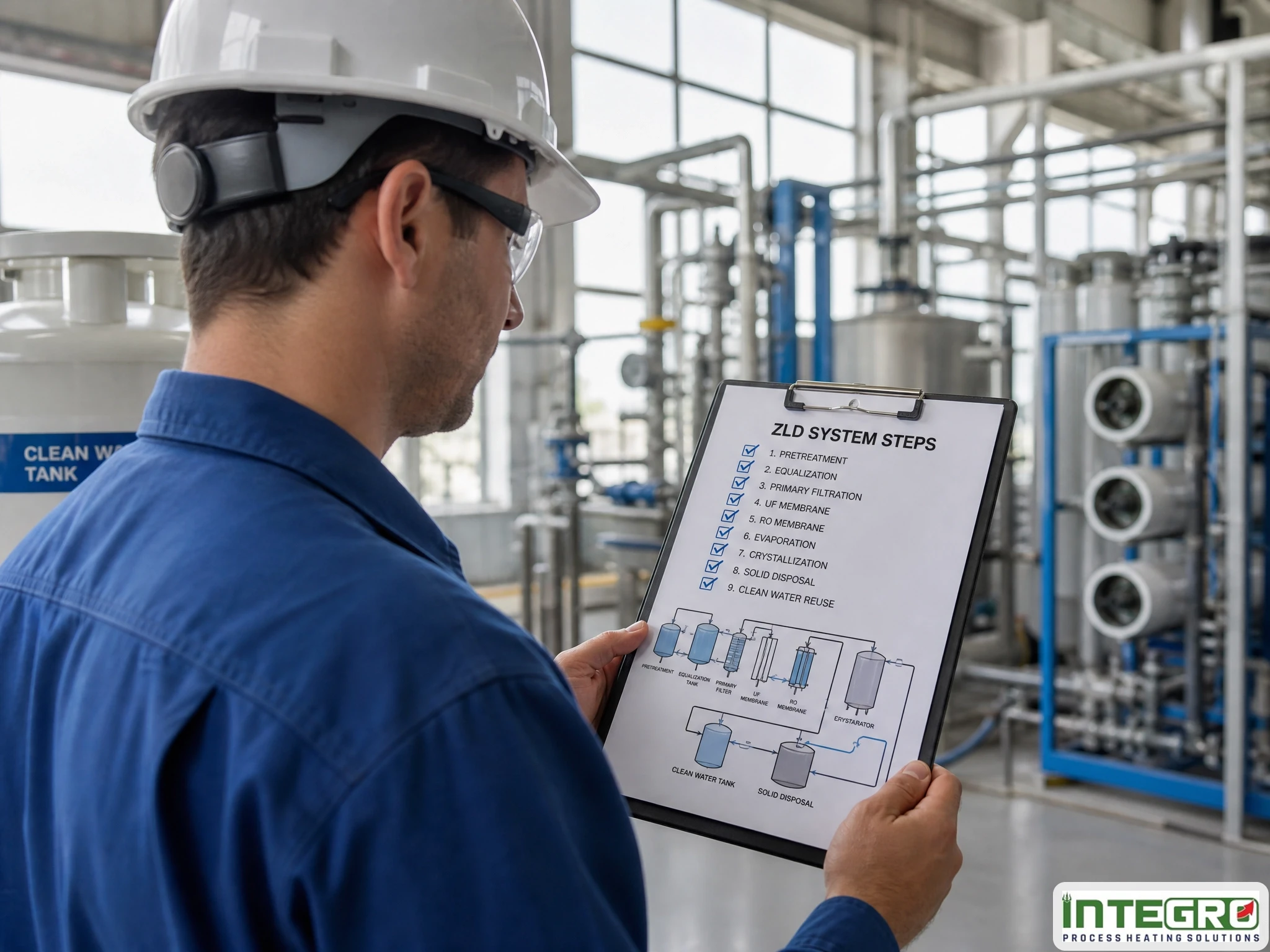
Designing a functioning zld plant process requires viewing the system as a tightly coupled, protective sequence rather than a collection of isolated machines. If one stage fails to meet its design specifications, the subsequent stage typically suffers rapid scaling or fouling. It is a domino effect.
The journey begins with chemical pretreatment. Here, we target suspended solids, hardness, and silica through pH adjustment, coagulation, and softening. Removing these scaling precursors is non-negotiable. Without this step, they will precipitate onto downstream membranes and heat exchange surfaces.
Next, membrane concentration, typically high-pressure reverse osmosis (RO), minimizes the volume of water sent to the thermal phase. RO works cost-effectively up to its osmotic pressure limits, concentrating total dissolved solids (TDS) up to roughly 80,000 mg/L. But membranes cannot achieve dryness. Trying to push them too far leads to compaction and membrane rupture.
This is where a thermal zero discharge wastewater treatment system transitions to evaporation. Mechanical vapor recompression (MVR) or multi-effect evaporators drive the concentration past the saturation point of most salts. Because thermal energy is expensive, maximizing the concentration factor during the membrane stage directly dictates the operating economy of this step.
Finally, the concentrated slurry enters a crystallizer or a specialized spray dryer. This final thermal push forces the remaining dissolved salts out of solution, yielding solid cake for landfill disposal and high-purity distillate for plant reuse. Skip any of these protective steps, and the chemical balance of the entire facility collapses.
Why the zld evaporator is the heart of your system
The thermal concentration phase is where zero liquid discharge (ZLD) systems either succeed or fail. Once membrane systems reach their recovery limits, the remaining highly concentrated brine requires thermal separation to isolate solids from clean distillate. This is where the choice of thermal equipment dictates your daily operating costs.
Comparing thermal concentration methods
Traditional multi-effect evaporators rely on a continuous supply of external steam to drive successive boiling chambers. While structurally simple, their high energy consumption often makes operational costs prohibitive for modern facilities. In contrast, modern systems employ mechanical vapor recompression (MVR) within the zld evaporator setup. By mechanically compressing the generated vapor, MVR raises its temperature and pressure, recycling latent heat back into the process. This shift reduces utility consumption by up to 80% compared to older thermal designs.
| Parameter | Multi-Effect Evaporators | Mechanical Vapor Recompression (MVR) |
|---|---|---|
| Primary Energy Source | Live steam | Electrical energy (compressor) |
| Thermal Efficiency | Moderate (depends on effect count) | High (recycles latent heat) |
| Capital Cost | Lower initial investment | Higher initial investment |
| Operational Cost | High steam dependency | Low electrical consumption |
Handling concentrated brine also introduces severe scaling risks. Calcium sulfate, silica, and other sparingly soluble salts rapidly precipitate onto heat transfer surfaces if temperatures and flow rates aren't precisely managed. While falling film designs work well for lower concentrations, forced circulation evaporators are better suited for crystallizing applications. Using a forced circulation loop keeps fluid velocities high and maintains hydrostatic head, preventing boiling,and subsequent crystallization,directly on the heat exchanger tubes. This design choice directly prevents unplanned shutdowns and chemical wash cycles.
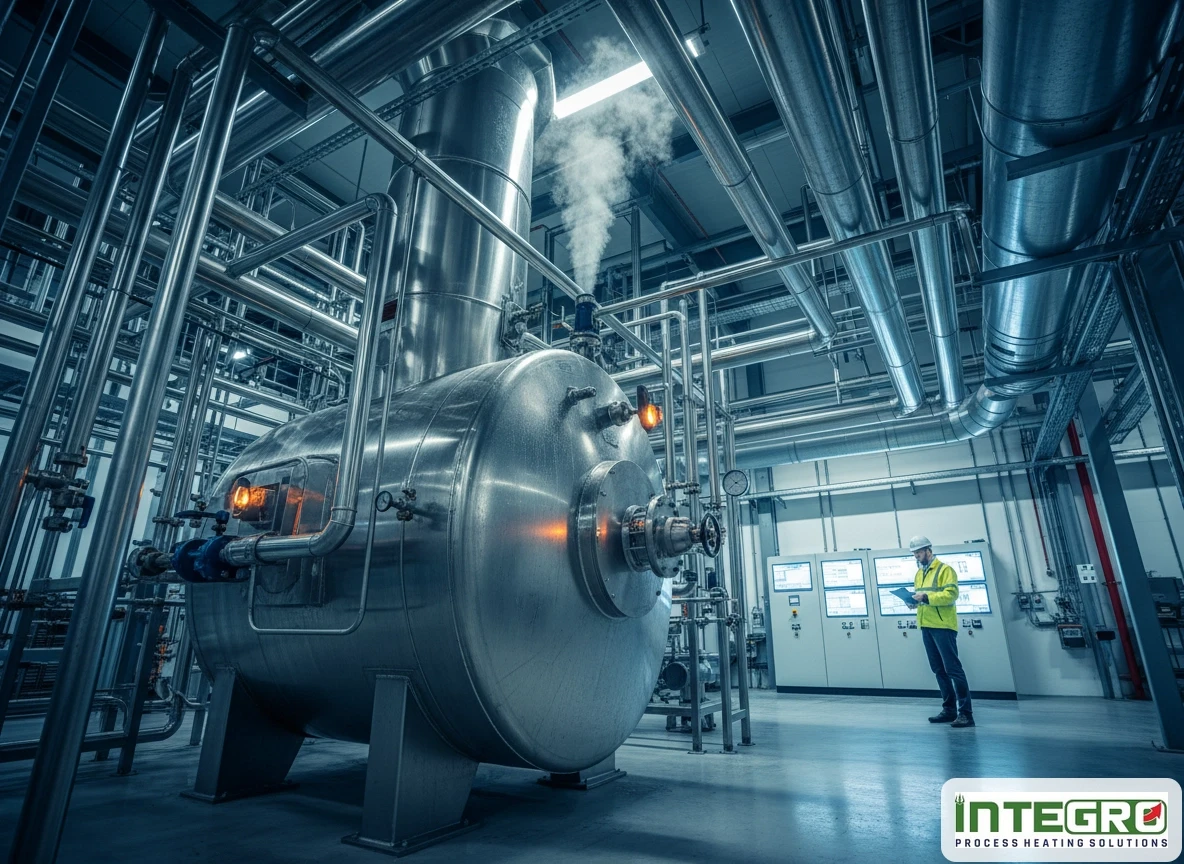
For plants dealing with highly variable streams, selecting a custom-engineered waste water evaporator is critical to maintaining thermal efficiency. Standard off-the-shelf units rarely survive the harsh chemistry of industrial brine. Ultimately, the choice of heat transfer design determines whether your zld technology remains an operational asset or becomes a maintenance bottleneck.
High-performance equipment to simplify your zld system
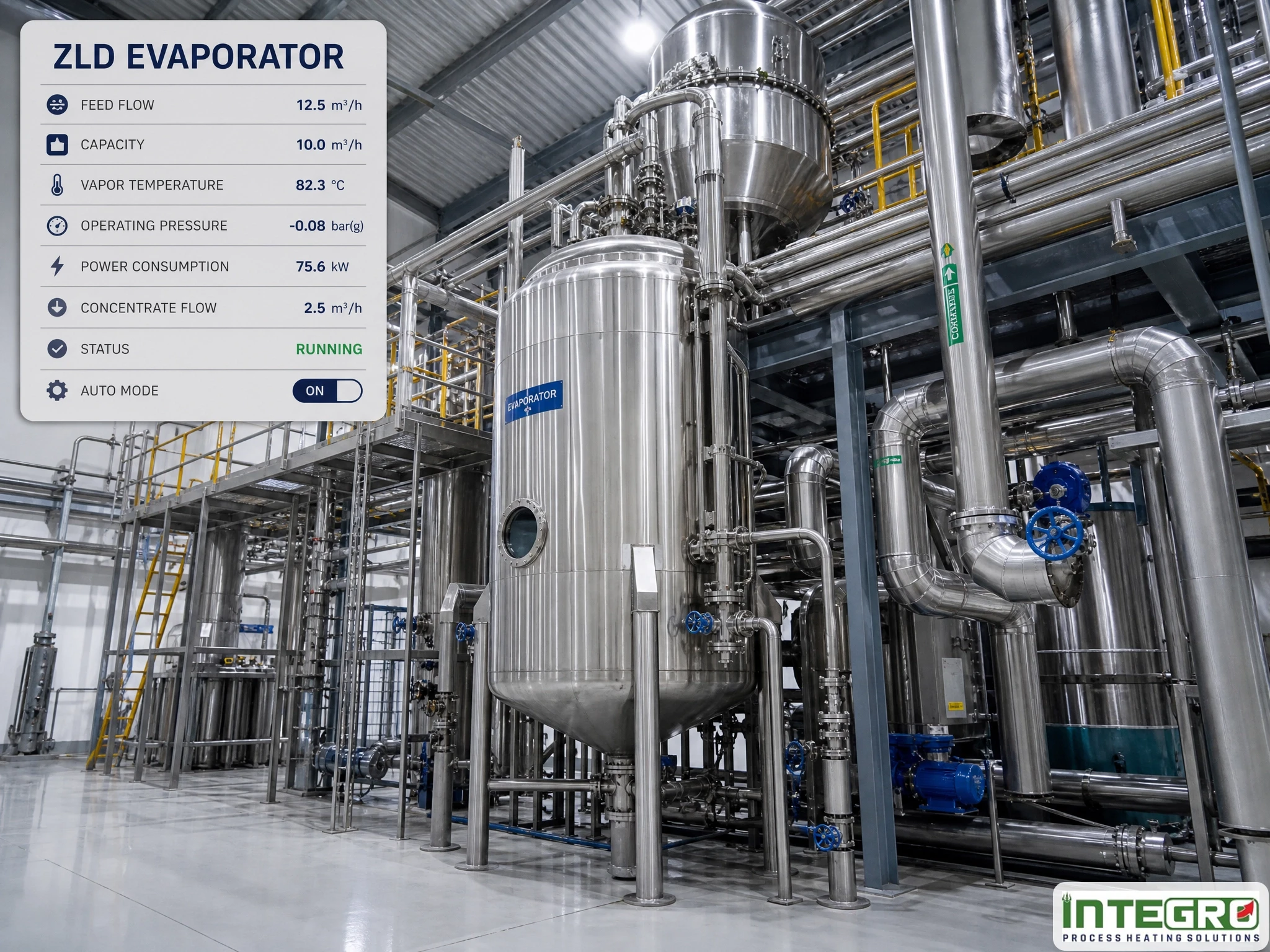
Designing a reliable zero liquid discharge system requires moving away from generic, off-the-shelf equipment that fails under the stress of highly concentrated industrial streams. Instead, you need to match specific equipment to the unique chemical and thermal profile of your facility's wastewater.
Custom thermal evaporators and crystallizers
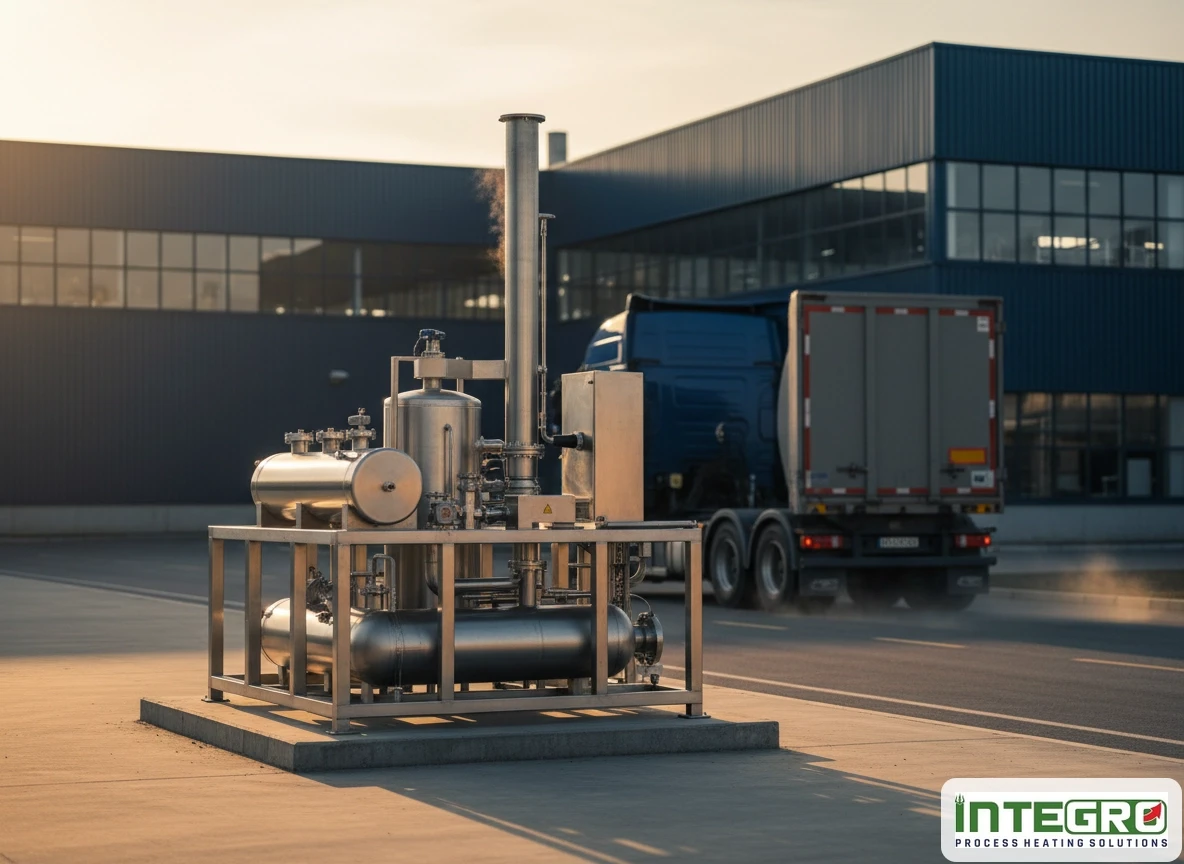
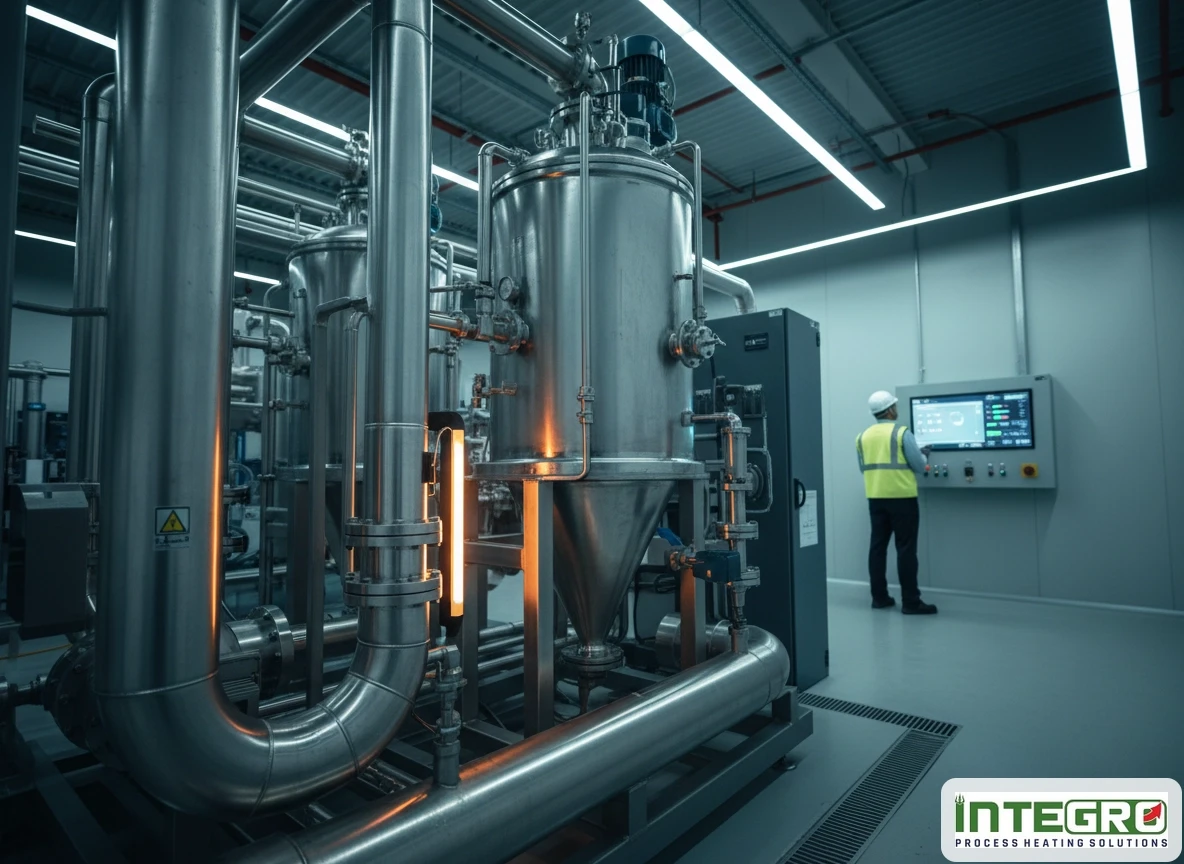
At the core of any high-performance setup is the thermal concentration stage. Standard boilers cannot handle the aggressive scaling tendencies of concentrated brine. You should look for custom waste water evaporators designed with high-grade, corrosion-resistant alloys like titanium or duplex stainless steel. These systems use mechanical vapor recompression to recycle latent heat, which keeps your operational energy costs manageable.
Precision industrial process heating
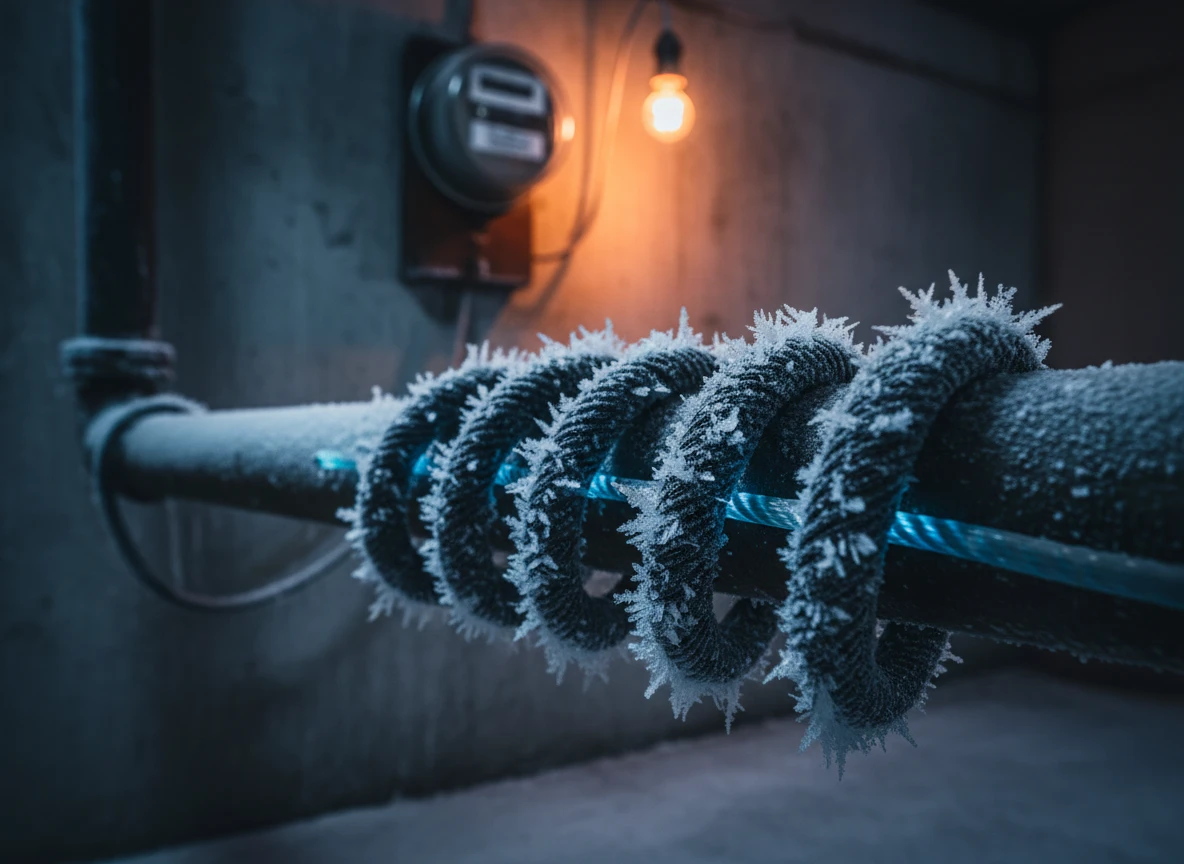
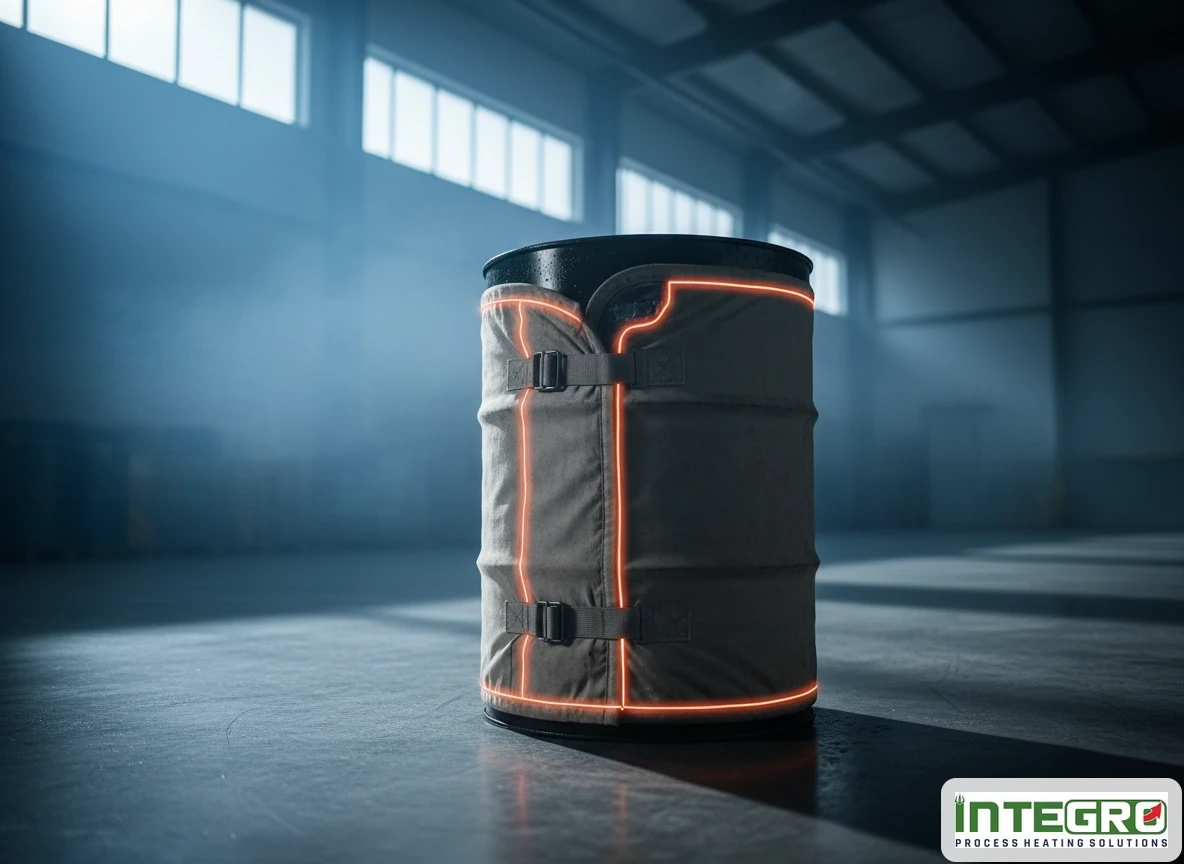
Maintaining the correct temperature across your piping and storage tanks is critical to prevent premature crystallization. If the temperature of your brine drops even slightly during transport, salts will precipitate out of solution and clog your lines. Integrating custom industrial process heating elements, such as robust circulation heaters and electrical heat tracing, ensures that the fluid stays above its saturation temperature until it reaches the crystallizer.
Integrated process automation
A successful setup relies heavily on real-time monitoring. Automated sensors should constantly track pH, electrical conductivity, and flow rates. By automating these feedback loops, your system can automatically adjust flow rates and heat inputs when the incoming feed chemistry fluctuates. This level of control protects your downstream equipment from sudden, unexpected scaling events.
Where most wastewater operators get stuck
Most industrial operators treat Zero Liquid Discharge (ZLD) as a set-and-forget plumbing loop. It isn't. When a zld wastewater treatment system fails, it usually isn't because of a catastrophic design flaw. It fails because of basic operational neglect.
The quickest way to destroy an evaporator is to ignore raw water pretreatment. If you let organic matter, hardness minerals, or suspended solids bypass your initial filtration stages, they will bake onto your heat exchange surfaces. Once that scale forms, your thermal efficiency plummets, and your energy bills skyrocket. You can't rely on chemical dosing to bail you out of poor physical filtration.
Another common blind spot is running equipment at incorrect Total Suspended Solids (TSS) to Total Dissolved Solids (TDS) ratios. When your feed chemistry drifts outside the design envelope, the brine behaves unpredictably. It starts foaming, scaling, or precipitating in areas where it shouldn't. You must monitor these ratios continuously, not just during weekly lab checks.
Finally, operators frequently skip routine mechanical cleanings because they want to avoid planned downtime. This is short-sighted. Deferring a scheduled clean-in-place (CIP) cycle to squeeze out a few more hours of runtime always ends the same way: an unscheduled, multi-day shutdown to manually chisel out calcified salt cake. If you don't schedule maintenance, your equipment will schedule it for you, and it will be far more expensive.
Taking realistic steps toward zero liquid discharge
Achieving absolute zero liquid discharge can feel like chasing a moving target, especially when dealing with highly variable industrial waste streams. But you do not have to solve the entire puzzle overnight. The most practical path forward begins with a thorough wastewater stream audit to understand your specific flow rates, chemical compositions, and thermal limits. By isolating your most problematic waste streams first, you can design targeted pre-treatment phases rather than oversizing your primary thermal equipment.
At Integro Process Heating Solutions, we believe that successful waste mitigation relies on matching the right thermal technology to your unique operational footprint. Whether that means integrating highly efficient engineered heating solutions or optimizing your existing brine concentrators, a phased implementation plan minimizes both capital risk and operational disruption. The reality is that minor adjustments in your upstream chemistry or heat recovery loops often yield the biggest savings in downstream evaporation.
Do not let the complexity of complete liquid elimination stall your environmental progress. By breaking the process down into manageable, engineered stages, you can build a system that is both regulatory-compliant and financially viable. Let us look at your current thermal balance and find where we can start reclaiming your process water.
If keeping your ZLD system from scaling feels like an uphill battle, Integro Process Heating Solutions builds custom thermal evaporators that handle the heavy lifting without draining your budget.
FAQ
Why do most zero liquid discharge systems fail to hit 100% recovery?
It usually comes down to scaling and unpredictable wastewater chemistry. Once you push high-salinity brine past its saturation point, minerals drop out fast and choke your evaporator tubes.
How does pretreatment affect a zld plant process?
If you skip proper chemical softening or filtration, membrane fouling ruins your system within weeks. You can't just feed raw industrial effluent straight into an advanced ZLD setup and expect it to survive.
What makes the zld evaporator so hard to maintain?
It's constantly dealing with extreme thermal stress and corrosive crystal slurries. When salts start precipitating on heat transfer surfaces, heat transfer drops and energy bills spike.
Can thermal evaporators handle high-TDS wastewater on their own?
They handle high Total Dissolved Solids much better than membranes do, but they still need smart design. Honestly, pairing the right thermal equipment with custom waste water evaporators saves plants a ton of headaches.