- By Admin
- Integro
- The shivering morning dilemma
- Why your subfloor is stealing all the warmth
- Thermal lag and the bottleneck of dense floor coverings
- How to fix it: calibration, continuous heating, and zoning
- The smart hardware that keeps response times low
- The critical install mistakes that leave floors stone cold
- Getting the cozy floors you actually paid for
- Frequently Asked Questions
The shivering morning dilemma

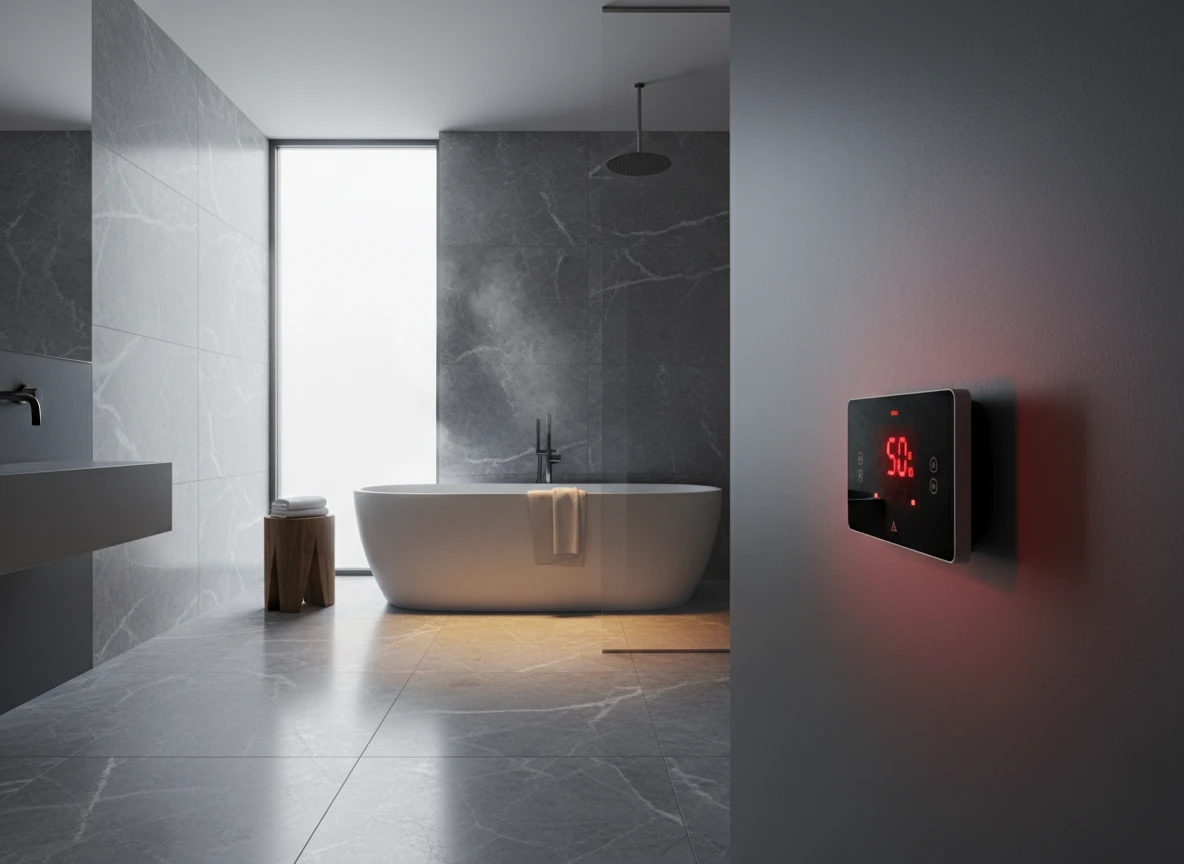
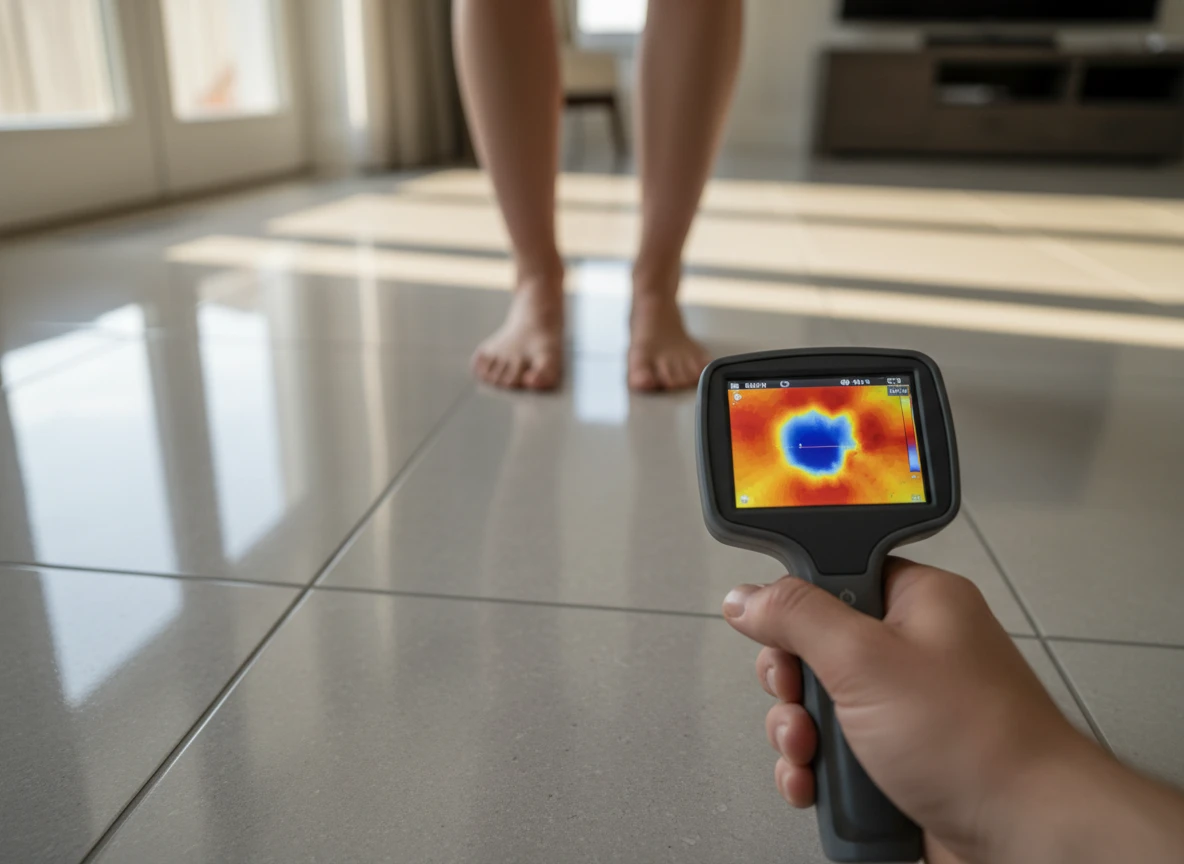
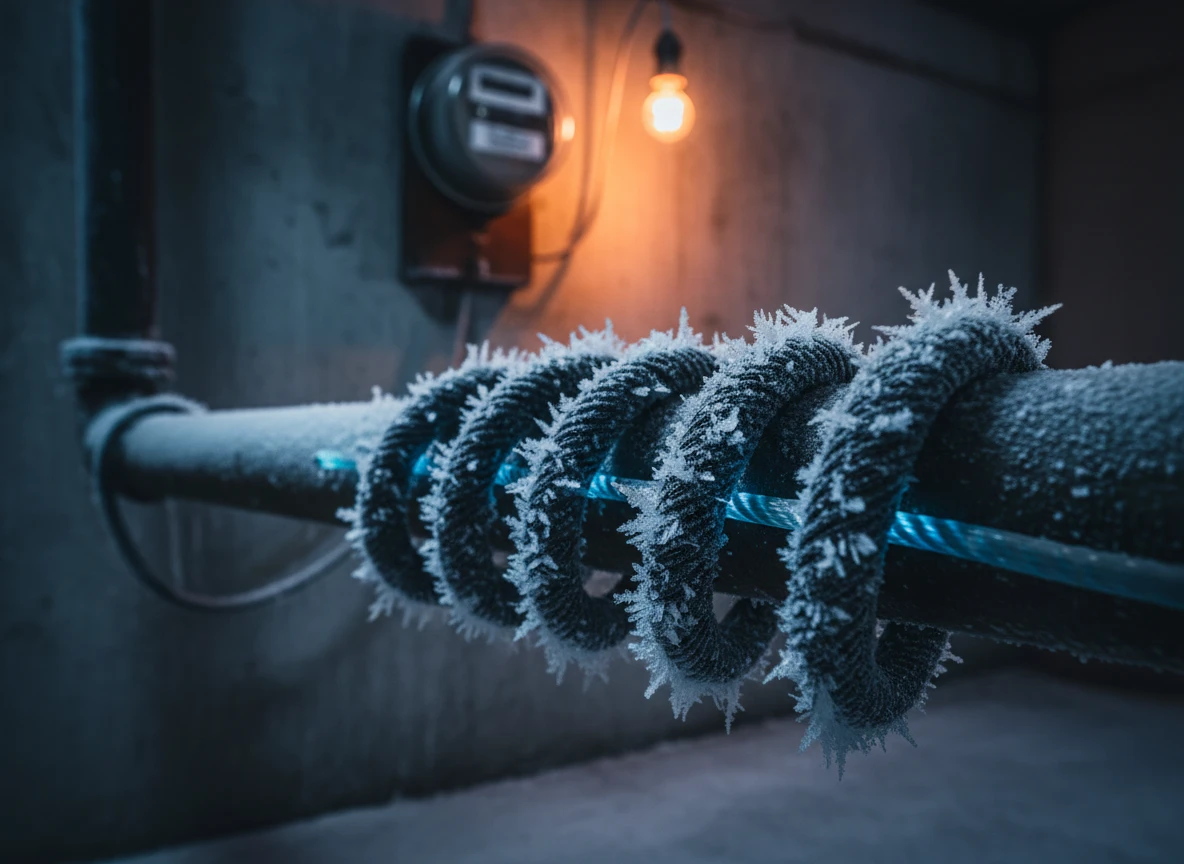
You swing your legs out of bed, expecting a wave of cozy warmth, but your bare feet hit freezing tile instead. You check the thermostat. Yes, it's turned on. So why is the floor still like ice? This agonizingly slow response is one of the biggest complaints people have with electric underfloor systems, and it usually makes homeowners worry that something is broken.
Most of the time, the heating element itself is perfectly fine. The real issue is just physics. Unlike forced-air systems that blast hot air to warm a room instantly, radiant heat has to work its way through solid materials like cement, thinset, and tile. That takes time.
In a perfect setup, a standard floor heating mat needs only 20 to 40 minutes to hit a comfortable 26°C. But if your cables are sitting directly on an uninsulated concrete slab, you might wait hours. Concrete is a giant sponge for cold. It sucks the heat downward instead of letting it rise into your toes. Plus, if you turn the system completely off overnight to save a few pennies, you force it into a long, slow crawl to get back up to temperature every single morning.
At Integro Process Heating Solutions, we troubleshoot these kinds of heating issues every day. We've learned that a slow-warming floor is almost always caused by external issues, not broken parts. It could be a lack of insulation underneath, or maybe you have thick rugs blocking an underfloor heating system from doing its job. Fortunately, these problems are fixable. Let's look at what's keeping your floors cold and how to get them warm faster.
Why your subfloor is stealing all the warmth
The thermodynamic sink underneath your feet
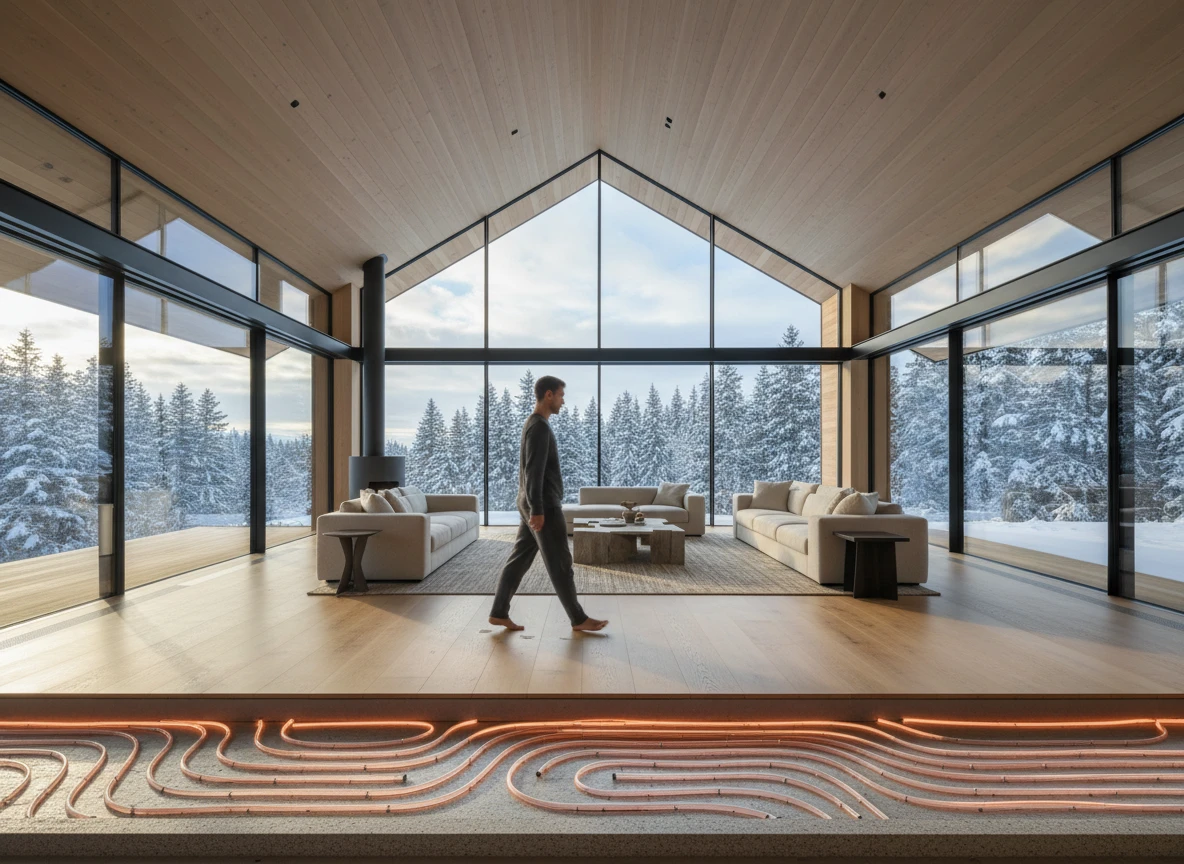
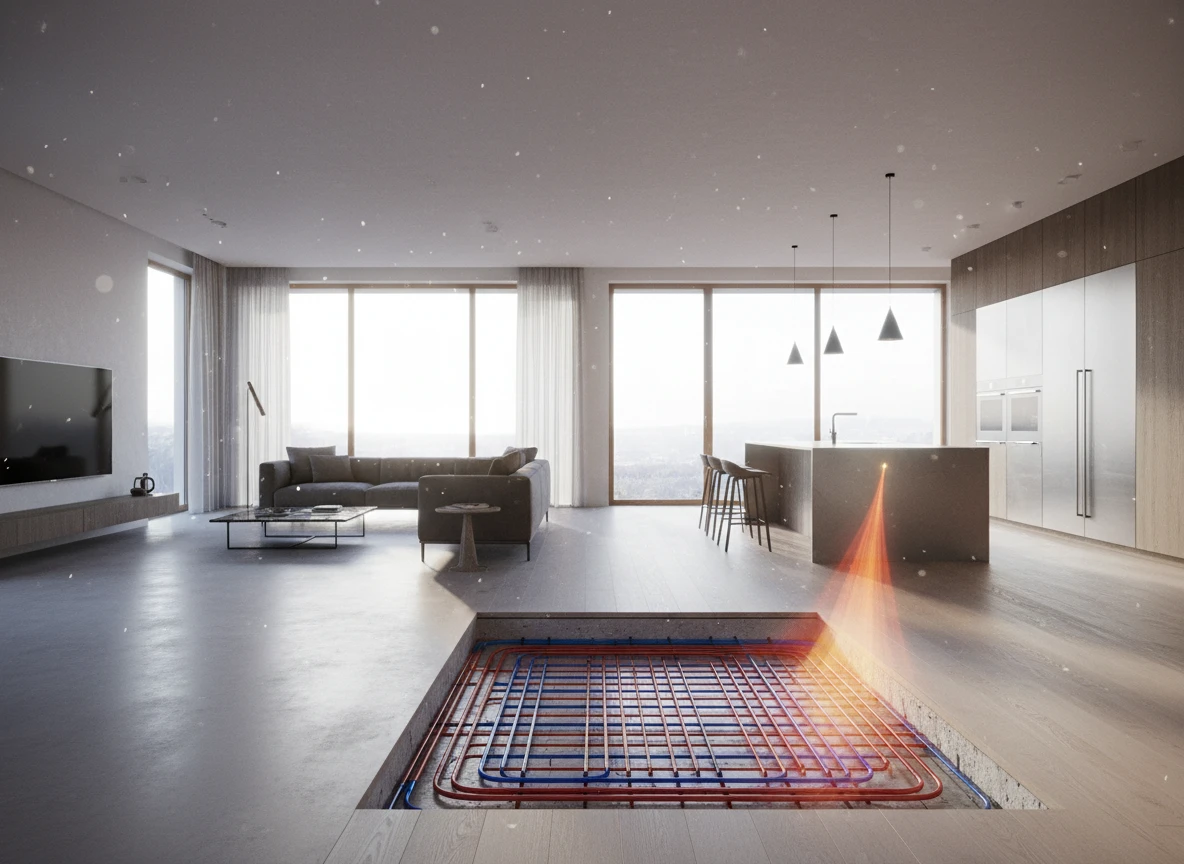
An uninsulated concrete slab can absorb up to 50% of the thermal energy produced by electric radiant floor heating systems, directing it downward into the earth rather than upward into your living space. This massive energy drain occurs because of a thermodynamic principle known as thermal lag. When you install an underfloor heating system directly over a high-density, uninsulated subfloor, the concrete acts as a giant heat sink. It has a high thermal capacity, meaning it must absorb a massive amount of heat energy before its temperature rises even a single degree.
The physics of thermal conduction dictate that heat travels from a warmer object to a colder one. Because an uninsulated slab is in direct contact with the cold earth, it continuously pulls heat away from your finished floor. If there is no thermal barrier between your heating cables and a cold concrete slab, the energy will migrate along this path of least resistance. At Integro Process Heating Solutions, we analyze these thermal transfers daily. We see that neglecting a simple 6mm insulation board can stretch warm-up times from a brief 30 minutes to over four sluggish hours.
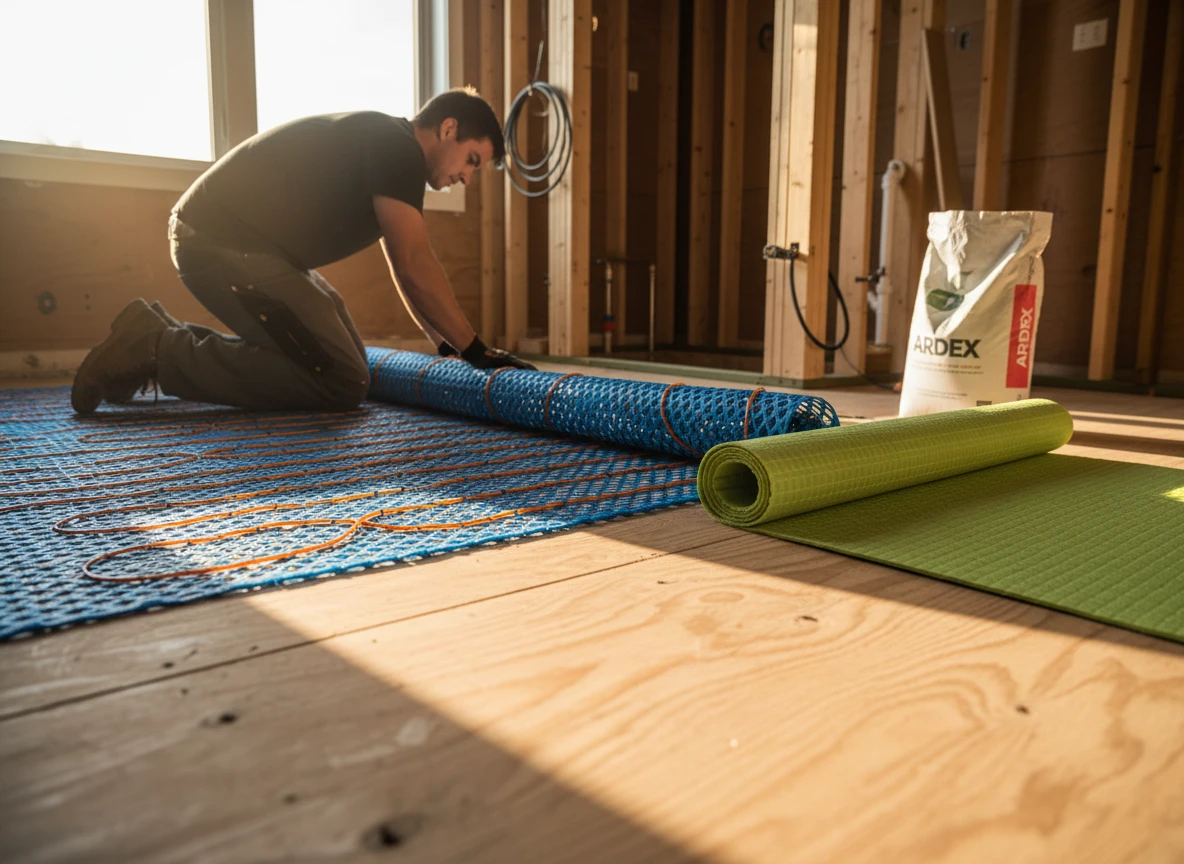
This lag often leads homeowners to believe their system is malfunctioning. But the heating elements are working perfectly; they are simply losing the battle against a massive, uninsulated block of concrete. If you are retrofitting a space, choosing the right insulation is just as important as the heating layout itself. For instance, when planning a remodel, integrating proper insulation under your electric floor heating setup prevents this downward bleed. This ensures that the thermal energy is immediately directed upward into the floor finish, saving both time and utility costs. Without this barrier, you are essentially trying to heat the foundation of your entire home.
Thermal lag and the bottleneck of dense floor coverings
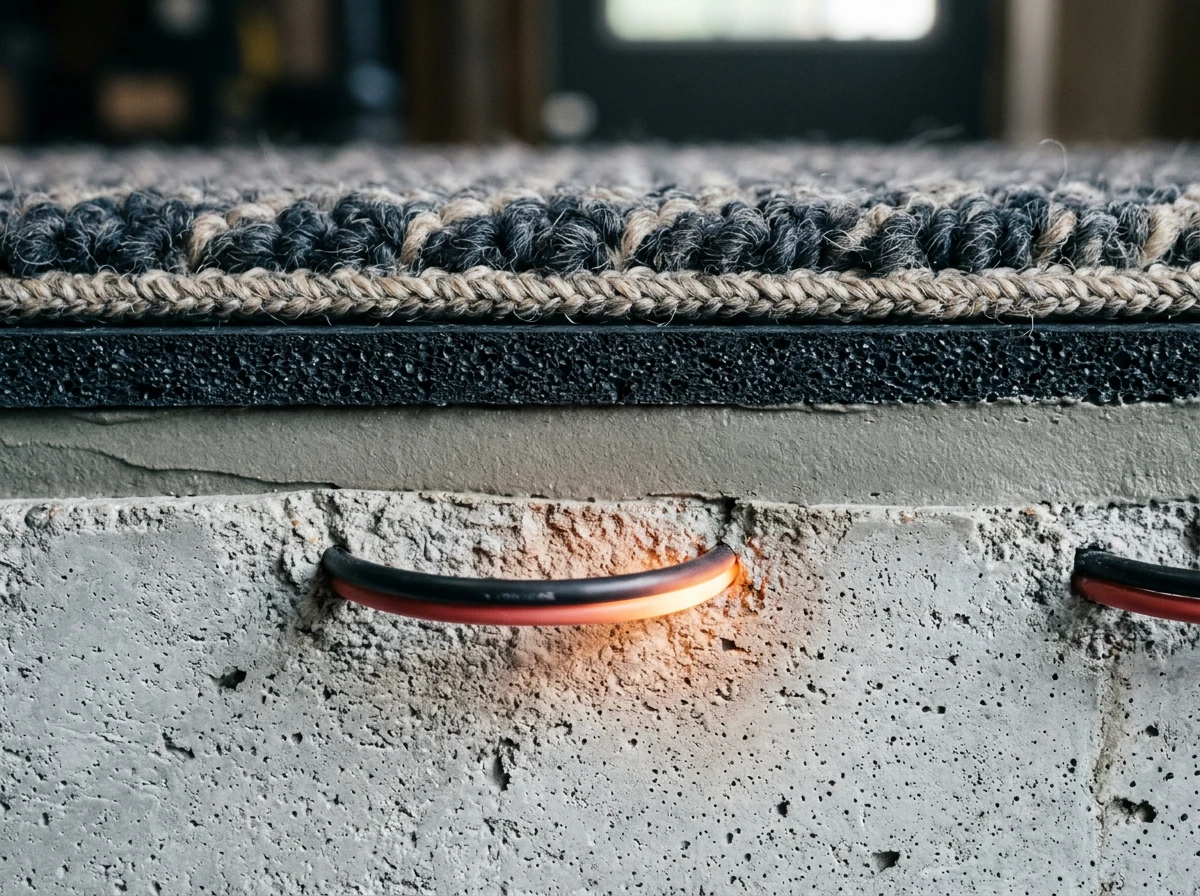
The thermal bottleneck above the cable
Downward heat loss drains massive amounts of energy. But the material directly above your floor heating mat dictates how fast that energy actually reaches your feet. At Integro Process Heating Solutions, our domestic and commercial heating layouts look beyond the subfloor. Top-layer materials like cork, thick wool carpets, and heavy underlays act as highly effective thermal barriers. They choke the heat.
Any carpet and underlay combination exceeding 2.5 TOG (about R-1.5) thermal resistance will choke your floor heating system. Heat gets trapped in the subfloor. Temperatures spike beneath the finished floor while the room stays cold. This is classic thermal lag. It forces systems to run constantly, spiking your energy bills. Certified underfloor heating suppliers and underfloor heating manufacturers know that keeping thermal resistance low is non-negotiable.
Laying dense materials like cork or solid hardwood directly over cables without adhesive channels causes major issues. Wood has low thermal conductivity. For example, heat takes far longer to pass through a 15mm oak board than a 10mm porcelain tile. If your floor limit sensor is set low to protect that wood, the system shuts down prematurely. The room never reaches a comfortable temperature.
Thick sand-cement screeds present another bottleneck. They turn responsive electric setups into slow-reacting thermal masses. This mimics how a hydronic radiant floor heating system behaves, but without the benefit of low-cost continuous operation. To get fast warm-up times, you must minimize the thermal mass above the cable. Experienced underfloor heating exporters can help match system outputs to specific flooring specifications. Consult specialized underfloor heating system suppliers or underfloor heating system manufacturers to get the correct watt-density for your floor covering. For heavy-duty setups, underfloor heating system exporters must account for regional building standards. The right material thickness prevents your floor from acting as an accidental thermal shield.
How to fix it: calibration, continuous heating, and zoning
If you treat your underfloor heating like a standard forced-air furnace, you're wasting energy and waiting hours for warmth. You can't blast an underfloor system for thirty minutes and expect instant comfort. The physics of thermal mass don't work that way. To fix a sluggish system, you need to change how you control it.
Stop turning the system completely off
The biggest mistake I see homeowners make is shutting their system down overnight to save electricity. When you do this, the entire subfloor cools down to the foundation temperature. In the morning, your system must heat hundreds of pounds of concrete or wood before any heat reaches your feet.
Instead of turning it off, use a setback temperature strategy. Program your thermostat to drop no more than three to four degrees Celsius when you're sleeping or away. This keeps the thermal mass primed. When the system kicks back to comfort level, it only takes twenty minutes to bridge the gap, not three hours. At Integro Process Heating Solutions, we apply these same thermal retention principles across all our domestic and commercial heating installations to ensure stable, predictable performance.
Calibrate your sensors and thermostat
Many sluggish floor heating solutions are actually suffering from poor sensor placement or incorrect thermostat settings. If your thermostat relies on an air sensor, it shuts off as soon as the room air warms slightly, leaving the floor cold.
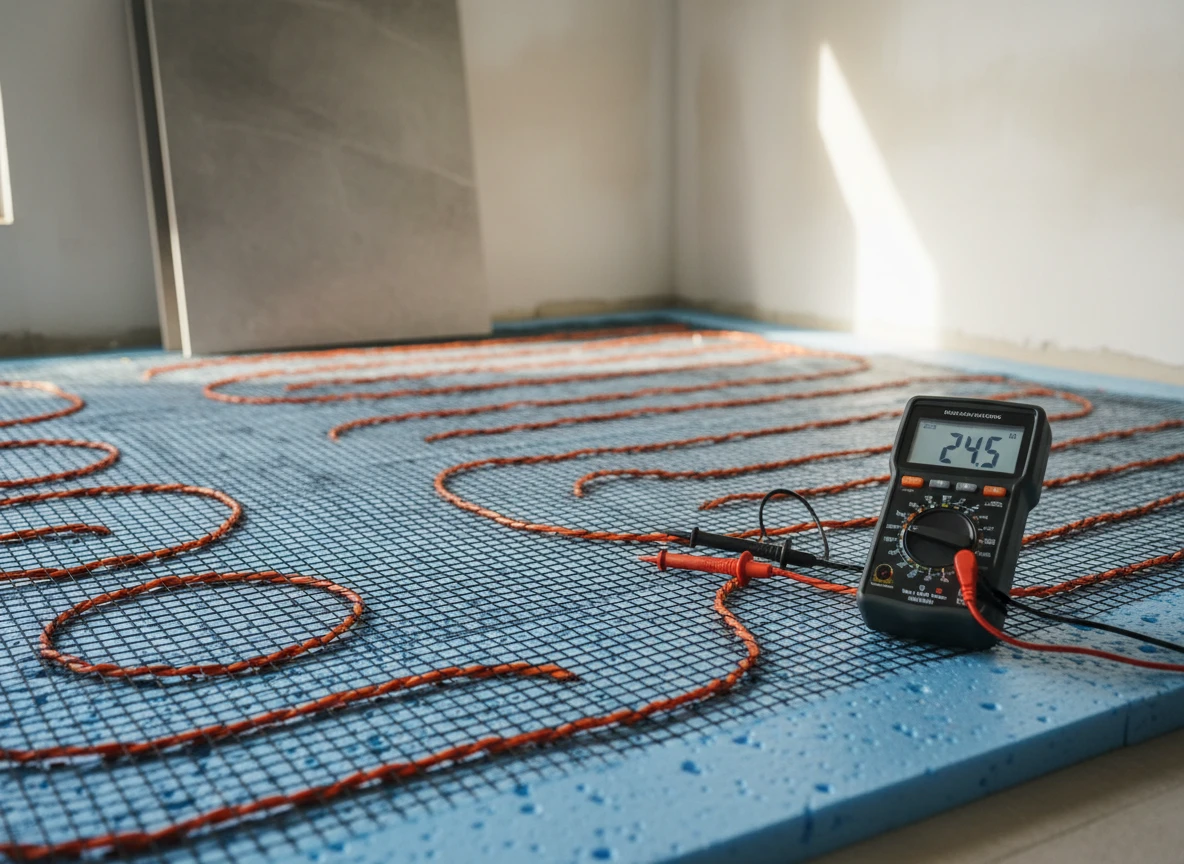
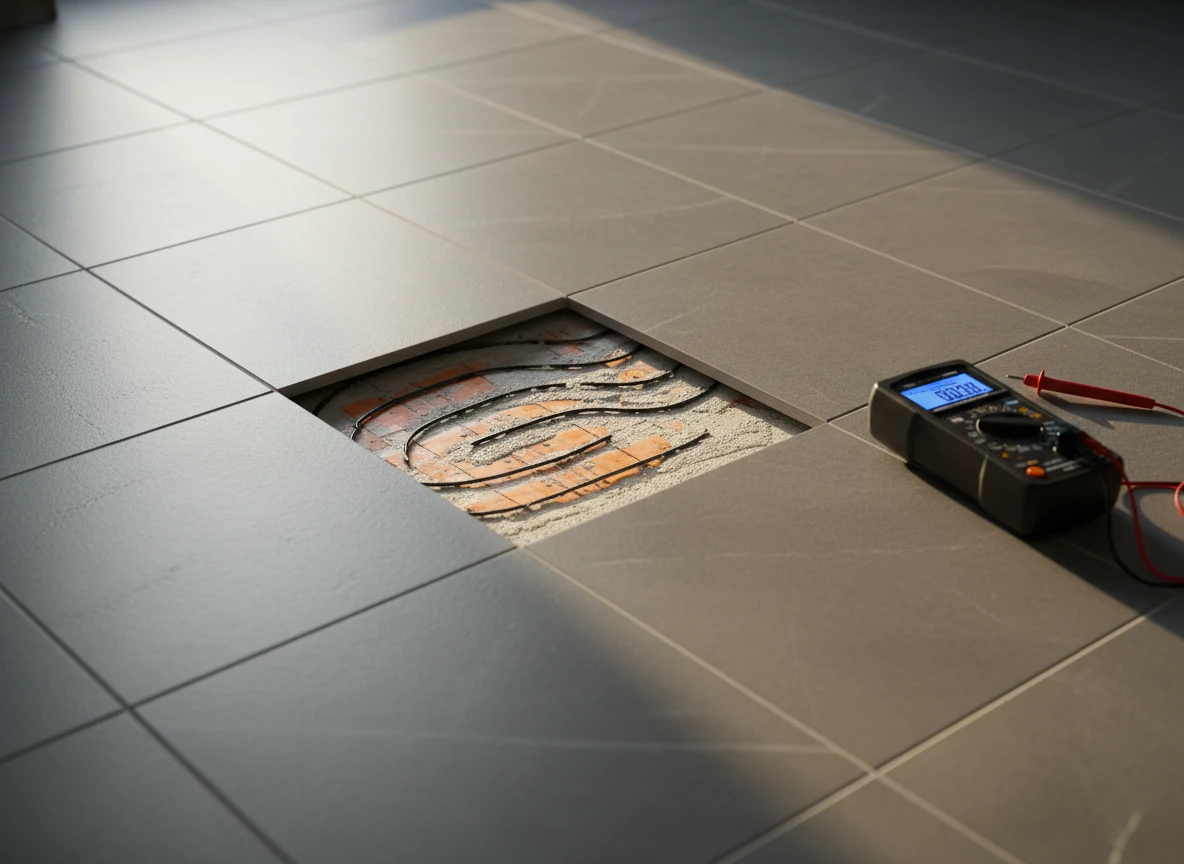
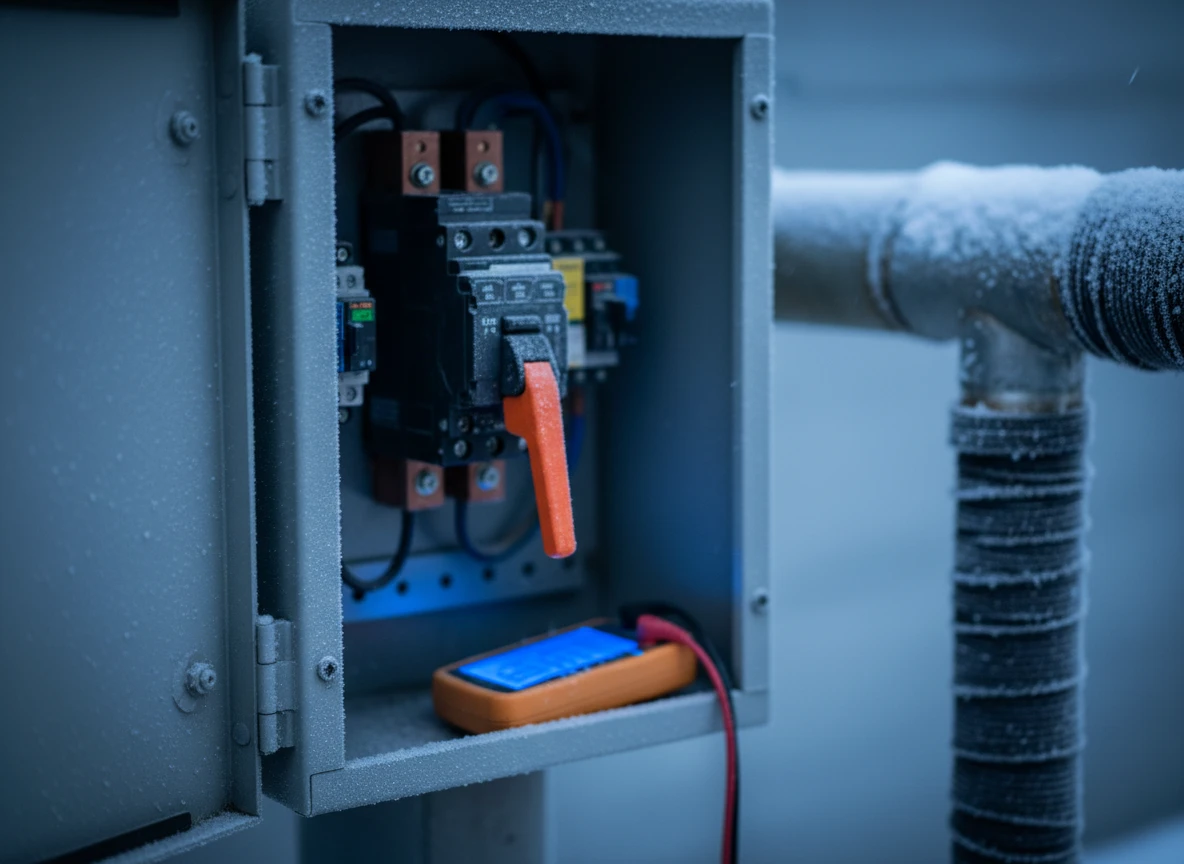
Configure your thermostat to "floor sensing" mode, not "air sensing" mode. This forces the system to measure the actual temperature of the tiles. If you suspect the sensor is misreading, test the sensor resistance with a multimeter. A bad reading means the system thinks the floor is warmer than it actually is, causing it to cycle off prematurely.
Implement smart zoning
Do not heat your entire home on a single zone. If you heat the guest bathroom at the same time as your kitchen, you waste power and slow down the recovery time of the active areas. Divide your home into distinct thermal zones with independent thermostats.
In my industrial projects, we use targeted thermal boundary controls. For example, we design flexible heating jackets and insulated heating jackets to keep heat locked into specific vessels rather than letting it bleed away. We apply this same logic to buildings. If you only use your master bathroom in the morning, program only that zone to warm up.
If your zoning is set up correctly but you still experience slow startup times, your system might be undersized for the room's heat loss. This often happens in rooms with high ceilings or poor wall insulation. In these cases, maintaining a steady baseline temperature is your only real defense against long wait times.
For larger volume spaces, managing thermal energy requires structured containment. We see this in industrial settings where a dedicated heating chamber or an IBC heating jacket is used to control temperature distribution. In your home, zoning operates on the same exact physical laws. Keep the heat where you need it, when you need it, and stop letting it escape into unused spaces.
The smart hardware that keeps response times low
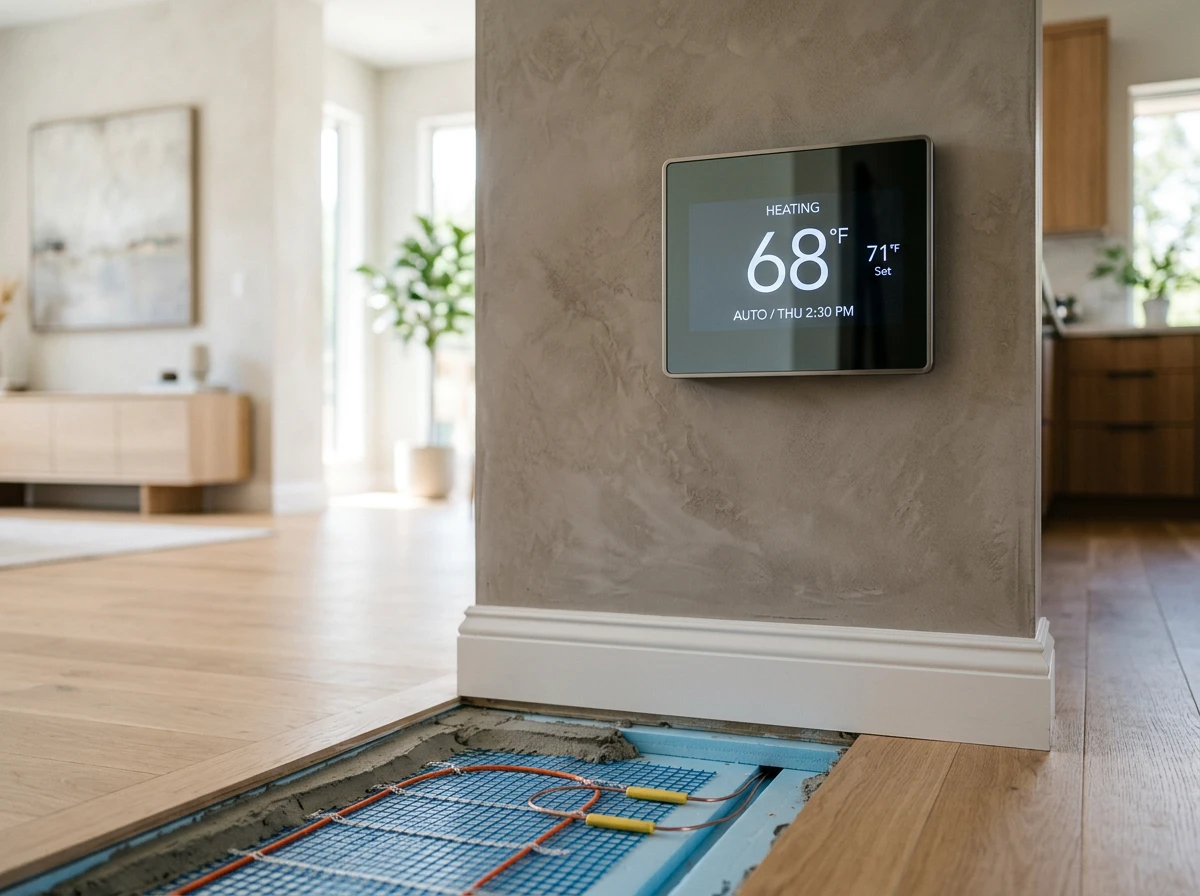
Smart hardware for rapid thermal response
How do you actually turn smart scheduling into real-world warmth? You need the right hardware. Standard thermostats only read the air temperature. That's a terrible way to run a high-mass floor system.
Instead, you want a smart thermostat with adaptive start. These controllers actually learn how long your floor takes to warm up. They look at past heating cycles and start warming the slab early. That way, the floor is already comfortable the moment you step out of bed. The system does all the work while you're still sleeping.
But a smart controller is useless without good data. Many systems struggle because they rely on one poorly placed sensor. Using two sensors gives you a backup and stops cold spots or hot spots from tricking the thermostat.
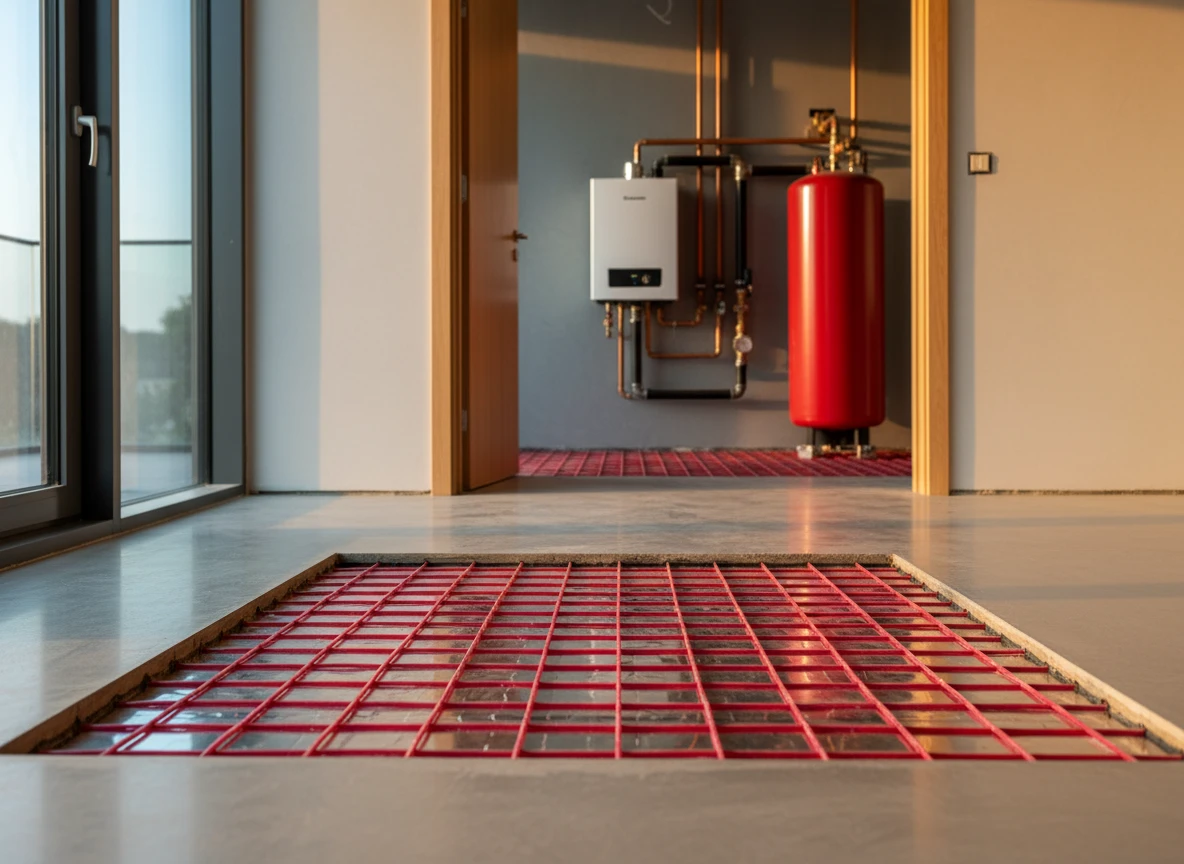
If you want the floor warm in under thirty minutes, you need high-density insulation boards underneath. Without them, half your heat sinks straight down into the cold concrete subfloor. That drags your startup times from minutes to hours. The heat goes the wrong way.
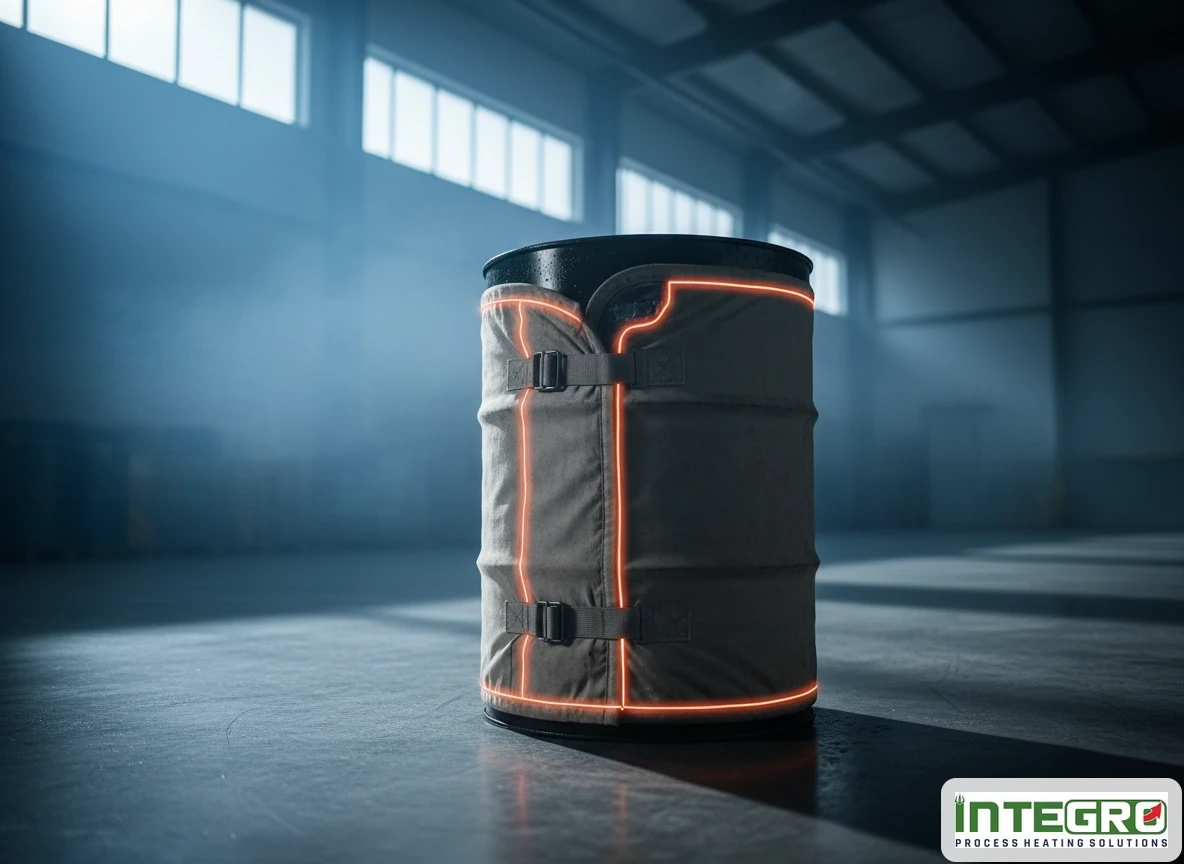
At Integro Process Heating Solutions, we deal with these exact thermal issues every day in industrial plants. Whether we're designing a high-precision drum heating chamber or making custom insulated heating jackets for chemicals, stopping heat loss is always our main focus. We bring that same logic to home heating. Cutting down thermal lag matters just as much on a bathroom floor as it does on a factory floor.
Sure, tearing up an existing floor just to add insulation boards isn't realistic during a quick tile refresh. But if you're installing a brand-new system, skipping insulation is a costly blunder. When you pair a smart thermostat with dual sensors and solid insulation, you get a fast, predictable heating system. You're working with physics instead of fighting it.
The critical install mistakes that leave floors stone cold
Imagine spending thousands on a pristine tile installation, only to flip the switch on your new electric underfloor system and get nothing but stone-cold silence. It's a scenario that happens more often than you'd think. In our engineering work at Integro Process Heating Solutions, we frequently see these complete failures traced back to a single afternoon of rushed installation. The most common culprit is skipping the multi-stage resistance test.
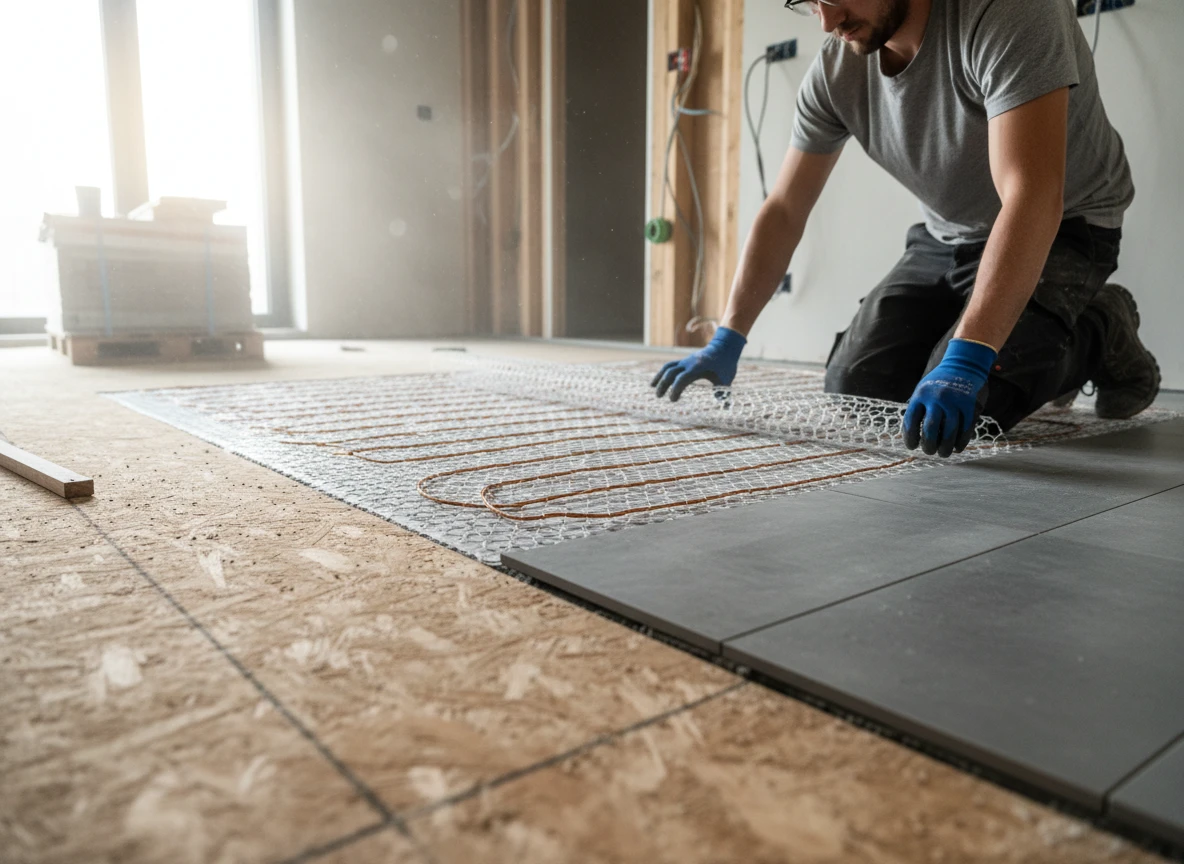
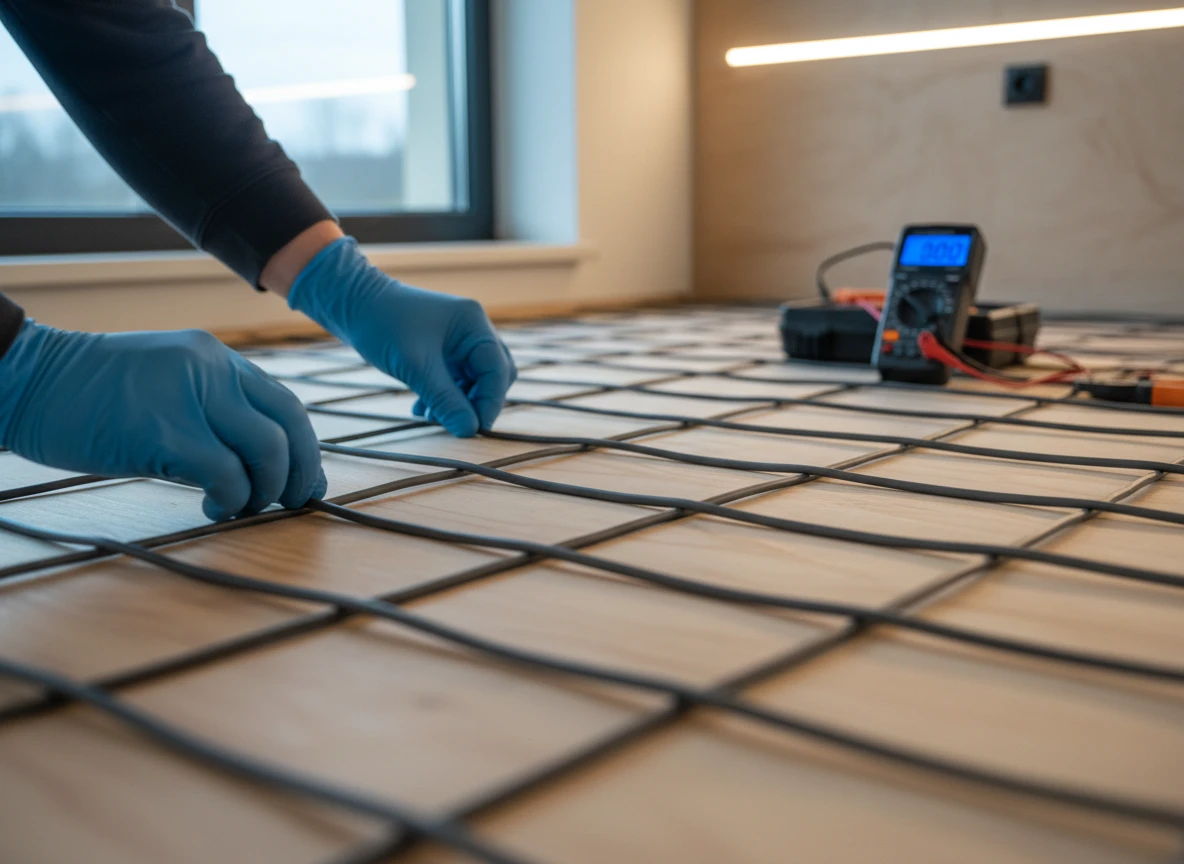
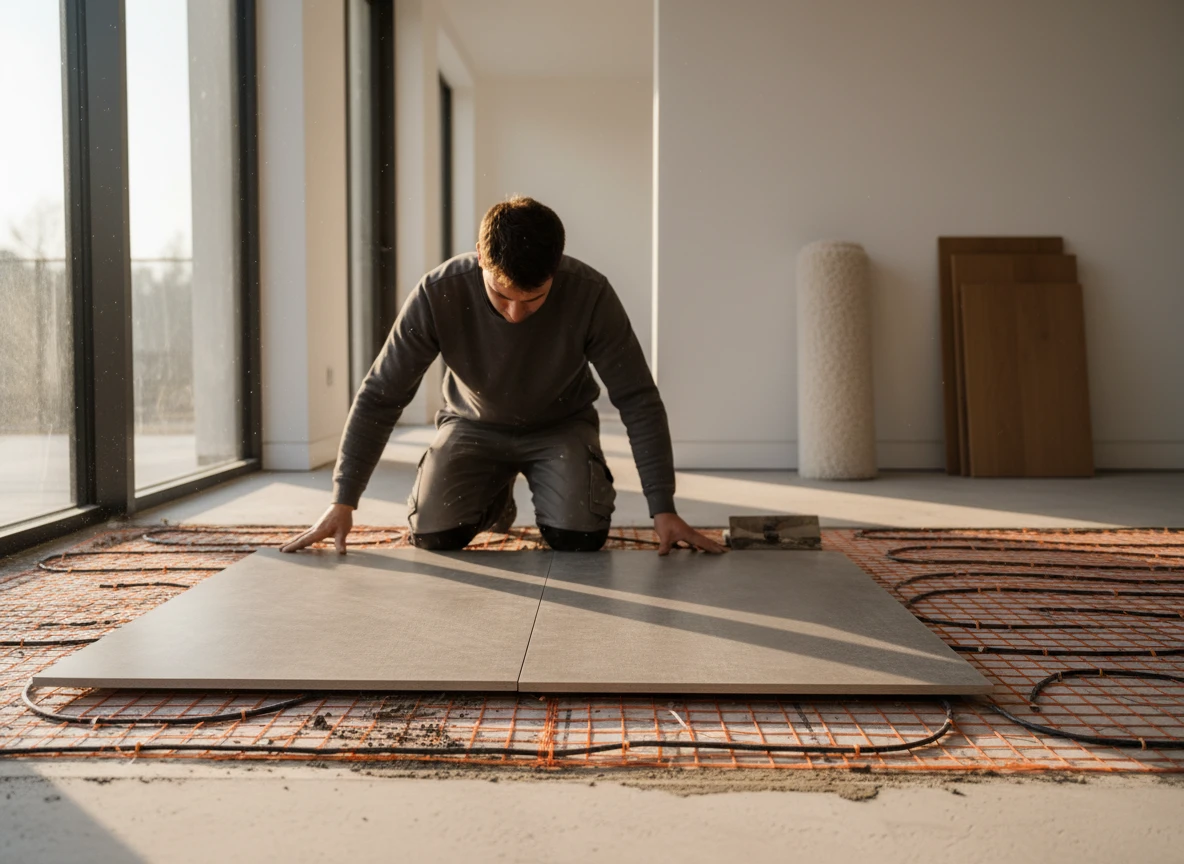
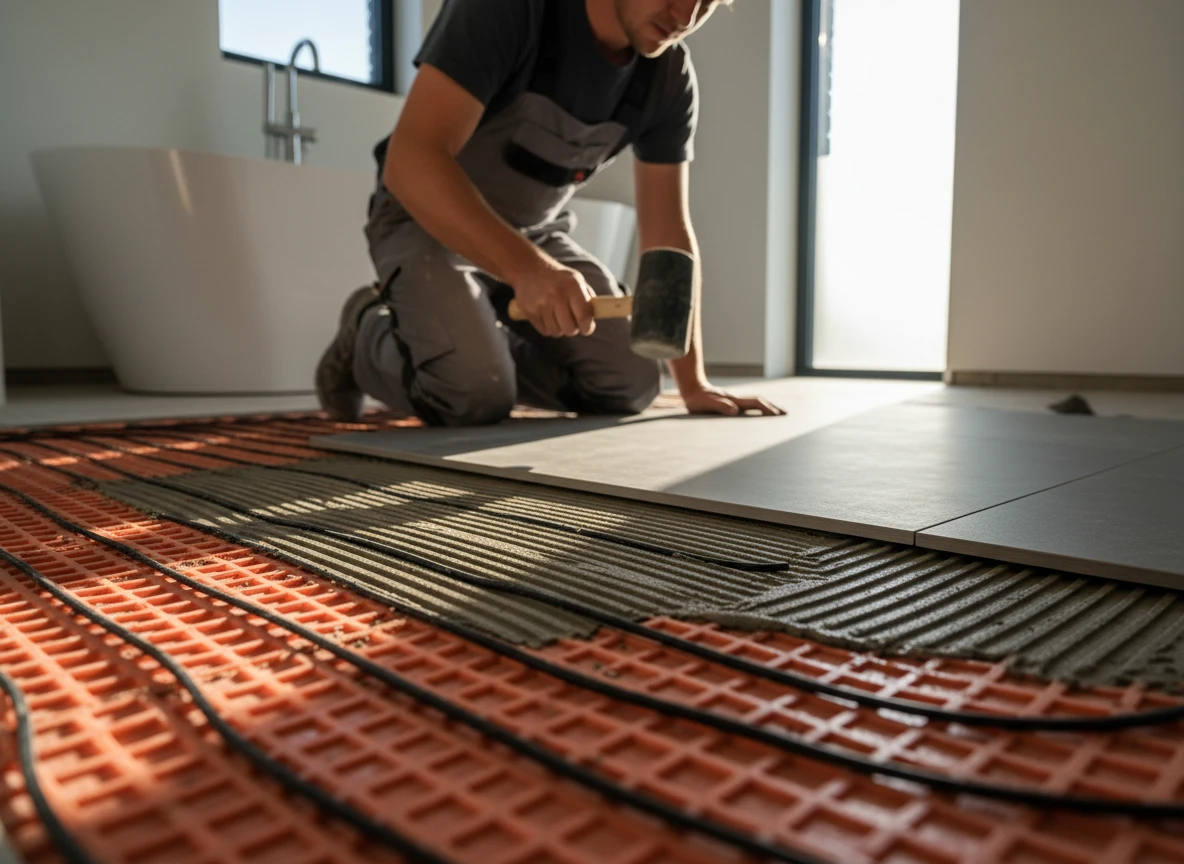
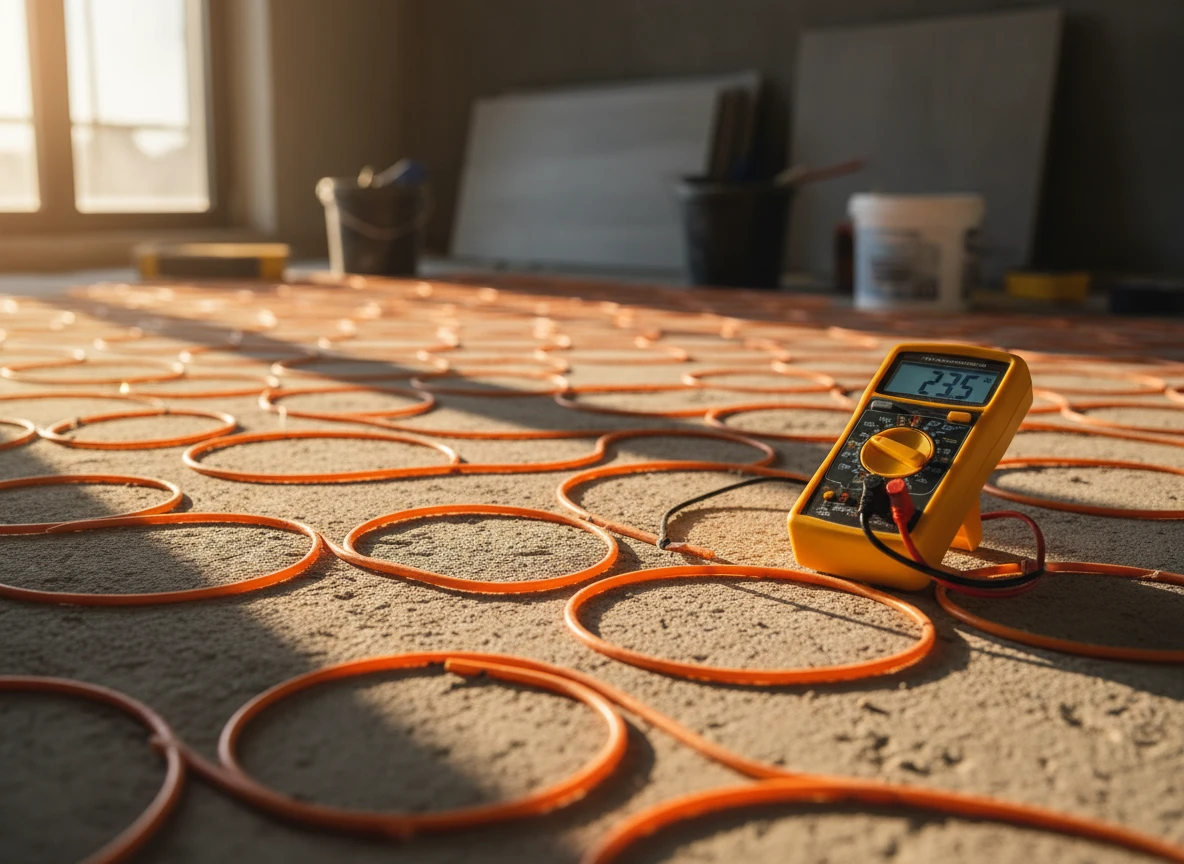
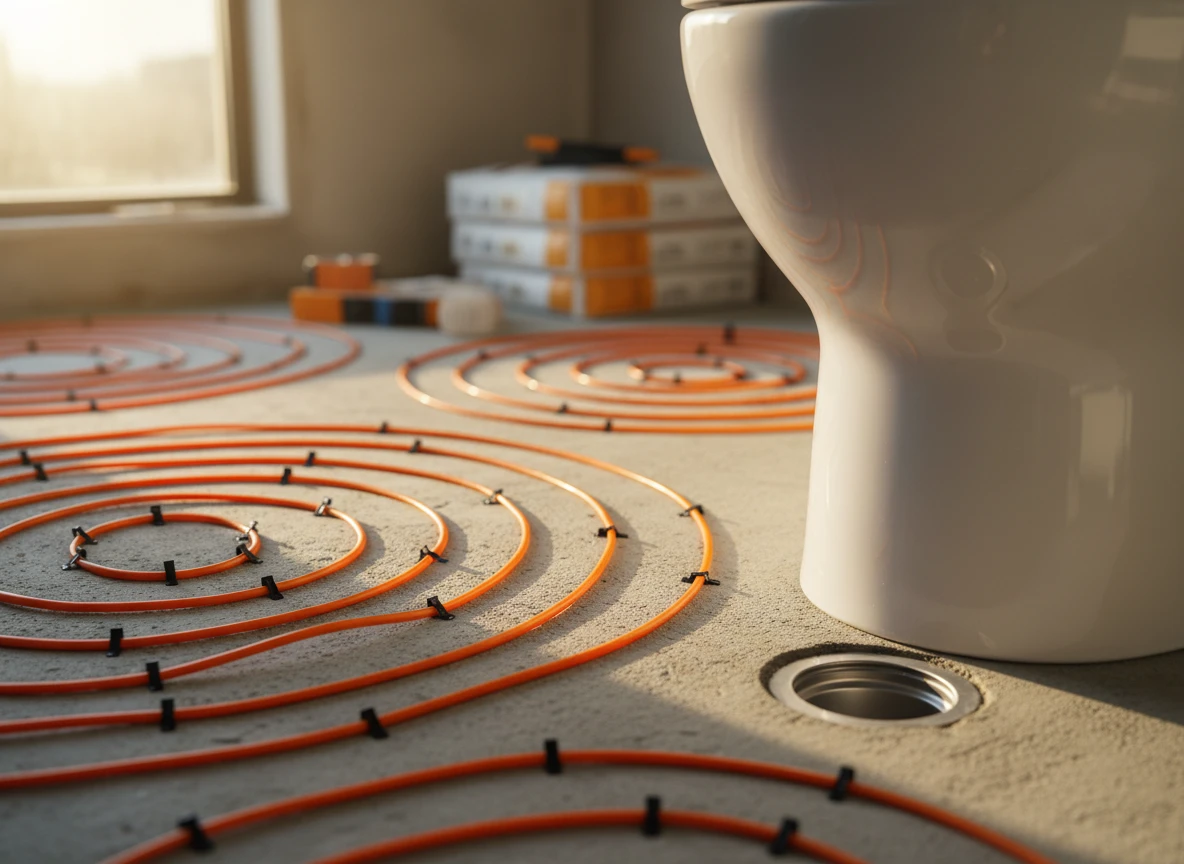
An installer must measure the resistance of the floor heating mat before, during, and after laying the mortar. But if a trowel nicks the wire and it's not caught immediately, that break is permanently sealed under cured thinset. Another classic oversight is neglecting to install a backup floor sensor. We always recommend pulling a secondary probe alongside the primary one, housed safely inside a protective conduit. If the primary sensor fails (which does happen over time), you can simply swap the wires at the thermostat instead of tearing up expensive tile.
Even when the physical hardware survives the pour, simple configuration errors can stall your system. And if your thermostat is mistakenly set to air-sensing mode rather than floor-limiting mode, the unit will shut down long before the heat penetrates the thermal mass. While some basic systems might get by with default configurations, the reality is that most require manual tuning to perform efficiently. For those managing larger residential or light commercial projects, deploying professional-grade underfloor heating systems ensures these technical guardrails are built into the design. Just as we design custom drum heating jackets for precise industrial temperature control, residential electric setups require the same uncompromising attention to sensor placement and wiring integrity.
Getting the cozy floors you actually paid for
Slow heat-up times are rarely a product defect. They are almost always a design or operational failure. If your electric floor heating systems take hours to reach a comfortable temperature, you are likely heating the earth beneath your concrete slab instead of your living room.
Fixing this requires a shift from reactive to proactive heating. Stop turning the system completely off. Use a smart setback temperature of three to four degrees below your target. This keeps the thermal mass primed and slashes morning warm-up times from hours to minutes.
At Integro Process Heating Solutions, we understand that thermal containment is everything. Whether engineering industrial drum heating jackets to prevent heat loss or optimizing domestic and commercial heating installations, the physical laws of thermodynamics do not change. Without a proper thermal insulation barrier beneath your heating cables, you waste half your energy.
Do not tolerate sluggish performance or high utility bills. Audit your thermostat settings today, verify your floor sensor calibration, and ensure your underfloor heating is programmed to work with your floor’s thermal mass, not against it. Take control of your system's calibration now so you can finally step onto the warm floors you paid for.
Tired of dealing with sluggish heating? Integro Process Heating Solutions delivers engineered industrial process heating equipment that cuts through thermal lag so you don't have to guess.
Frequently Asked Questions
How long should electric floor heating normally take to warm up?
Most standard electric mats embedded right beneath tile reach a comfy temperature in about 20 to 40 minutes. If yours is taking two hours, something's definitely off with your insulation or setup.
Does turning the thermostat off overnight actually save energy?
Honestly, it usually backfires. Because your cold subfloor acts like a massive heat sink, you'll burn way more energy trying to heat it back up in the morning than you would just keeping it at a steady, low setback.
Can I put thick area rugs over my heated floors?
You'll want to avoid heavy rugs because they trap heat right above the floor sensor, which tricks your thermostat into shutting off early while the rest of the room stays freezing.
Why does my concrete subfloor make underfloor heating so slow?
Bare concrete loves to absorb and bleed heat downward. Without insulation boards stopping that energy loss, you're essentially wasting half your power heating the ground beneath your house.