- By Admin
- Integro
- The cold truth about warm bathroom floors
- The hidden numbers driving up your electric floor heating cost
- How to configure your system for maximum efficiency
- The gear that keeps your underfloor heating from running wild
- Structural mistakes that quietly bleed energy downward
- Zoning and scheduling your way to lower bills
- FAQ
The cold truth about warm bathroom floors
The cost of stepping onto warmth
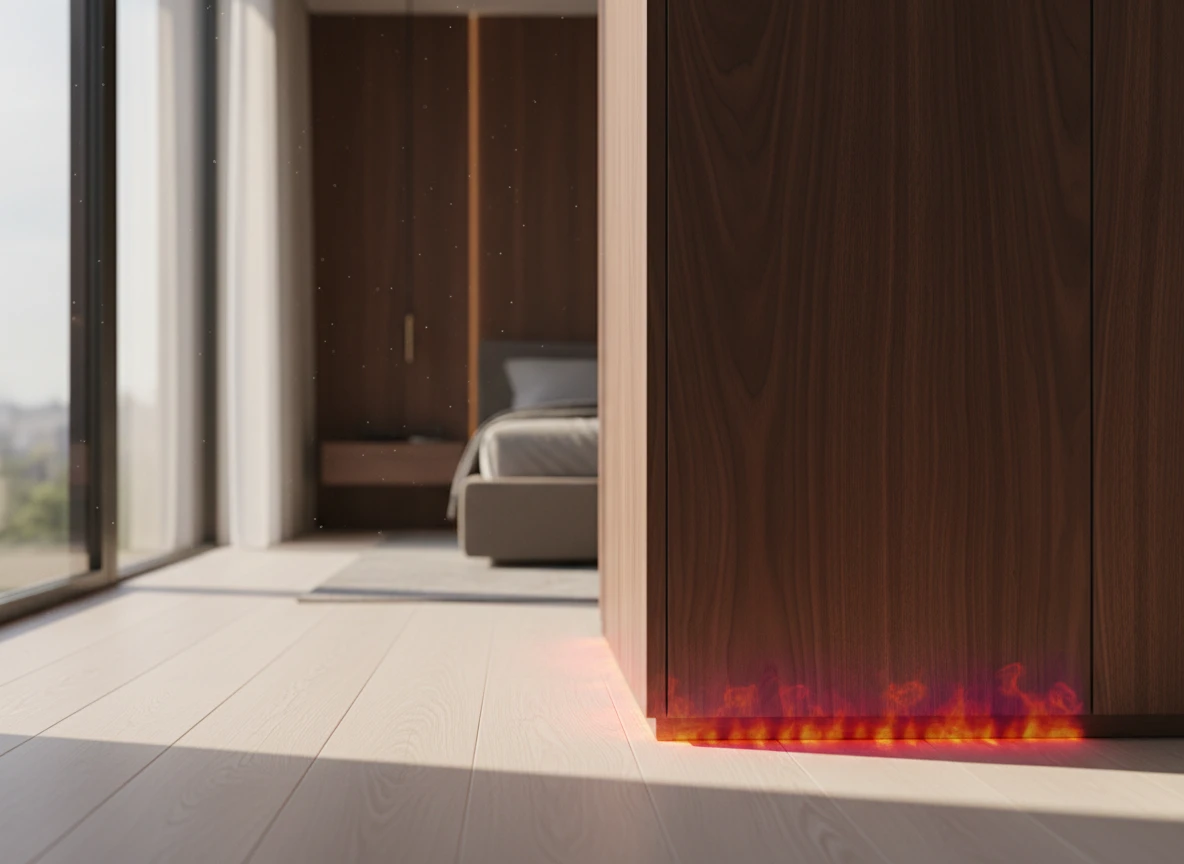
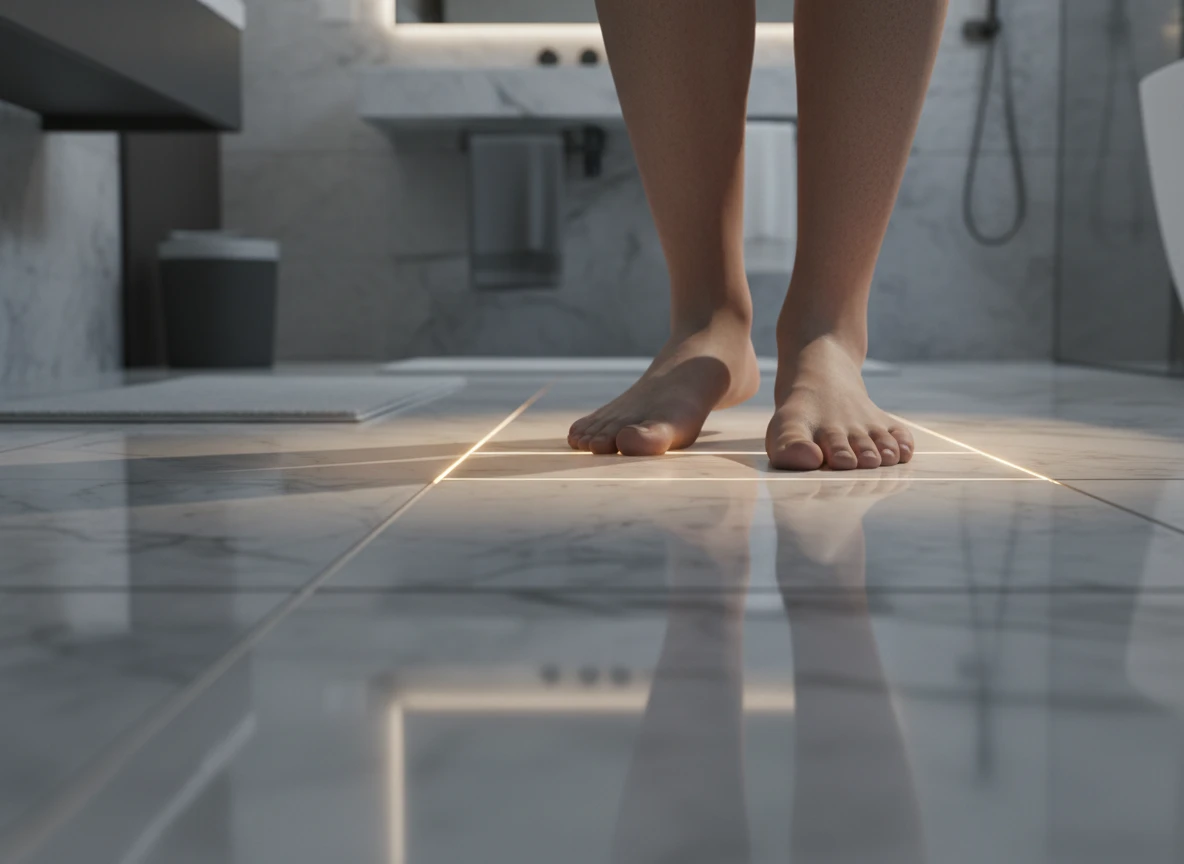
Imagine stepping onto a warm tile floor on a freezing winter morning, only to feel a different kind of chill when your monthly utility bill arrives. That cozy master bath oasis might be quietly pulling far more power than you think. At Integro Process Heating Solutions, we analyze thermal efficiency every single day, and we know that unmanaged heat transfer always finds the path of least resistance. When you run an underfloor heating system without proper thermal barriers, you are essentially trying to warm the concrete slab and the earth beneath your home.
Standard electric radiant floor heating consumes roughly 12 watts per square foot. For a standard 60-square-foot bathroom floor heating area, that translates to a continuous draw of 720 watts. If you leave that running 24/7 because you want instant comfort whenever you walk in, you'll easily burn through over 500 kWh in a single month. But the real issue isn't the technology itself; it's how we control it. Just as a poorly calibrated industrial heating system drains operational budgets, running residential heating elements manually guarantees massive energy waste.
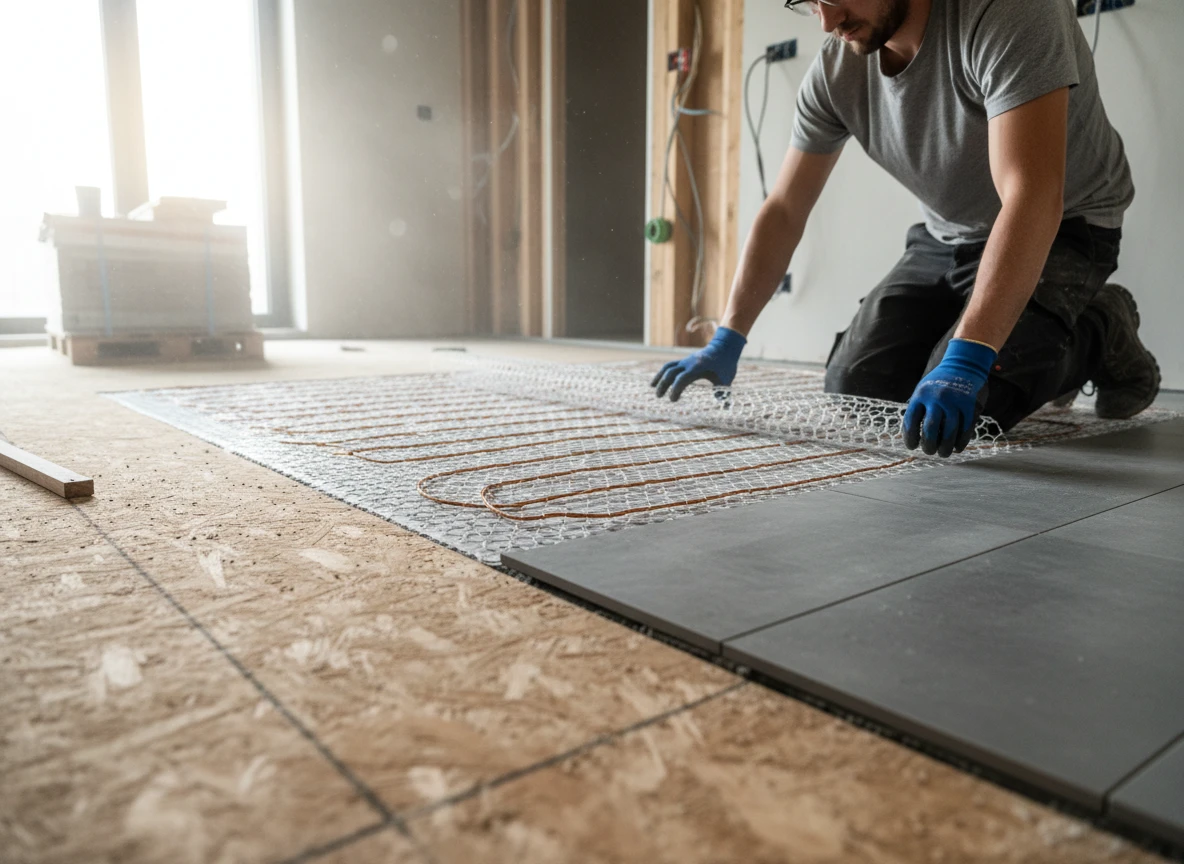
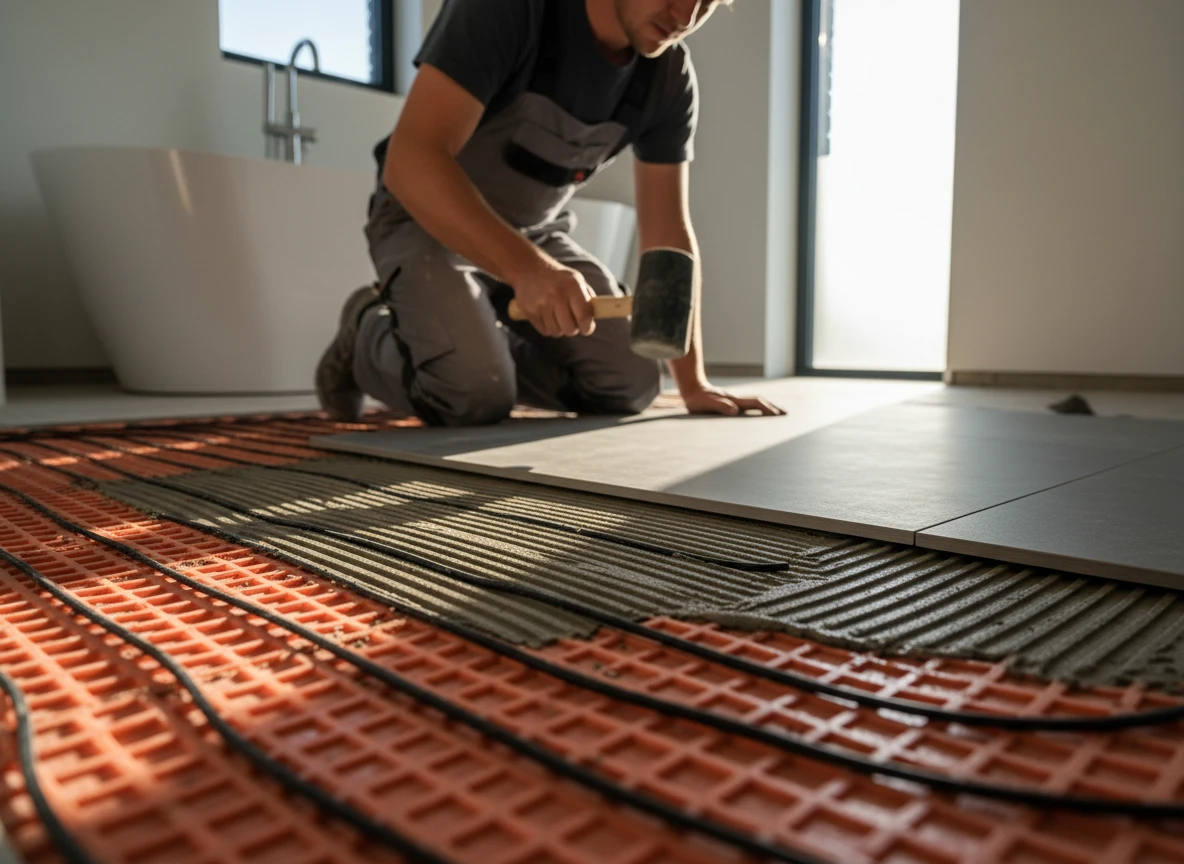
And the truth is, most residential installers skip subfloor insulation entirely during a quick bathroom remodel. So, instead of the thermal energy radiating upward into your cold ceramic or stone tiles, nearly half of it escapes downward into the structural framing. Results vary depending on your home's construction, but neglecting these fundamental thermal dynamics can easily double your operating costs.
But you don't need to abandon the luxury of warm floors altogether. You just need to stop treating a highly localized comfort feature like a primary, always-on furnace. By understanding the balance between direct thermal comfort and continuous energy drain, we can design much smarter, automated control strategies that keep your toes warm without emptying your wallet. It's all about managing the duty cycle of the system.
How to configure your system for maximum efficiency
Calibrating your system for maximum efficiency
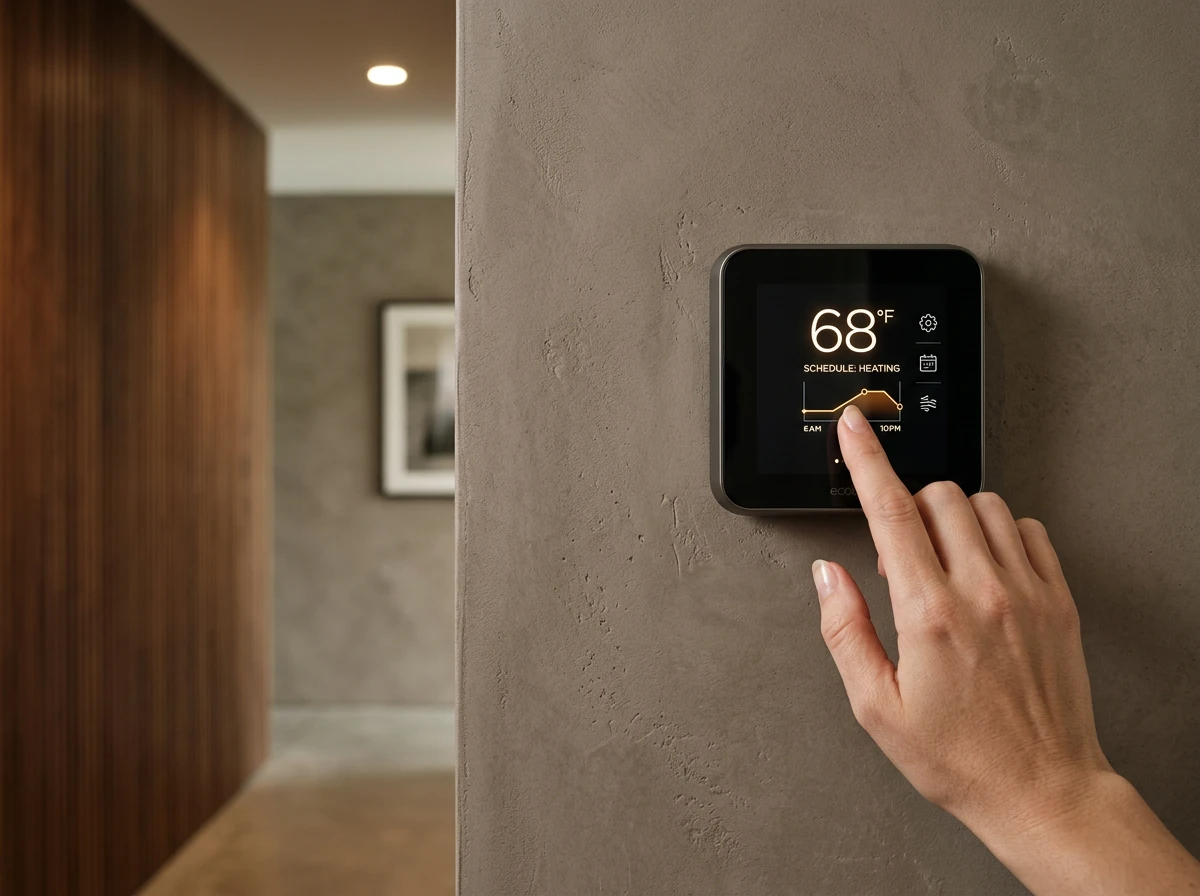
Translate the math of wattage to your monthly bill, and the next step is optimizing the physical and digital control points. Default factory settings waste energy. We see this constantly. At Integro Process Heating Solutions, we analyze industrial thermal dynamics to stop energy waste, and these same precision engineering principles apply directly to residential underfloor heating systems.
Sensor placement geometry
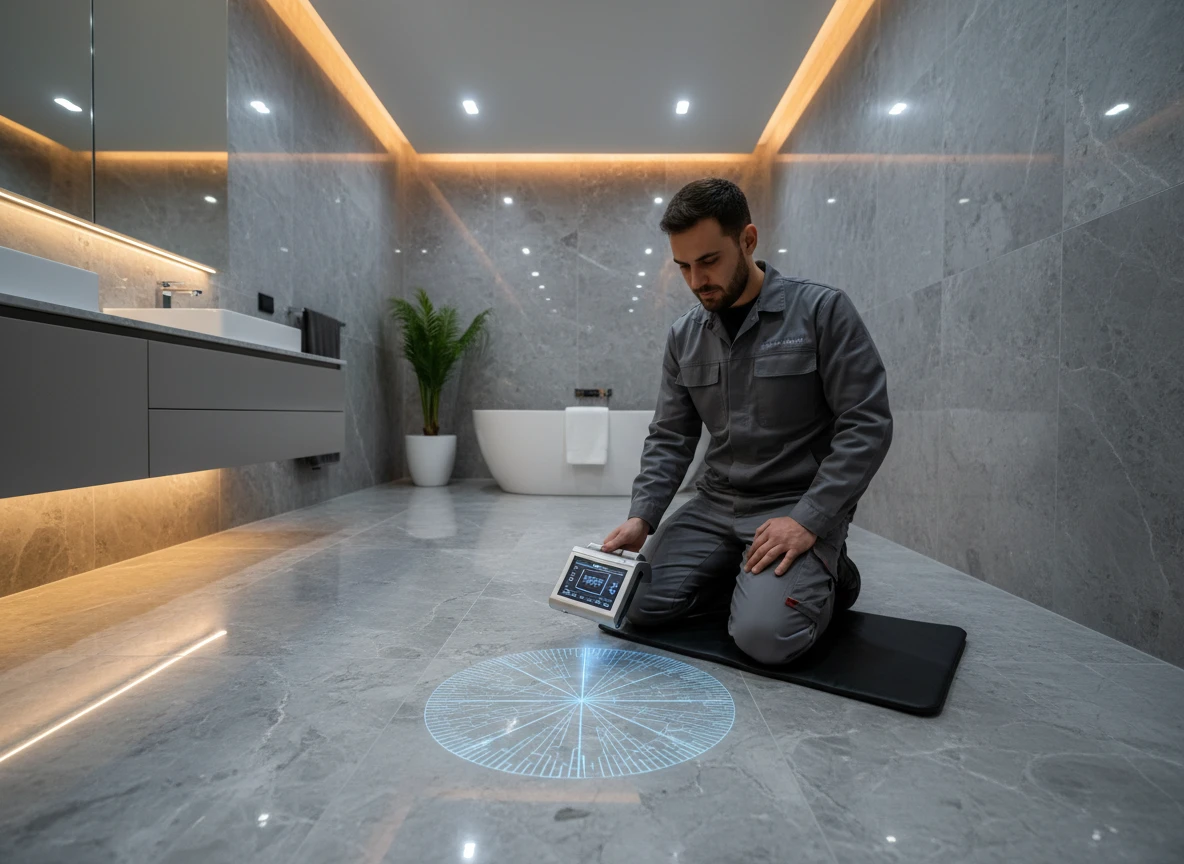
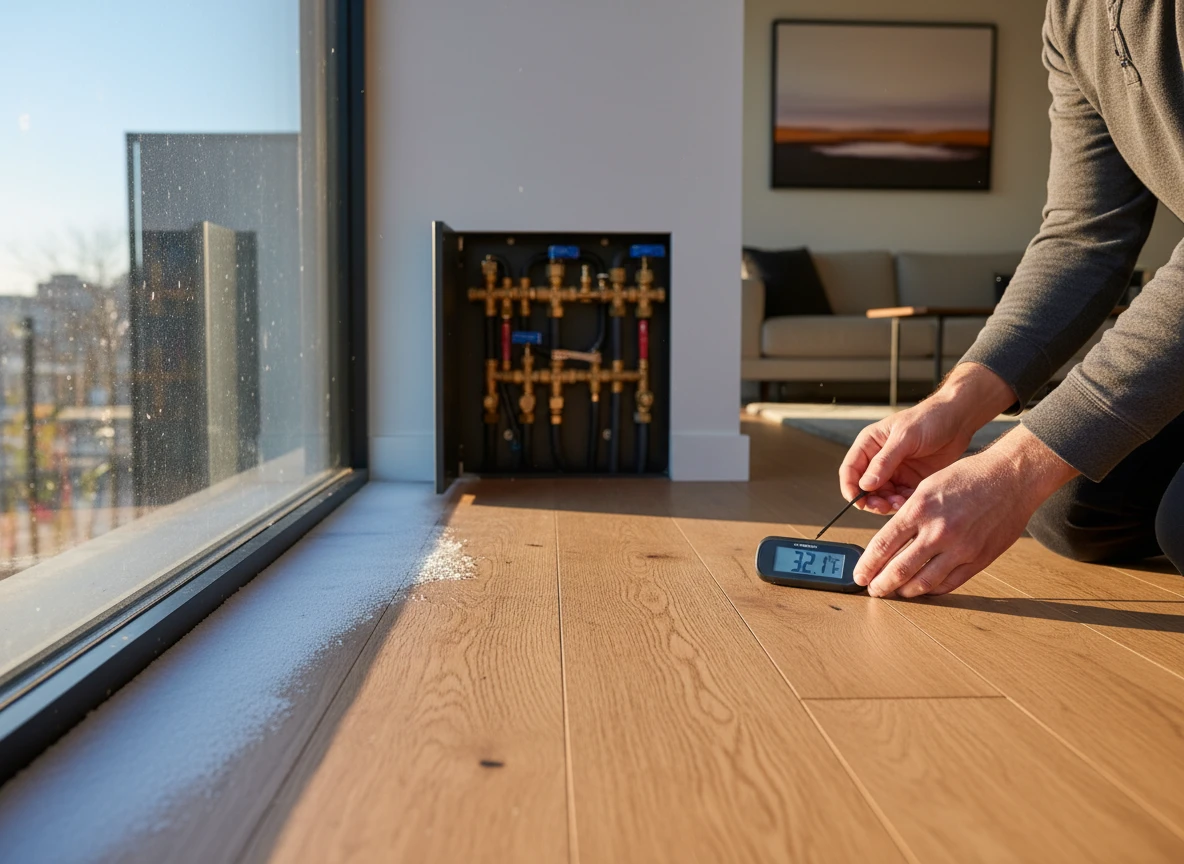
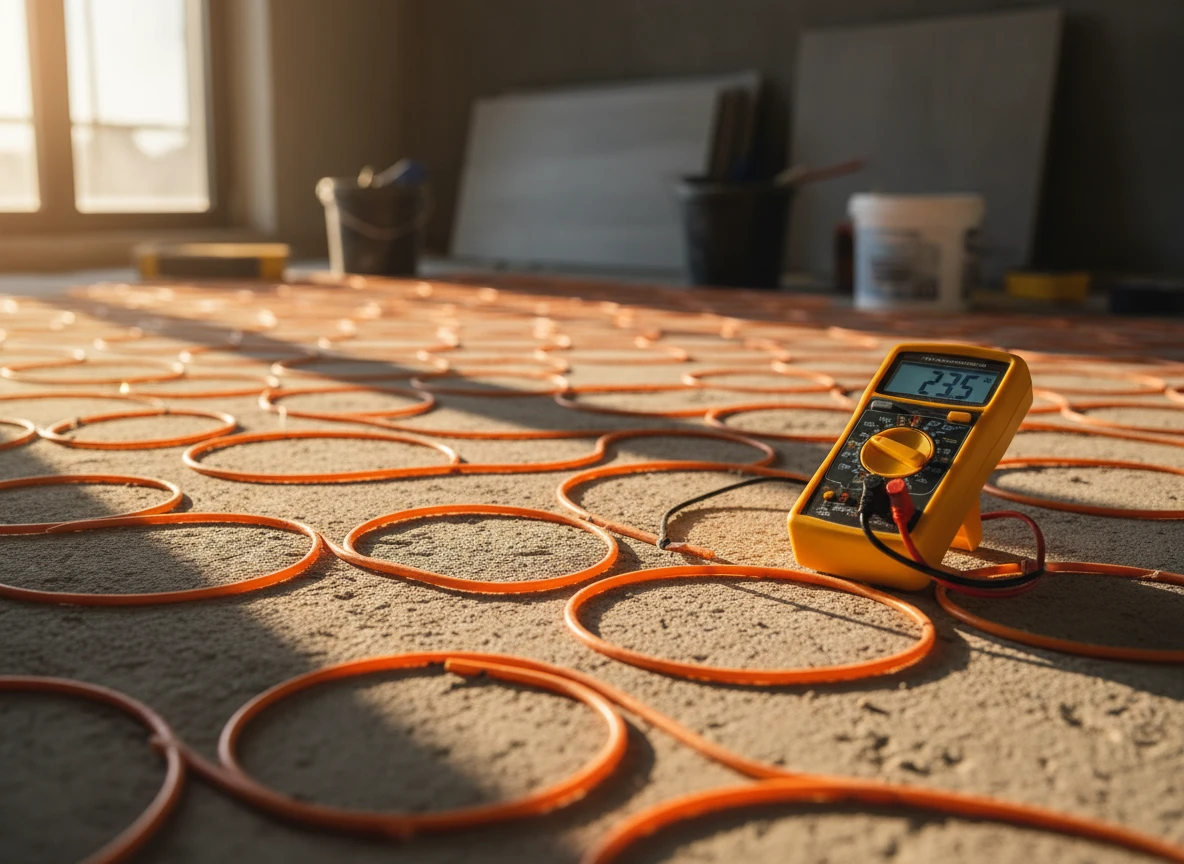
Your thermostat depends entirely on data from the floor sensor. If the sensor reads wrong, the system fails. A common installation error is placing the NTC (Negative Temperature Coefficient) probe near joists, external walls, or supply pipes. Cold drafts cause artificially low readings. This forces the controller to run continuously.
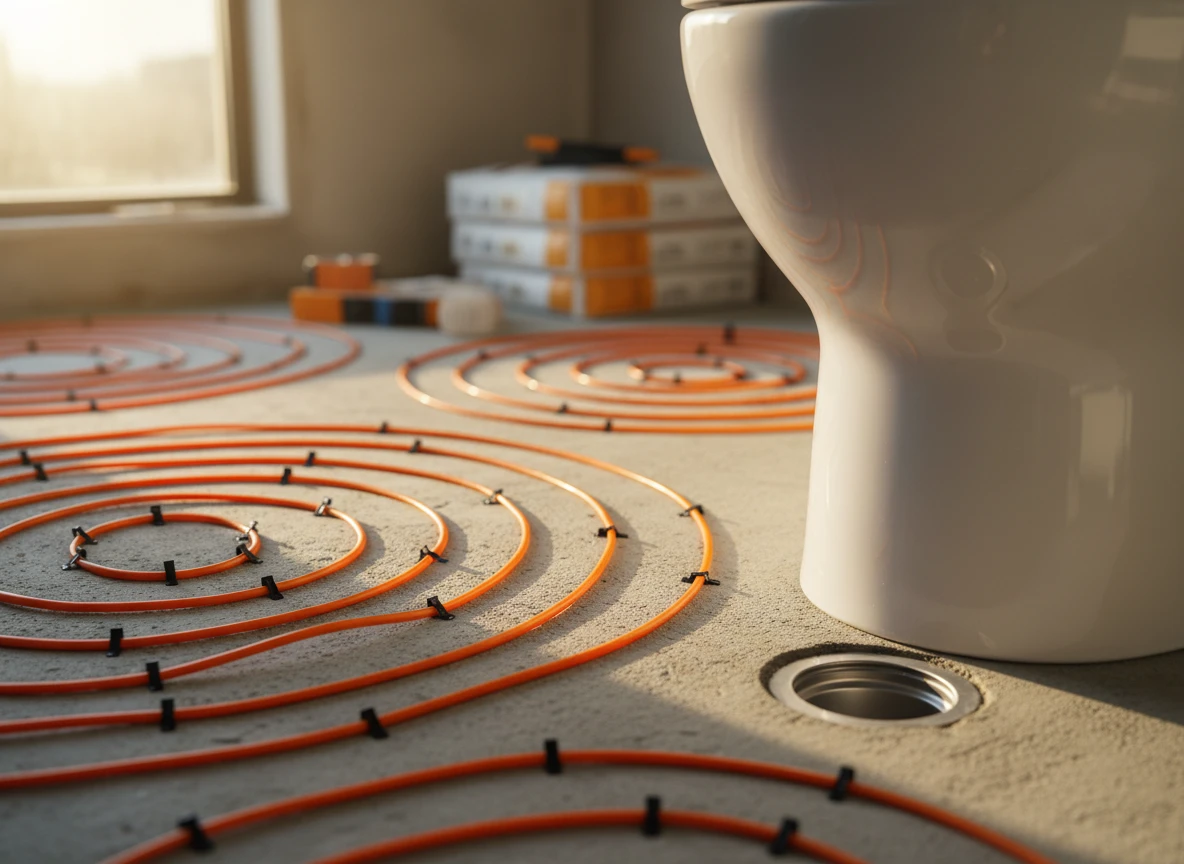
Always center the sensor between two runs of the heating cable, encasing it in a conduit to allow for easy replacement. You must seal the conduit tip. Unsealed tips let adhesive seep in and skew thermal readings. If the sensor sits too close to a heating cable, it registers target temperatures prematurely, which causes short-cycling and leaves cold patches. Certified underfloor heating manufacturers provide exact spacing guidelines to prevent these calibration errors.
Smart programming sequences and thermal lag
Unlike forced-air systems, radiant floor heating has massive thermal lag, often taking up to three hours to reach target temperatures depending on your subfloor assembly and tile thickness.
Do not turn the system off when you leave; instead, program a setback cycle. Setting the temperature to 16°C (61°F) during unoccupied hours keeps the slab from cooling completely, which requires far less energy than recovering from a freezing baseline.
Our data shows that baseline maintenance beats cycling from zero every time. Trigger your morning warm-up sequence two hours before waking up, and program the setback to begin 30 minutes before you leave. Specialized underfloor heating exporters supply smart controllers that calculate this thermal lag automatically.
Optimizing controller limits
Most modern controllers let you set maximum temperature limits. Cap the floor temperature at 29°C (84°F) to prevent energy spikes. This keeps the room comfortable without wasting power. If you install these systems in regions with variable seasonal temperatures, such as underfloor heating systems in Maharashtra, adjust these limits dynamically throughout the year.
This approach fails in drafty rooms with high heat loss. However, for standard bathrooms, it works perfectly.
The gear that keeps your underfloor heating from running wild
The hardware layer of thermal control
You've dialed in your sensor placement and programmed your daily schedules. But software tweaks only go so far if you're fighting physical heat loss. To achieve truly efficient underfloor heating, you need the right physical hardware acting as both a barrier and a brain. If you skip the physical insulation layer, your system's basically trying to heat the entire earth beneath your concrete slab.
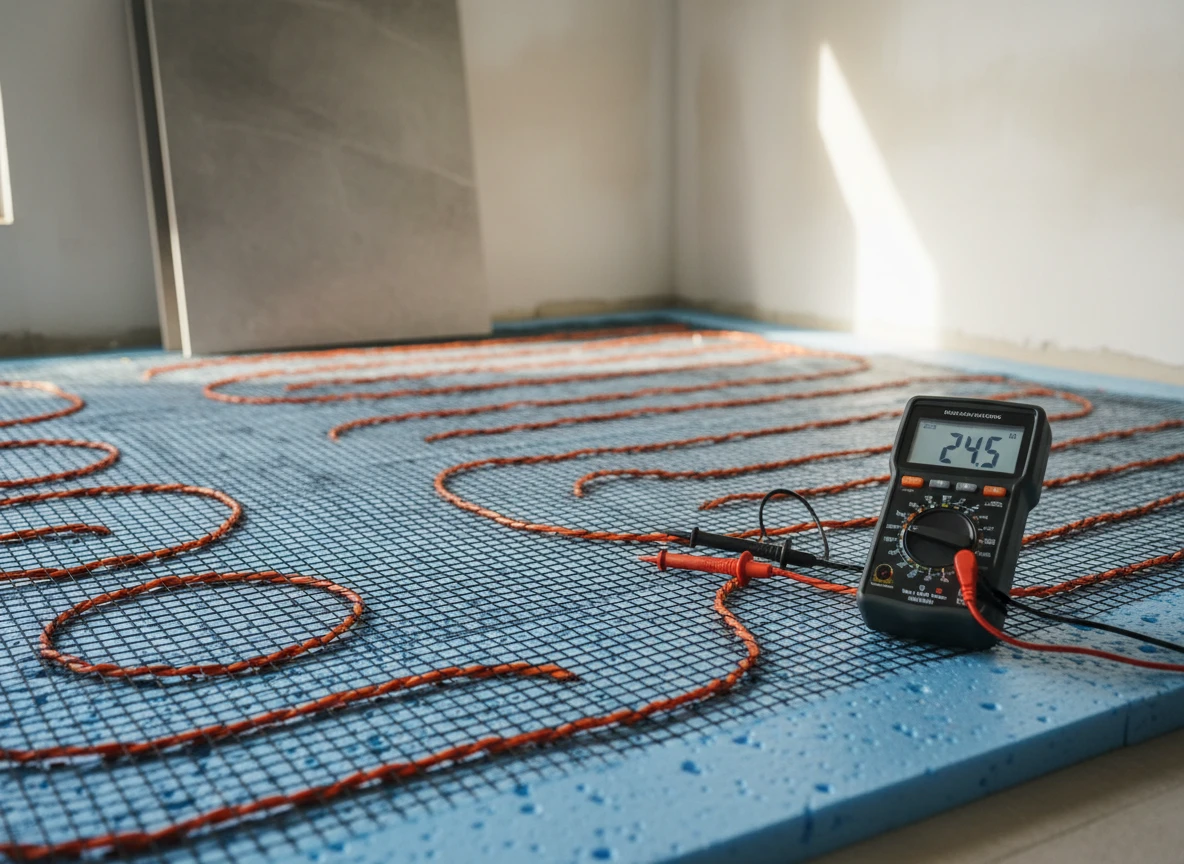
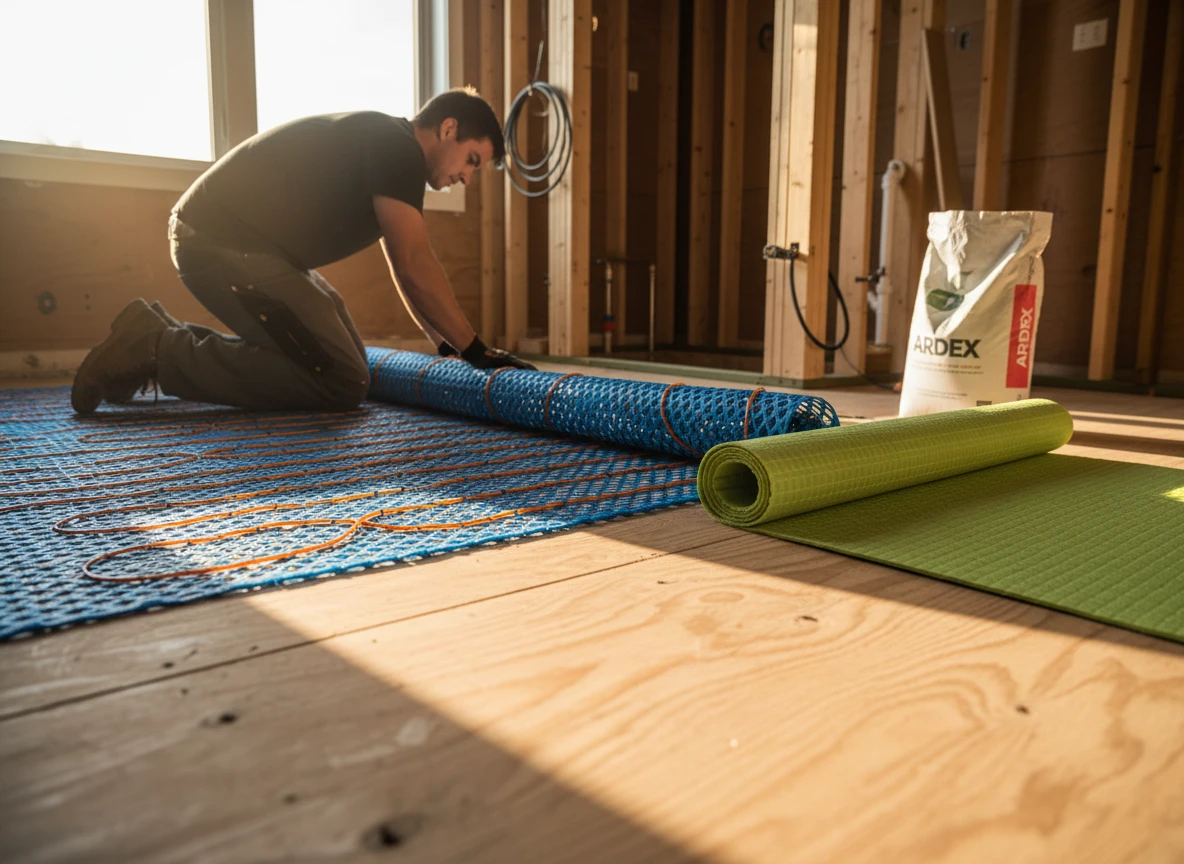
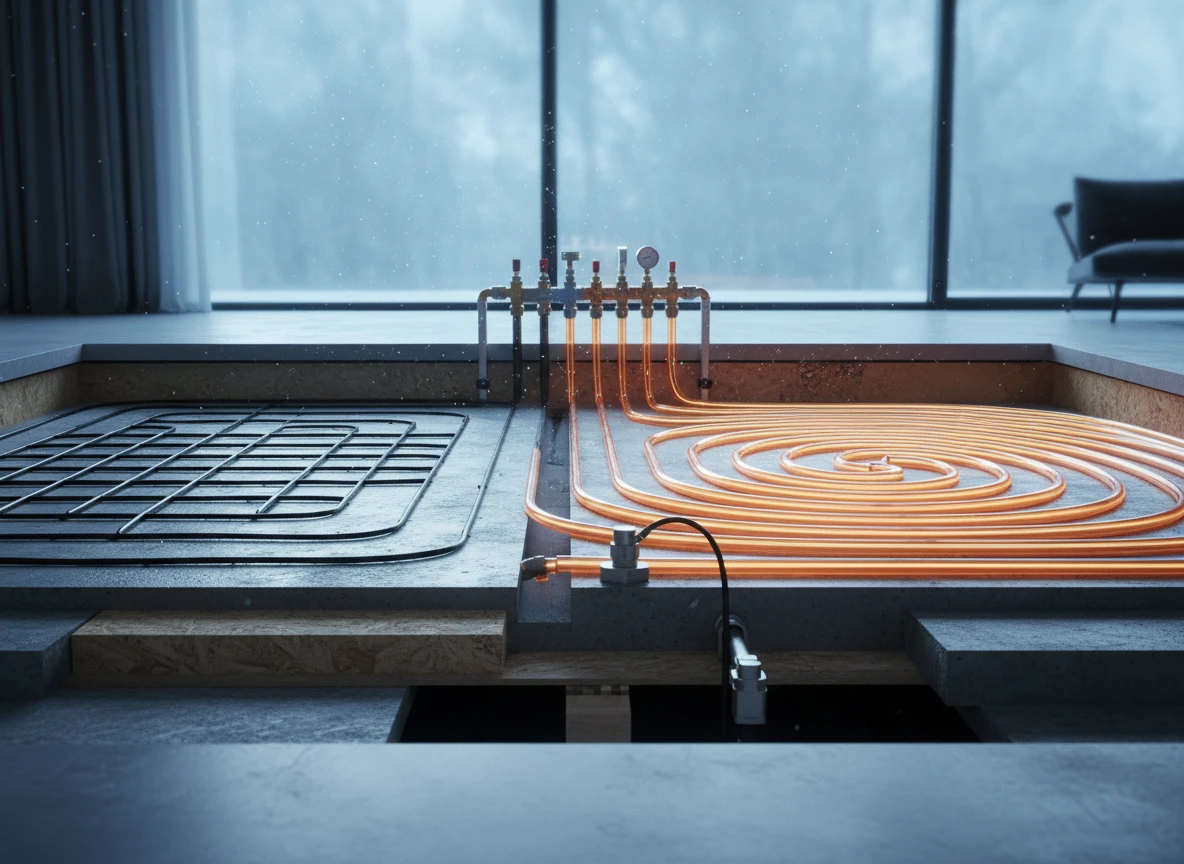
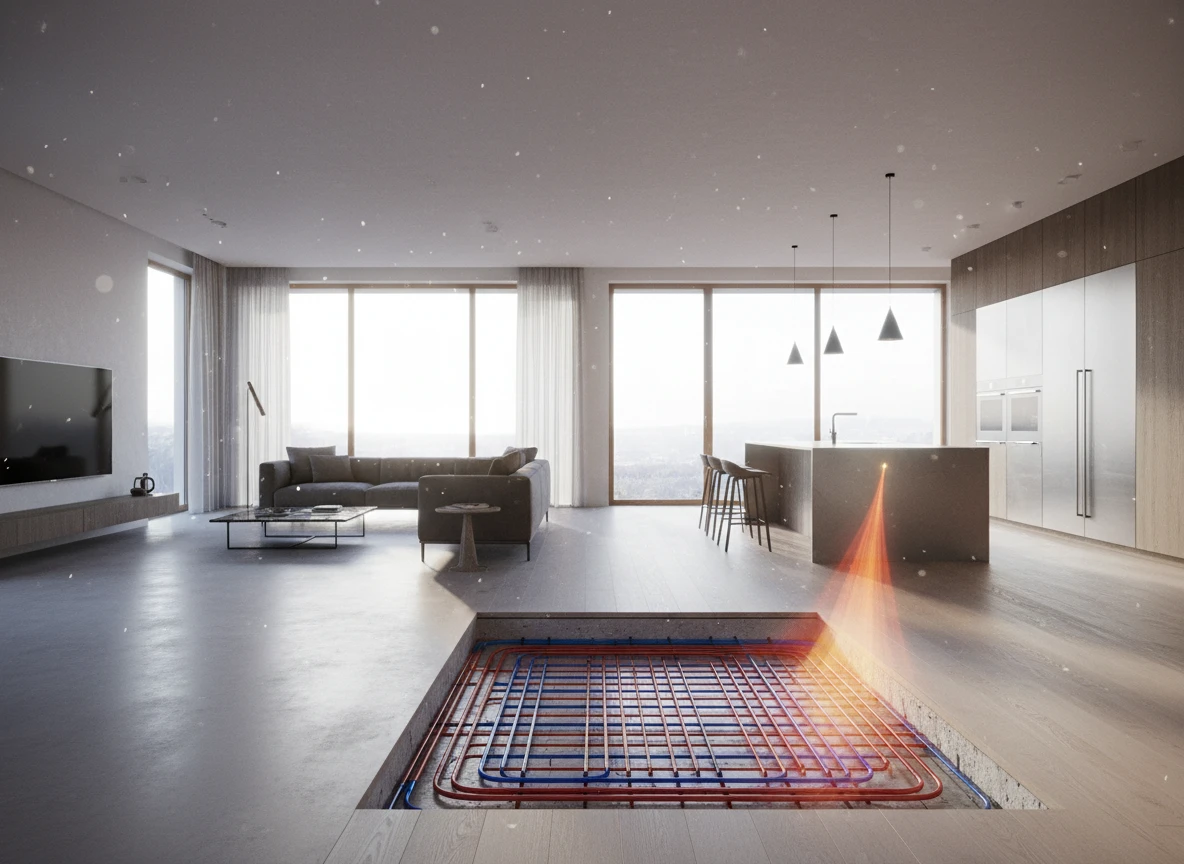
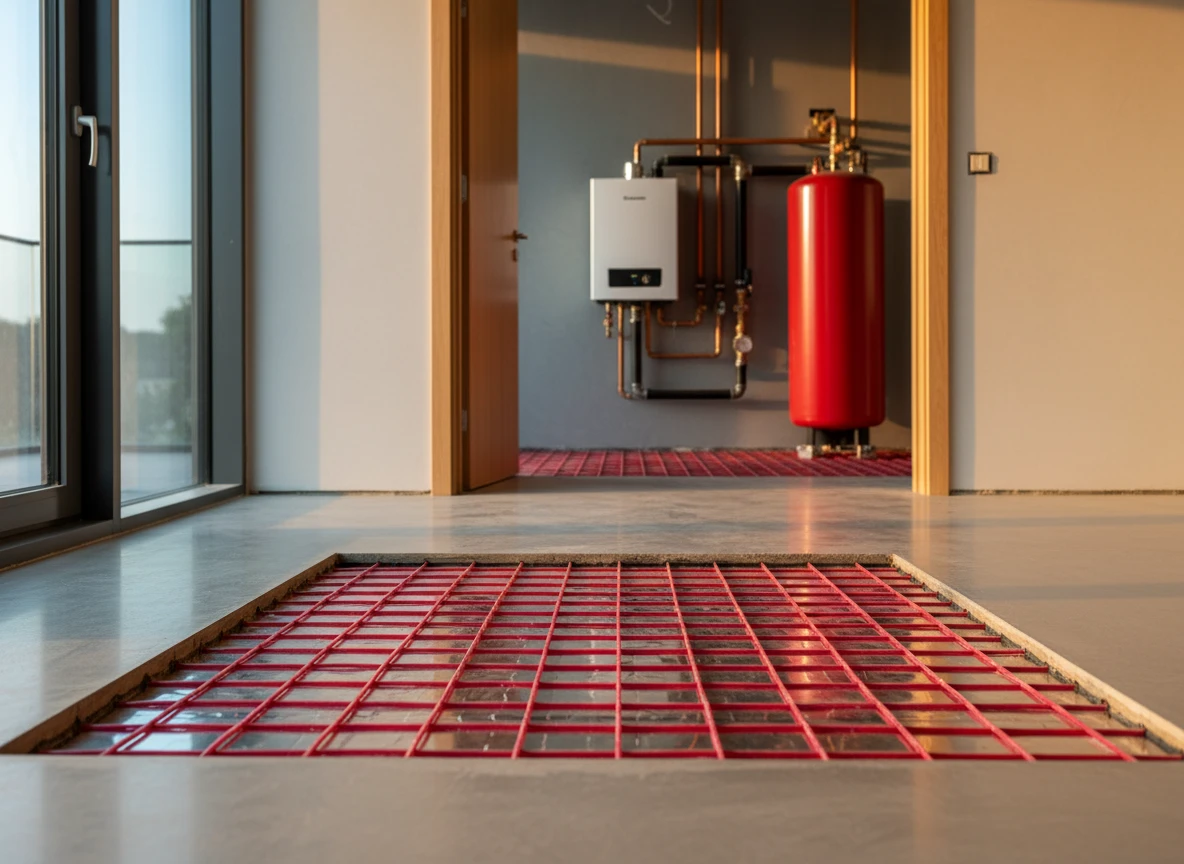
That's where thermal barrier mats and insulated underlayments come in. An uninsulated slab acts as a giant thermal sink, pulling heat away from your feet. Installing a dedicated thermal barrier mat directly beneath your floor heating mat redirects up to 90% of the radiant heat upward. It's a simple physical law: heat follows the path of least resistance. By blocking the downward path, your floor warms up in minutes rather than hours, directly lowering your daily energy draw. I always recommend using high-density XPS foam boards for concrete subfloors, as they resist moisture while providing excellent compressive strength.
At Integro Process Heating Solutions, we often see industrial and residential systems fail to meet efficiency targets simply because of poor physical insulation. If you're designing a setup, looking into high-performance underfloor heating systems in Odisha can provide a blueprint for how to isolate thermal loads effectively.
Smart controllers and dual-sensing thermostats
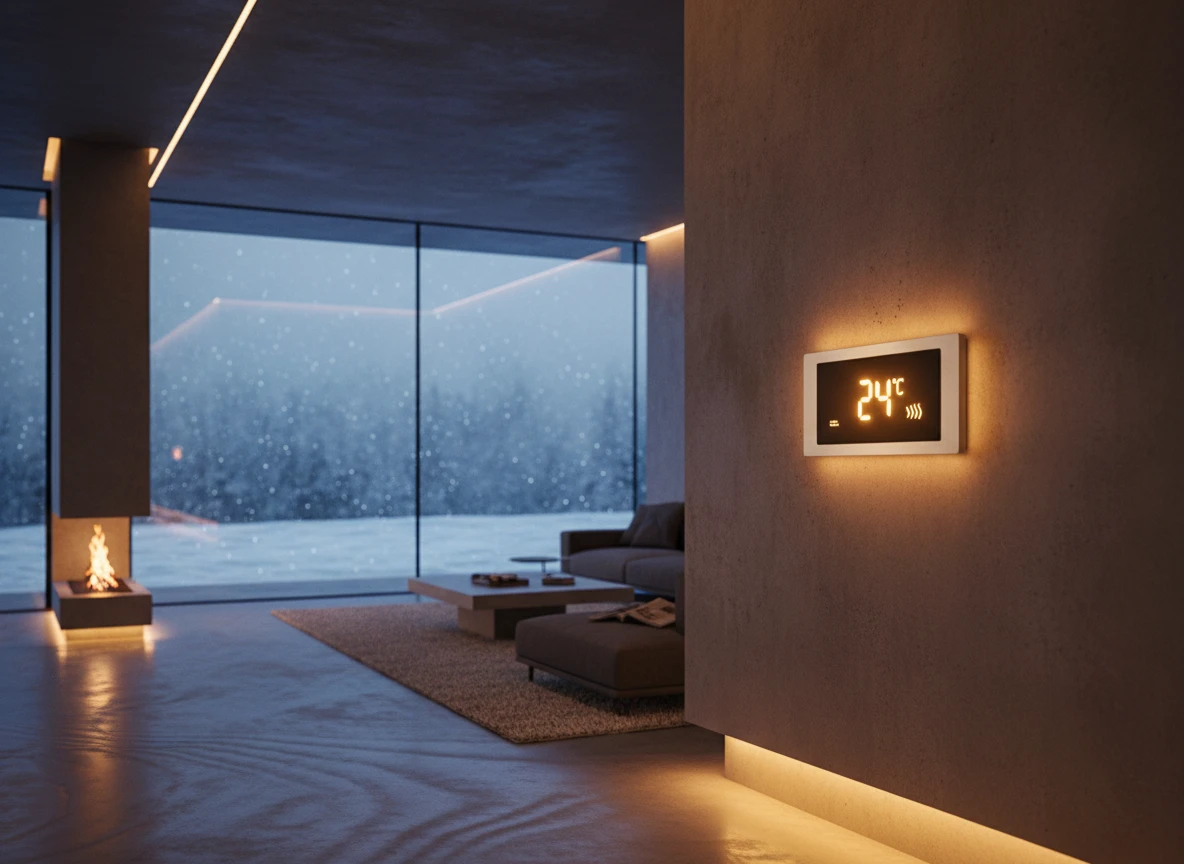
The next piece of gear is the thermostat itself. A standard wall thermostat only measures ambient air temperature, which is a terrible metric for floor systems. You need a dual-sensing smart thermostat that uses both an ambient air sensor and a physical floor probe. This prevents the system from running indefinitely when a draft hits the room.
| Gear Component | Primary Efficiency Function |
|---|---|
| Thermal Barrier Mat | Prevents downward heat loss into the subfloor |
| Dual-Sensor Thermostat | Balances air comfort with strict floor temp limits |
| Smart Duty Cycler | Limits peak power draw during high-tariff hours |
These controllers use pulse-width modulation (PWM) to cycle the power on and off in rapid intervals rather than running a continuous, power-hungry current. This maintains a steady temperature without overshooting your target, saving you from constant spikes in demand. When sourcing these components, choosing tailored underfloor heating systems in Bhubaneswar ensures that your control hardware matches the specific electrical load of your layout, avoiding fried relays or dead zones.
Ultimately, managing these radiant floor heating systems comes down to matching the right physical barrier with precise, responsive controls. Without both, even the most advanced programming will struggle to keep your utility bills in check.
Structural mistakes that quietly bleed energy downward
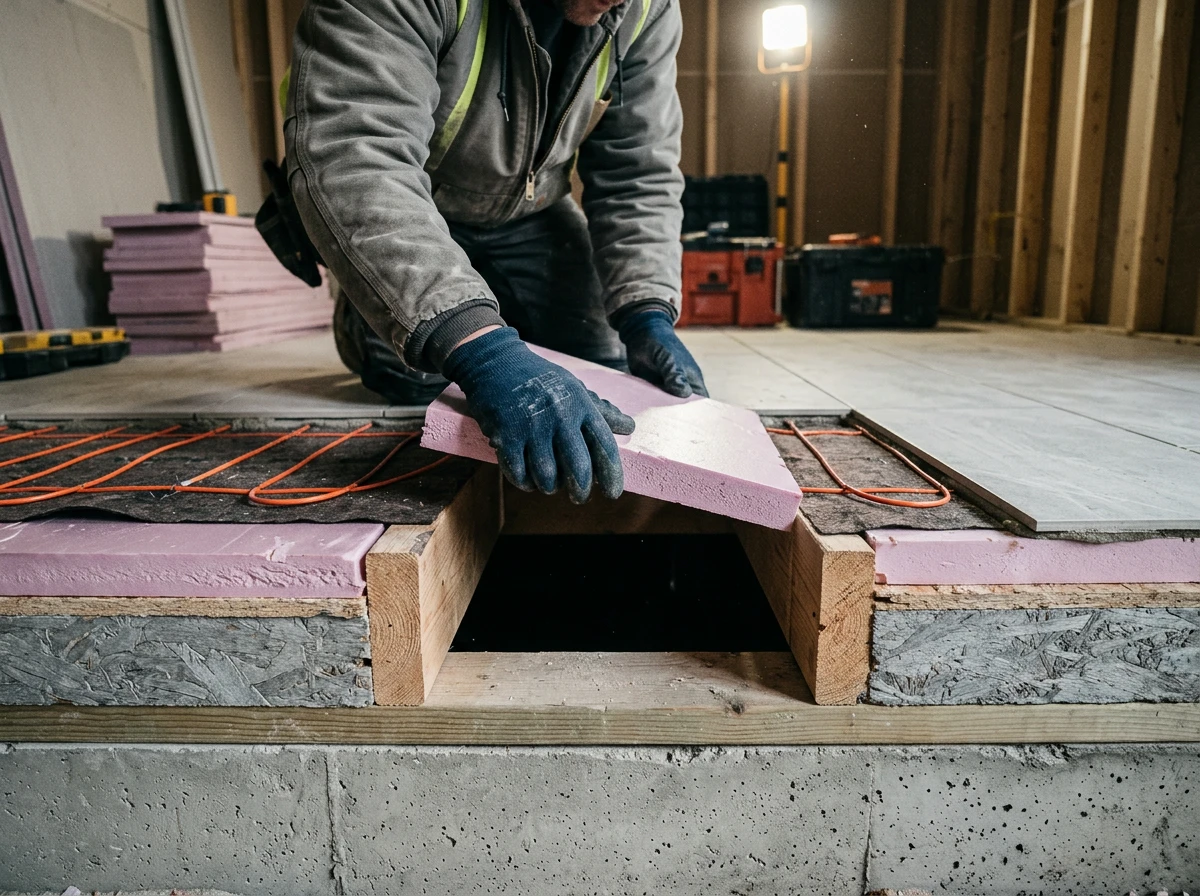
The structural flaws that trap and waste your heat
Even the most advanced programmable thermostat can't rescue a poorly installed system. Hardware is only as good as the physical envelope surrounding it. If your installer cut corners during the physical layout, you're paying to heat the soil beneath your home.
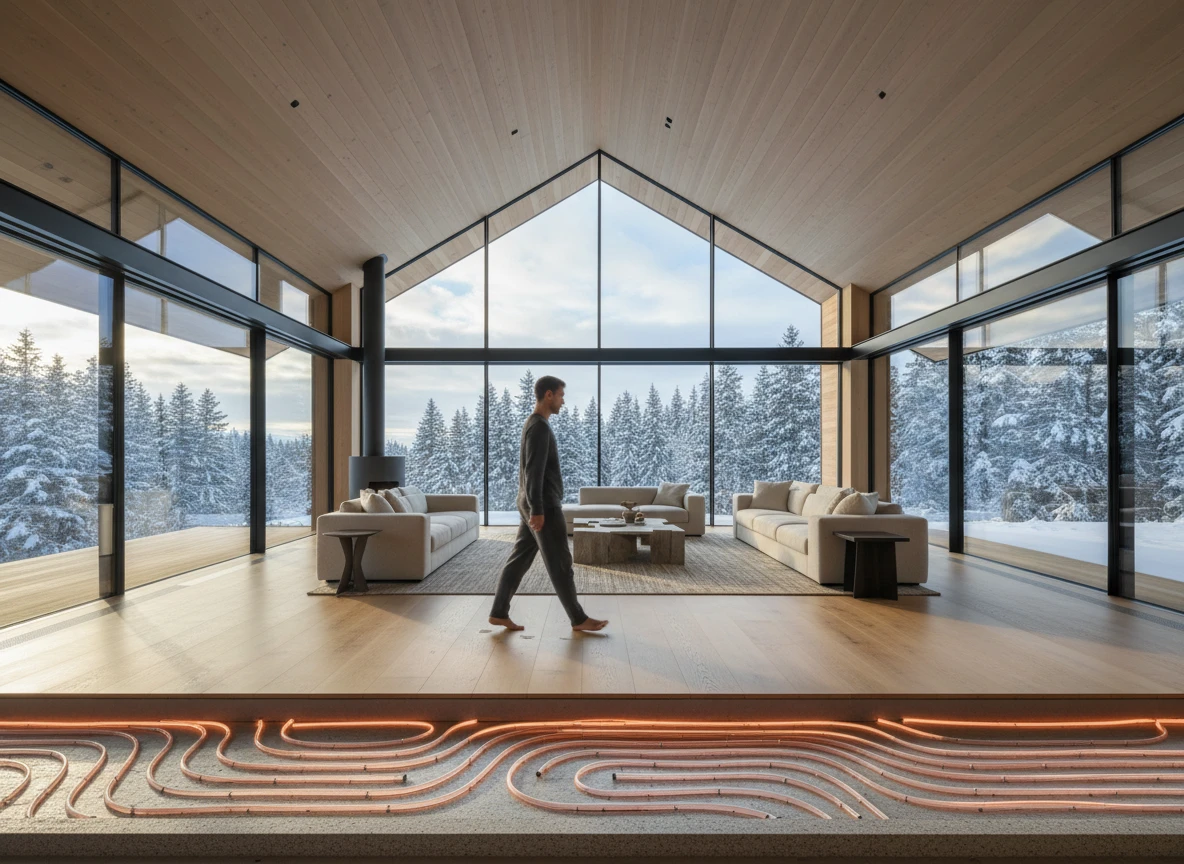
The single biggest structural mistake is omitting subfloor insulation. Concrete is a thermal sponge. When you lay an electric radiant floor heating system directly onto a concrete slab without a thermal barrier, the physics are unforgiving. Heat moves toward cold. Instead of radiating upward through your tile, up to 50% of the thermal energy sinks directly into the ground. We've seen homes where the heating mats run continuously for hours just to raise the floor temperature by a few degrees. The energy is simply gone, absorbed by tonnes of cold earth.
You must install a high-density backer board or a dedicated thermal break before laying the heating element. Skipping this step to save a few dollars on installation guarantees a permanent tax on your monthly utility bills.
Another common error is running heating cables under permanent fixtures. Don't install underfloor heating under vanities, bathtubs, kitchen cabinets, or flat-bottomed furniture. This practice is both wasteful and dangerous. Trapping heat under heavy, solid objects causes thermal blocking. The heat can't escape into the room, which spikes the local temperature and can degrade the heating cables or crack your floor tiles.
Proper planning prevents this waste. At Integro, we approach residential thermal design with the same rigor we apply to industrial process heating. Designing efficient underfloor heating systems requires precise zoning. You must map out the exact placement of every cabinet and fixture before a single cable is laid.
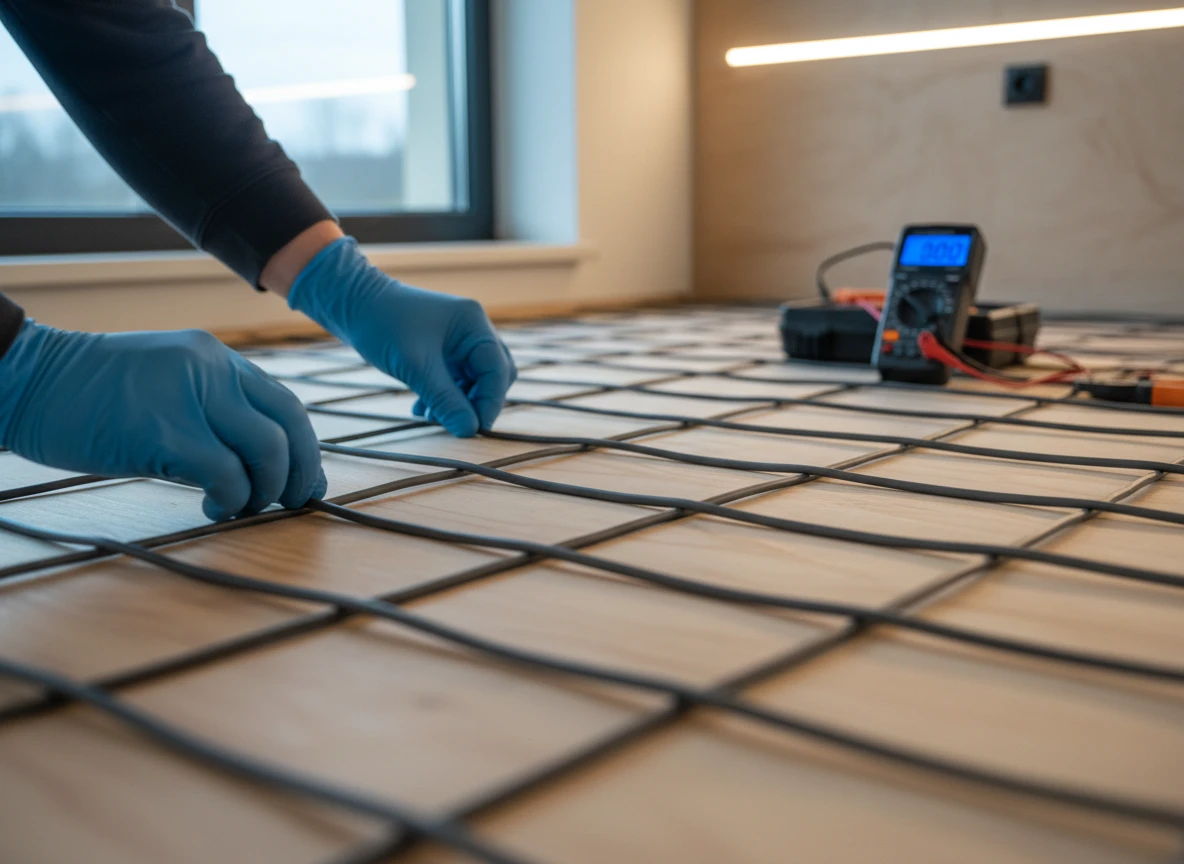
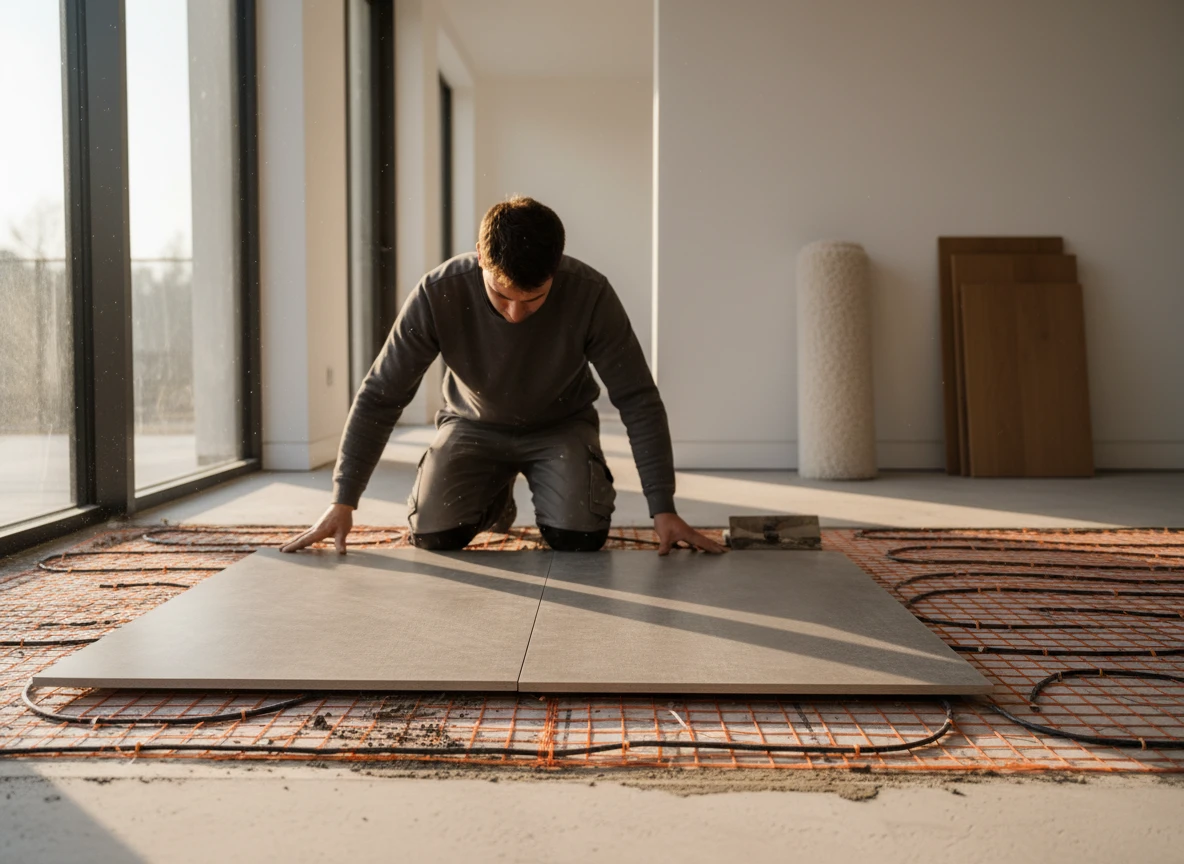
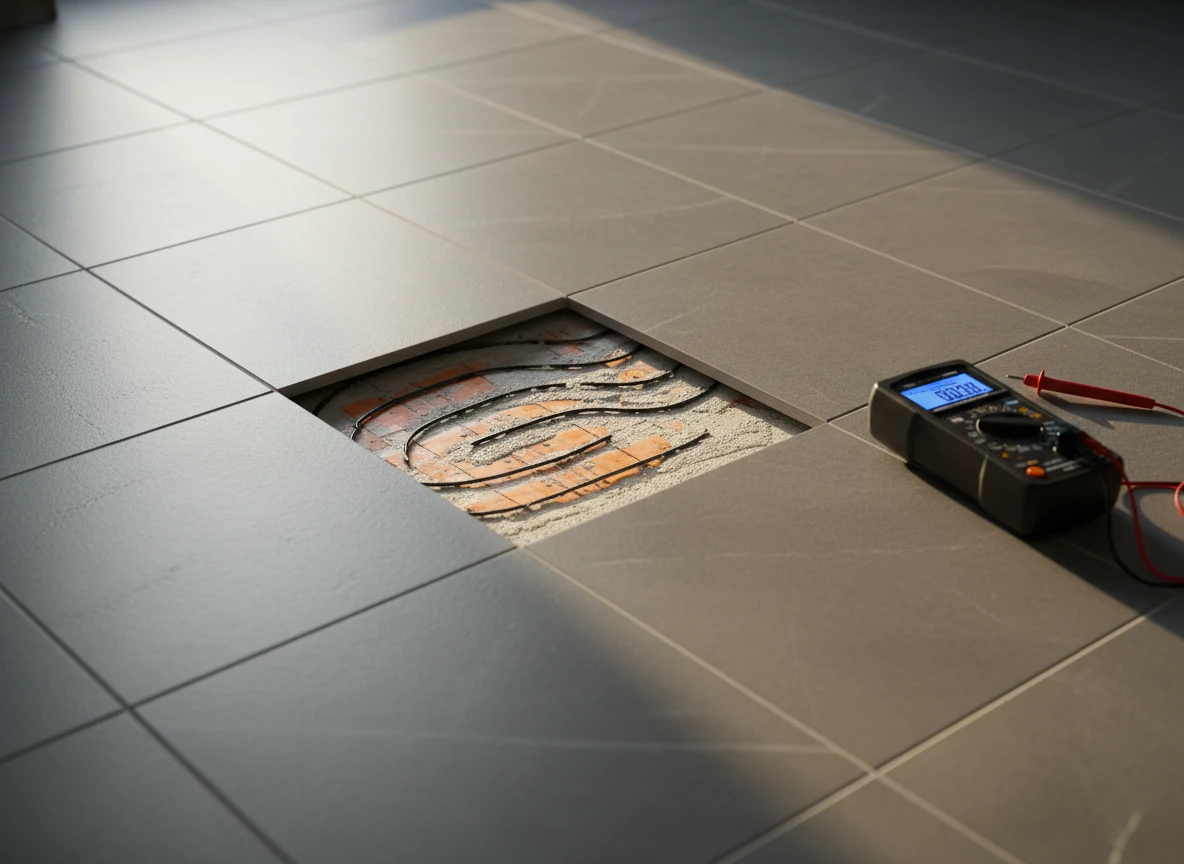
Finally, watch out for thinset gaps. Air pockets around the heating wires act as insulators. When installers fail to fully embed the cables in thinset or self-leveling underlayment, the system has to work twice as hard to transfer heat to the surface. These air gaps create hot spots and cold spots, forcing you to turn up the thermostat to compensate. It's a bad practice that yields bad performance.
Zoning and scheduling your way to lower bills
Imagine a guest bathroom on the north side of your home that stays empty five days a week, yet its floor runs at a cozy 75°F around the clock. Meanwhile, you only use your master bathroom for forty-five minutes every morning and night. Even with flawless subfloor insulation, heating these spaces uniformly is an expensive operational failure that quietly drains your wallet.
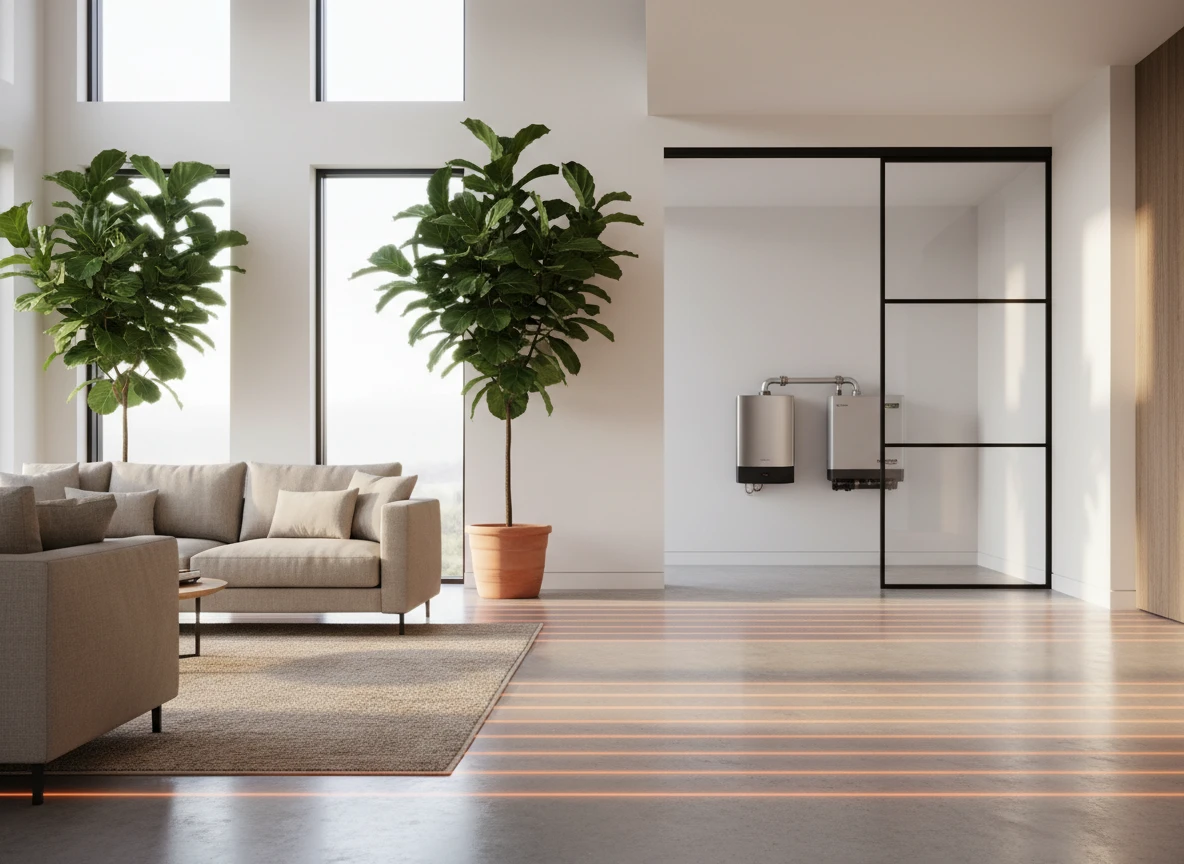
At Integro Process Heating Solutions, we analyze thermal efficiency through the lens of industrial zoning. If you treat your entire layout as a single thermal block, your utility provider wins. Splitting your floor into distinct, independently controlled zones allows you to direct heat strictly where your feet actually tread. There's no logical reason to warm the floor beneath your kitchen cabinets or an unused hallway just to keep the master bath comfortable.
Most homeowners mistake a programmable thermostat for a simple set-and-forget tool. The reality is that concrete and tile have distinct thermal lag; they take time to absorb and release heat. A smart schedule should activate your electric floor heating systems about forty-five minutes before you wake up, then shut them down entirely thirty minutes before you leave. This predictive scheduling capitalizes on the residual thermal mass stored in the floor tiles, giving you comfort without drawing a single watt during peak rate hours.
Implementing these targeted floor heating solutions relies on precise temperature sensors. Placing a sensor too close to an external draft or a sunny window tricks the thermostat into running the system longer than necessary, throwing off your entire schedule.
Of course, this approach requires some trial and error because every home's heat loss rate differs slightly based on local climate and building envelope age. But the operational math doesn't lie. Moving from manual, continuous operation to a highly disciplined, zoned schedule can slash your radiant floor energy draw by more than half. Stop heating empty spaces and start treating your home's thermal footprint like a precision process. What's the next zone you can optimize to reclaim control over your monthly power bill?
Tired of unpredictable energy spikes from thermal systems? Integro Process Heating Solutions delivers engineered heating solutions that keep operations efficient.
FAQ
How much electricity does a typical floor heating mat actually use?
Most standard systems pull around 12 watts per square foot. If you've got a medium-sized bathroom, that adds up quickly when you leave it running all day without a schedule.
Why is my bathroom floor heating bill so high?
You're likely running the system 24/7 or lacking proper subfloor insulation. When insulation is missing, the heat bleeds downward into the concrete instead of warming your feet.
Can I leave my underfloor heating on all the time?
Honestly, that's the fastest way to waste money. It's much cheaper to use a programmable thermostat that fires up the system only when you're actually using the room.
Does subfloor insulation really make a difference?
It's a game-changer because thermal barriers force the heat upward into your living space rather than letting it escape into the subfloor.