- By Admin
- Integro
- The invisible mismatch inside modern radiant systems
- Why short cycling ruins your heating equipment
- How a thermal battery rescues your zoning layout
- Setting up the perfect radiant heat buffer tank setup
- Where installers go wrong: the buffer tank blunders
- Is your floor heating actually running at peak efficiency?
- People also ask
The invisible mismatch inside modern radiant systems
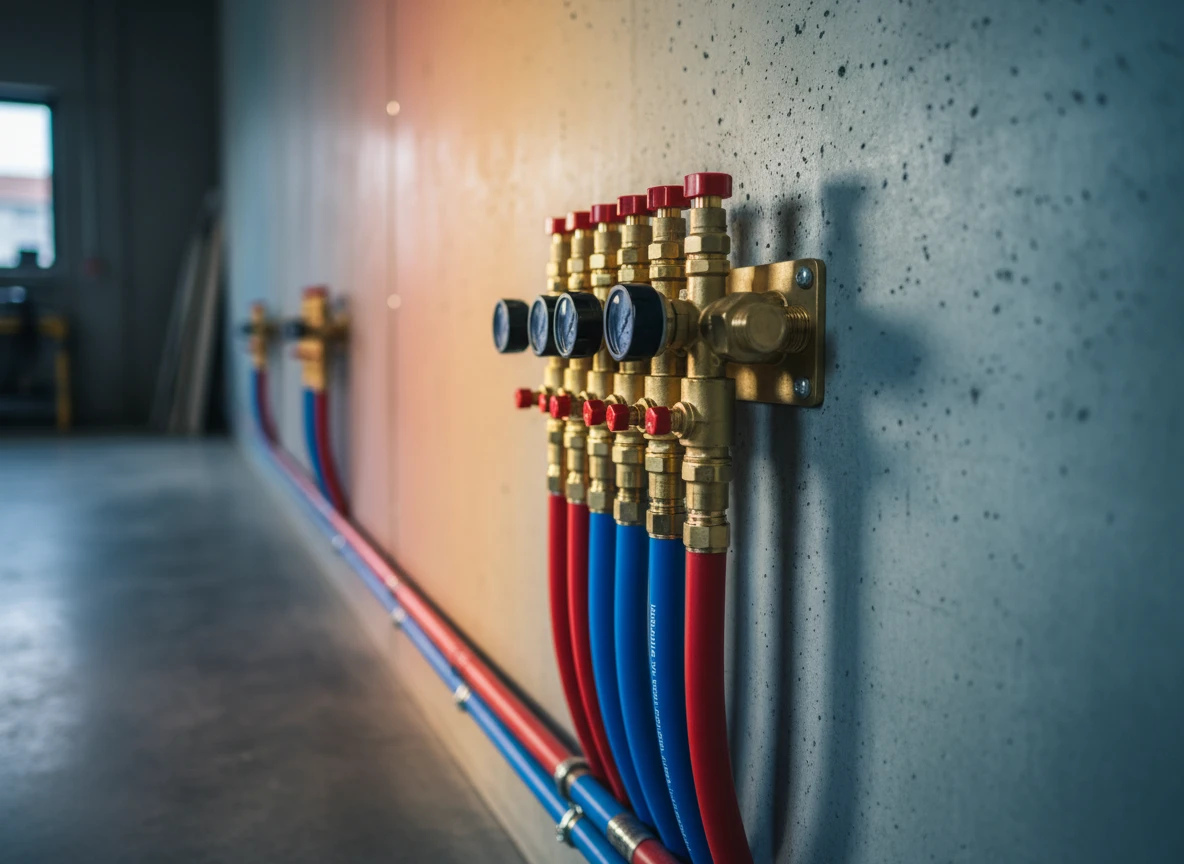
The reality of micro-zoned thermal dynamics
Imagine a high-tech modulating boiler with a minimum firing rate of 25,000 BTU/h trying to satisfy a single, tiny 5,000 BTU/h bedroom zone on a mild autumn morning. Where does that excess heat energy go? The short answer is: it doesn't go anywhere useful. Instead, it triggers a destructive mechanical cycle that quietly degrades your system from the inside out.
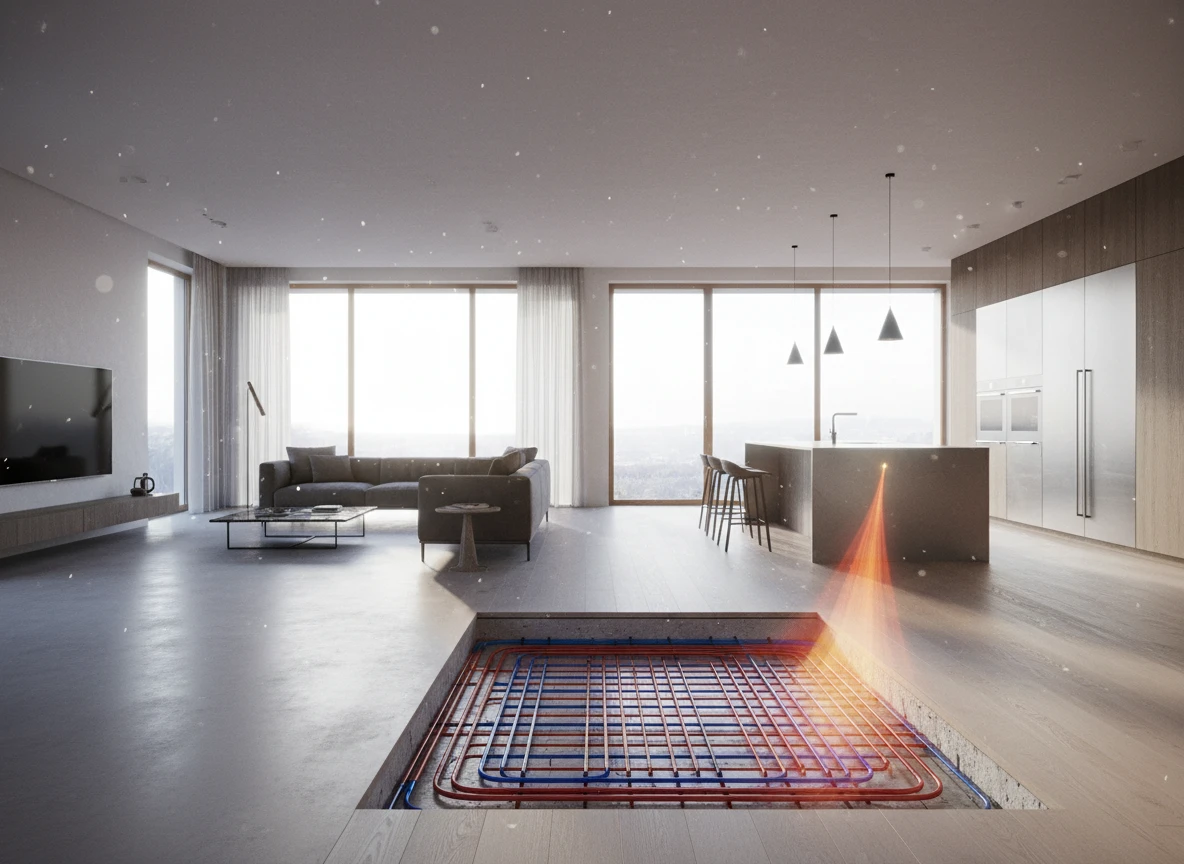
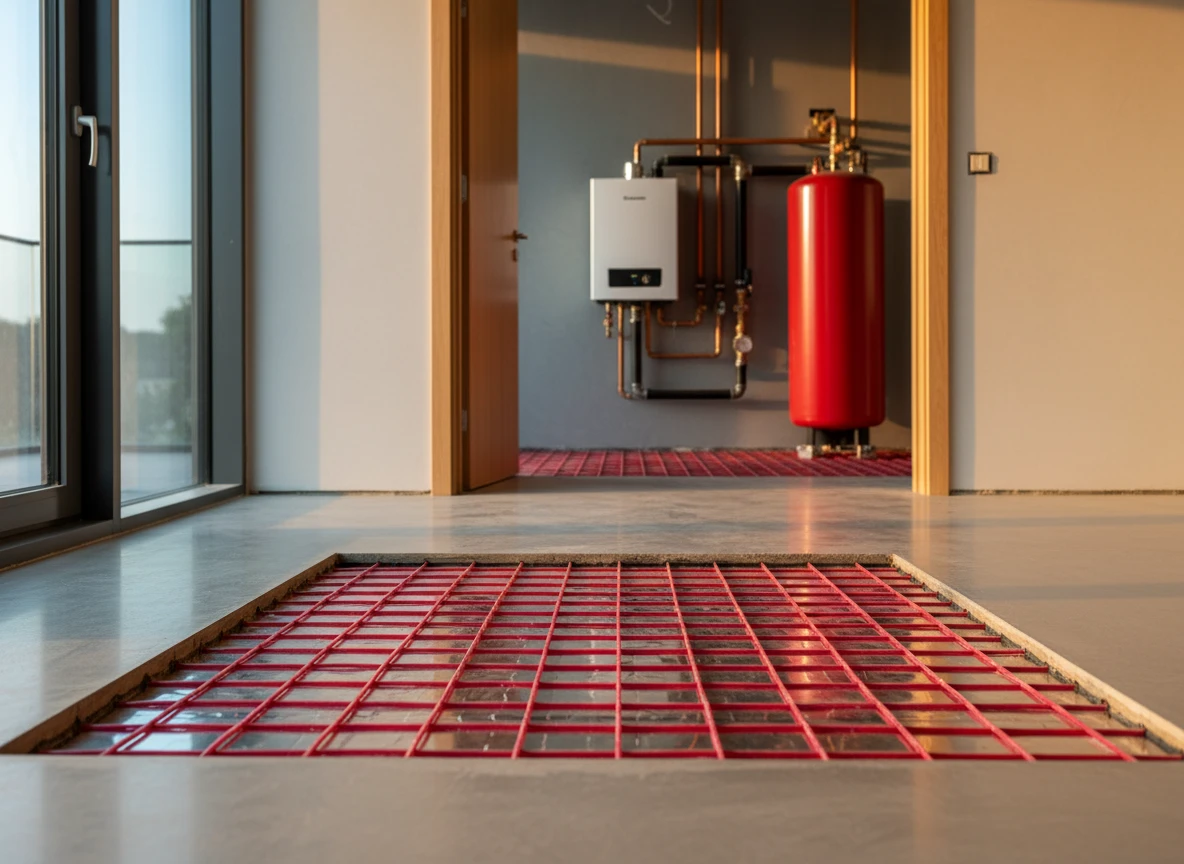
As thermal engineers at Integro Process Heating Solutions, we frequently see this exact operational friction in modern properties. When designing a high-performance underfloor heating system, the instinct is to divide the layout into multiple small, independent zones for maximum comfort control. But this micro-zoning creates an invisible, fundamental mismatch between your heat source and your actual thermal load.
Modern condensing boilers and heat pumps are highly efficient, yet they have physical limits. Even when modulating down to their lowest capacity, their minimum output often dwarfs the load of a single active zone. If only one small bedroom loop is open, the total water volume inside that active circuit is tiny. Without sufficient fluid volume to absorb the heat, the water temperature hits its target limit almost instantly.
The heat source then shuts down. A few minutes later, the water cools, and the system fires up again. This rapid start-stop behavior is known as short-cycling. It does more than just tank your energy efficiency; it places immense mechanical stress on compressors, pumps, and gas valves. While this mismatch doesn't always cause immediate system shutdown, it steadily erodes equipment lifespan over several seasons.
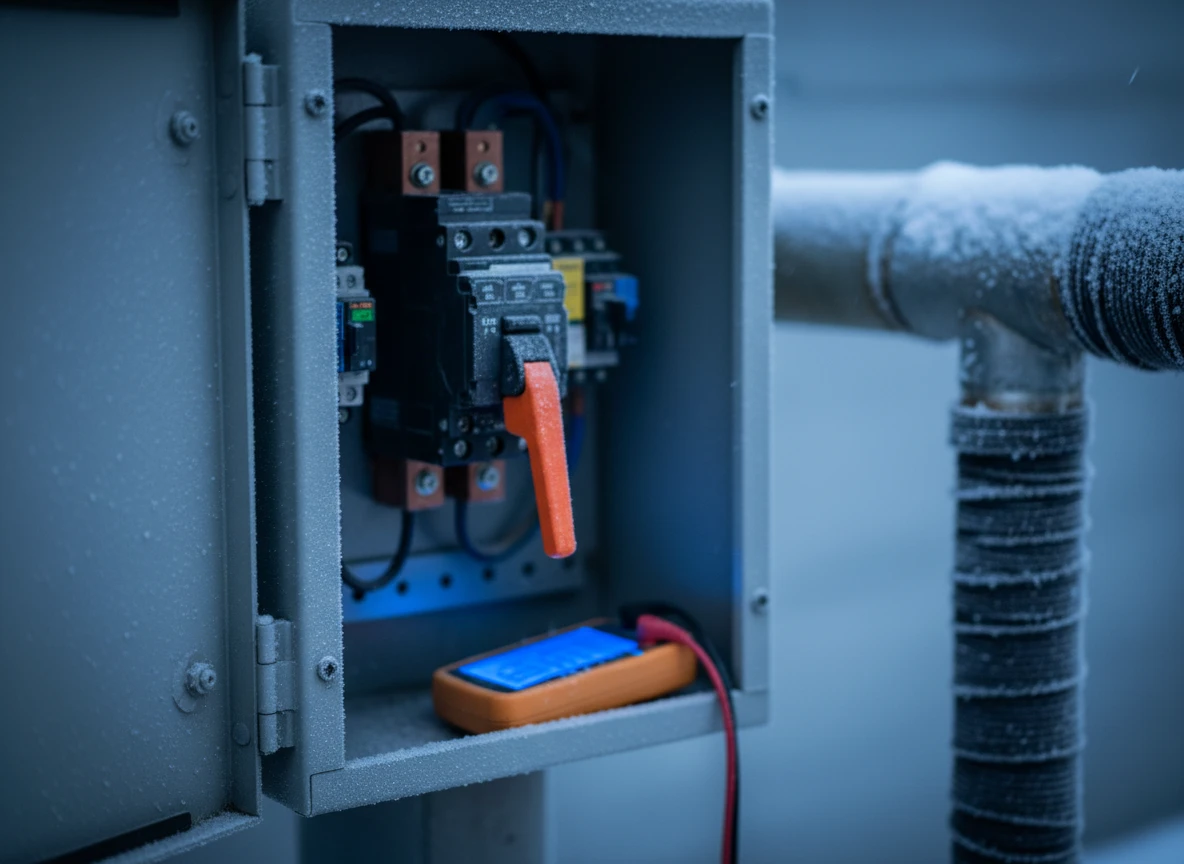
This issue becomes even more acute when pairing air-to-water heat pumps with low-mass radiant panels. Heat pumps require stable, continuous flow rates to prevent safety lockouts. When zone valves close, the sudden drop in system flow can trigger high-pressure faults, shutting down the entire heating system when you need it most.
While a hydronic radiant floor heating setup offers unparalleled comfort, its efficiency relies entirely on balanced thermal dynamics. When you couple low-mass heat generators with low-load, highly insulated rooms, you lose the natural buffer that older, high-volume cast-iron systems used to provide. The system simply cannot shed its heat fast enough, leading to erratic temperatures and premature equipment failure.
Why short cycling ruins your heating equipment
An improperly configured hydronic loop can force a boiler to cycle up to 12 times per hour, whereas an optimized system should ideally cycle no more than twice in that same window. This frequent on-off behavior, known as hydronic heating boiler short cycling, acts as a slow mechanical tax on your entire setup. When a high-output boiler fires up to satisfy a tiny, low-mass micro-zone, it reaches its target temperature limit in seconds. The burner shuts down, the water cools, and the cycle repeats endlessly.
The hidden thermodynamic toll
Every time a boiler restarts, it executes a pre-purge cycle. This process blows cold air through the heat exchanger to clear residual gases before ignition, directly dumping valuable heat straight up the flue. The burner then fires at maximum capacity before modulating down, which prevents the system from ever reaching its steady-state condensing efficiency. While some modern boilers claim to modulate down to 10% of their maximum output, the reality is that mild shoulder-season demands still fall far below this threshold.
This continuous temperature spiking directly degrades the overall underfloor system efficiency. Instead of a steady, low-temperature energy transfer, your underfloor heating experiences erratic thermal pulses. The concrete slab or floor mass cannot absorb these rapid spikes effectively. As a result, you burn more fuel while achieving less consistent indoor comfort.
Mechanical fatigue and component failure
Beyond the fuel waste, short cycling accelerates physical wear. The constant expansion and contraction of metals under rapid thermal swings put immense stress on the heat exchanger. Over time, this leads to micro-cracking and premature structural failure.
Key components like gas valves, ignition electrodes, and blower motors are rated for a finite number of electrical cycles. When short cycling compresses twenty years of wear into five, these parts fail long before their time. At Integro Process Heating Solutions, we often see how operators try to offset this wear by adjusting run times. However, deciding whether to keep your underfloor heating running 24/7 or trying to program complex setbacks cannot solve the root hydraulic issue. Without a thermal reservoir to absorb the excess energy, the mechanical degradation continues unabated.
How a thermal battery rescues your zoning layout
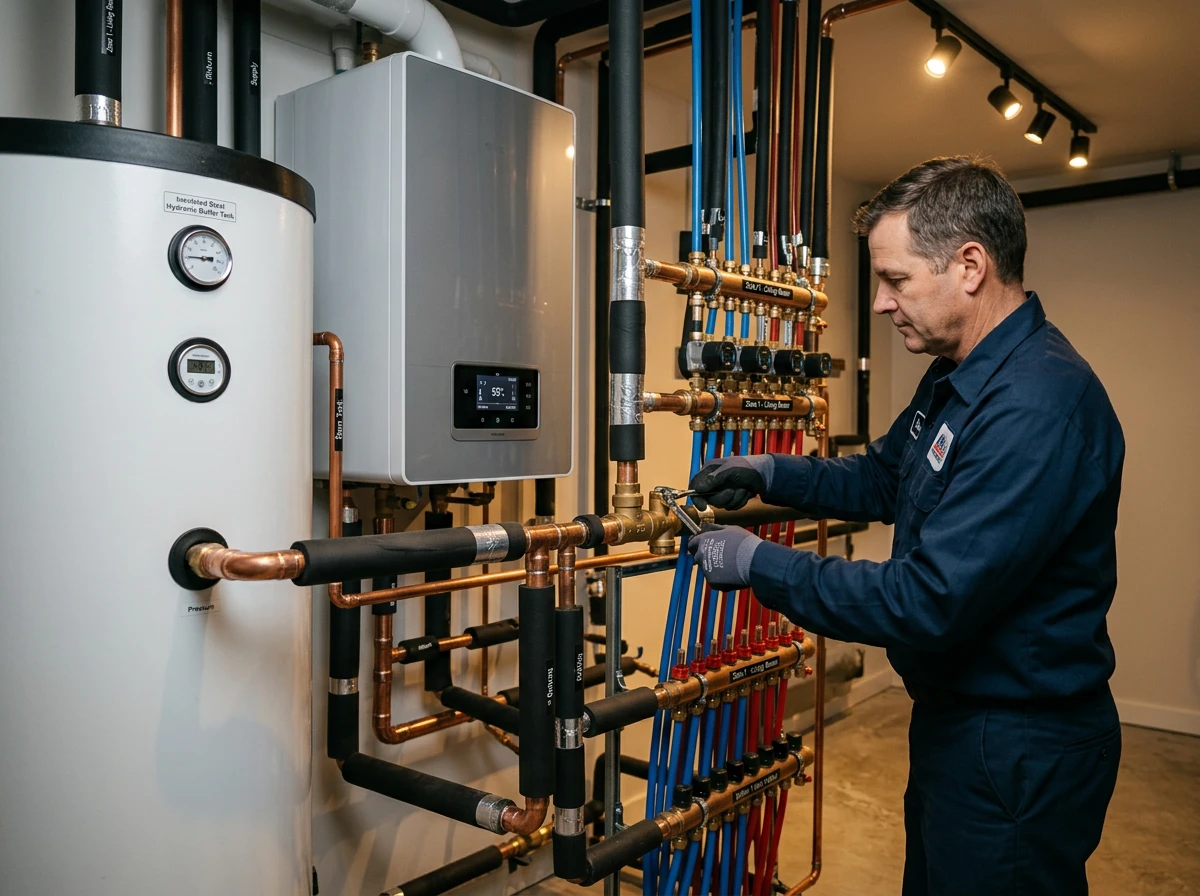
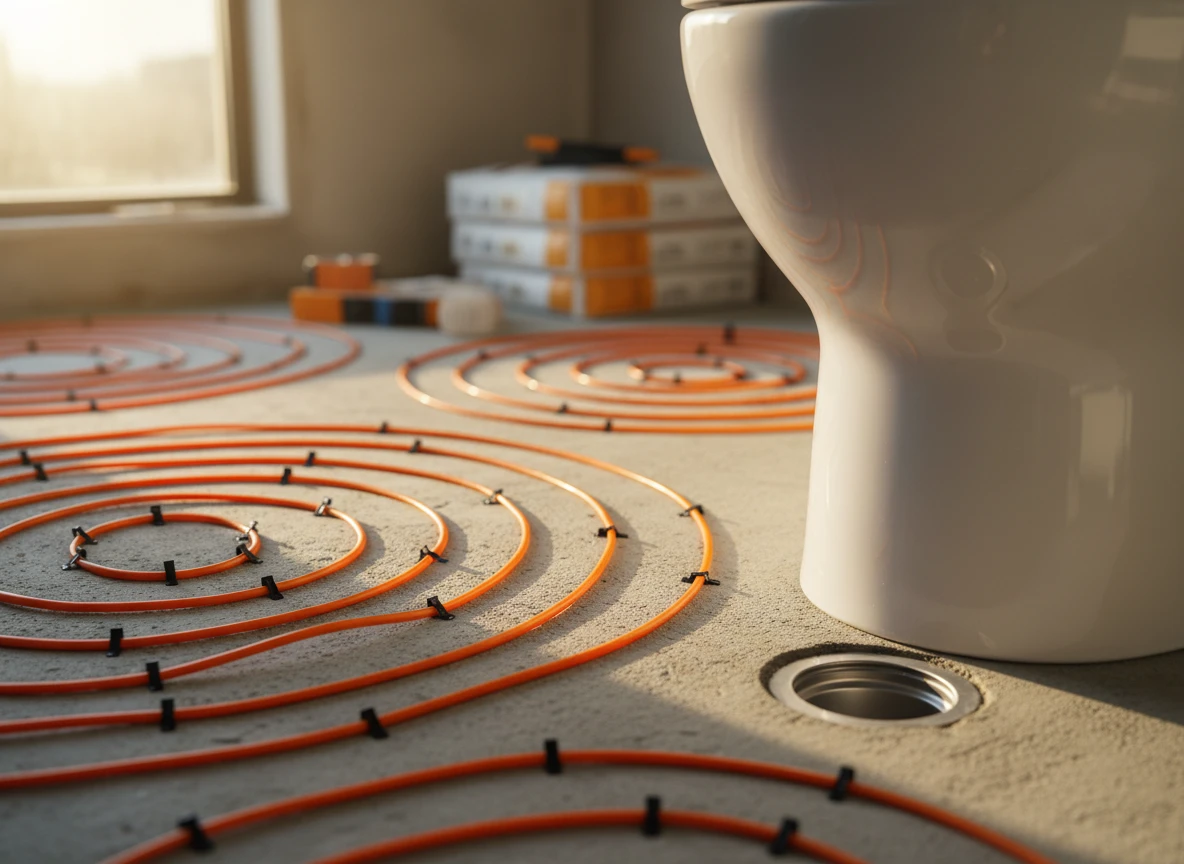
Imagine a chilly October morning in a five-zone home. Everyone is asleep except for one person getting ready in the master bathroom. The thermostat in that single room calls for warmth, opening a lone, 150-foot loop of PEX tubing. The other four zones remain completely closed.
When the heat source fires up, it expects a system-wide thermal load. Even at its lowest modulation rate, its minimum output might be 30,000 BTU/h. However, that tiny active zone only needs 3,000 BTU/h. Without a thermal reservoir, the water traveling through that lone loop heats up almost instantly. The high-limit sensor trips, and the boiler or heat pump shuts down. It's a classic hydraulic bottleneck that leads to rapid short-cycling or a hard system lockout.
When designing high-performance underfloor heating systems, managing these micro-loads is a primary engineering challenge. At Integro Process Heating Solutions (https://www.integros.in/), we frequently consult on domestic and commercial heating architectures to prevent these exact system failures. While some low-mass modulating boilers claim to turn down to incredibly low outputs, they often still overshoot on micro-loads without extra system volume.
Unlike electric bathroom floor heating setups that modulate current directly to the cable, hydronic systems require physical water volume to buffer temperature spikes. If you consult with leading underfloor heating manufacturers or source parts from certified underfloor heating suppliers, they'll tell you that a buffer tank acts as a reliable thermal battery. It decouples the heat source flow from the distribution loops.
We see this issue frequently when international builders collaborate with underfloor heating exporters or specialized underfloor heating system exporters to source complete packages. If the package lacks a thermal battery, even premium underfloor heating system suppliers or underfloor heating system manufacturers cannot protect the equipment from the mechanical stress of constant cycling. A properly sized buffer tank absorbs the excess energy of that 30,000 BTU/h boiler, storing it safely so the tiny bathroom loop can draw heat slowly without forcing the boiler to constantly ignite and extinguish.
Setting up the perfect radiant heat buffer tank setup
Preventing a system freeze-up or short-cycling requires more than just dropping a tank into the mechanical room. You need to configure the physical plumbing to act as a hydraulic bridge. In a standard 4-pipe radiant heat buffer tank setup, the tank serves as the intersection where the primary production loop (the heat source) and the secondary distribution loop (the floor manifolds) meet without physically fighting for flow.
A 4-pipe configuration connects the boiler or heat pump directly to one side of the tank, while the floor loops connect to the opposite side. This arrangement guarantees complete hydraulic separation. The primary pump only moves water through the heat source, while independent zone pumps pull from the tank as needed. If you try to run a direct-coupled loop without this separation, conflicting pump curves will cause zones to starve. Unlike electric floor heating systems that rely on cycling resistive cables, hydronic systems require precise fluid dynamics to prevent structural thermal stress. At Integro Process Heating Solutions, we apply these same core thermodynamic principles to industrial-scale fluid control, whether engineering a complex domestic and commercial heating plant or optimizing a high-temperature industrial heating chamber.
Achieving hydronic floor temperature balance
Once hydraulic separation is established, the next challenge is managing the supply temperature. High-efficiency boilers often run most efficiently at higher temperatures than a concrete slab can safely handle. To protect the slab and maintain a stable hydronic floor temperature balance, we integrate a motorized 3-way mixing valve on the secondary side of the buffer tank. This valve constantly blends hot water from the top of the tank with cool return water from the floor loops.
This thermal management is highly comparable to how we regulate viscous materials using insulated heating jackets or an ibc heating jacket in process manufacturing. Just as localized overheating ruins chemical compounds, excessive water temperatures can crack concrete slabs or warp wood flooring. For auxiliary freeze protection or maintaining baseline temperatures in adjacent storage zones, industrial setups might also employ specialized drum heating jackets to keep fluids flowing smoothly. By using a modulating outdoor reset control curve, the mixing valve adjusts the water temperature dynamically, matching the actual heat loss of the building structure rather than cycling the main heat generator on and off.
Where installers go wrong: the buffer tank blunders
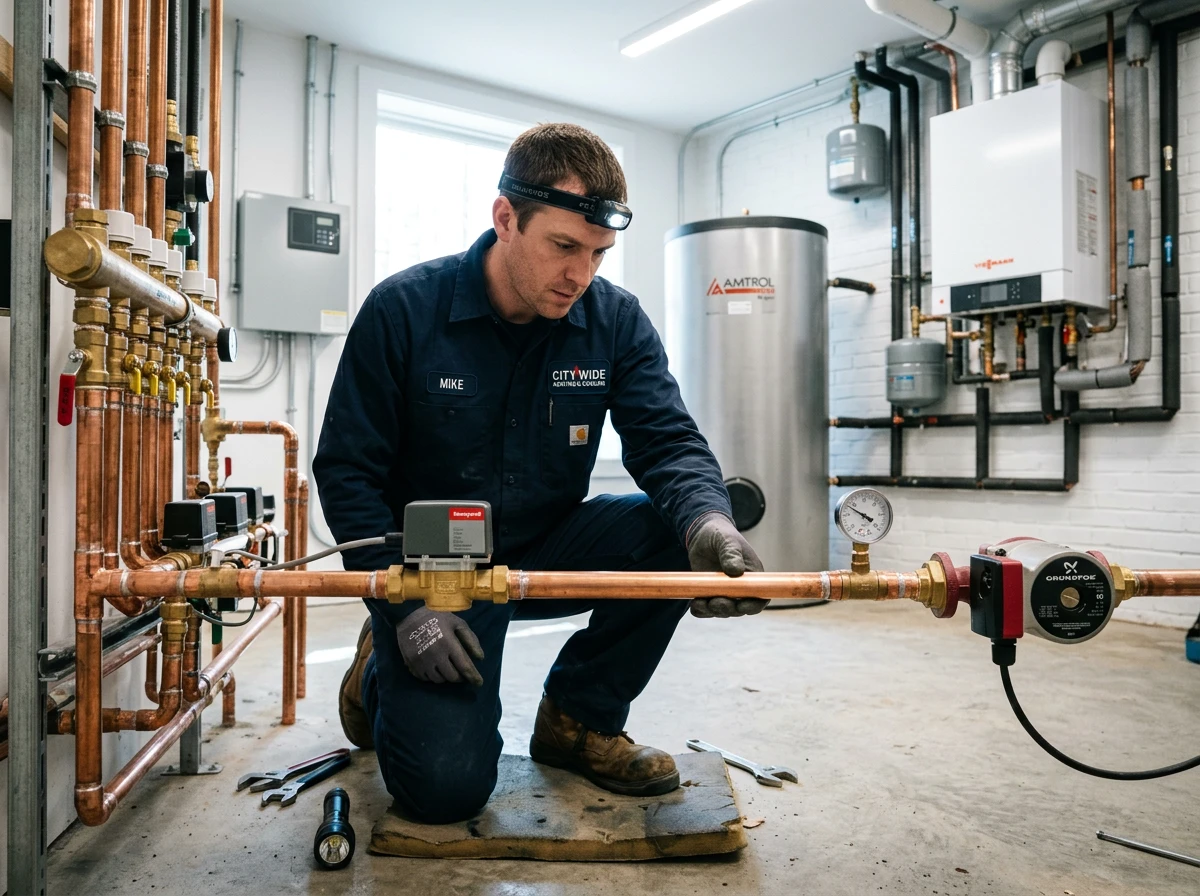
The reality of bad piping and wrong tanks
Many installers treat a buffer tank as an afterthought. They throw in whatever vessel they have lying around, hook it up incorrectly, and wonder why the underfloor heating system fails to perform. This is lazy engineering.
The most common blunder is miscalculating the tank volume. Installers often guess the size based on generic rule-of-thumb estimates rather than actual system dynamics. An undersized buffer tank cannot prevent short-cycling during low-load periods. If your under floor heating zones only call for 10% of your boiler's minimum output, a tiny tank heats up in minutes, forcing the burner to shut down immediately. This constant cycling destroys your compressor or burner.
Another critical mistake is using a domestic hot water tank as a closed-loop buffer reservoir. Do not do this. Domestic tanks have different internal coatings, smaller ports, and are designed for open-loop potable water. Using them in closed-loop domestic and commercial heating loops leads to oxygen ingress, rapid corrosion, and restricted flow rates. A standard DHW tank usually features 3/4-inch connections, which are far too small. A proper buffer tank requires 1-1/2 or 2-inch ports to prevent massive pressure drops that choke your circulators.
Piping errors also ruin performance. Installers frequently connect the heat source and the heating loops to the tank in ways that bypass hydraulic separation. For example, a poorly designed two-pipe configuration often causes pump conflict. The boiler pump fights the zone pumps, leading to erratic flow patterns where hot water bypasses the floor loops entirely and returns straight to the boiler.
To fix this, use a true four-pipe configuration. This layout forces all water to pass through the tank, ensuring the heat source pump and the distribution pumps never fight. If you try to save money by cutting corners on piping or skipping the tank entirely, your high-efficiency system will run worse than a thirty-year-old cast iron boiler.
At Integro Process Heating Solutions, we see similar thermal management errors across industrial applications, whether configuring a high-output drum heating chamber or installing custom thermal jackets. Just as selecting the wrong flexible heating jackets ruins process temperatures, poor buffer tank integration ruins underfloor systems.
Even when trying to manage heat loss in other parts of a building, bad habits persist. Some try to solve structural cold spots by installing self regulating heat trace lines without analyzing the base load first, which leads to massive energy waste. In hydronic systems, skipping proper buffer tank calculations yields the same disappointing, expensive results.
Is your floor heating actually running at peak efficiency?
Once those piping blunders are sorted out, you've got to look at the cold, hard numbers of your daily operations. Are you actually getting the thermal performance you paid for? Many property owners assume that because their floors feel warm, their underfloor heating setup is running flawlessly. But if your boiler or heat pump fires up every six minutes, you're burning through mechanical components and fuel unnecessarily.
At Integro Process Heating Solutions, we analyze thermal dynamics across both industrial and domestic applications. The physics don't change. Just as we use specialized insulated heating jackets to stabilize temperatures in sensitive industrial processes, your hydronic loop relies on a buffer tank to manage thermal mass.
It's not an optional luxury. It is the hydraulic referee that keeps your heat source from fighting your distribution manifold.
Monitoring your system's heartbeat
So, how do you know if your system is actually optimized? You don't need a degree in engineering to run a basic diagnostic. Start by tracking your compressor or burner cycle times during a mild shoulder season.
If your heat source runs for less than ten minutes at a time, your water volume is likely insufficient. While exact target runtimes vary depending on your specific climate and equipment, a healthy system shouldn't cycle more than a few times per hour under low-load conditions.
If your current setup is short-cycling, it's time to reassess your hydraulic layout. Integrating a properly sized buffer reservoir is often the single most effective way to restore balance. For those planning or upgrading modern domestic and commercial heating systems, verifying this hydraulic separation early avoids years of premature wear.
Take a walk down to your mechanical room tonight while the system is running. Listen to how often the equipment starts up. What does that cycle pattern tell you about the actual efficiency of your home?
If your heating setup struggles with erratic temperatures and short cycling, Integro Process Heating Solutions delivers engineered thermal equipment that keeps your operations running smoothly.
People also ask
Why does a hydronic heating boiler short cycle?
It's usually because the heat source's minimum output vastly exceeds the actual demand of an active micro-zone. When a small loop calls for heat, the limited water volume absorbs it instantly, causing the boiler to shut down prematurely.
Can I use a domestic hot water tank as a buffer tank?
Honestly, that's a mistake you'll want to avoid. Closed-loop buffer tanks are designed specifically for heating system water volume and hydraulic separation, whereas domestic tanks aren't built for those pressures and flow dynamics.
How does a buffer tank improve underfloor system efficiency?
It acts as a thermal battery that absorbs excess heat and smooths out temperature swings. That way, your heat generator runs at a steady, optimal rate without constantly turning on and off.
What happens if my radiant floor heating system lacks a buffer tank?
You'll likely deal with uneven room temperatures, annoying lockouts, and rapid mechanical wear on your boiler or heat pump. It's tough on equipment and doesn't do your energy bills any favors.