- By Admin
- Integro
- The false sense of security behind 'smart' heating lines
- Why self-regulation doesn't mean bulletproof
- Setting up your self regulating heat trace the right way
- What tools do you actually need to install it safely?
- The critical oversights that will quietly burn out your system
- Getting past the install and enjoying long-term freeze protection
- Common questions about self-regulating heat trace
The false sense of security behind 'smart' heating lines
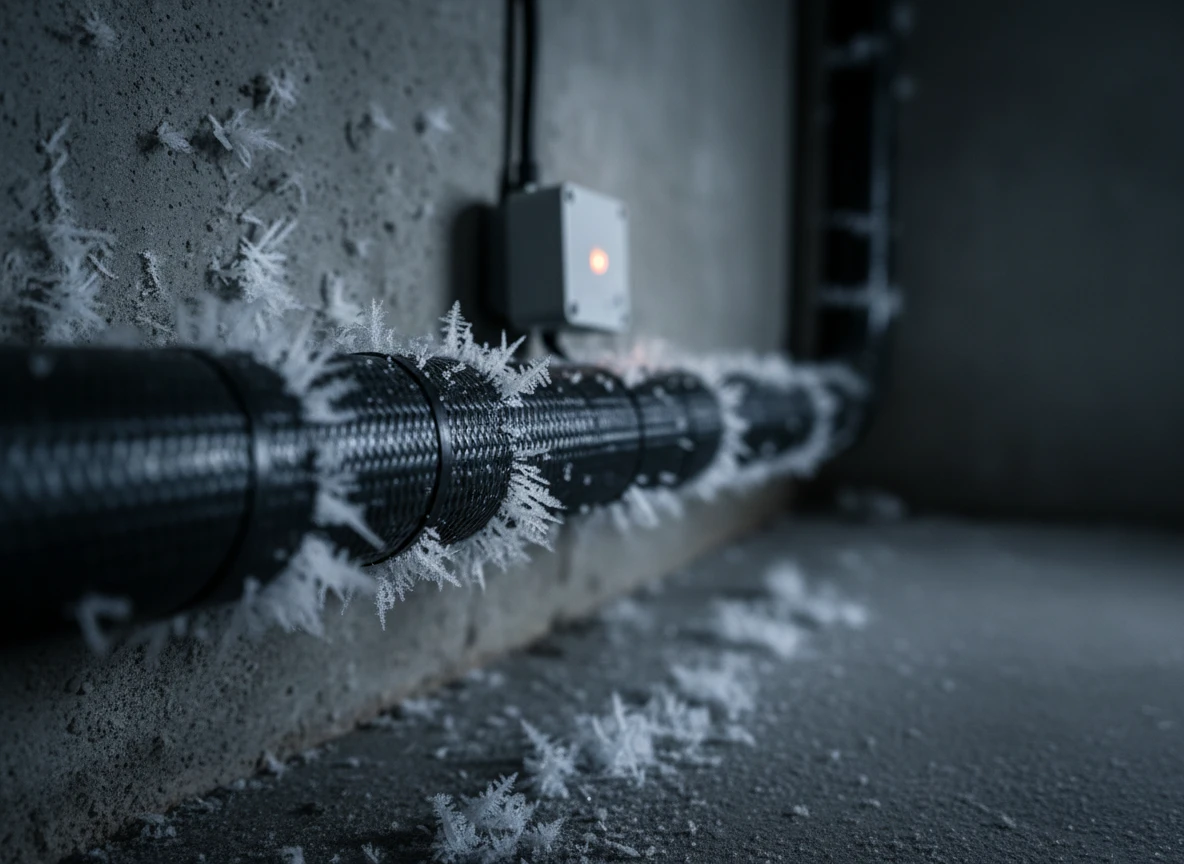
Would you leave a high-powered heater running non-stop in your facility just because the box labeled it "smart"? Probably not. Yet, every winter, plenty of facility managers and installers do exactly that. They assume "self-regulating" means "fully autonomous." It's a massive misconception, and it's exactly why we see so many melted polymer cores, tripped breakers, and frozen pipes when the real freeze hits.
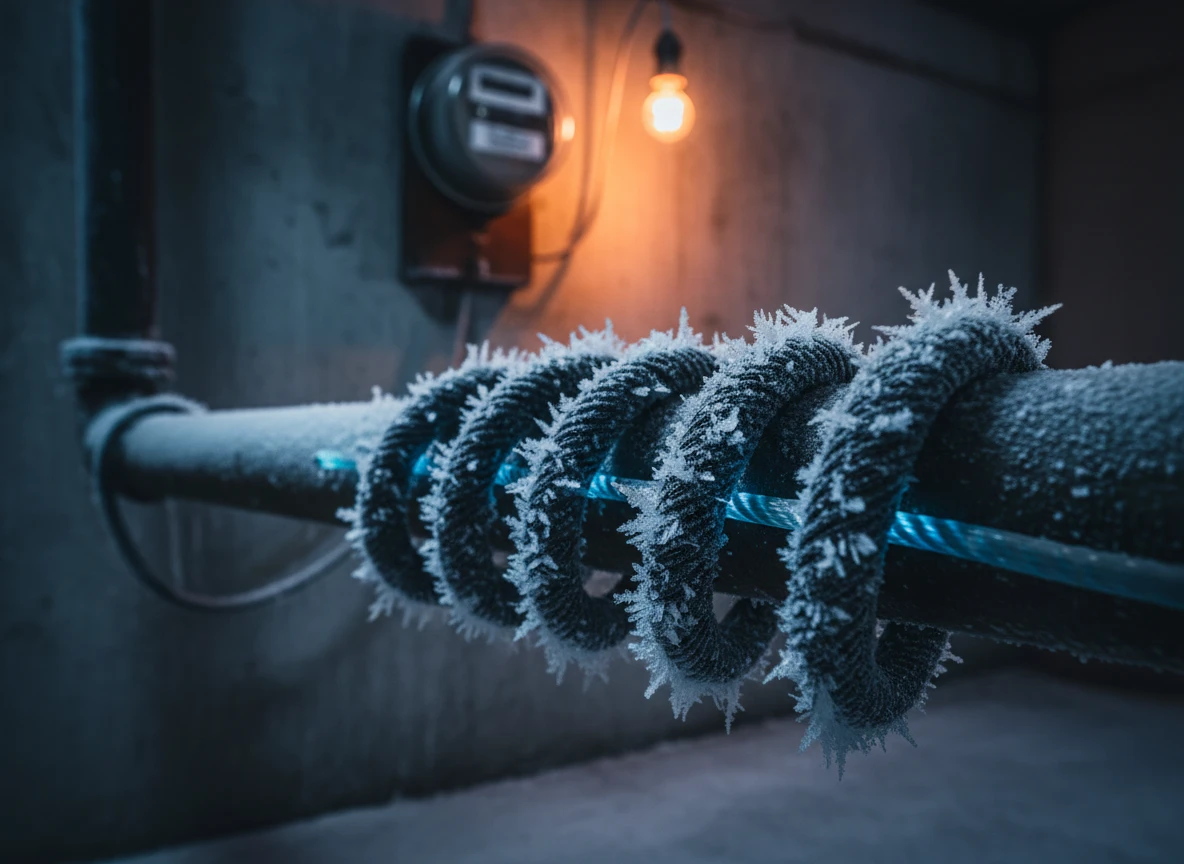
Here's the truth: a self regulating heat trace cable adjusts its power output based on the surrounding temperature, but it never actually shuts off on its own. It isn't a thermostat. Even when the air is warm, that cable is still drawing power and humming along at a lower wattage.
Over time, that constant trickle of electricity degrades the conductive carbon polymer core, killing its lifespan.
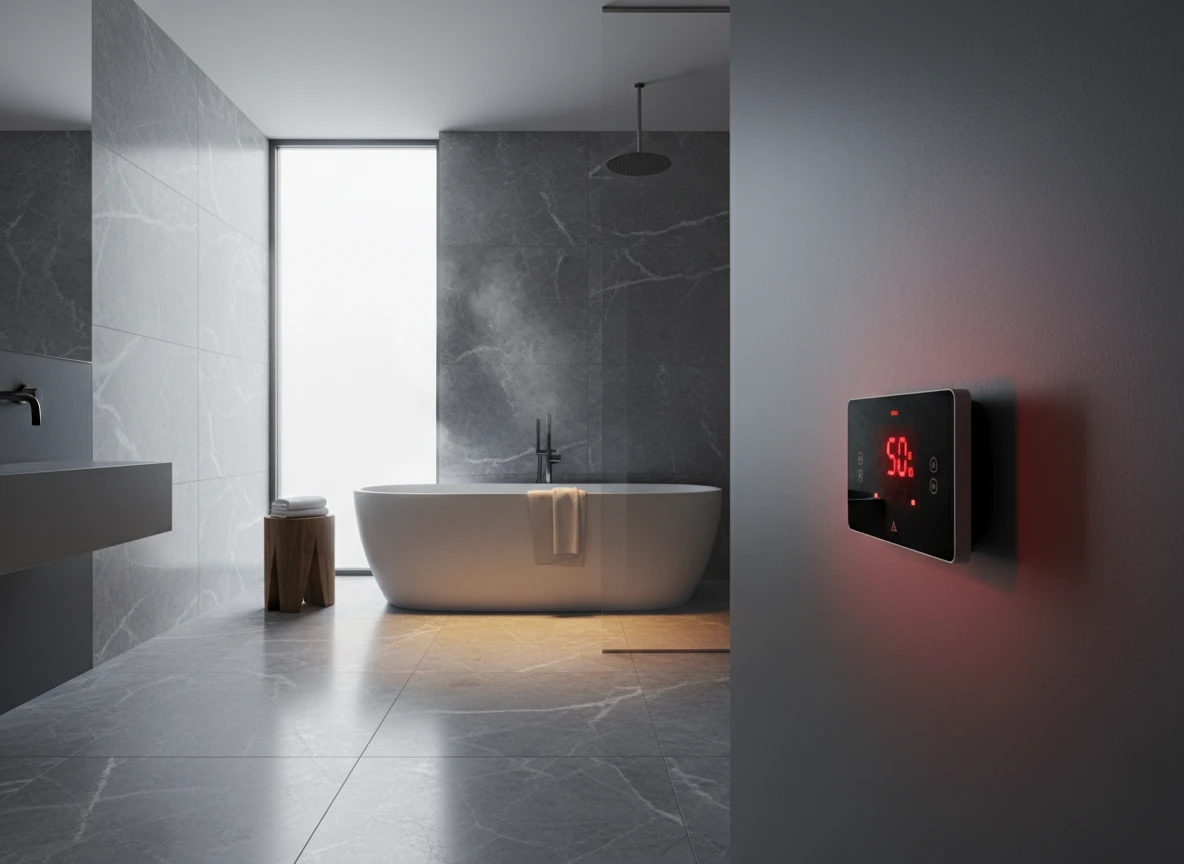
That's why we always recommend pairing these lines with external sensors. It's the same logic you'd use to manage electric floor heating systems so your power bills don't spiral out of control. It's a simple step, but installers skip it constantly.
We see the fallout of this firsthand at Integro. An installer wraps a pipe and overlaps the self regulating heat tape to get rid of some extra slack, thinking the "smart" tech will automatically prevent hot spots. It won't. Unless that specific cable is rated for overlapping, the trapped heat will eventually melt the core and kill the system. You usually won't even notice the damage until a pipe freezes and bursts.
To avoid this, stop thinking of these cables as plug-and-play accessories. They're engineered electrical systems. Match your voltage ratings, use proper ground-fault protection, and never skip resistance testing during the install. Treat them like real infrastructure, and they'll actually protect yours when the temperature drops.
Why self-regulation doesn't mean bulletproof
The mechanics of the polymer core
To understand why these systems fail, look at the polymer core. Inside self regulating heating cables, a specialized carbon-loaded polymer matrix sits between two parallel bus wires. When the temperature drops, this polymer contracts. That contraction pulls carbon particles together microscopically, which creates electrical paths to generate heat.
When it gets warm, the opposite happens. The polymer expands, separates the carbon atoms, and cuts the heat. It is a simple physical reaction, not a brain. The cable only knows what is happening in its immediate contact zone. It cannot think, and it certainly cannot fix your installation mistakes.
Why physical layout overrides self-regulation
Installers treat these cables like they are indestructible just because they adjust automatically. That is a stupid, expensive mistake. Overlap or cross non-rated cables on a pipe or subfloor, and you trap heat. The cable cannot "see" that the heat has nowhere to go. The temperature spikes, melts the core, and ruins the cable permanently.
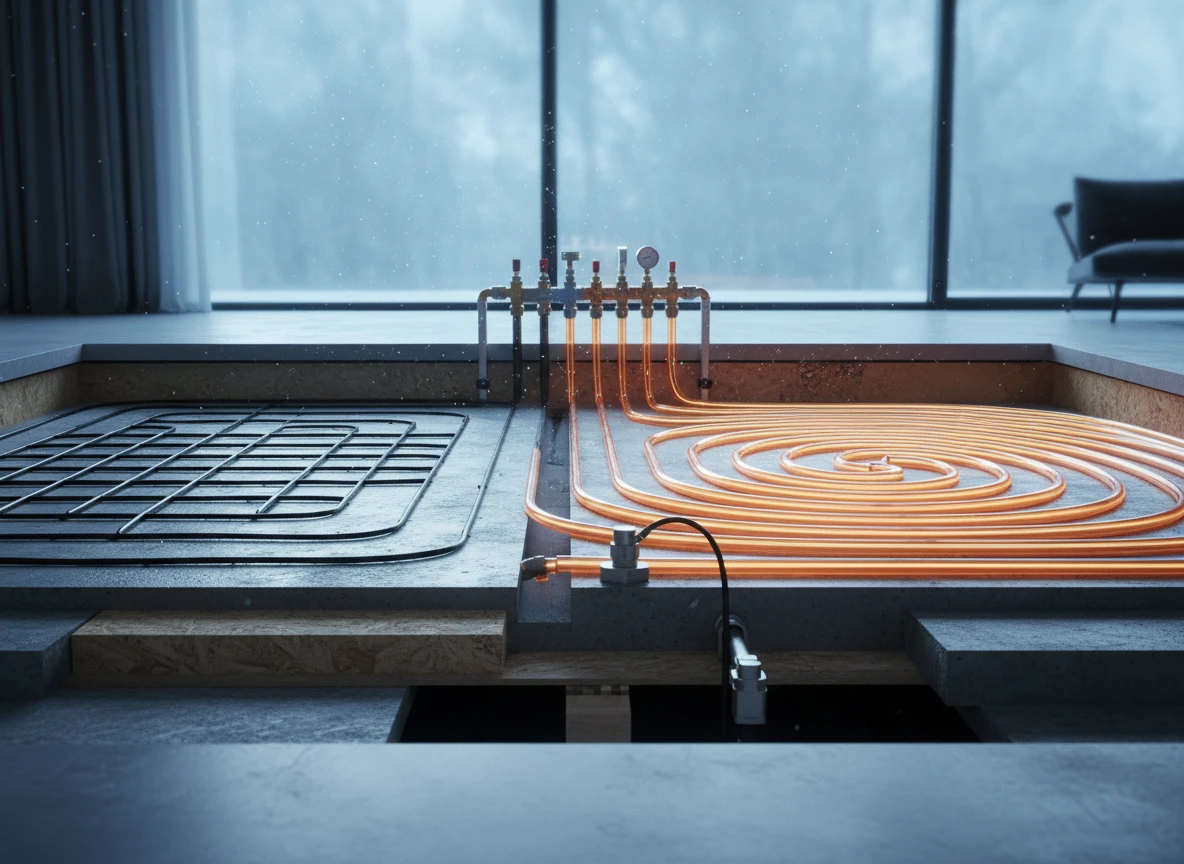
Bad layout kills performance. Putting a system directly onto bare concrete without insulation is just throwing money away. The heat sinks straight down into the cold slab instead of warming the room. If you are planning a project, deciding whether to install electric floor heating means looking at these physical realities before you buy a single foot of wire.
Voltage and electrical neglect
The polymer core cannot save a cable from basic electrical ignorance. Hook a 120V cable to a 240V line, and you quadruple the power load. The cable will melt or catch fire long before the polymer can expand enough to shut it down.
At Integro Process Heating Solutions, we watch this lack of planning destroy commercial systems constantly. Skipping resistance tests before, during, and after laying floor coverings is just lazy engineering. For larger layouts, choosing an engineered underfloor heating system requires strict voltage matching and proper GFCI protection. If you ignore basic electrical math, the cable's self-regulating feature is completely useless.
Setting up your self regulating heat trace the right way
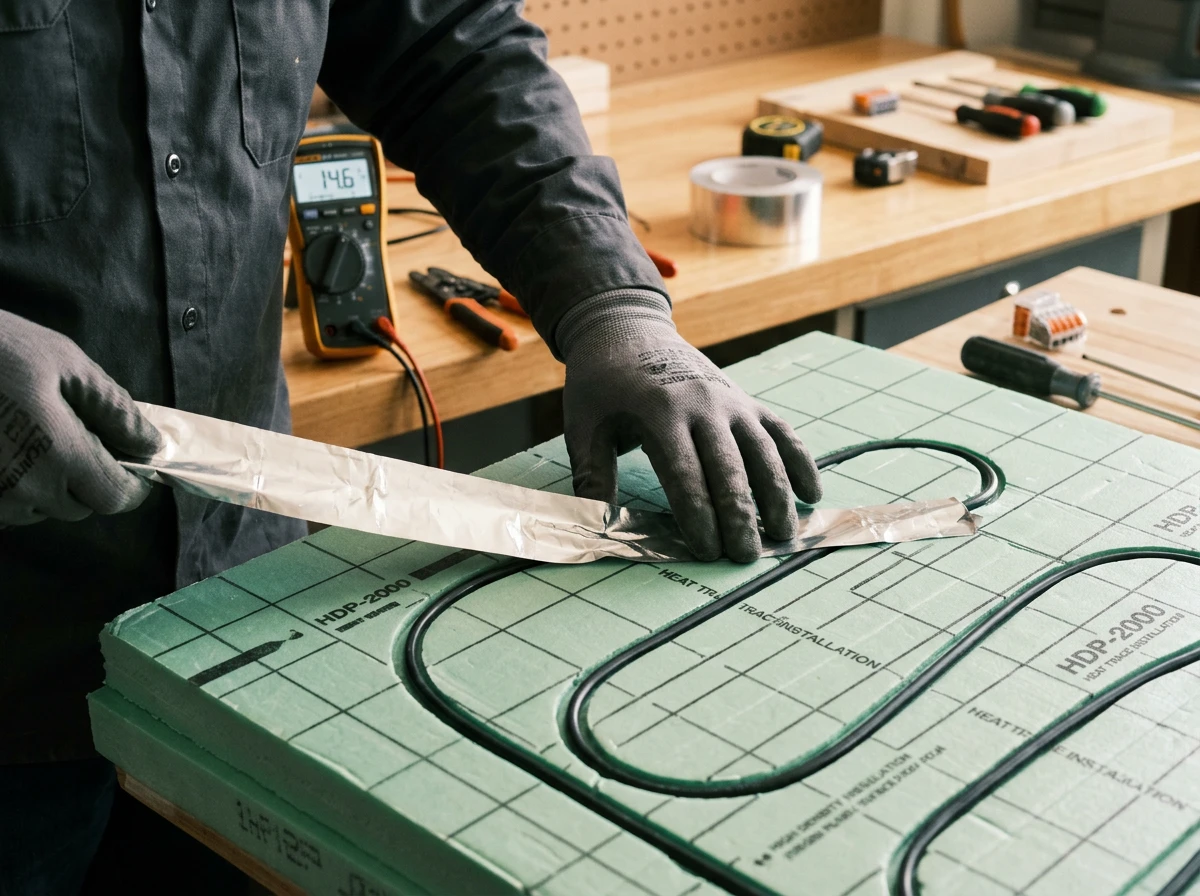
Moving from thermal theory to physical installation
Understanding how a carbon-polymer matrix regulates itself is only half the battle. Actually laying down a self regulating heat trace system requires meticulous, physical execution to prevent early failures.
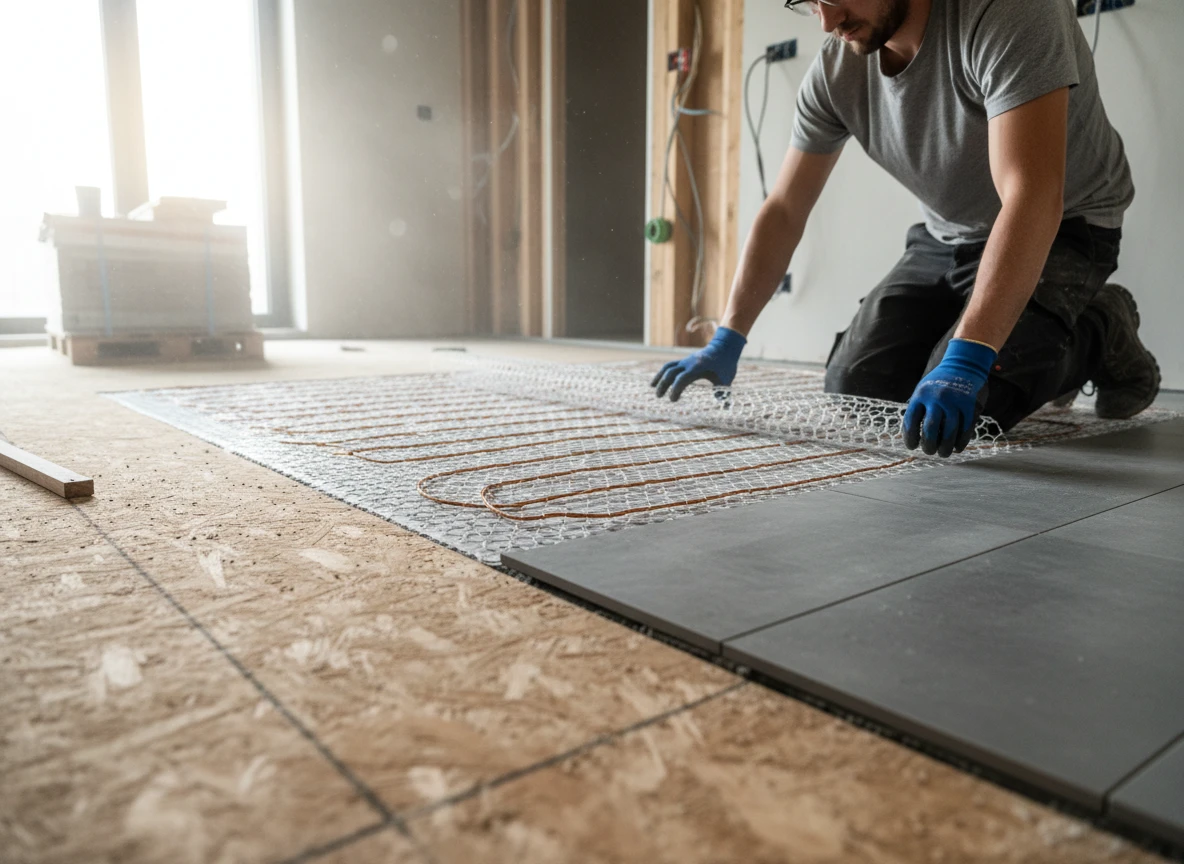
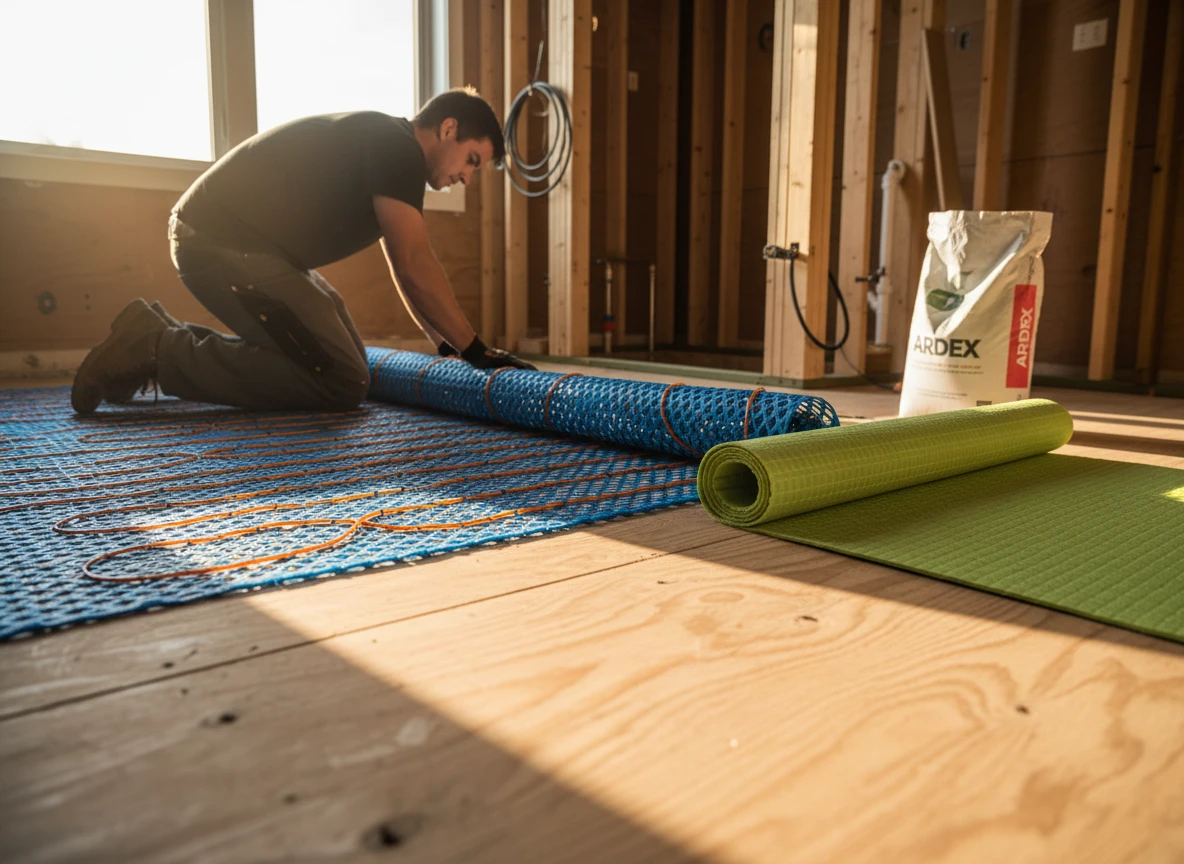
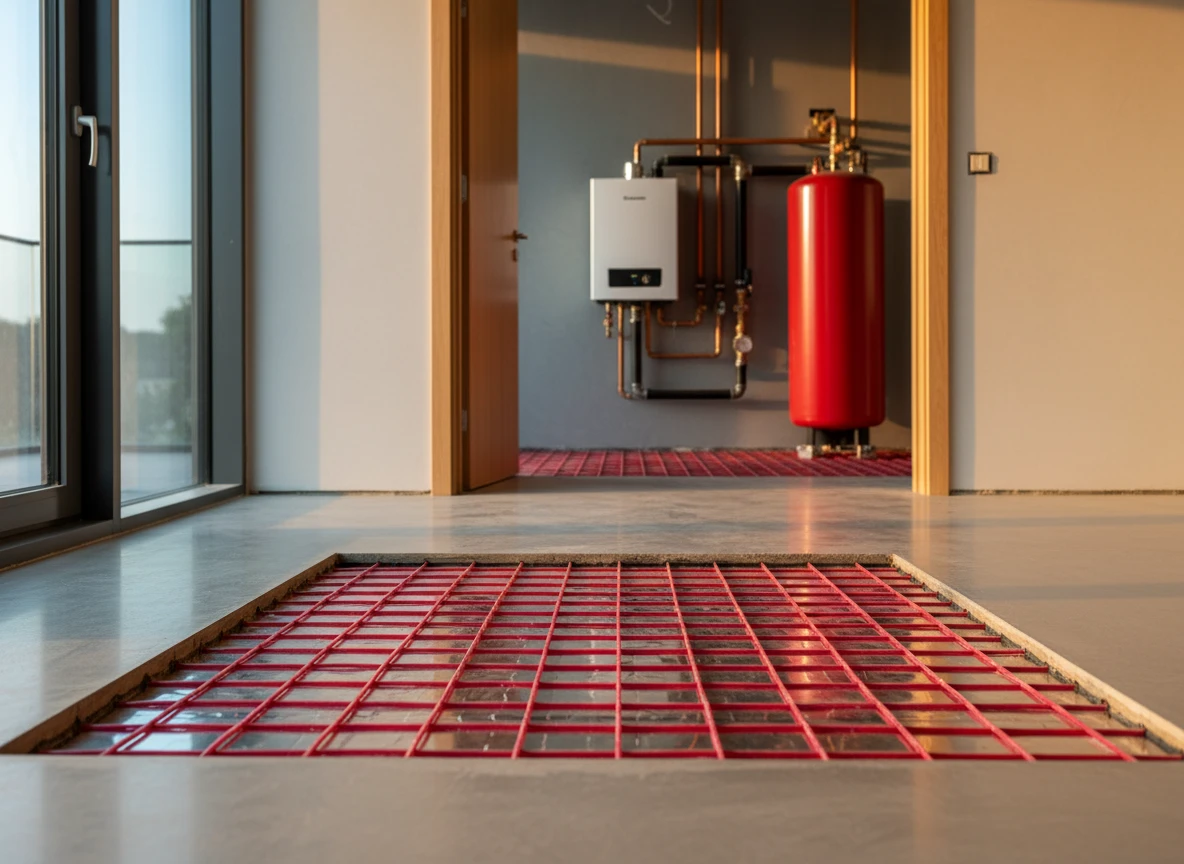
First, subfloor preparation is where many installers fail before even unpacking the cable. Any remaining grit, sharp concrete edges, or adhesive residues can compromise the protective outer jacket. When setting up an underfloor heating system or installing flexible heating jackets on industrial lines, the target surface must be completely flat and clean.
Step-by-step physical configuration
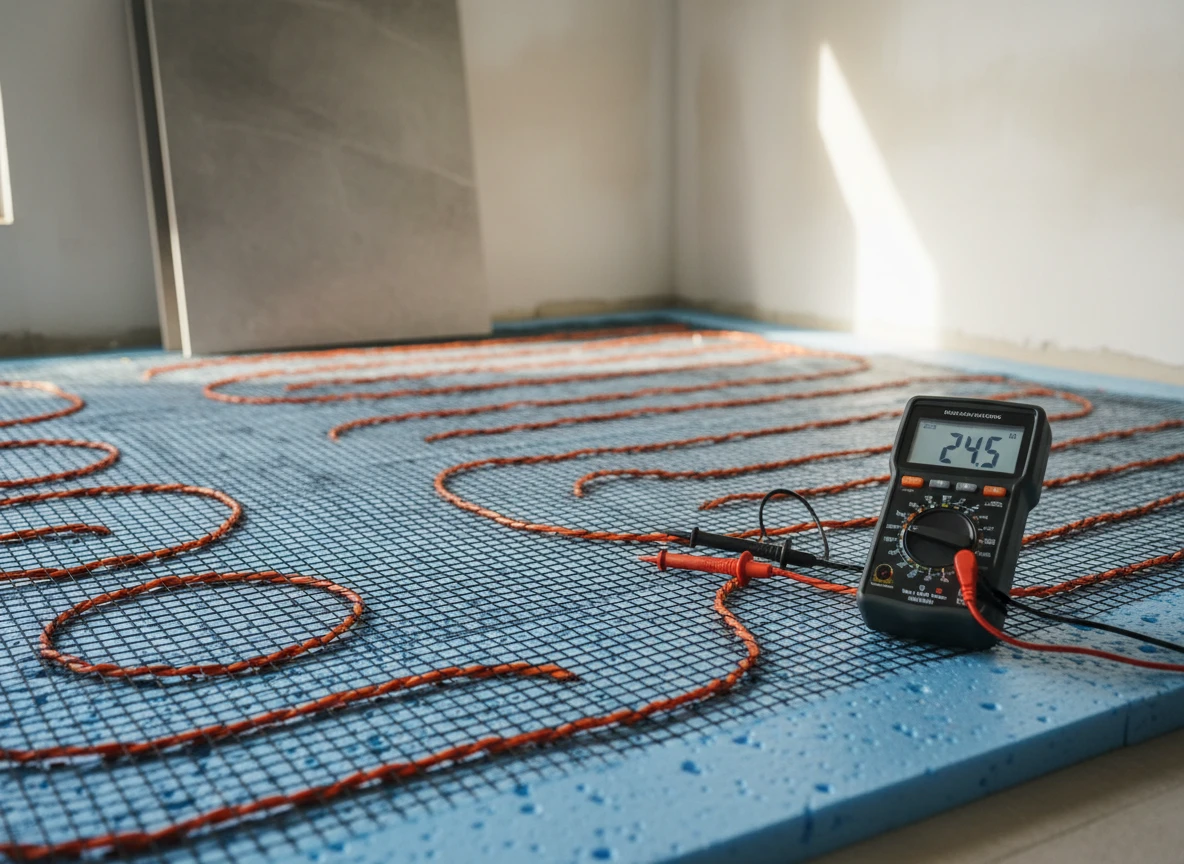
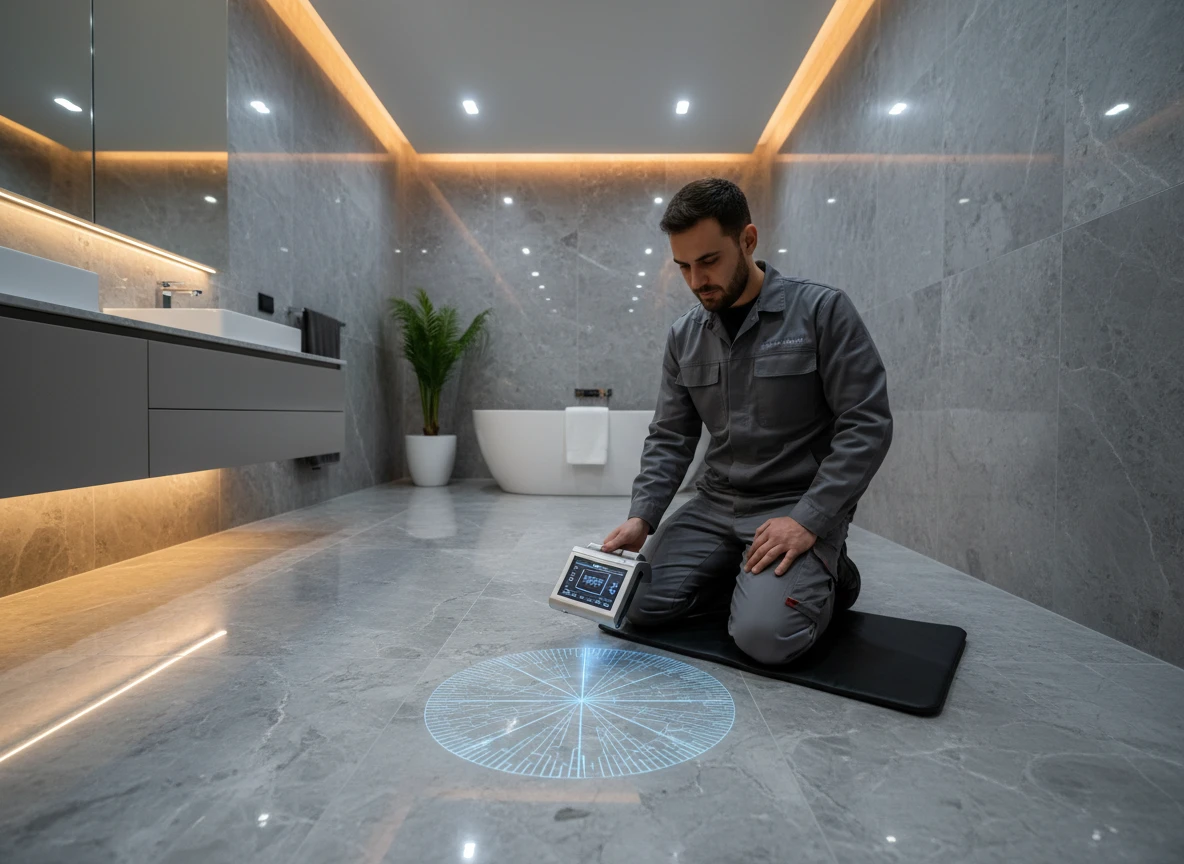
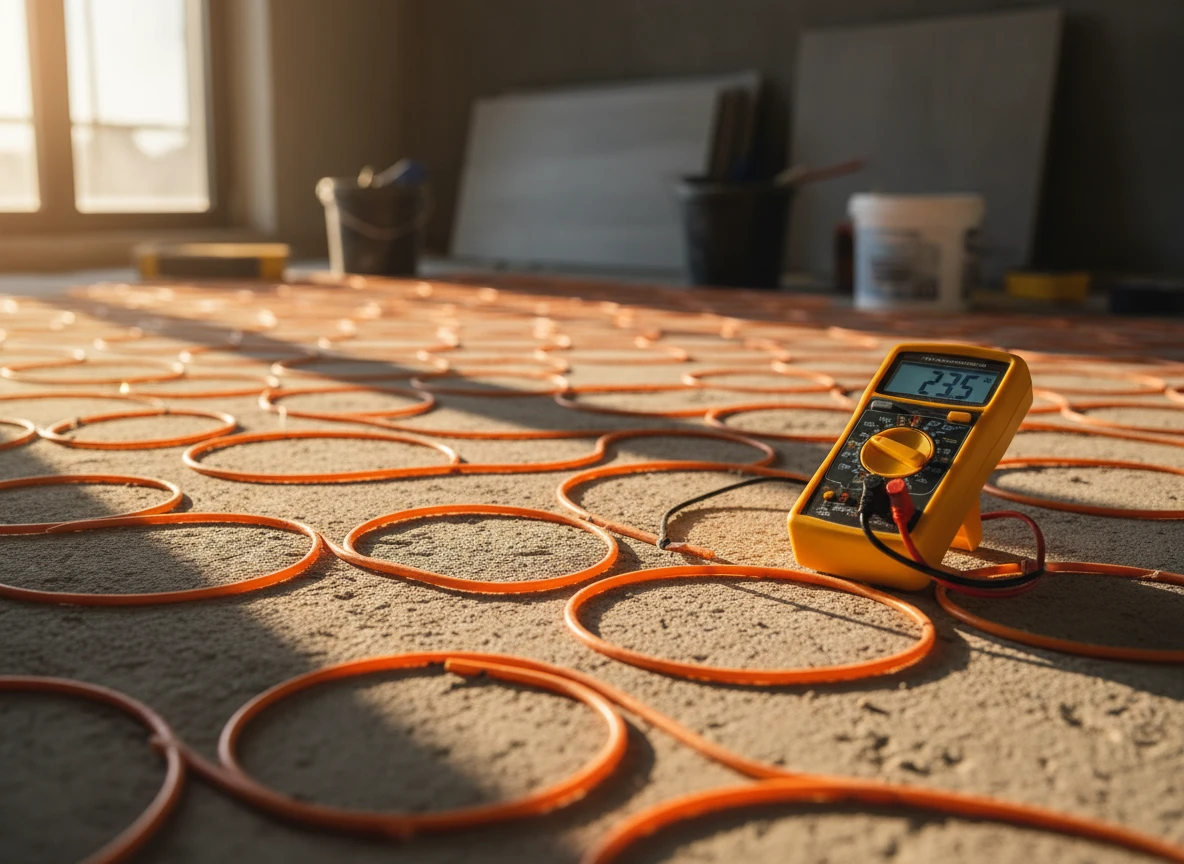
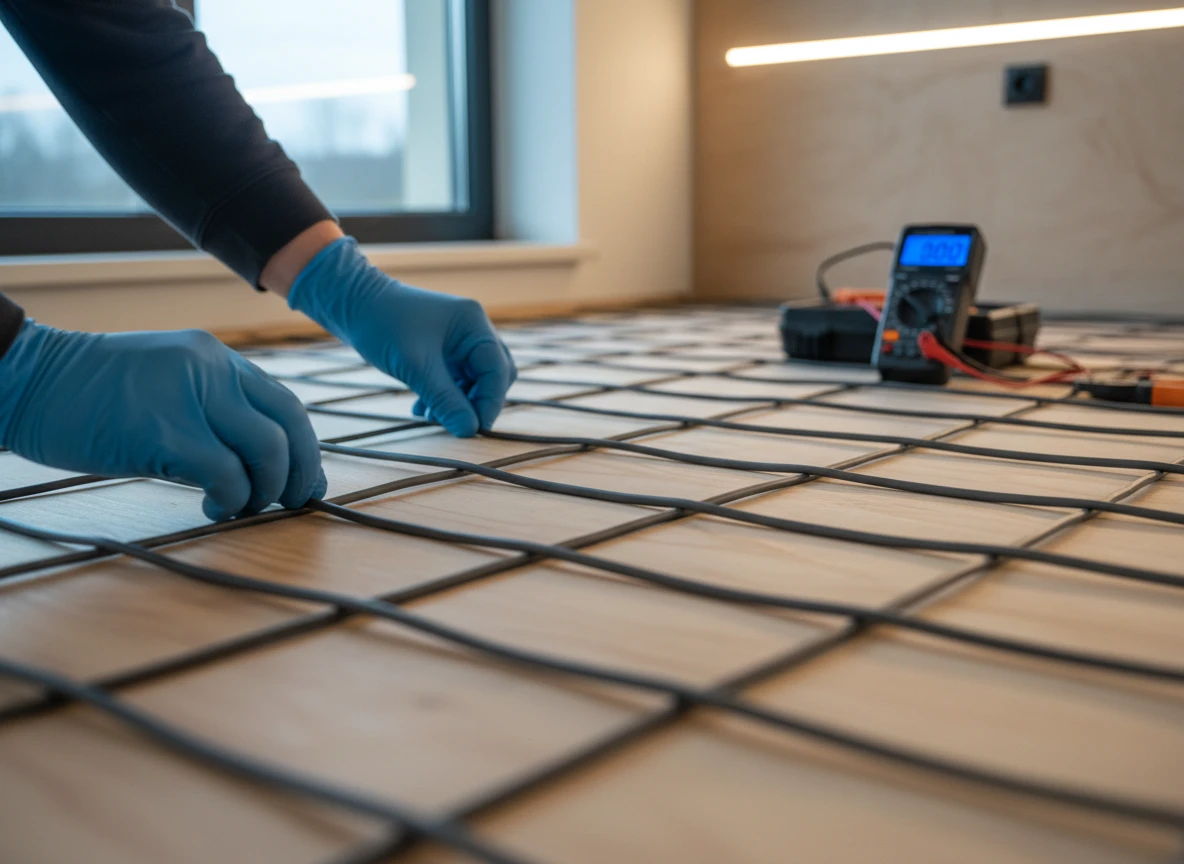
Resistance testing must occur at three distinct milestones during the installation. Do not wait until the screed is poured or the insulation is sealed. Test the cable right out of the box, test it again after it is secured to the floor or pipe, and run a final test after the flooring or cladding is completed. We use a megohmmeter (commonly called a Megger) at 500 or 1000 VDC to measure insulation resistance between the conductive bus wires and the grounding braid. A reading below 20 megohms indicates a compromised jacket that will trip breakers.
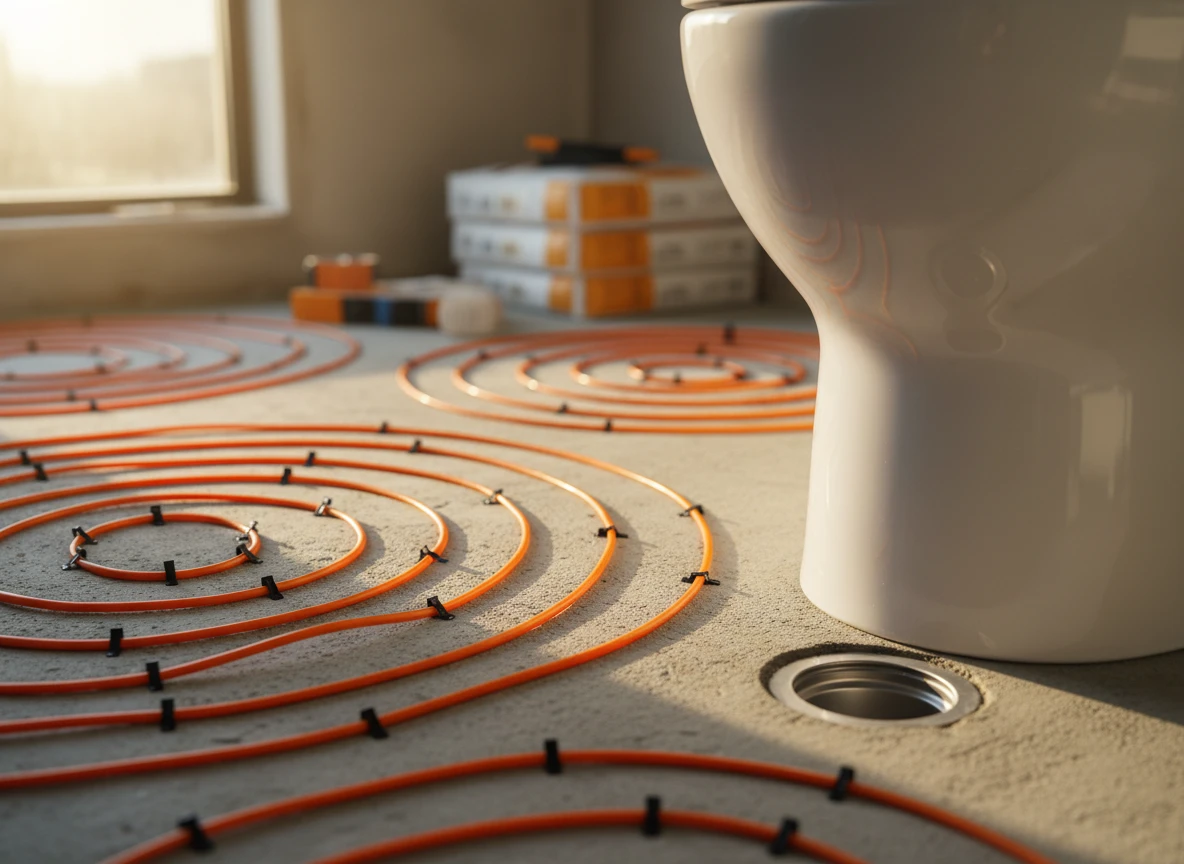
Securing the cable requires specialized materials. Standard plastic zip-ties will quickly degrade under thermal cycling. Instead, use fiberglass adhesive tape or metal fixing strips to keep the cable in place. If you are sourcing components from verified manufacturers of underfloor heating systems, use their recommended spacing brackets to maintain uniform distance. Never bend the heating cable tighter than its minimum bend radius (usually around six times its outer diameter), as this damages the internal carbon core.
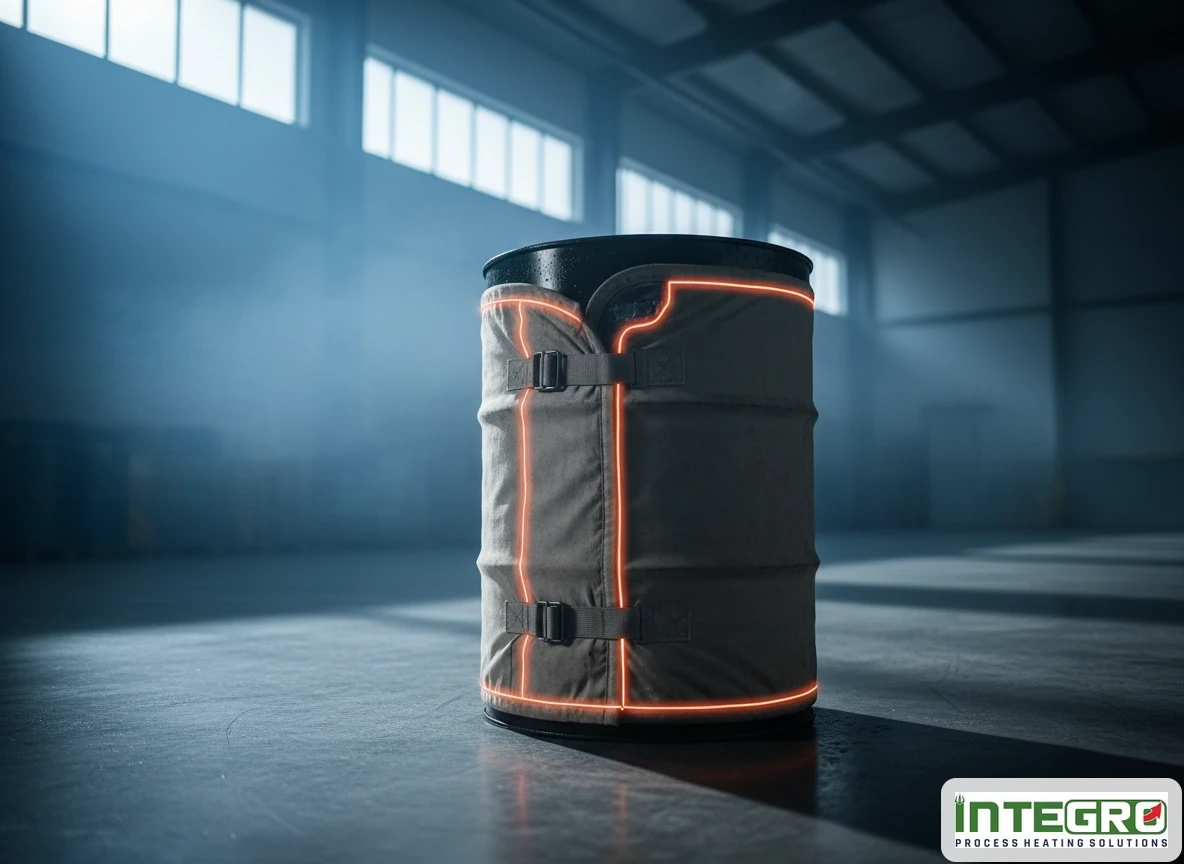
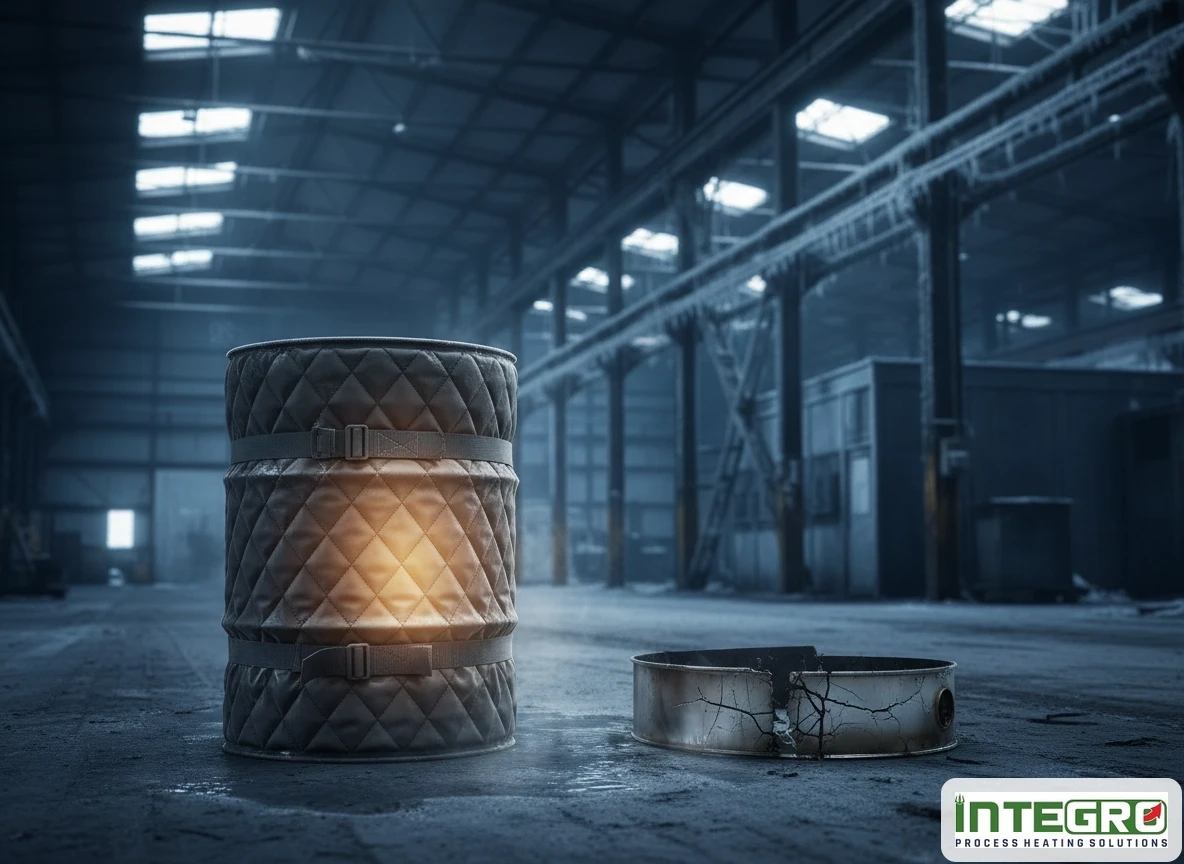
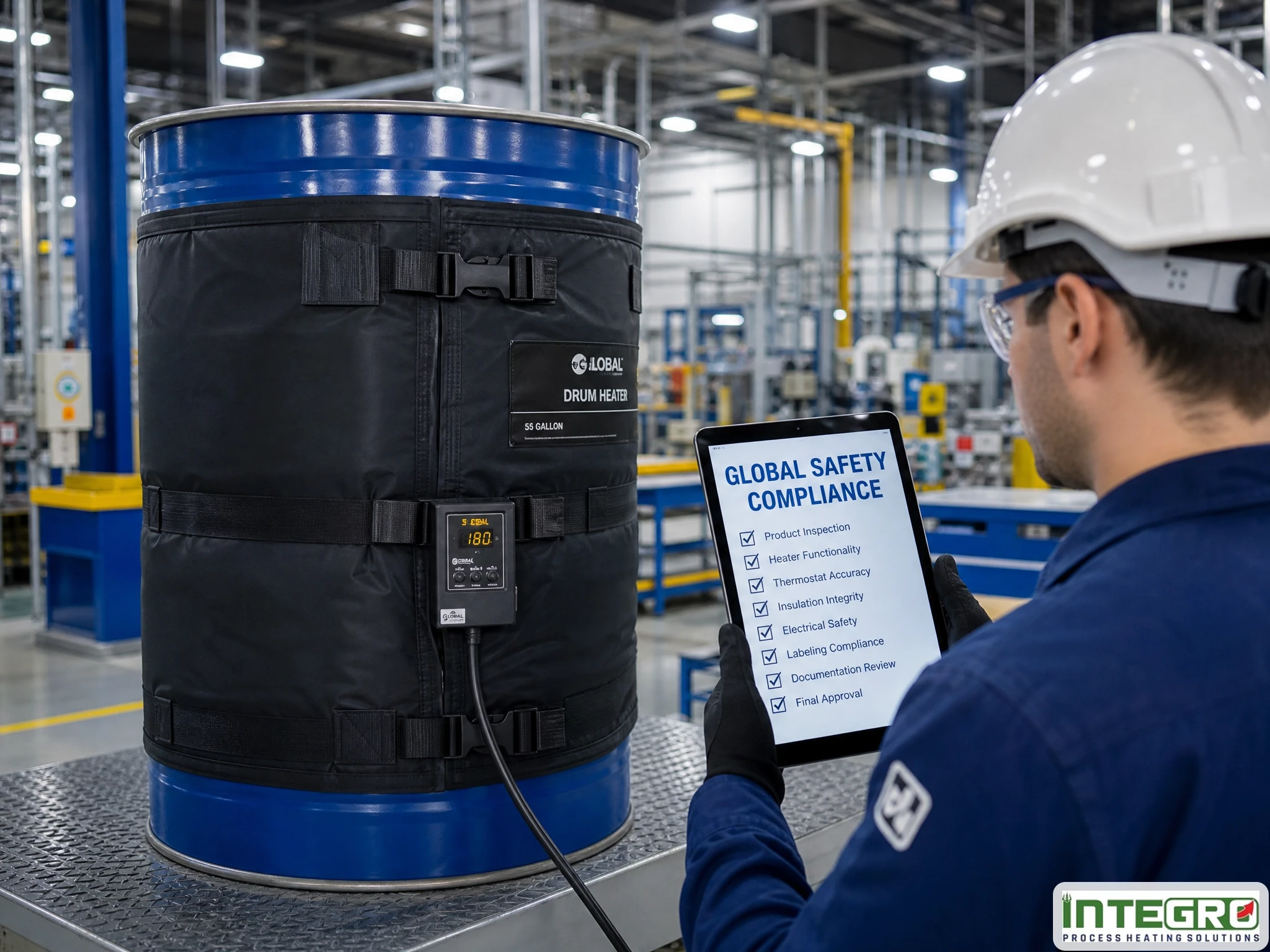
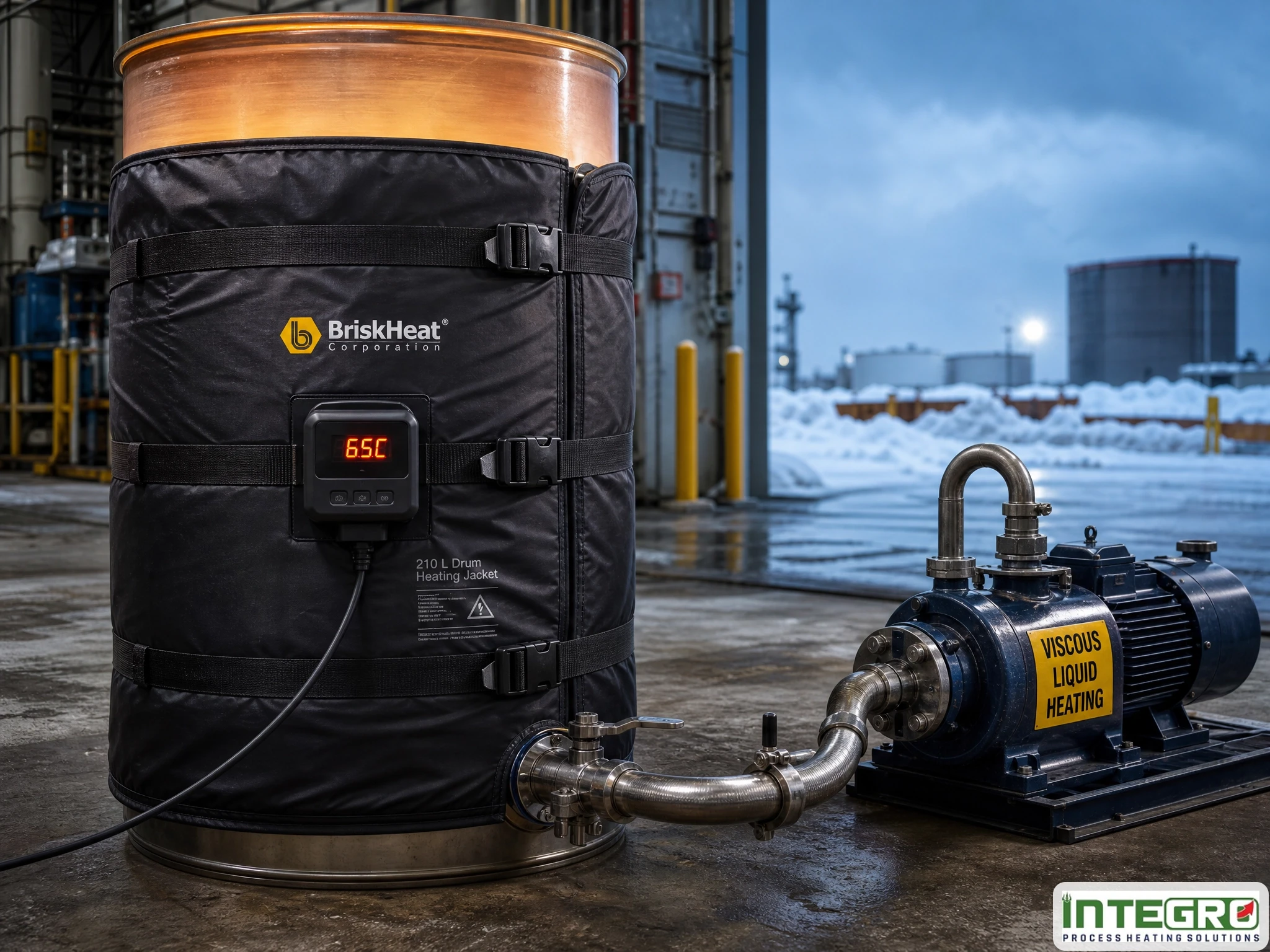
At Integro Process Heating Solutions, we frequently see systems fail because of poor physical contact with the heated medium. Whether you are using drum heating jackets or high-temperature insulated heating jackets, any air gap acts as an insulator, trapping heat inside the cable instead of transferring it.
Managing electrical loads and sensors
Electrical connections must match the cable's design parameters exactly. Connecting a 120V cable to a 240V circuit quadruples the power output, leading to immediate thermal runaway. Always use a 30-mA ground-fault equipment protection (GFEP) breaker rather than a standard 5-mA GFCI. The natural capacitive leakage of long self-regulating runs will cause constant nuisance tripping on standard residential breakers.
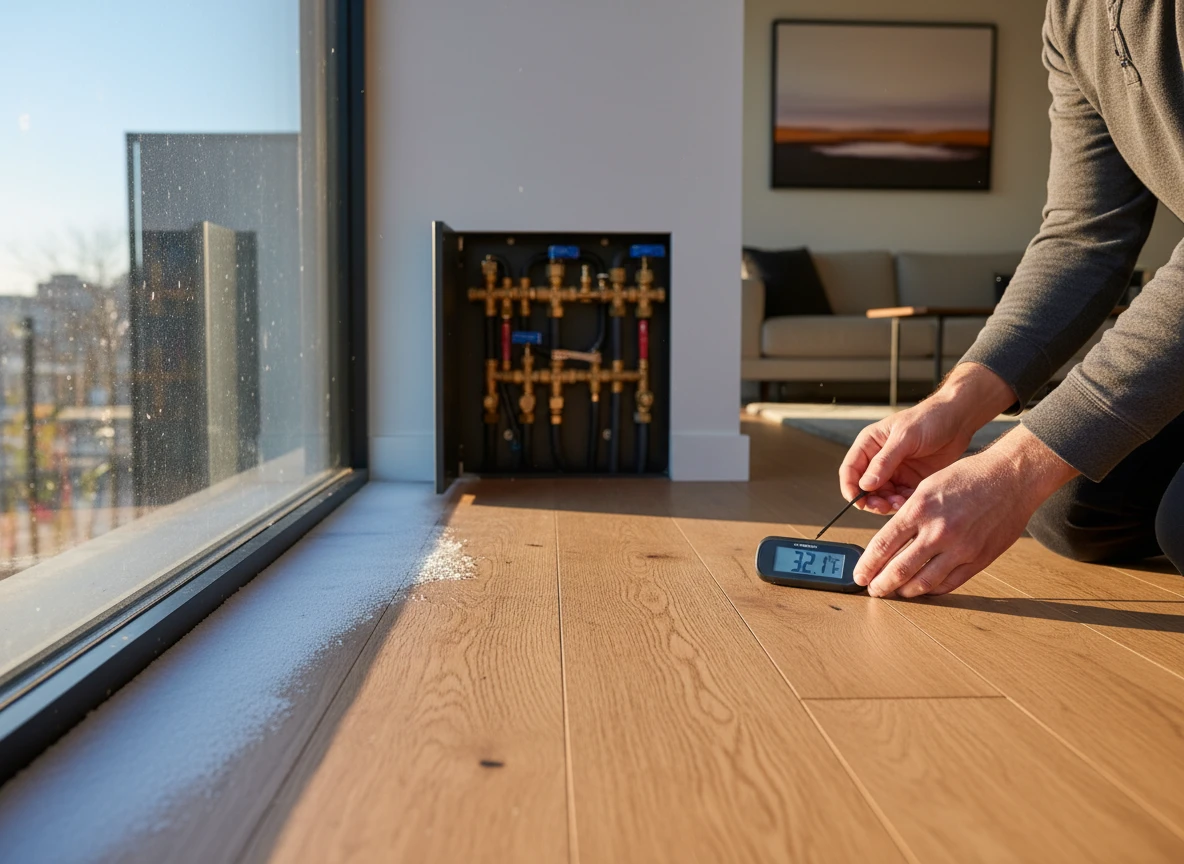
If your project involves specialized equipment like an industrial heating chamber or custom ibc heating jackets, the thermal sensor placement is highly sensitive. For floor heating, place the sensor probe exactly midway between two parallel cable runs. (Do not let it touch the heating element directly, or it will register artificially high temperatures and shut the system down prematurely.)
Admittedly, matching these strict installation tolerances in the field is tedious, and minor shortcuts sometimes go unnoticed during the initial power-up. However, skipping these steps guarantees a slow, expensive failure over the winter. If you are comparing electric options to hydronic radiant floor heating, keep in mind that electric installations require absolute precision during the physical layout phase to ensure long-term durability.
What tools do you actually need to install it safely?
The essential toolkit for a flawless setup
Let's talk about the gear you actually need on hand. Many DIYers think a roll of electrical tape and a pair of pliers are enough to install self regulating heat tape. They aren't. If you're working on advanced domestic and commercial heating setups, precision tools are your only shield against early system failure.
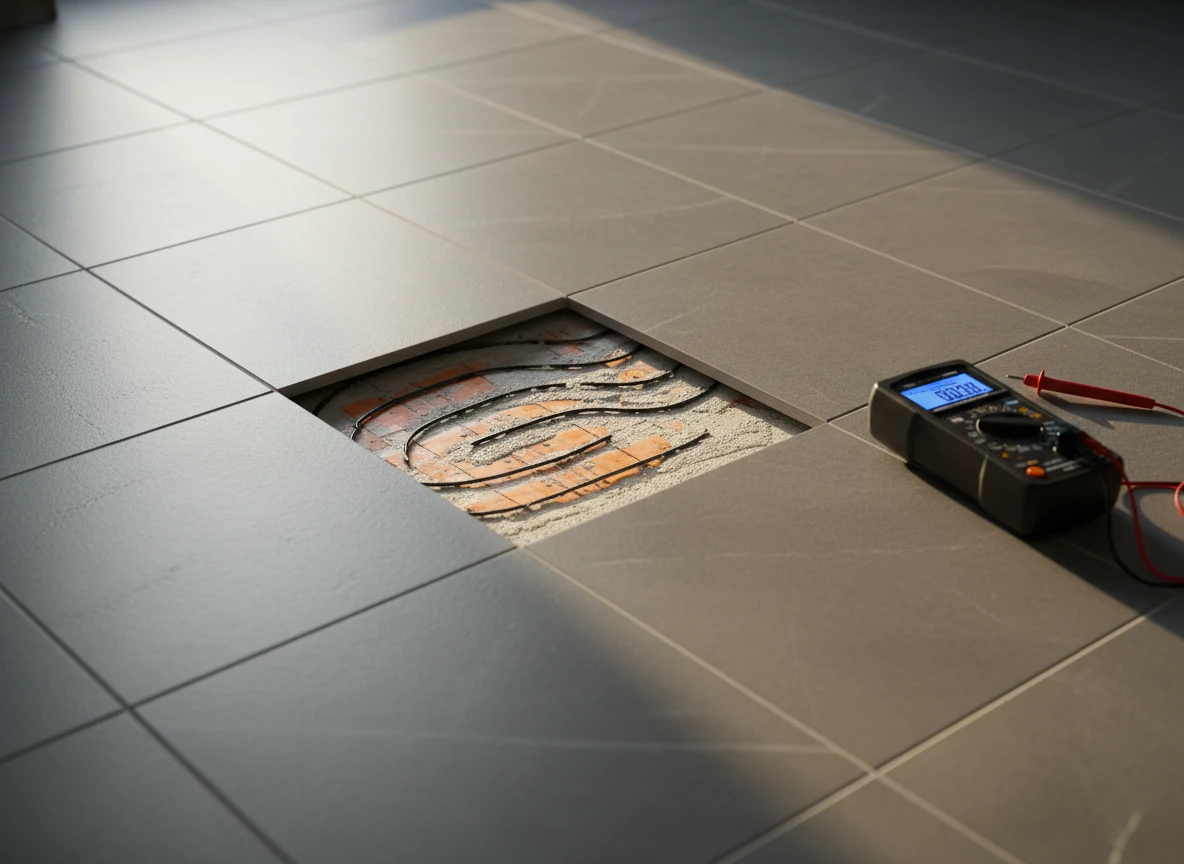
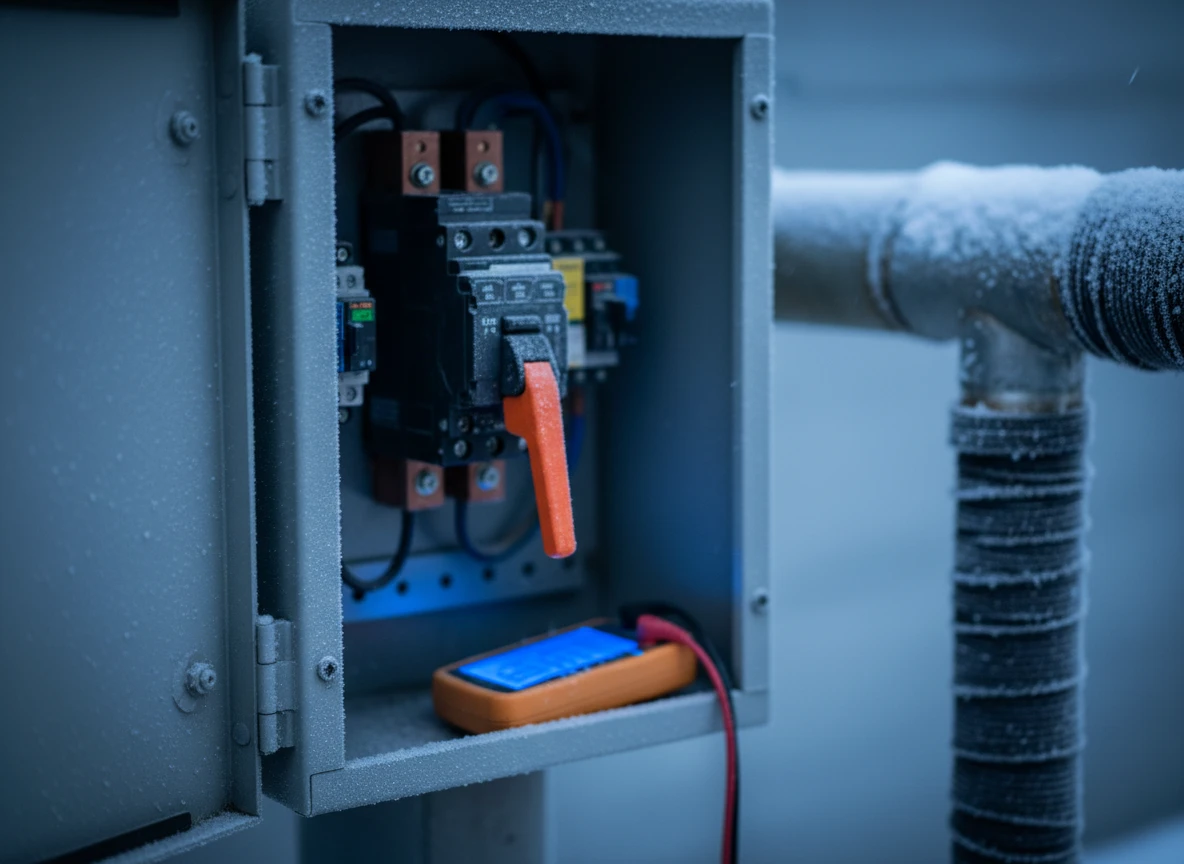
First, you need a high-quality digital multimeter. How else will you verify the insulation resistance before, during, and after the pour? Skipping this step is the fastest way to ruin your investment, much like ignoring hidden issues in an industrial heating system until it's too late. You'll want to measure both resistance and continuity to ensure no micro-fractures occurred during handling.
Next, throw away the standard duct tape. You need specialized, heavy-duty aluminum tape. Why? Because aluminum tape acts as a heat sink, spreading the thermal energy evenly across the contact area. Without it, you get hot spots that degrade the polymer core. If you are sourcing components from certified underfloor heating suppliers, they'll tell you that heat transfer is only as good as your physical contact.
But what about fixing the cable down? If you're working with complex floor heating solutions, plastic cable ties or specialized mounting brackets are mandatory. Do not use metal staples. One slip of a staple gun can pierce the outer jacket, leading to a direct short.
So, is a megohmmeter (megger) overkill? For some residential line-voltage runs, a standard multimeter might suffice, but for larger commercial installations, a megger is non-negotiable. It catches insulation breakdowns that standard low-voltage meters miss. Results can vary depending on ambient humidity, so always calibrate your readings to the manufacturer's spec sheet. When sourcing a complete underfloor heating system, verifying these electrical metrics is your final line of defense.
The critical oversights that will quietly burn out your system
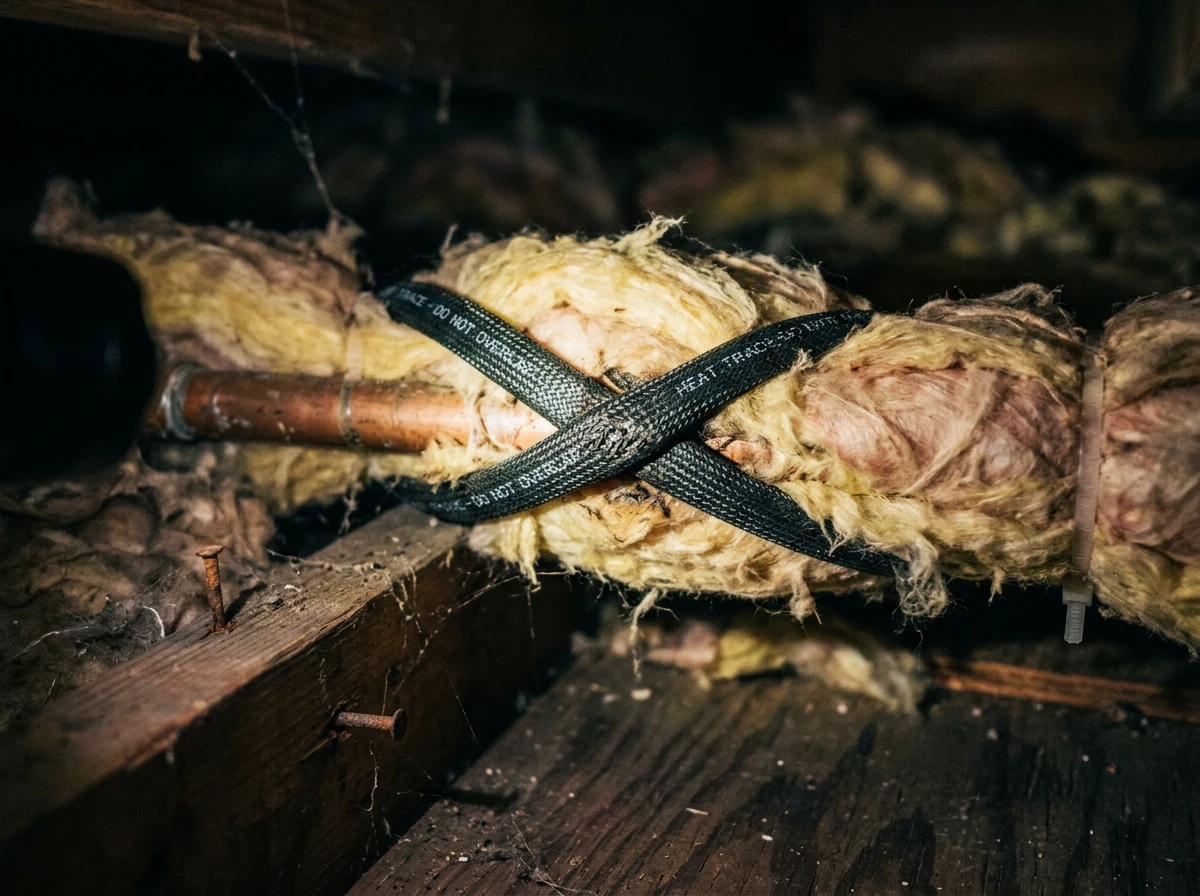
The silent killers of thermal design
Connect a 240-volt power supply to a 120-volt rated heating cable, and power density spikes by 400%. This isn't a minor oversight. It is an instant trigger for thermal runaway. While self-regulating cables adjust their output based on ambient temperatures, they cannot bypass basic physics. Under extreme over-voltage, the core material degrades rapidly, causing localized melting, short circuits, and total system burnout.
Sensor placement is another common failure point. If you position an underfloor sensor too close to drafty doors, external heat sources, or directly against the heating element, it will read the wrong temperature. The system then cycles constantly or shuts down early.
We also see installers overlap cable runs to use up extra length. Do not do this. Overlapping non-rated cables traps heat and destroys the polymer core, even if the cable is technically self-regulating.
At Integro Process Heating Solutions, we see these basic thermal errors ruin high-end setups. For example, when installing modern underfloor heating systems, skipping insulation boards beneath the heating element is a massive mistake. Without that insulation, you lose up to 50% of your heat. It sinks straight down into the concrete slab instead of warming the room.
The top layer matters just as much. Thick, high-R-value rugs or heavy furniture trap heat, restricting the dissipation of underfloor heating systems. Over time, this trapped heat bakes the cable's polymer core.
Whether we are designing industrial drum heating chambers or commercial floor layouts, managing the thermal path is mandatory. Self-regulation isn't a magic shield against bad installation. It is a precision feature that requires matched electrical loads and clear thermal paths to work.
Getting past the install and enjoying long-term freeze protection
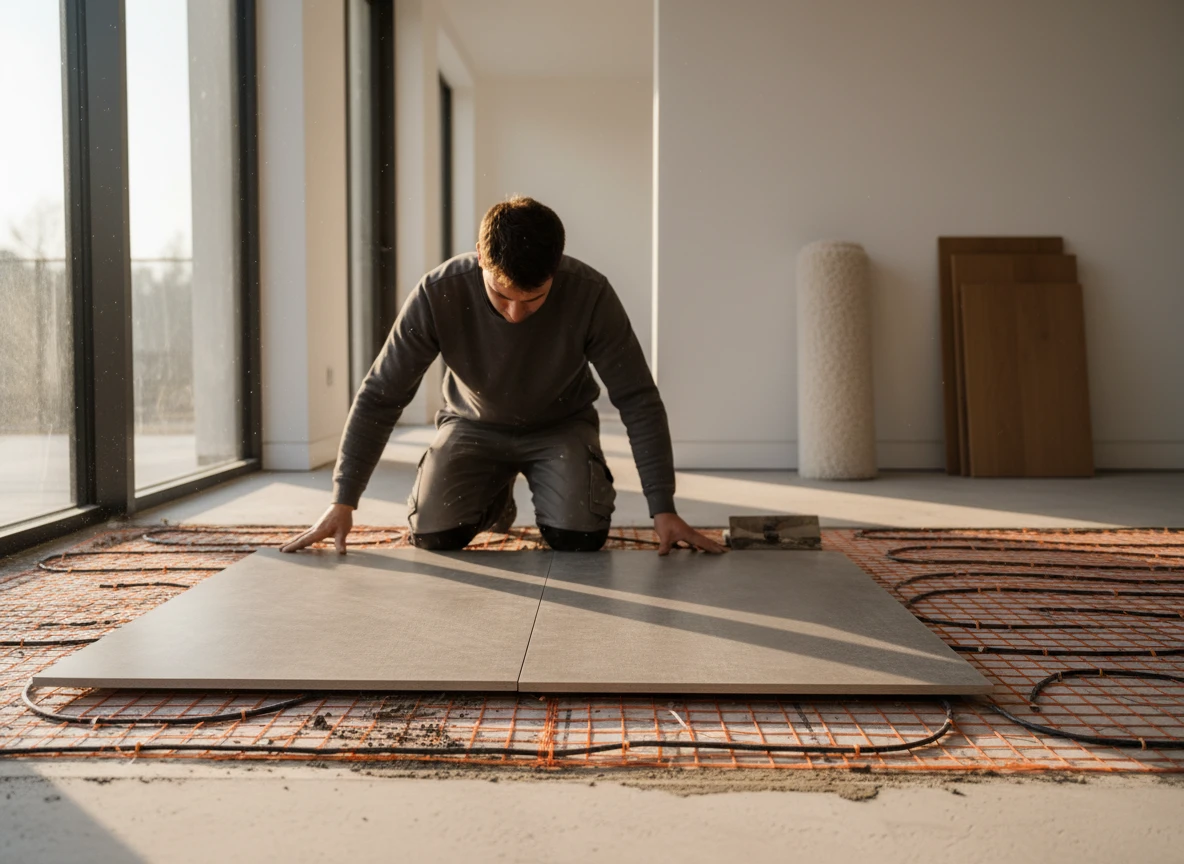
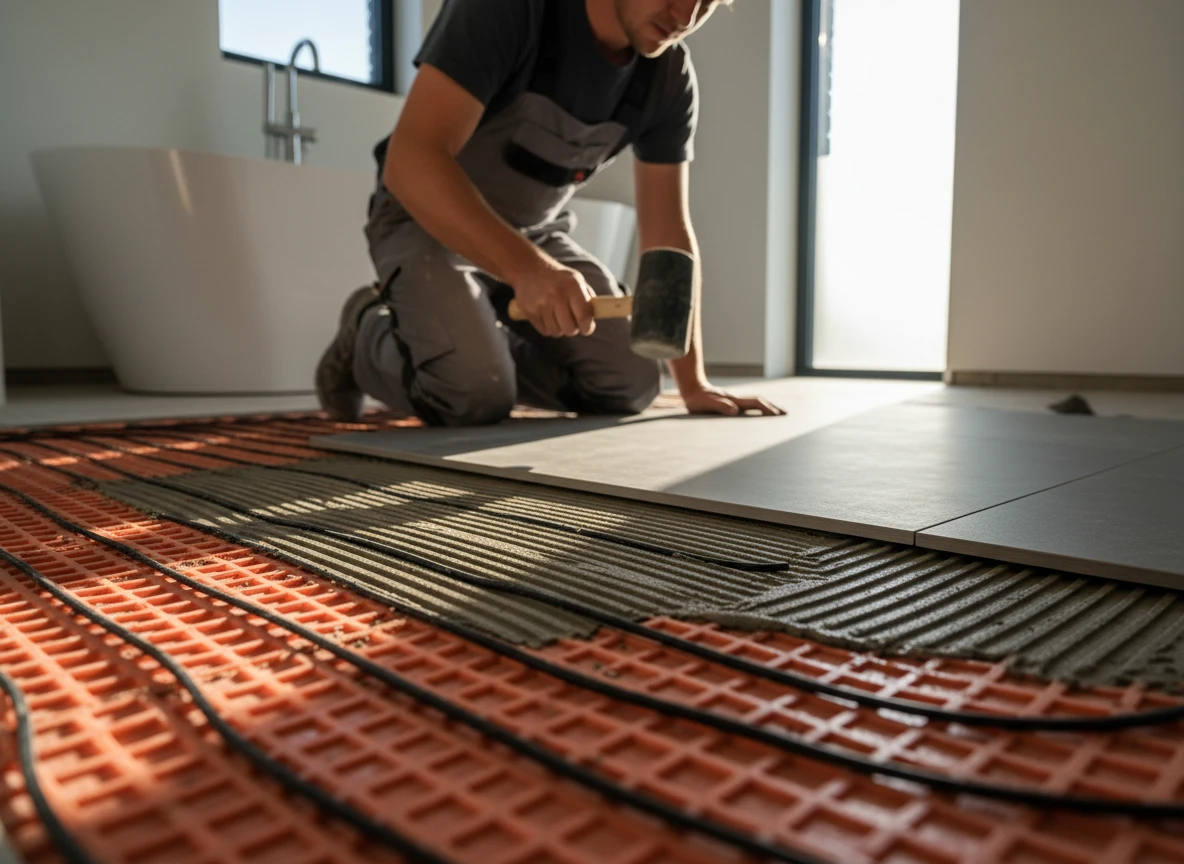
Imagine pouring thousands of dollars of self-leveling compound over a freshly laid thermal grid, waiting forty-eight hours for it to cure, and then flipping the breaker only to watch the GFCI instantly trip. A single nicked wire during the final trowel stroke went unnoticed because no one kept a multimeter connected during the pour. That is where many promising installations fail,right at the finish line.
Before you pack away your tools and call the project complete, a final, multi-stage verification is your only real insurance policy. For both industrial freeze protection and floor heating solutions, you must measure insulation resistance one last time after the final covering is fully dry. This ensures no physical shifting, stepping, or scraping damaged the polymer core during construction. At Integro Process Heating Solutions, we advocate for this relentless testing loop because even self-regulating systems cannot overcome physical circuit breaks that happen during the final cosmetic finish.
We apply these same strict commissioning principles whether we are designing complex domestic and commercial heating systems or deploying specialized industrial thermal equipment like insulated heating jackets for process lines. The core engineering philosophy remains: never assume a system works just because it is plugged in.
Once your resistance values match the manufacturer's data sheet, perform a true cold-start test. Monitor the initial current surge to ensure your home or facility breakers can handle the startup load on a freezing morning. This final validation turns an unpredictable DIY attempt into a reliable thermal asset that operates exactly when the hard freeze sets in. It is always better to find a fault now while the tools are out, rather than in the dead of winter. What step in your commissioning checklist will you verify first before the temperature drops?
If you're dealing with complex thermal management, Integro Process Heating Solutions provides engineered heating options that skip the DIY guesswork.
Common questions about self-regulating heat trace
Can I overlap self-regulating heat trace cables to use up extra length?
Most people think it's fine because the cables adjust their own temperature, but it's actually a risky move. Improper overlapping on non-rated lines traps heat and degrades the polymer core, which can cause localized melting.
Why does my self-regulating system keep tripping the GFCI breaker?
That's usually a sign of moisture intrusion in the connection housing or a damaged outer jacket. It's also worth checking if you've got a wiring mismatch somewhere along the run.
Do I really need to test electrical resistance before laying down the final flooring?
Honestly, skipping this step is how people end up tearing out brand new tile. You've got to run multimeter checks before, during, and after the install to catch breaks early.
What happens if I hook up a 120V heating element to a 240V power source?
You'll instantly quadruple the local power load, and that's a fast track to immediate burnout and severe fire hazards. Always double-check your voltage ratings before wiring anything up.