- By Admin
- Integro
- The constant-run debate: why radiant systems break the traditional heating rules
- Q: Why does a cold floor take hours to warm up?
- Q: Is it safe to leave underfloor systems running indefinitely?
- Two heating profiles: setback temperatures vs on-demand scheduling
- Q: How should I schedule heating in a high-traffic room like the bathroom?
- Pre-season checks to avoid the cold-floor surprise
- A simple diagnostic framework for your thermostat schedule
- Frequently Asked Questions
The constant-run debate: why radiant systems break the traditional heating rules
The thermal mass trap
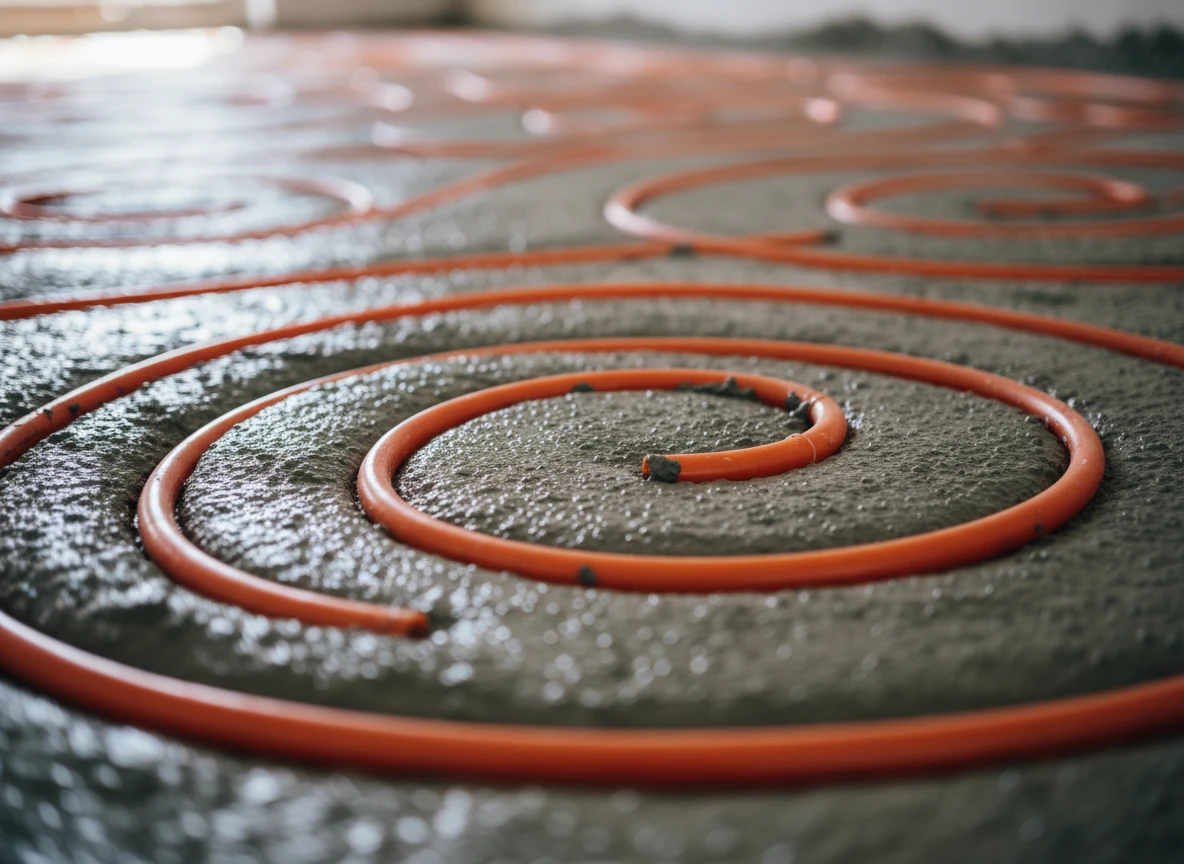
Why do so many homeowners treat a two-tonne concrete floor slab exactly like a thin copper radiator? It's a fundamental misunderstanding of thermal mass that quietly spikes utility bills every winter. Traditional forced-air and radiator systems rely on rapid, on-demand convection cycles,you feel cold, you turn the dial up, and hot air circulates within minutes. But applying this frantic on-and-off schedule to modern underfloor heating systems simply doesn't work.
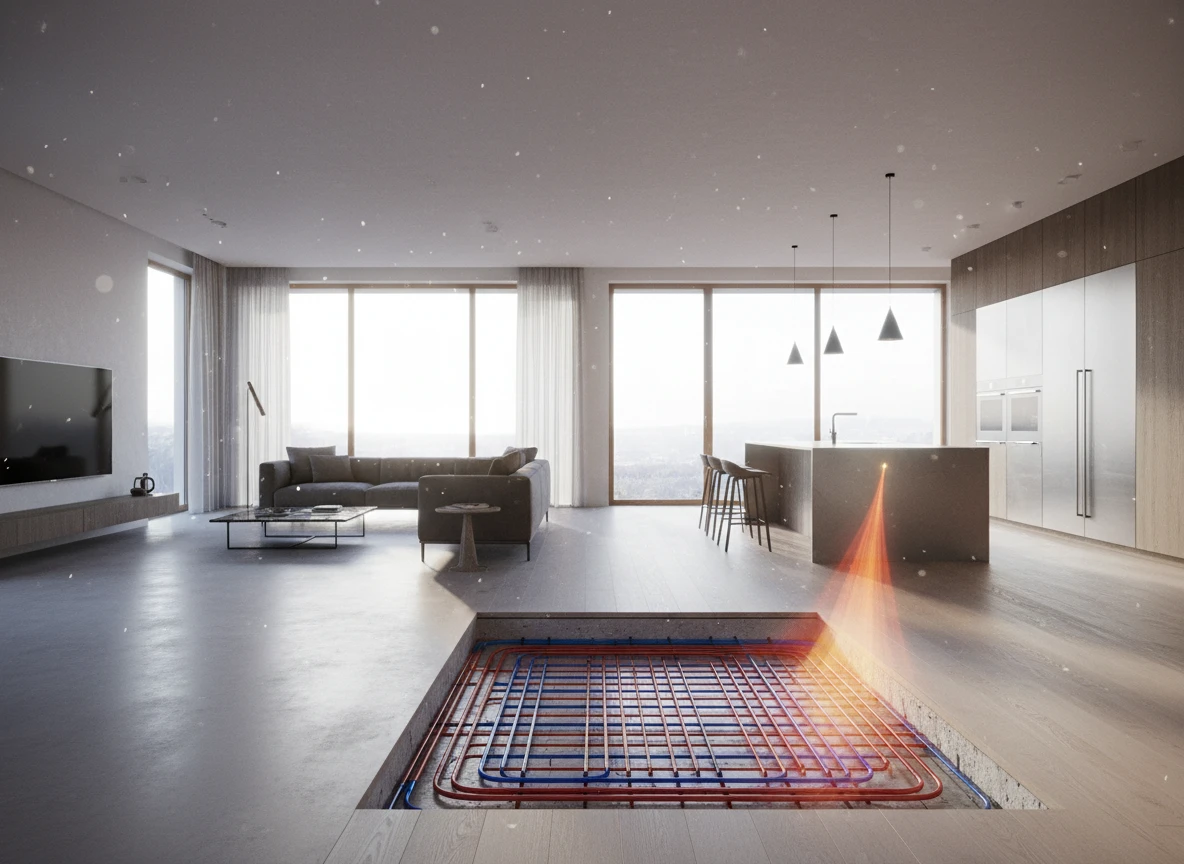
The reality comes down to response times. When you embed heating pipes deep within a thick concrete screed, you're not just heating the air; you're priming a massive thermal battery. Reheating a completely cold, heavy slab from scratch demands a massive spike in energy input. This is why we often advise clients at Integro Process Heating Solutions that constant-run, low-temperature setback modes make far more sense for water-based systems. Admittedly, local insulation values and building drafts will shift these dynamics slightly, but if you're constantly cycling the system off to 'save money,' you're actually forcing your heat source to work twice as hard to recover.
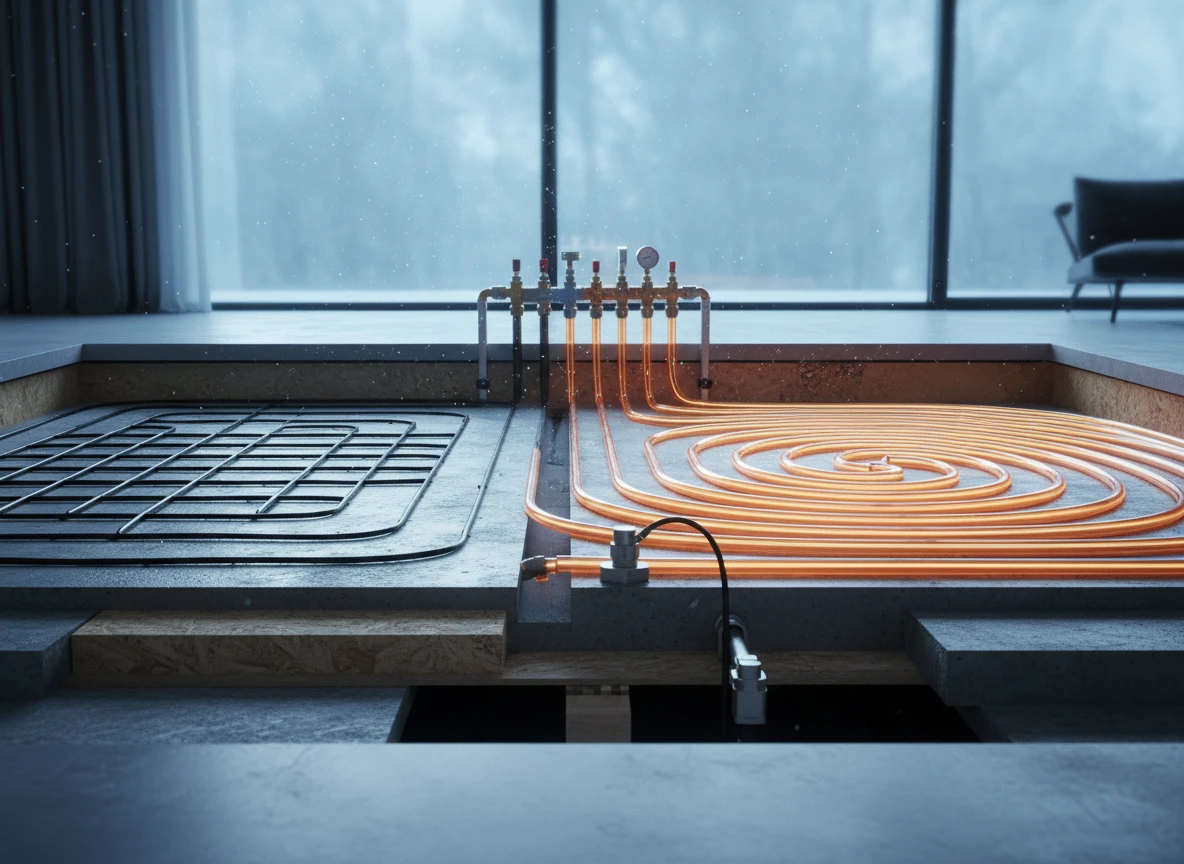
But here's the catch,this constant-run rule isn't universal. If you are operating rapid-response electric floor heating systems under thin tile beds, leaving them running 24/7 is a financially punishing mistake. These systems warm up in less than thirty minutes, meaning they should be strictly scheduled around your active hours. Conversely, heavy hydronic radiant floor heating relies on steady, unbroken thermal cycles. Navigating these differences is the only real way to evaluate different floor heating solutions and keep your energy bills low.
Q: Why does a cold floor take hours to warm up?
If you turn on your heating and expect instant warmth, a cold floor will quickly disabuse you of that notion. The delay isn't a malfunction; it's a fundamental property of thermal engineering known as thermal lag. When we design under floor heating setups at Integro Process Heating Solutions, we must calculate the exact thermal mass of the floor structure to predict these response times accurately.
The physics of thermal lag and mass
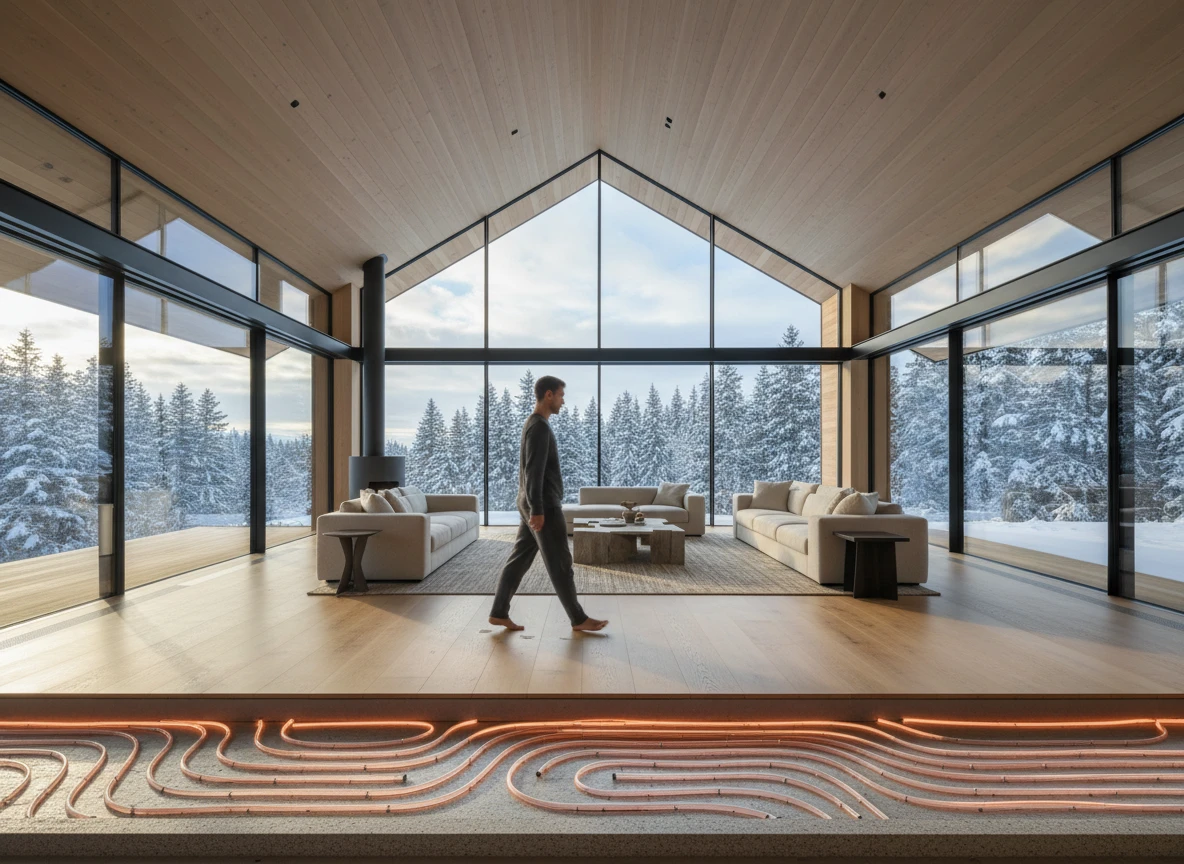
Water-based underfloor heating systems are typically embedded deep within a concrete or anhydrite screed. This thick layer acts as a massive thermal battery. Concrete has a high specific heat capacity, meaning it requires a significant amount of energy just to raise its temperature by a single degree. Consequently, a wet system can take anywhere from three to eight hours to heat up from a dead cold state. Of course, these timelines vary slightly depending on the exact screed mixture and the insulation below. This is why a commercial underfloor heating setup is often run on a continuous setback cycle rather than being switched completely off.
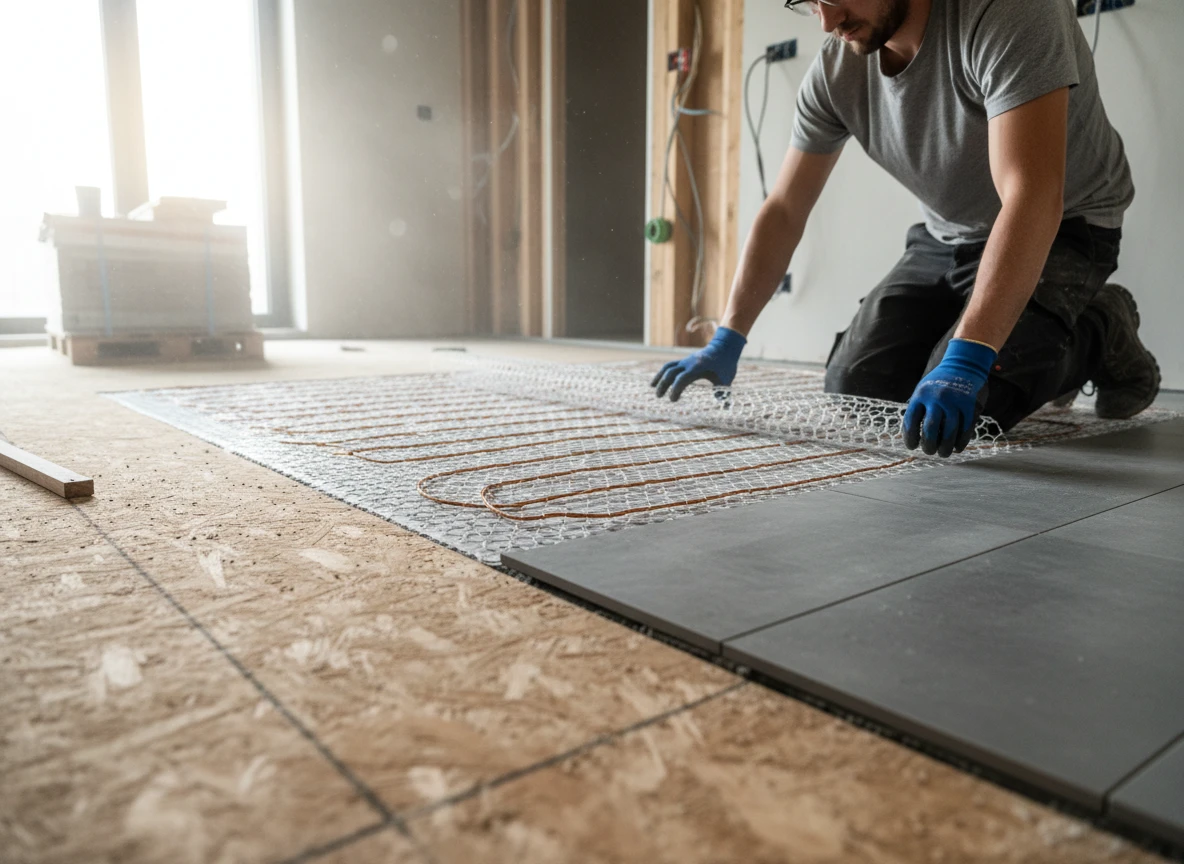
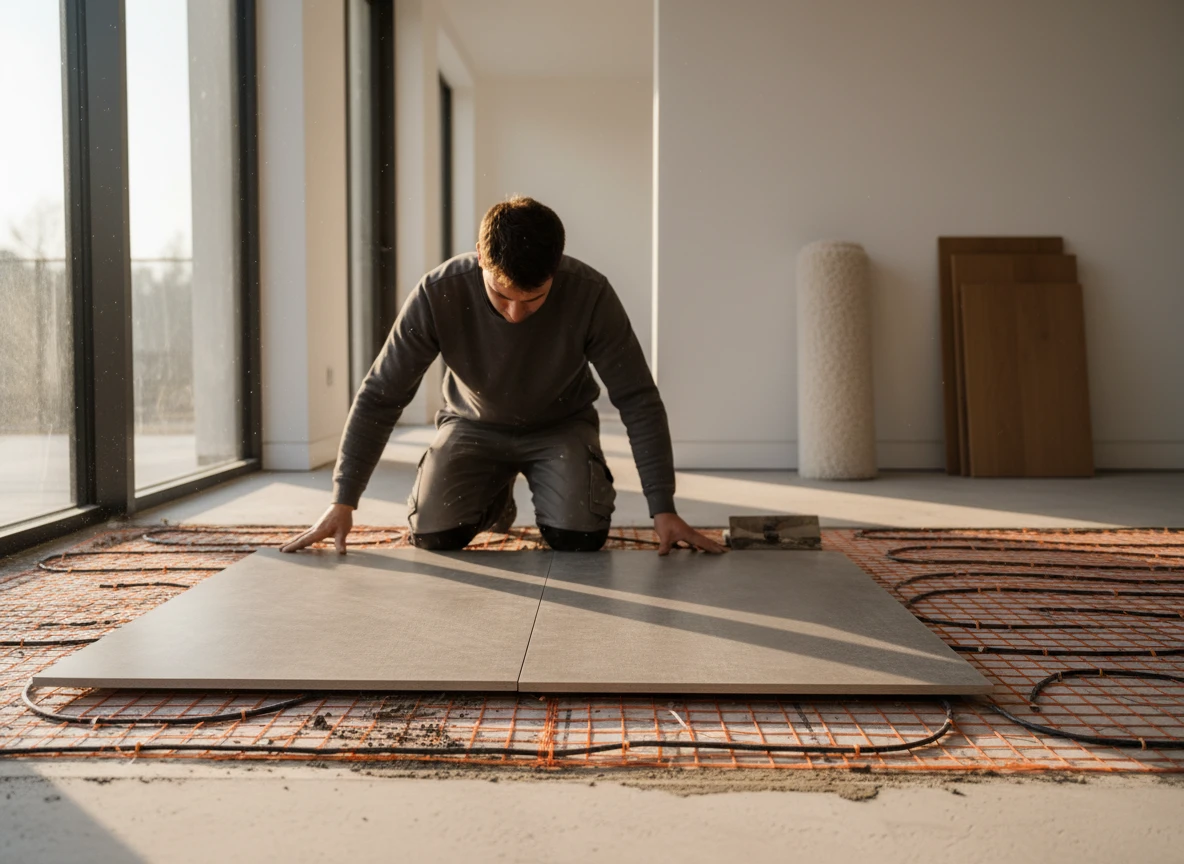
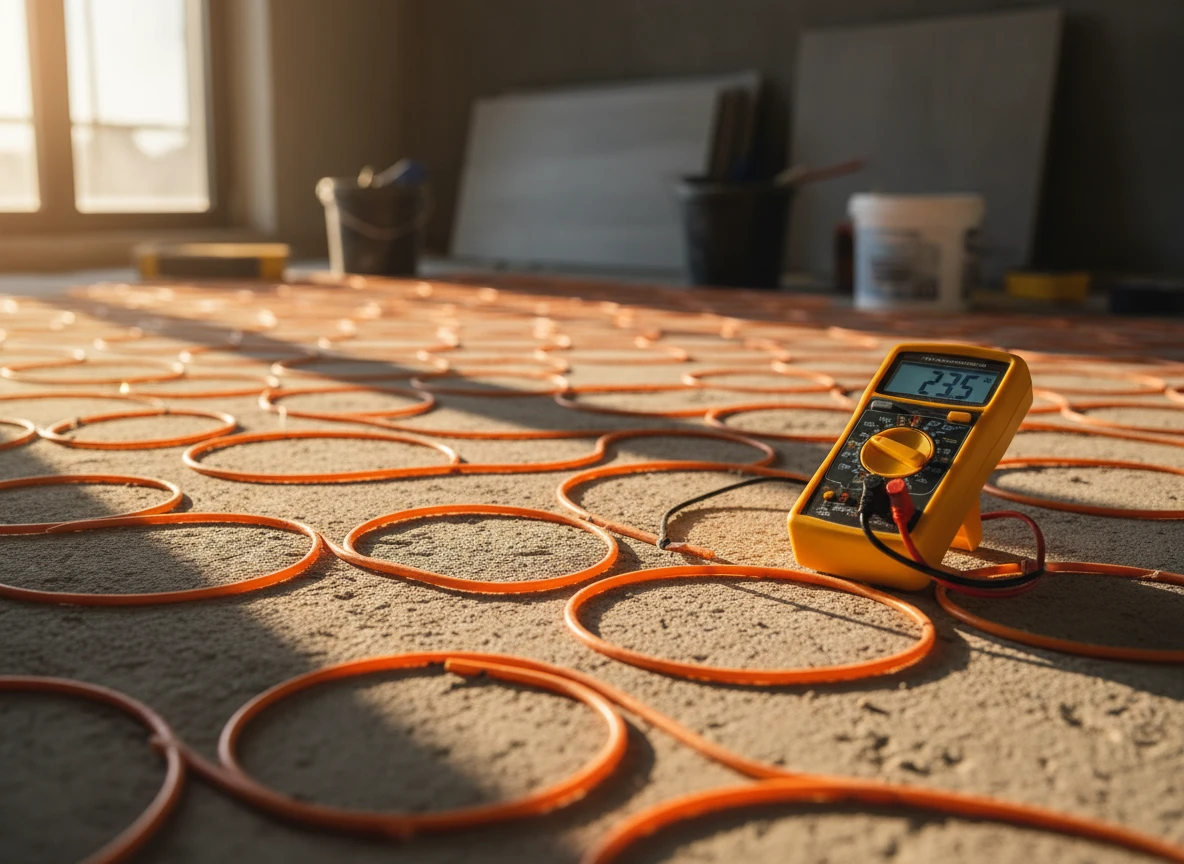
By contrast, thin electric systems, such as wire mats installed directly under tiles, bypass this structural mass almost entirely. These systems heat up much faster,often within 20 to 30 minutes,because they only need to warm the thin adhesive bed and the tile itself. If you've ever wondered why a newly installed bathroom floor heating system feels cold for the first few minutes, it's simply because the energy is still migrating through the tile layer. We see similar rapid-response heat transfer dynamics when engineering specialized flexible heating jackets or drum heating jackets for industrial applications, where direct surface contact minimizes thermal resistance.
The physical rate of heat conduction is governed by Fourier's Law. But in a deep screed, the thermal energy from the hot water pipes must travel upward through inches of dense material. If the system has been left off all winter, the ground beneath the slab also saps some of this initial energy. This is why proper insulation underneath the pipes is critical; without it, you waste massive amounts of energy heating the earth below. So managing this thermal inertia for domestic and commercial heating setups requires smart thermostats that predictively start the heating cycle hours before occupancy.
Whether you're utilizing a heavy concrete slab, configuring an ibc heating jacket for industrial storage, or setting up insulated heating jackets for sensitive process vessels, understanding thermal mass is the key to efficiency. For homes, trying to operate a heavy hydronic slab like a rapid-response radiator is a recipe for high energy bills and constant discomfort.
Q: Is it safe to leave underfloor systems running indefinitely?
Safety limits of continuous operation
Yes, you can leave an underfloor heating system running forever. It's perfectly safe, assuming the installer didn't botch the job. Modern systems are built for continuous use. But safety isn't guaranteed if you mess up the layout or skip basic controls.
With electric systems, your main enemy is thermal blocking. Put a heavy, flat-bottomed sofa or a thick rug over active cables, and you trap the heat. That trapped heat ruins expensive flooring, destroys cable insulation, and can start a fire. Hydronic (wet) systems don't have this issue. Water naturally stops dumping heat as the floor temperature matches the water temperature.
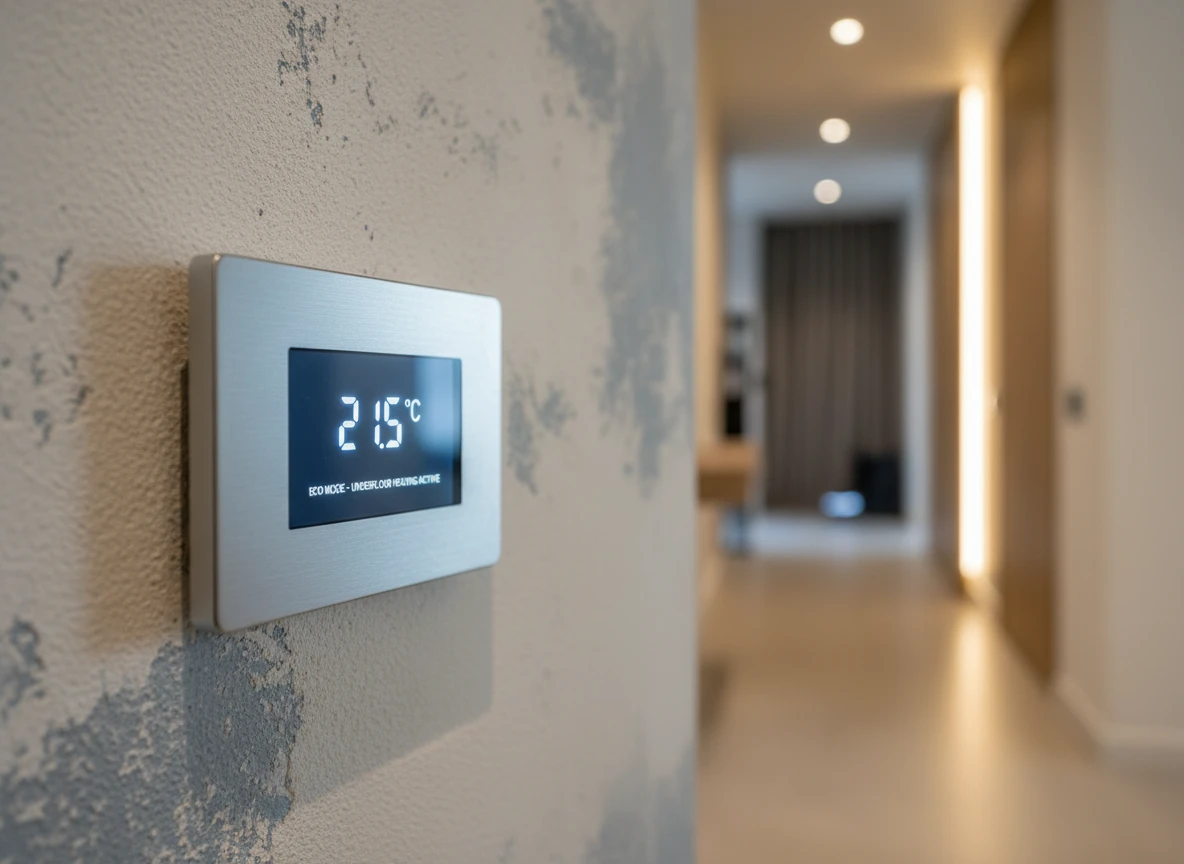
Don't skimp on controls. You need a dual-sensor thermostat. The air sensor keeps the room comfortable, but the floor probe is what stops your floor from melting. If that probe fails, gets misplaced, or was never installed, your floor will warp. We see the exact same failures in heavy industry. Whether you are monitoring an industrial heating chamber or running heavy-duty insulated heating jackets, losing physical temperature feedback at the source always ends in disaster.
Running your system constantly makes sense during deep winter. Doing it in July is just throwing money away. If you want efficient electric floor heating without the terrifying utility bills, use a smart programmer. And if you're managing a commercial build, buy decent underfloor heating parts. Cheap components mean the thermal cutouts won't save you when the thermostat inevitably dies.
Two heating profiles: setback temperatures vs on-demand scheduling
Dropping your thermostat by just 4°C during empty hours, a tactic called a setback temperature, cuts energy use in high-mass systems by up to 10%. That is a solid saving. But this rule of thumb breaks down when you compare hydronic pipes to electric mats. Concrete screed acts like a giant thermal battery. It holds heat. Because it takes so long to warm up and cool down, making rapid temperature adjustments is highly inefficient. If you have one of these heavy, water-based setups, running engineered underfloor heating systems on a steady setback profile is almost always the cheapest route.\n\nElectric systems are different. They do not have that heavy thermal mass because the cables sit right under your tiles. They heat up fast, usually in 20 or 30 minutes. This quick response means you can run them on a strict on-demand schedule. Leaving a high-wattage electric system running 24/7 will spike your power bills, especially during peak rate hours. Just turn them off when you leave the room. It is a simple fix. Much like managing self regulating heat trace cables, assuming an automated system runs efficiently without a schedule is a costly mistake.\n\n### Mapping the profiles to your setup\n\nYour choice depends on your building's construction and your daily routine. Many homes actually use both strategies across different zones. For example, a concrete-embedded hydronic loop in your living room works best with a 17°C setback at night. Meanwhile, a thin electric mat in the master bathroom can stay completely off until 30 minutes before you wake up. This hybrid setup keeps you comfortable without wasting money.\n\nResponse time dictates your strategy. If your floor takes four hours to warm up, on-demand scheduling is useless. If it takes 15 minutes, keeping it hot all day is pure waste. We design custom systems at Integro to match these exact thermal dynamics. We make sure your underfloor heating setup fits how you actually use your space. While poorly insulated rooms might struggle if heat loss outpaces recovery, matching your controls to your floor type is the smartest way to run a modern building.
Q: How should I schedule heating in a high-traffic room like the bathroom?
Designing the perfect bathroom heating schedule
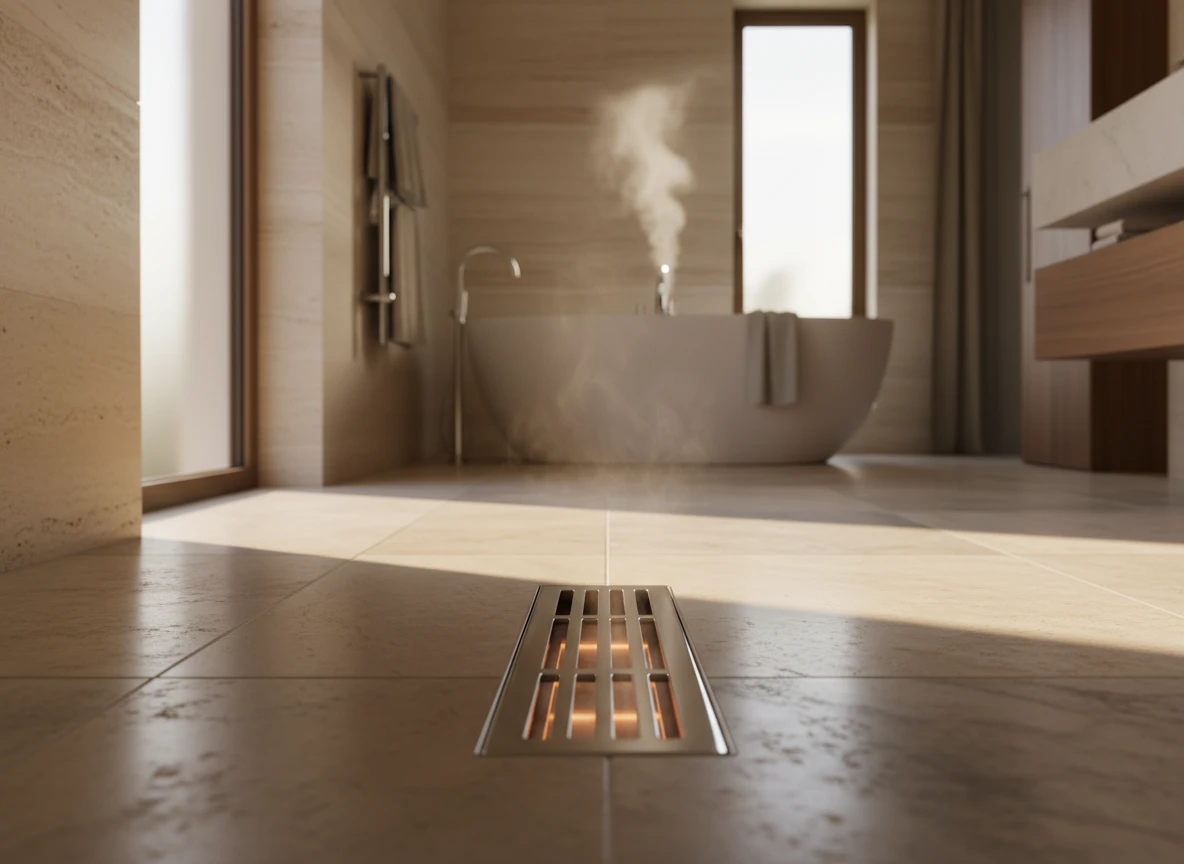
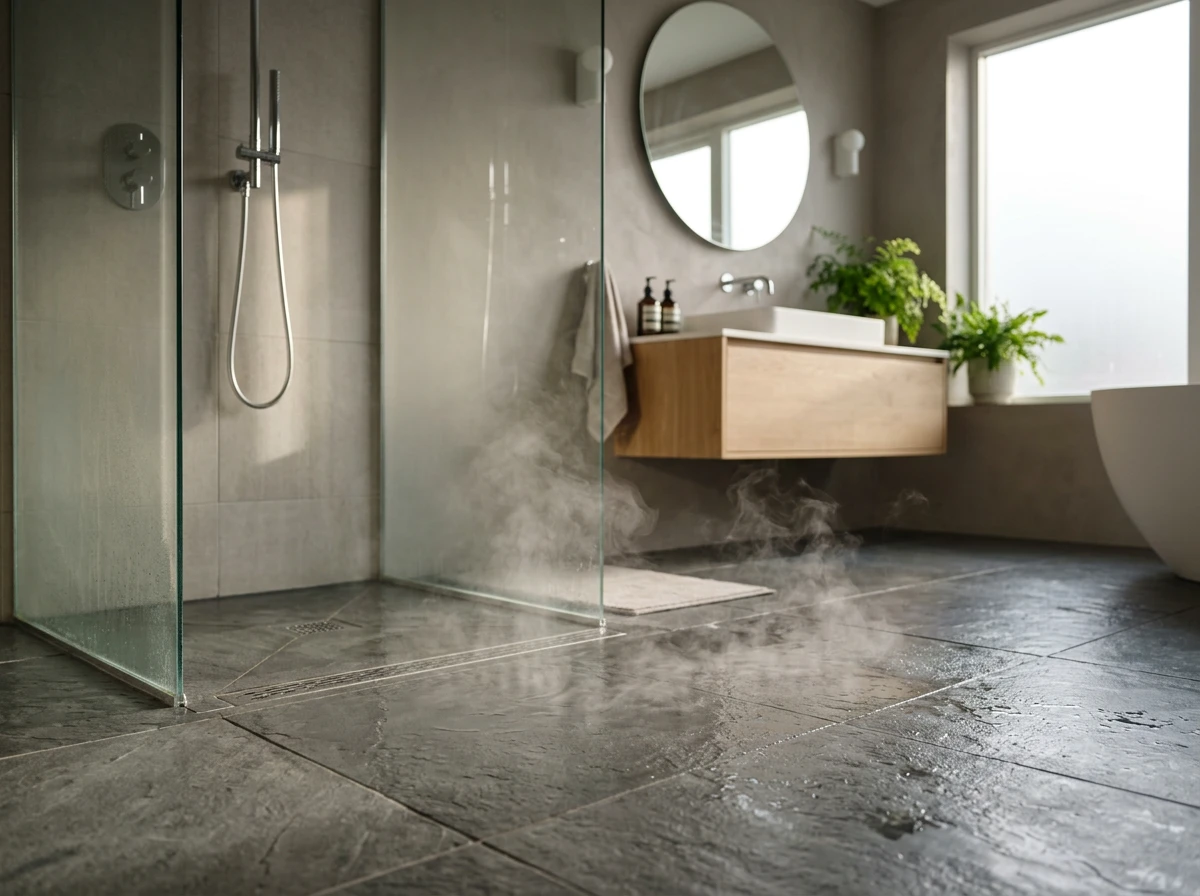
Imagine stepping into your master bathroom at 6:30 AM. Outside, it's a freezing winter morning, but the ceramic tiles beneath your bare feet are already a comfortable 24°C. By 8:30 AM, the house is empty, yet those high-wattage floor mats keep running, silently draining your wallet. This is the classic mistake that turns a luxury into a financial burden.
High-traffic wet zones require a distinct approach because we use them in short, intense bursts. Because modern electric underfloor systems heat up rapidly,often within 20 to 30 minutes,there's no need to run them continuously. Instead, your goal is targeted comfort and moisture control.
At Integro Process Heating Solutions, we analyze thermal dynamics across various scales. We're focused on designing heavy-duty equipment like drum heating chambers for precise industrial applications, but the core physical principles of rapid-response scheduling apply directly to residential domestic and commercial heating systems.
Wet tile floors have higher thermal conductivity than dry wood, meaning they pull heat away from your skin faster, but they also transfer heat from the electric mats more efficiently. This high thermal conductivity is why a cold bathroom feels exceptionally freezing, and why a scheduled boost works so effectively. By timing the heat to peak only when the room is occupied, you maximize comfort while minimizing active heating hours.
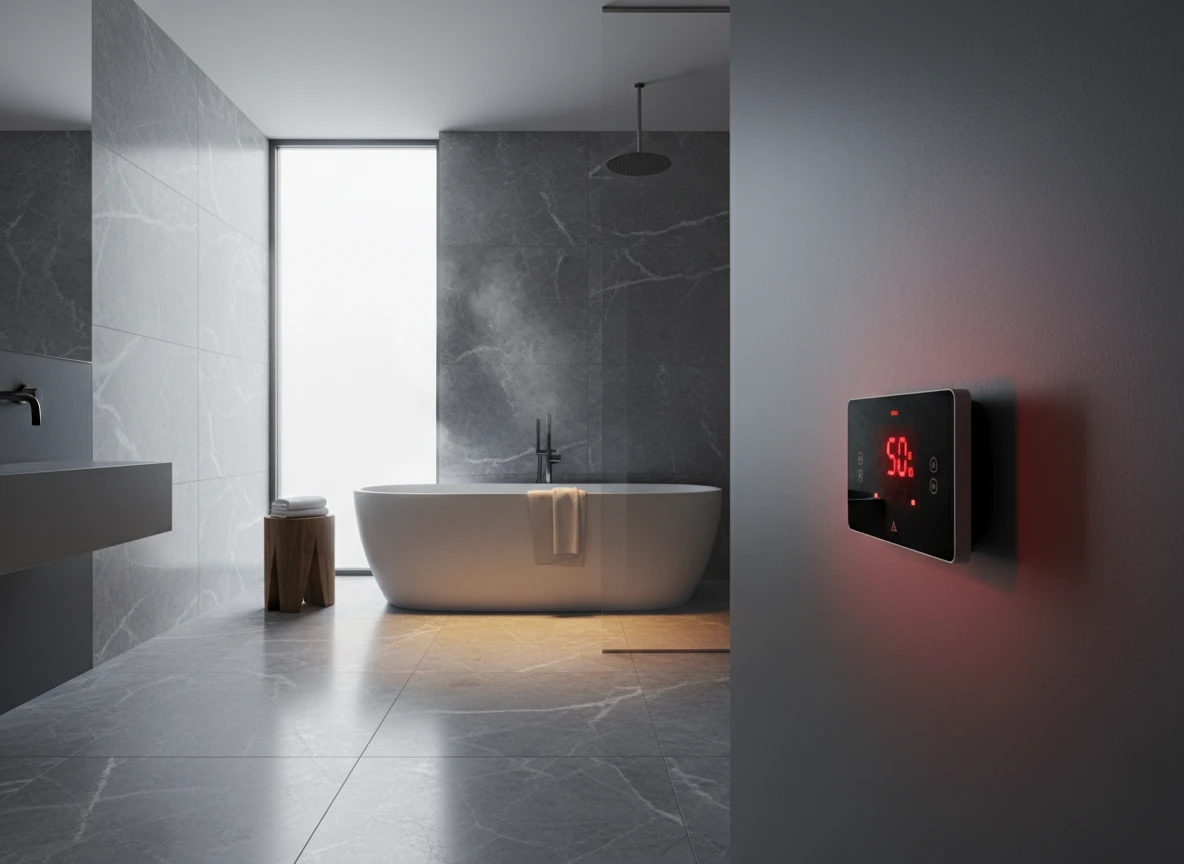
To optimize your bathroom floor heating, program your smart thermostat to activate exactly 30 minutes before your morning alarm. Let it run during the morning rush, then program it to shut off completely when you leave for work. But don't forget the evening block. A secondary two-hour window from 7:00 PM to 9:00 PM keeps the room comfortable for nighttime routines and helps dry out residual shower moisture, preventing mold growth.
This strategy doesn't always guarantee rock-bottom bills if your subfloor insulation is severely lacking, but for most modern builds, it cuts energy waste by up to 60%. So, stop treating your bathroom floor like a continuous radiator. Run it like a high-precision tool: fast heat, targeted windows, and complete shutdown when empty.
Pre-season checks to avoid the cold-floor surprise
Essential steps to prep your system for winter
Once you've mapped out your scheduling strategy, there's still one major hurdle: making sure the physical hardware actually fires up when that first freezing morning hits. There's nothing worse than stepping onto cold tiles in November because of a minor, preventable system failure.
Before the cold weather truly sets in, you need to perform a basic dry-run. Turn your underfloor heating system on at least three weeks before you actually need it. Let it run for an hour to ensure the manifolds warm up and the pumps cycle cleanly. And this simple test reveals airlocks or seized pumps before heating engineers get booked up for the winter rush.
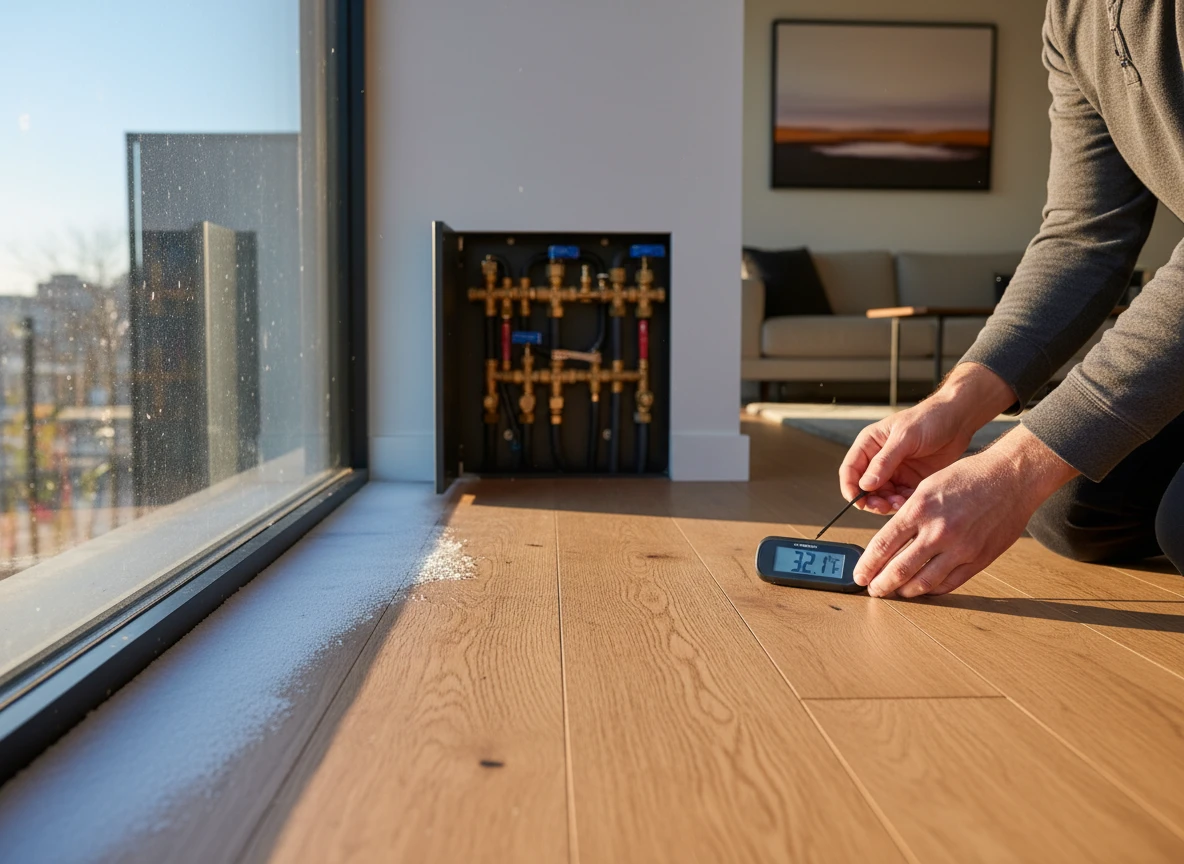
If you have a water-based system, check the pressure gauge on your manifold. It should sit comfortably between 1 and 1.5 bar. But if it's below 1 bar, your system might have a minor leak or simply need topping up. At Integro Process Heating Solutions, we design heavy-duty industrial systems like flexible drum heating jackets, but the logic of fluid dynamics remains identical for residential domestic and commercial heating setups.
Don't forget the electrical side. Swap out the batteries in your wall thermostats. Weak batteries can cause erratic wireless communication with your zone valves, leading to rooms that stay stubbornly cold. Honestly, we see this simple battery issue cause more unnecessary panic than actual equipment failure.
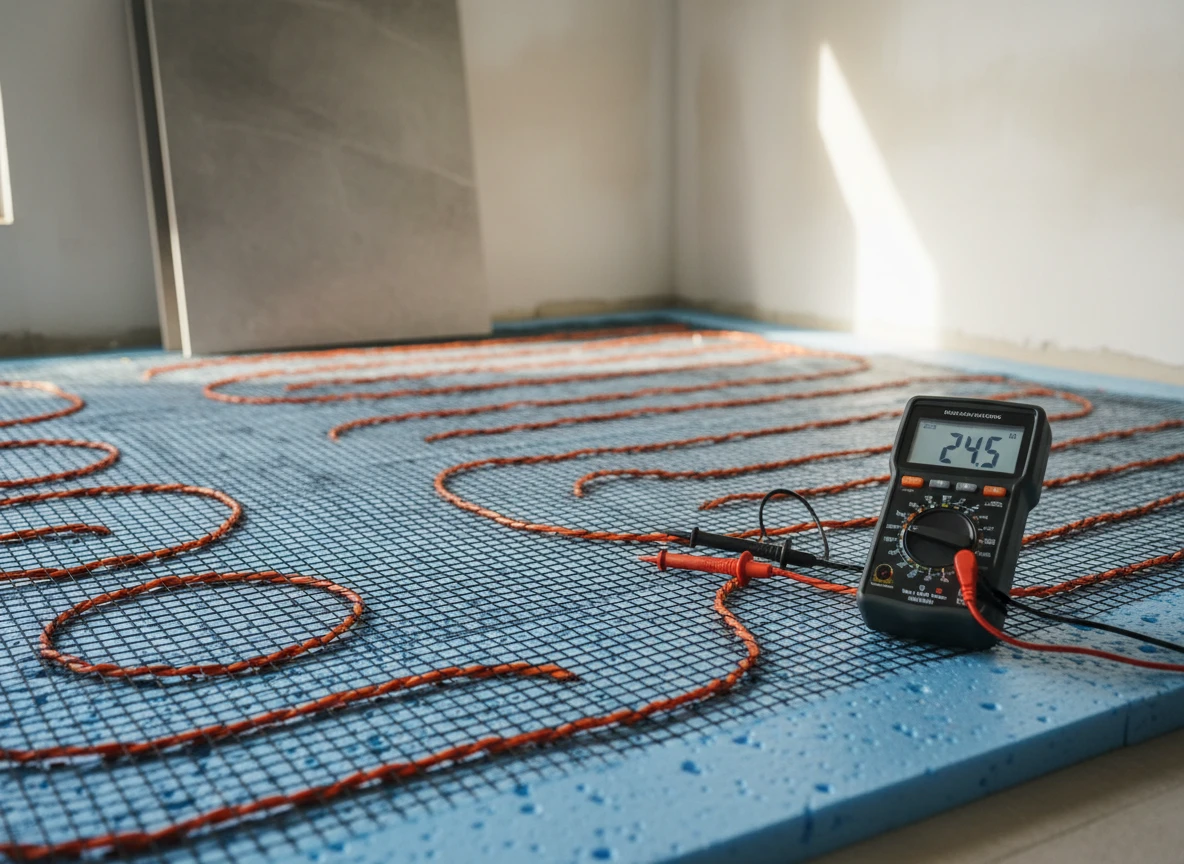
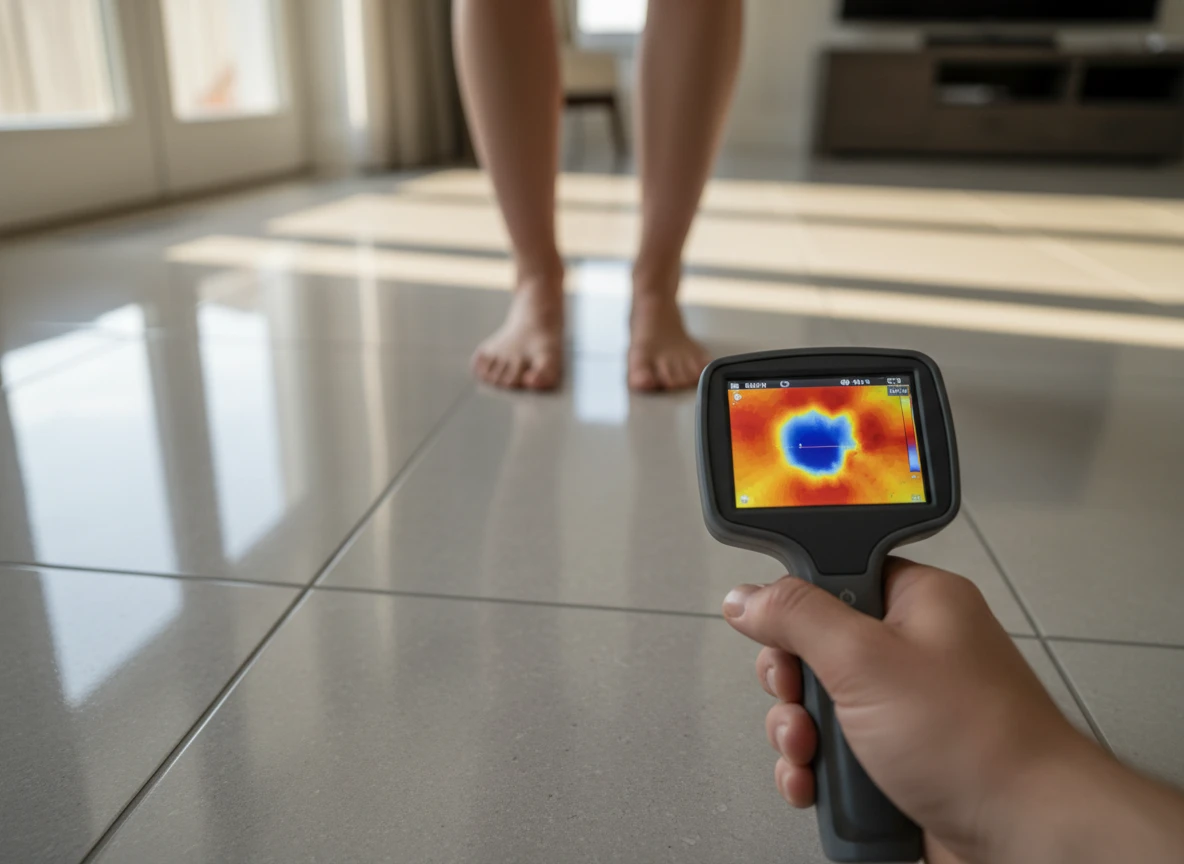
Lastly, check for uneven warmth across your floor. If certain zones of your under floor heating stay cold while others heat up, you might have air trapped in the loops. Bleeding the manifold or adjusting the flow meters usually resolves this, though results can vary depending on how your pipework was originally balanced.
A simple diagnostic framework for your thermostat schedule
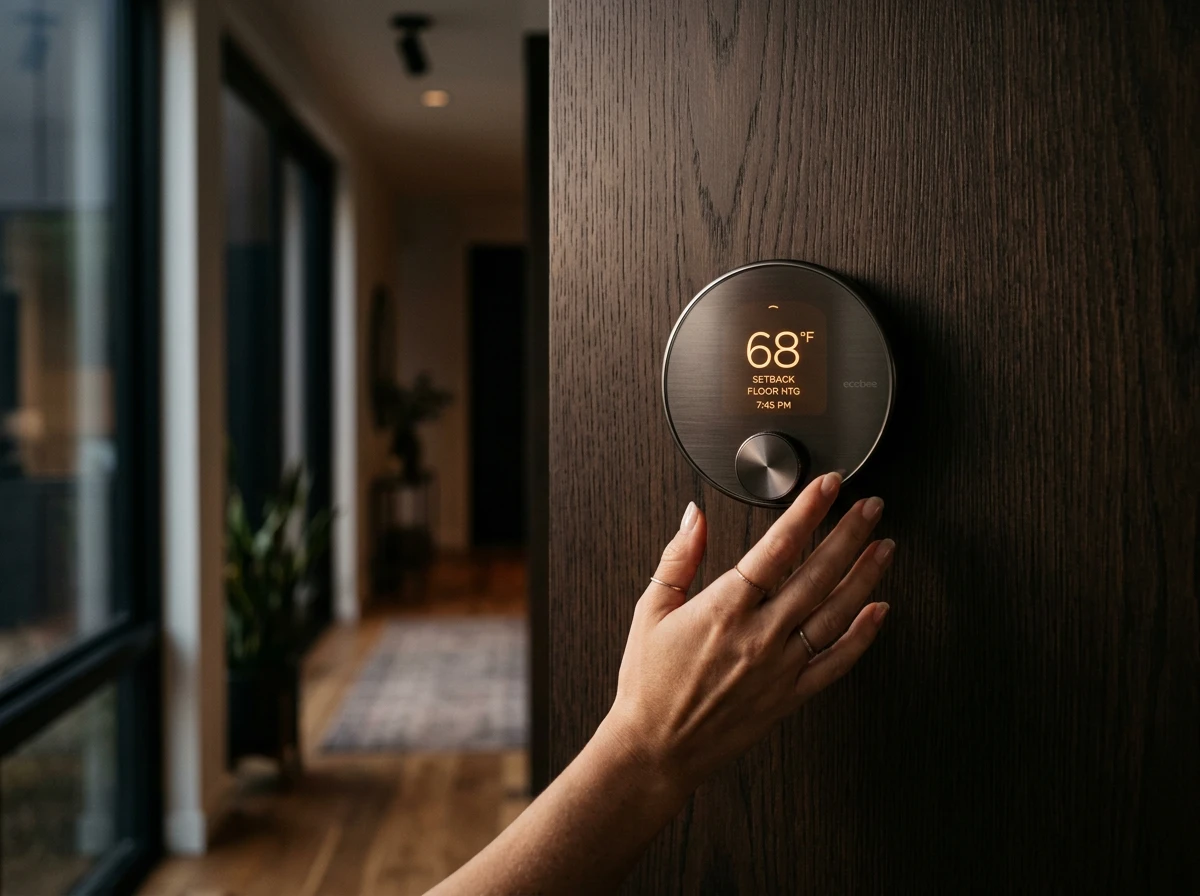
Mapping your heating profile
Once your physical pre-season checks are complete and your system pressure is stable, the real efficiency gains happen at your controller. If you treat your thermostat like a simple on-off switch, you are actively wasting energy. We need to match your schedule to the physics of your specific floor.
Hydronic systems rely entirely on thermal inertia. If you turn a wet system completely off in deep winter, reheating that concrete slab takes hours of continuous boiler or heat pump operation. This is where modern domestic and commercial floor heating solutions prove their value. They maintain a low, stable baseline rather than cycling from freezing to hot. We recommend keeping a setback temperature of 16°C to 18°C during unoccupied hours.
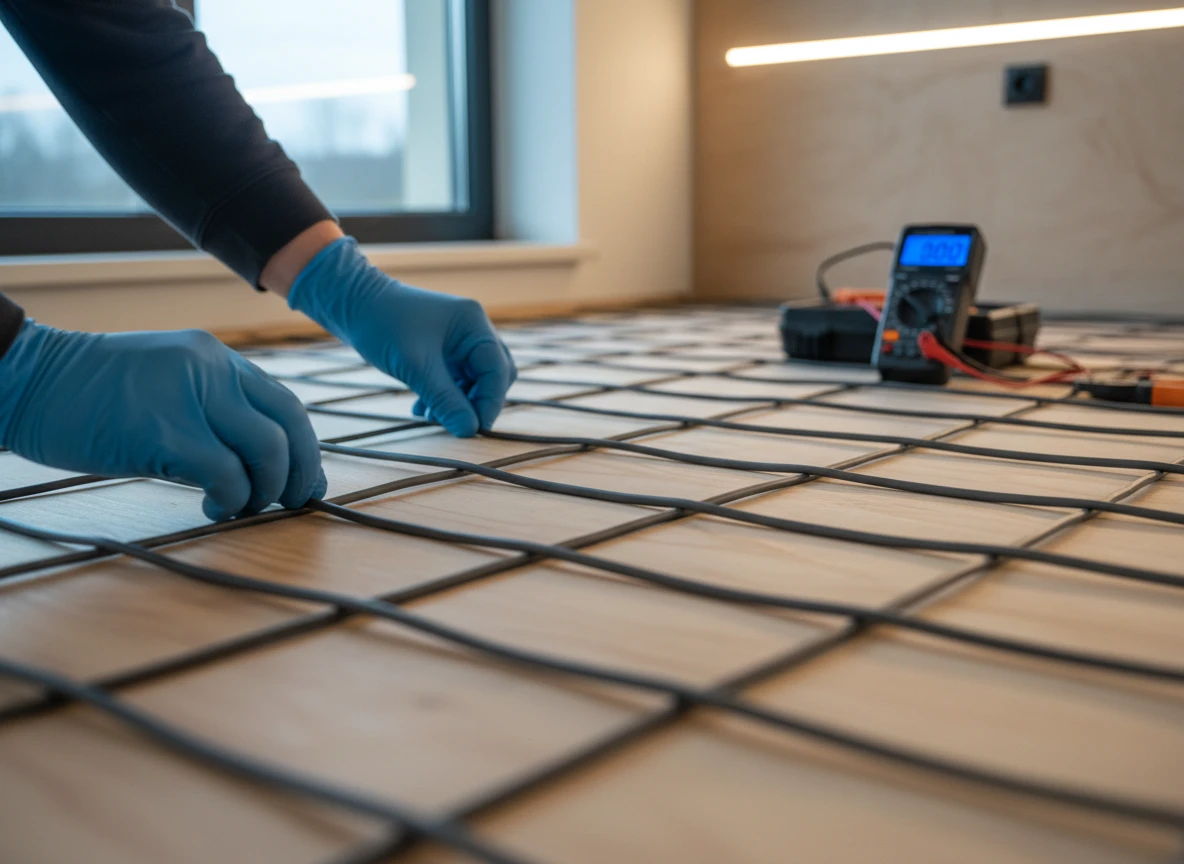
Electric systems require the exact opposite approach. Because thin electric cables sit directly under tiles, they heat up rapidly. Leaving these electric radiant floor heating systems running 24/7 is a financial mistake because of high electricity tariffs. You should only run them during active hours.
Let's look at the seasonal breakdown:
| Season | System Type | Recommended Mode | Rationale |
|---|---|---|---|
| Deep Winter | Hydronic (Screed) | Setback Mode (16°C - 18°C) | Prevents the massive energy draw of heating cold thermal mass from scratch. |
| Deep Winter | Electric (Mats) | On-Demand (Scheduled) | Quick response time allows rapid heating only when the room is occupied. |
| Mild Shoulder | Hydronic (Screed) | Setback (Lowered) | Maintains a minimal baseline; weather compensation handles the rest. |
| Mild Shoulder | Electric (Mats) | Off / On-Demand | Run only for brief comfort windows when actually needed. |
| Summer | All Systems | Complete Shutdown | Zero benefit to keeping these active during warm months. |
Take a look at your thermostat right now. If your electric bathroom floor is scheduled to run while you are at work, reprogram it today. True thermal efficiency is not about keeping things hot; it is about matching your heating profile to the physical limits of your floor. Run a quick check on your controller settings before the cold weather sets in for good. If you mismatch your schedule to your system type, you will pay for it on your next utility bill.
If managing complex heating schedules or industrial thermal systems is draining your resources, Integro Process Heating Solutions delivers engineered equipment that streamlines your setup.
Frequently Asked Questions
Can I leave electric underfloor heating on all day?
Honestly, leaving electric mats running constantly will skyrocket your electricity bill because they use high-wattage power. It's much smarter to use a programmable thermostat to warm up the room just before you step in.
Why does my wet underfloor heating take so long to heat up?
That's due to thermal mass. Water-based pipes are embedded in thick concrete screed that absorbs heat slowly, meaning it takes hours to shift temperatures compared to quick-acting electric wires.
Does turning my heating off completely save money?
It depends entirely on your setup. If you've got a heavy hydronic concrete floor, letting it go ice-cold forces the system to work overtime later, which actually burns more energy than maintaining a low setback temperature.
How often should I check my hydronic floor heating pressure?
You'll want to check those pressure gauges before winter hits, keeping them sitting between 1 and 1.5 bar. If it drops too low, you'll lose heating efficiency right when you need it most.