- By Admin
- Integro
- The terrifying fear of burying your heating system under tile
- Why spontaneous floor heating failure is mostly a myth
- Most floor issues are actually solved on your wall
- Finding a needle in a tiled haystack with modern diagnostics
- Hydronic vs electric: why wires are simpler than pipes to troubleshoot
- The critical installation tests that homeowners skip at their own peril
- You don't need to fear the warm floor
- Frequently Asked Questions
The terrifying fear of burying your heating system under tile
The phantom threat under your floorboards
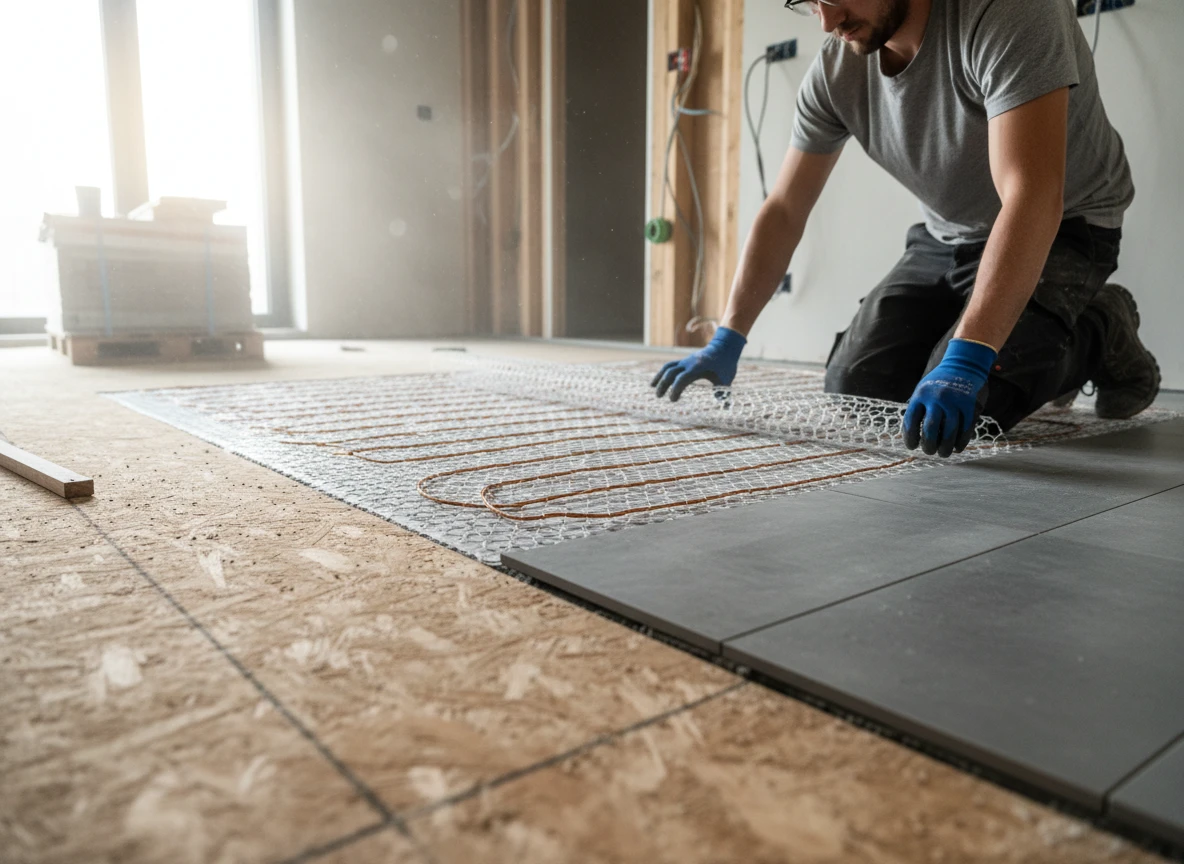
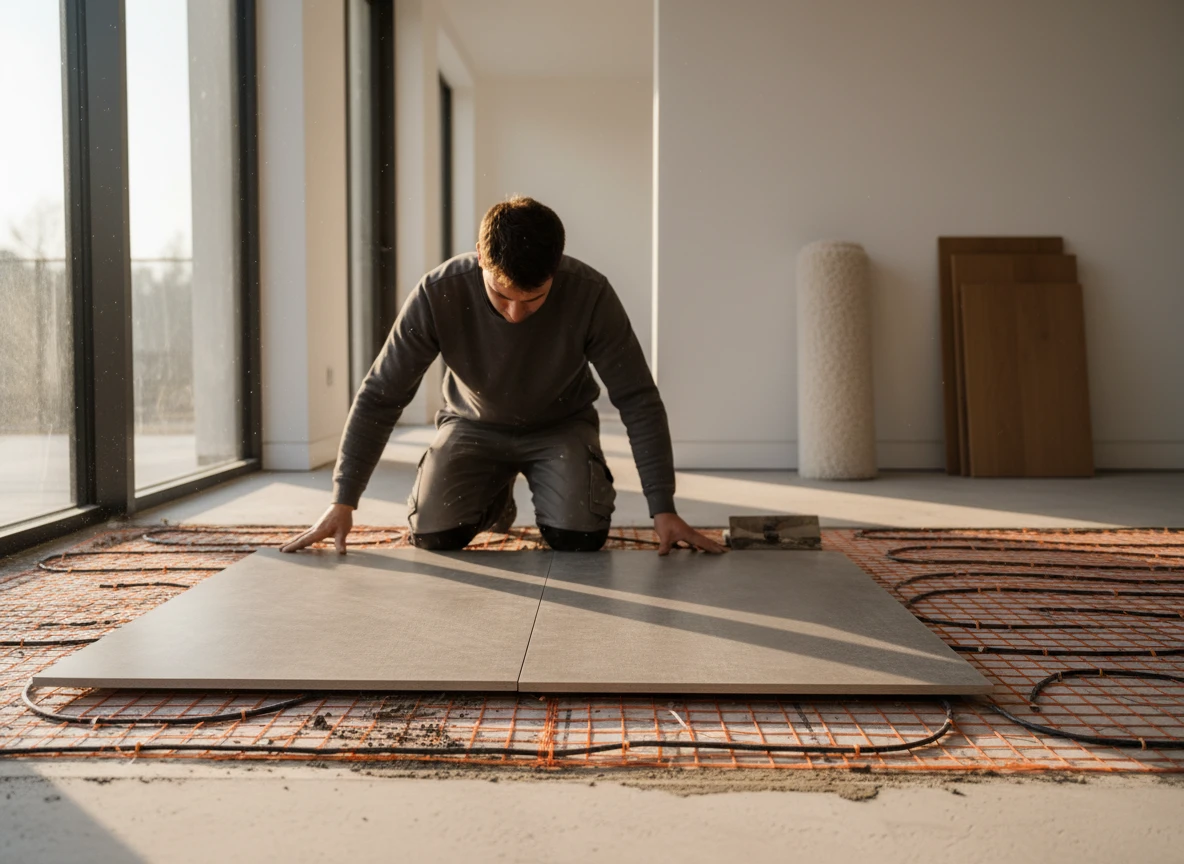
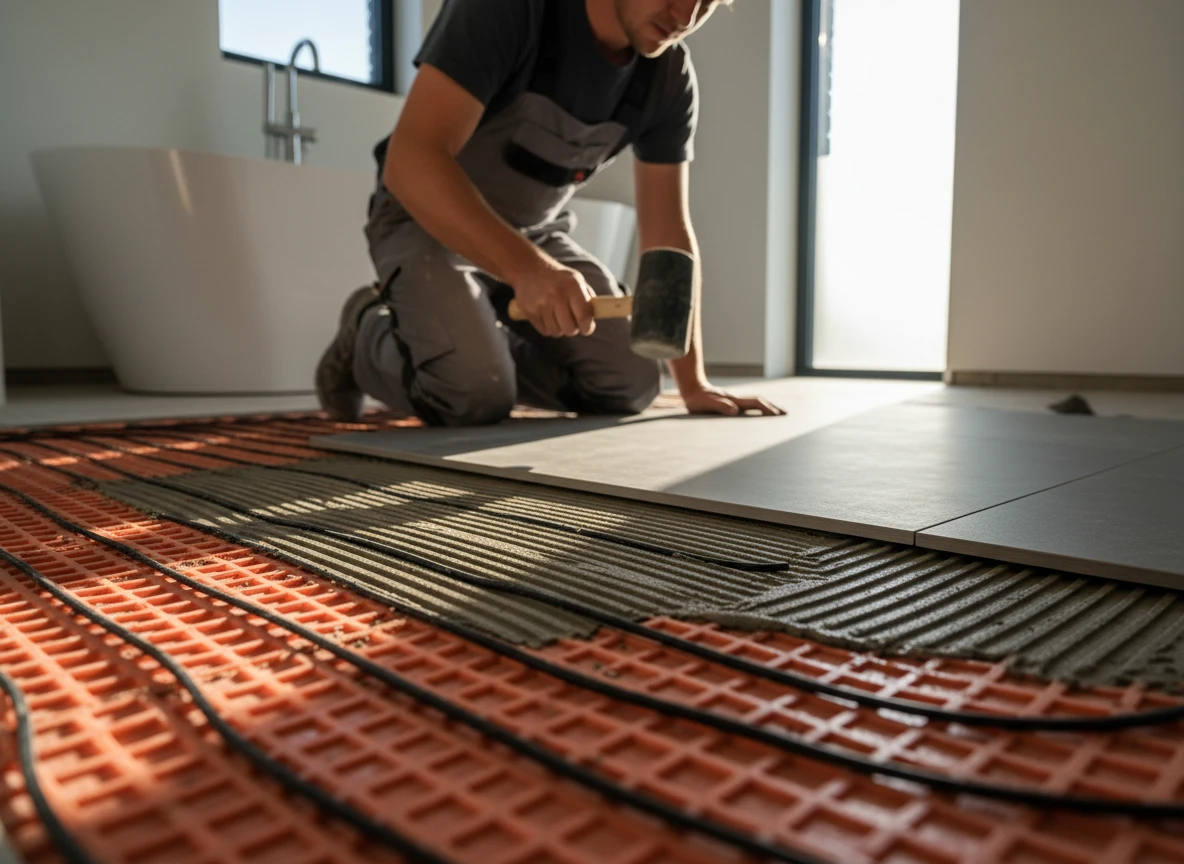
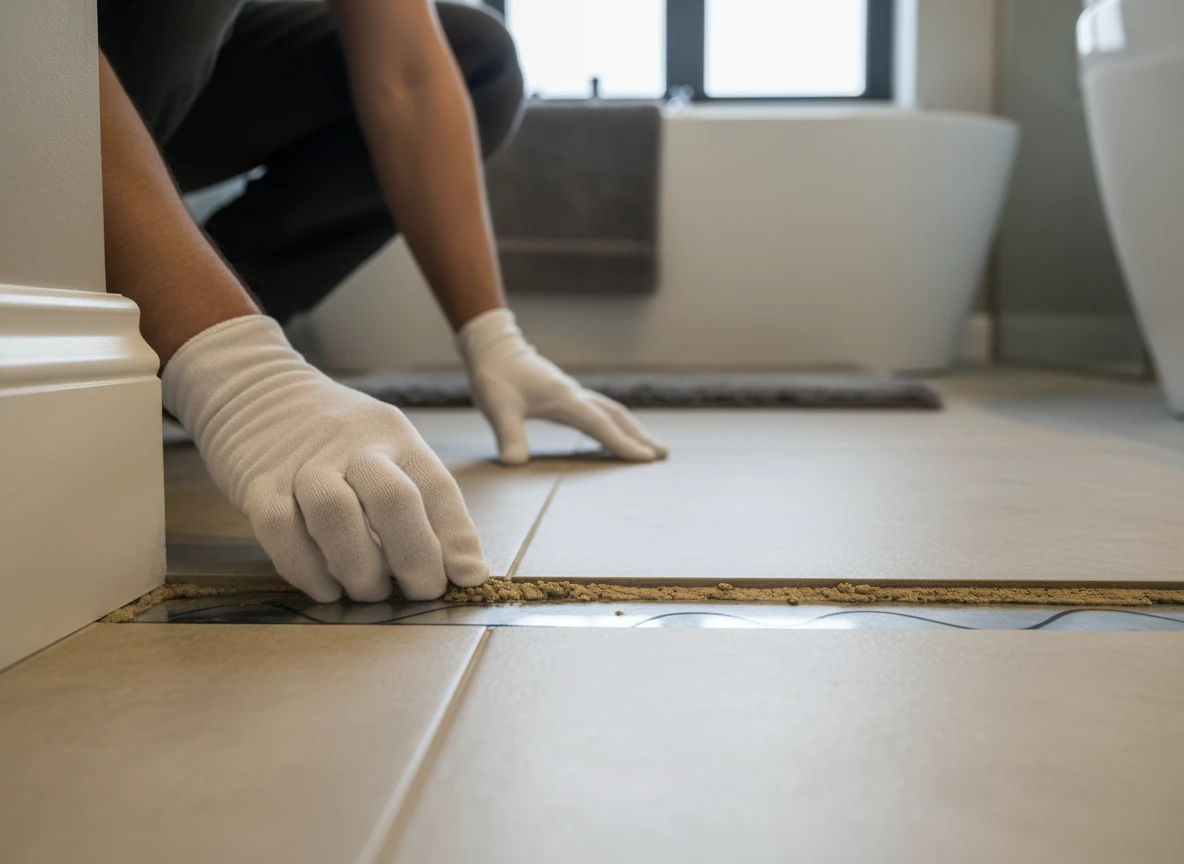
Watch a tiler drag a sharp metal trowel over a web of thin electrical cables, and your stomach drops. Once that thinset cures, those wires are entombed forever. It's a moment of pure panic. That mental image—a single nicked wire turning your gorgeous new master bath into a dusty jackhammer zone—is why so many people back out of installing a bathroom floor heating system entirely.
At Integro Process Heating Solutions, we look at these systems a bit differently. In our day job as thermal engineers, we deal with miles of buried industrial pipeline tracing. You can't just rip those out when something goes wrong. Instead, we rely on basic physics—electrical resistance and thermal patterns—to pinpoint faults. Residential systems work the exact same way. The fear that you'll have to destroy your entire floor is mostly a myth, kept alive because people don't realize how troubleshooting actually works.
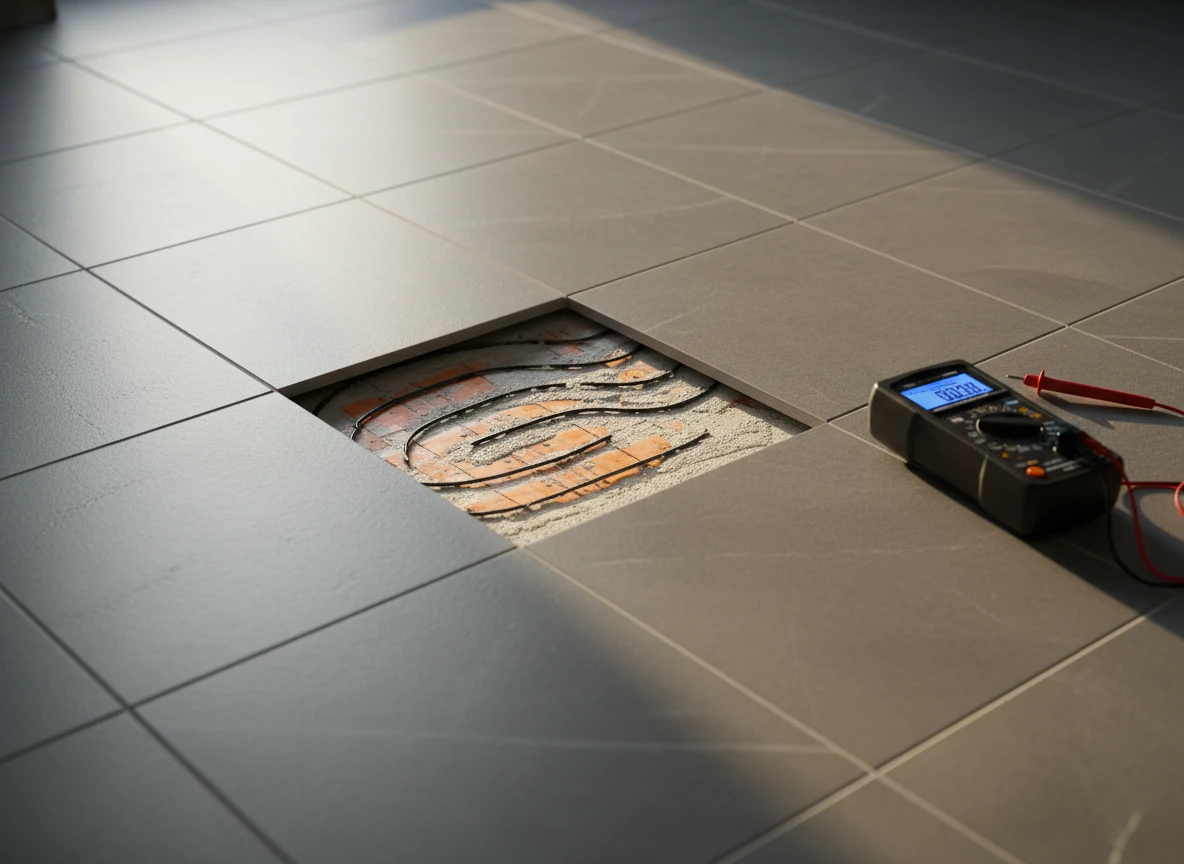
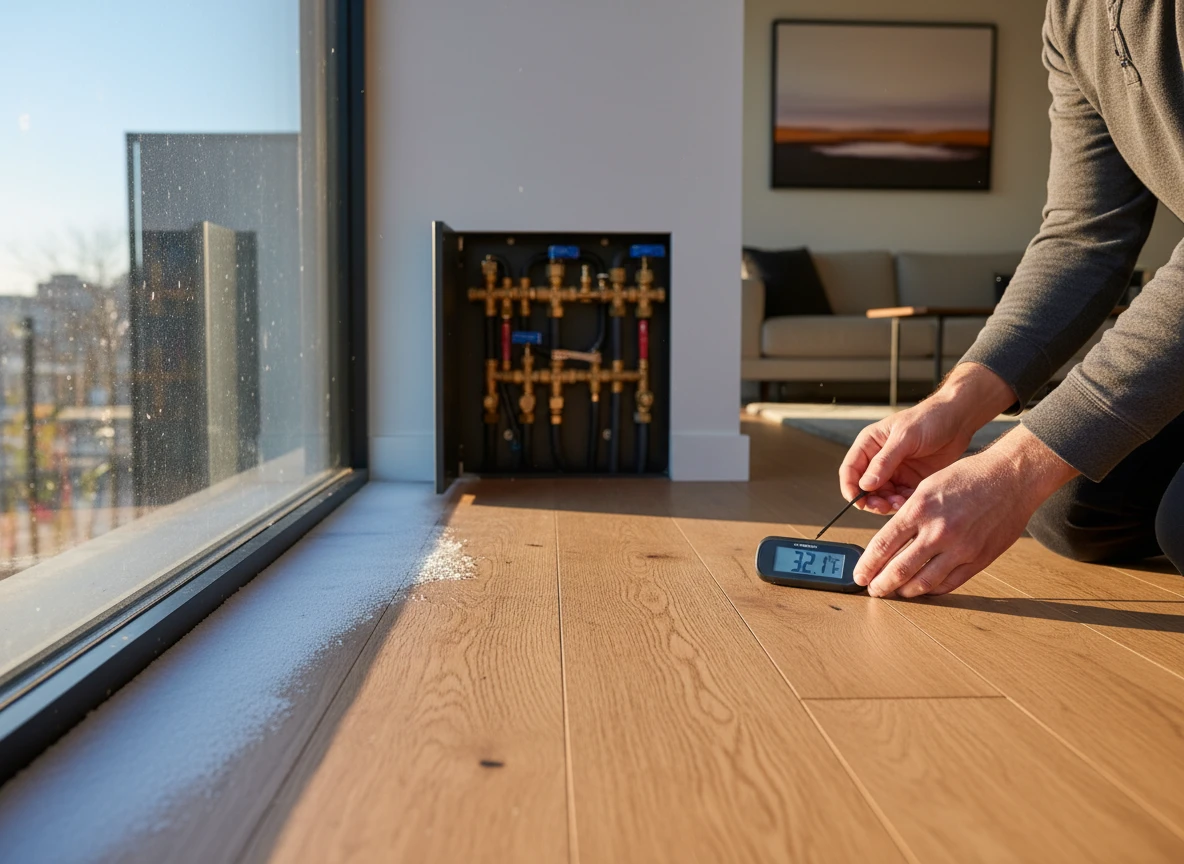
Modern diagnostics are incredibly smart. If your electric floor heating setup goes cold, nobody is guessing where the break is, and nobody is tearing up the whole floor. We use tools like digital multimeters and thermal imaging cameras to find the exact spot where the circuit failed. We can usually narrow it down to a single square inch.
Besides, most heating failures aren't even under the tile. They're usually just a bad thermostat or a faulty floor sensor. You can swap those out in ten minutes without touching a single grout line. Even if a wire does break under the floor, it's almost always a tiny, localized nick from the installation day, not some spontaneous system-wide meltdown. Before you let a worst-case scenario ruin your bathroom plans, let's look at how we actually find and fix these breaks without leaving a trace.
Why spontaneous floor heating failure is mostly a myth
Over 90% of electric underfloor heating issues originate during the construction phase, not from spontaneous wire degradation. The physical reality of these systems is surprisingly simple. Once the mortar cures around an underfloor heating cable, the wire is completely encased in a solid, protective heatsink. Because there are no moving parts, pumps, or fluid dynamics at play, the risk of a spontaneous internal breakdown is practically non-existent over a 20- to 30-year lifespan. It is effectively a static resistor.
So, why the widespread panic about buried wires suddenly dying?
The anxiety usually stems from a misunderstanding of how and when damage occurs. True component failure is almost always a delayed reaction to installation-phase trauma. A slip of a metal trowel, an aggressively scraped grout line, or a heavy tool dropped directly onto the unshielded cable creates micro-damage. This initial nick might pass a basic continuity test immediately after it happens. But as the system cycles through heating and cooling phases, thermal expansion forces the compromised copper to expand and contract. Over time, that tiny stress point degrades into a full break.
We often see this when troubleshooting electric floor heating systems that heat unevenly or stop working shortly after a remodel. The homeowner assumes the system spontaneously died, but the physical evidence under the microscope always points back to a pre-tile puncture. Admittedly, low-cost, uncertified off-brand mats do occasionally suffer from poor internal splices, but certified commercial-grade elements are incredibly resilient.
Of course, minor component failures do happen above the floor. Thermostats and floor sensors can fail after several years of continuous use. But these are simple, low-cost swaps that don't require breaking a single tile. The heating element itself remains safely inert beneath the mortar, completely immune to the passage of time unless external physical force intervenes.
By enforcing rigorous multi-stage resistance testing during installation, you eliminate almost all post-handover risks. It is the human element, not the technology, that introduces vulnerability.
Most floor issues are actually solved on your wall
If your heated floor suddenly goes cold, what's your first instinct? Most people immediately picture a sledgehammer meeting their pristine bathroom tiles. But here's a secret from our engineering team: the culprit is almost never under your feet.
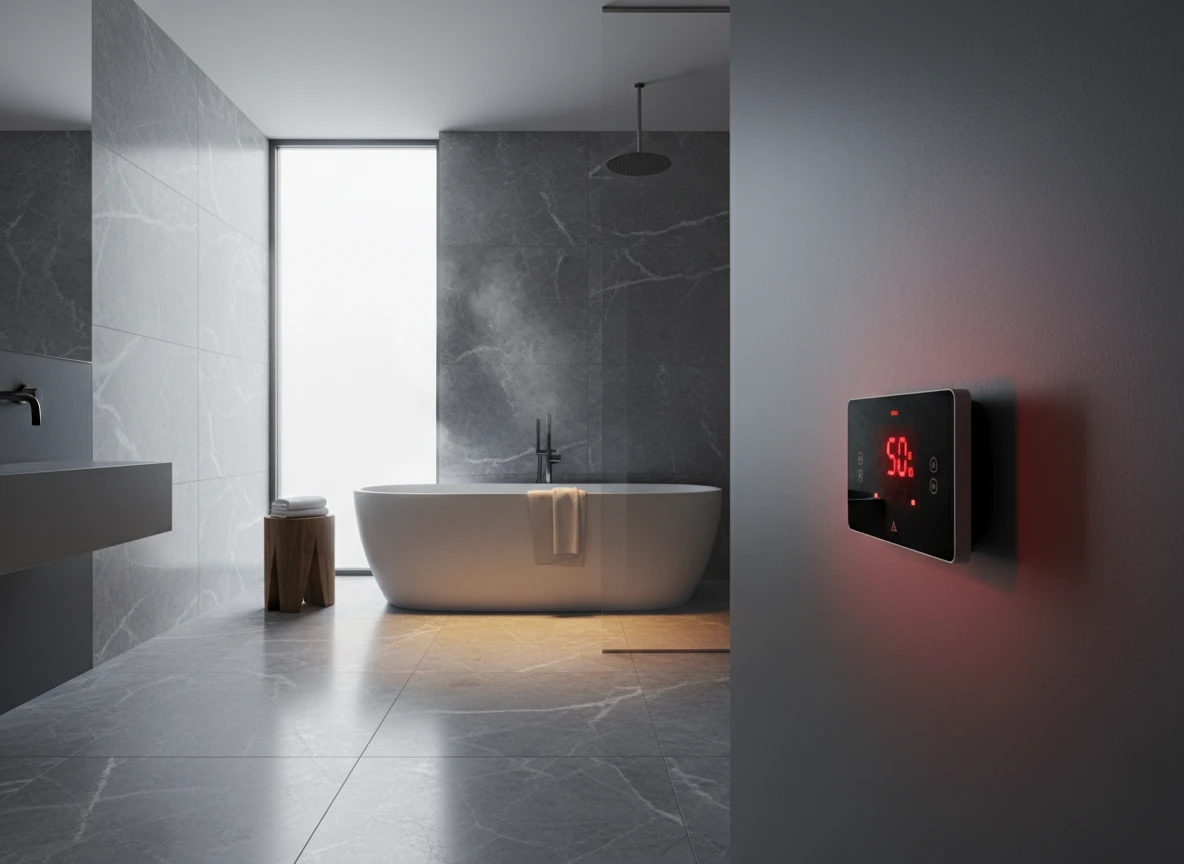
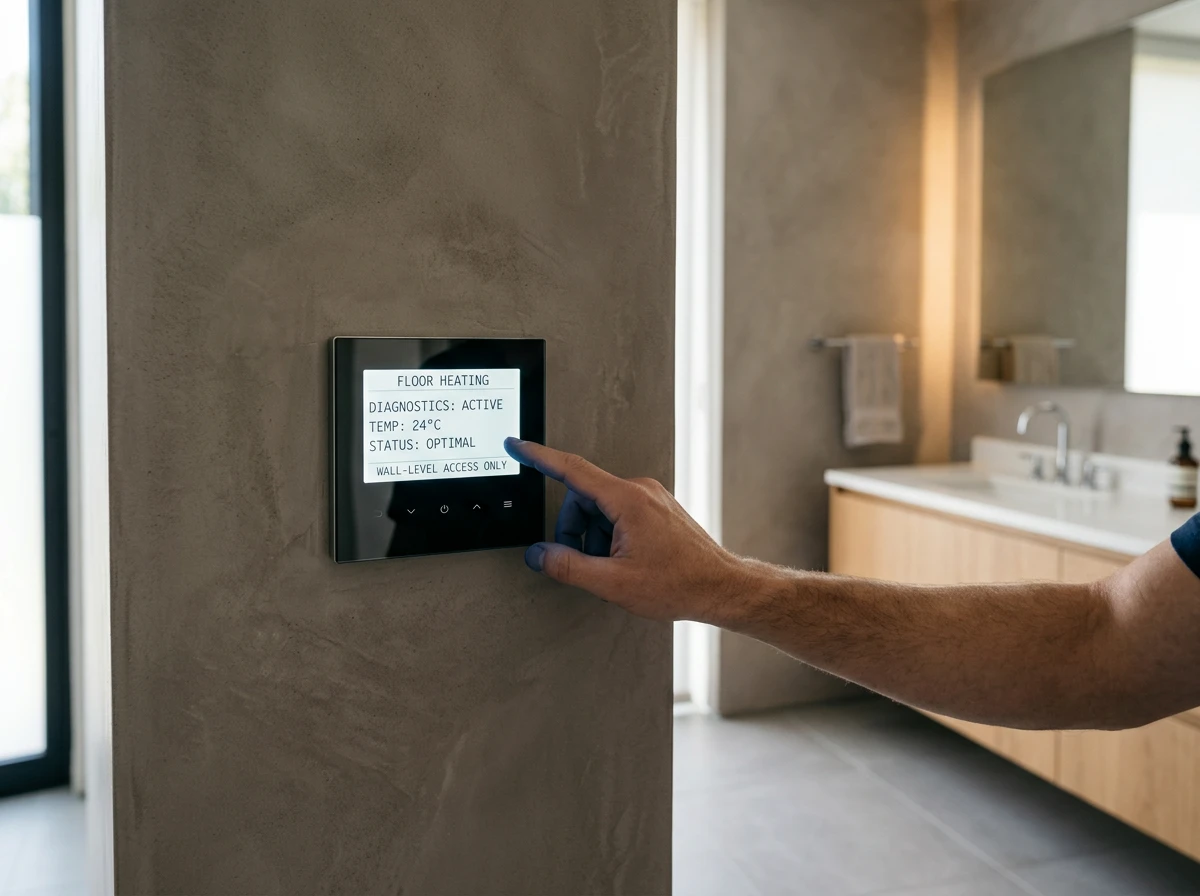
The brain of your underfloor heating system isn't buried in thinset; it's mounted right on your wall at eye level. Thermostat malfunctions, loose wiring connections, and failed floor sensors make up the vast majority of system failures.
When a warmup floor heating controller fails, or its companion floor probe goes bad, the system shuts down as a safety precaution. To fix this, you don't touch a single tile. You simply pop the thermostat off the wall plate.
We often see homeowners panic when a system doesn't turn on, assuming the worst. But the reality is that diagnostics start at the wall. You use a multimeter to check the resistance of the floor sensor and the heating element directly from the thermostat terminals.
If the floor sensor is dead, you don't dig it out. A properly planned electric floor heating setup has the sensor run through a flexible conduit. This simple design lets you pull the old probe out and slide a brand-new one down from the wall box in minutes.
Granted, if the installer didn't use a conduit, you might have to rely on a secondary sensor or run the thermostat in ambient air mode. It's not always a perfect scenario, but the reality is that you still won't be tearing up your floor. Most repairs are clean, dry, and handled entirely on your drywall.
Finding a needle in a tiled haystack with modern diagnostics
Pinpointing faults with advanced thermal tools
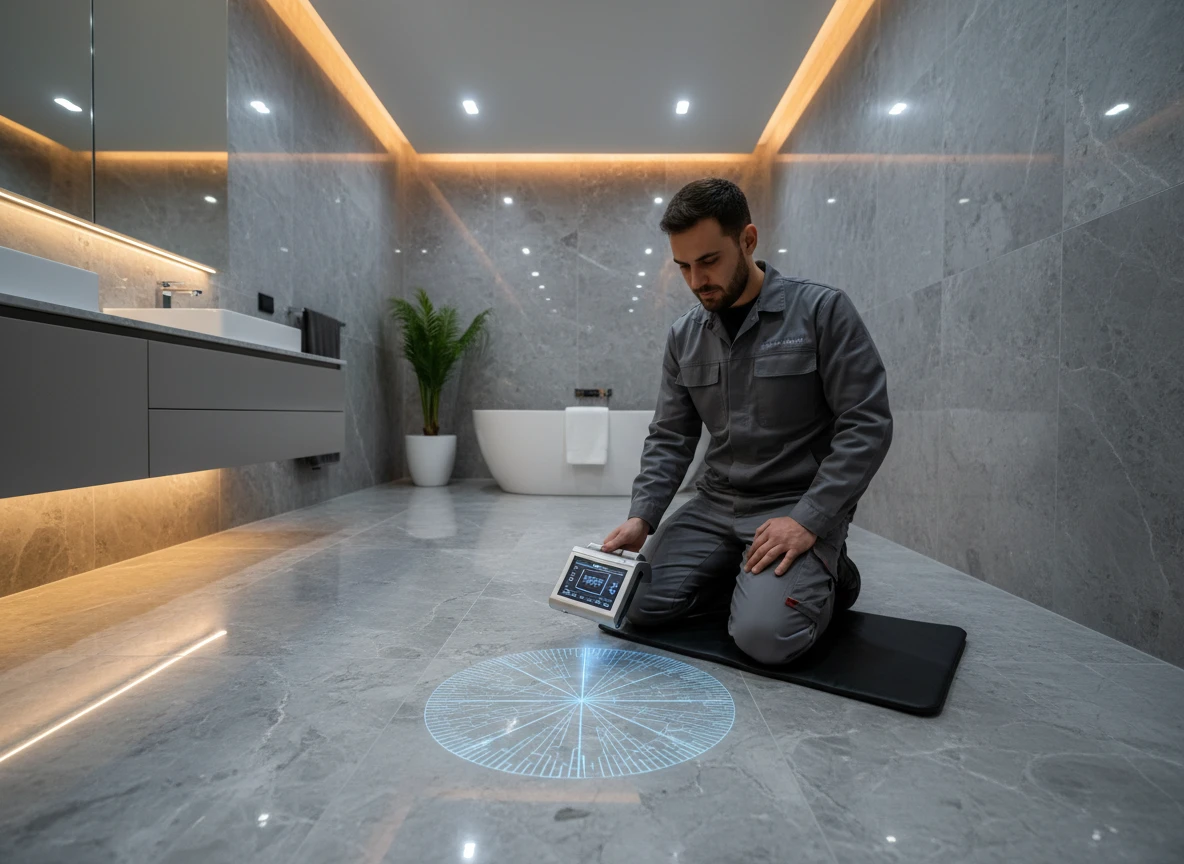
What if the wall thermostat checks out perfectly, but your floor still has a dead zone? That's when we move past simple wall-plate checks. We shift to localized physical diagnostics. At Integro Process Heating Solutions, we approach residential thermal faults with the same diagnostic rigor we apply to industrial process heating. You don't need to tear up the entire tiled floor to find a break in a floor heating mat.
First, we map the electrical resistance. Technicians use a high-potential (hi-pot) tester to send a controlled high-voltage pulse down the damaged line. This creates a safe, localized micro-arc at the break point. We then use a time-domain reflectometer (TDR) to measure signal propagation delays and calculate the exact distance to the fault. It's the same specialized method we use to maintain heavy industrial flexible heating jackets and custom industrial heating chambers.
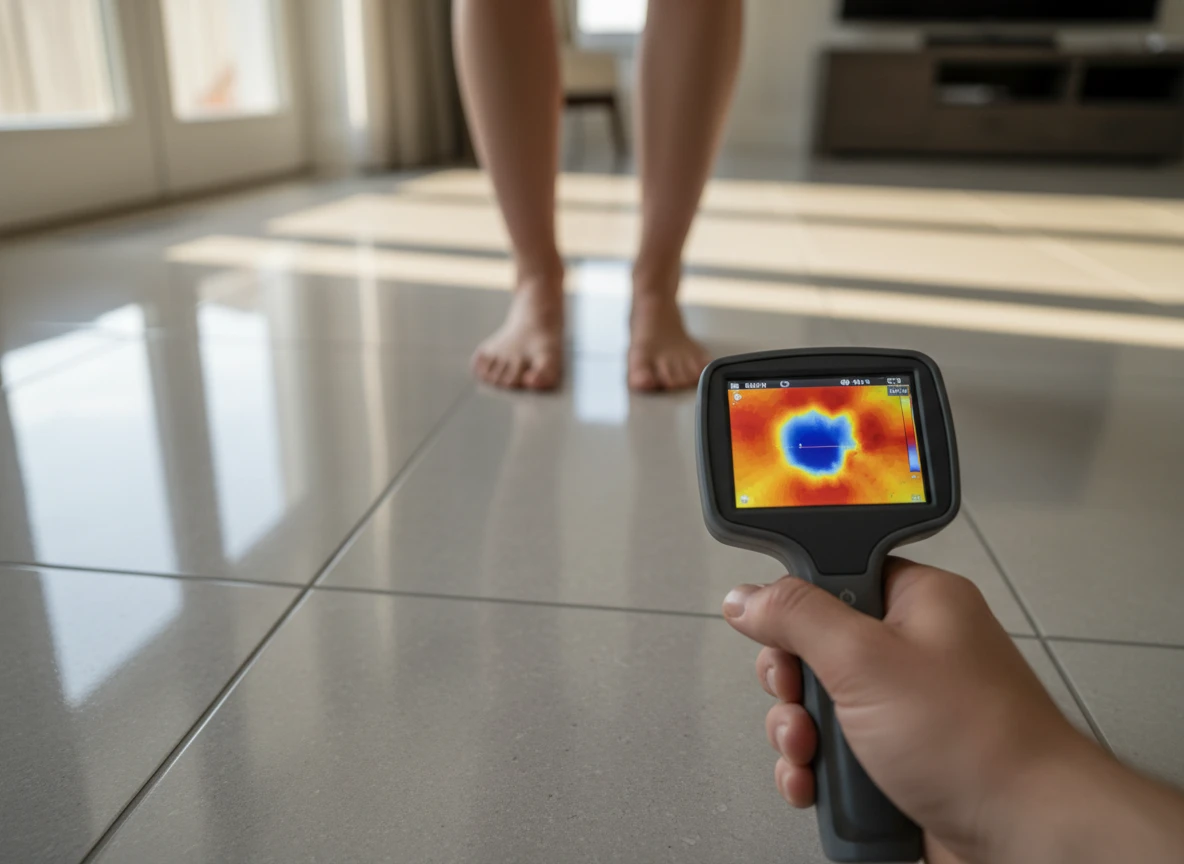
But finding the physical spot under thick grout requires visual confirmation. That’s where thermal imaging cameras come in. We run a brief current through the damaged under-floor heating network, and the camera highlights the exact point where the heat signature drops off. Admittedly, deep screed layers can sometimes blur this thermal reading slightly, but a skilled technician can still pinpoint the fault location with high accuracy. This precision is standard across both heavy-duty manufactured underfloor heating setups and standard residential layouts.
Sometimes, the issue isn't a broken wire but localized thermal choking. We’ve analyzed this phenomenon in our guide on how heavy furniture affects electric floor heating systems. When a true break is isolated, we chip away a single tile and apply a specialized splice kit.
Our experience as global underfloor heating suppliers and leaders in underfloor heating system manufacturing shows that targeted repairs don't compromise system longevity. We apply the same quality standards to domestic jobs as we do when exporting underfloor heating systems worldwide. Because we also manufacture specialized drum heating jackets and IBC heating jackets for industrial use, we understand how to design and patch high-integrity electrical insulation. Instead of a week of dusty demolition, the repair is completed within hours. Your floor heating solutions stay intact and operational.
Hydronic vs electric: why wires are simpler than pipes to troubleshoot
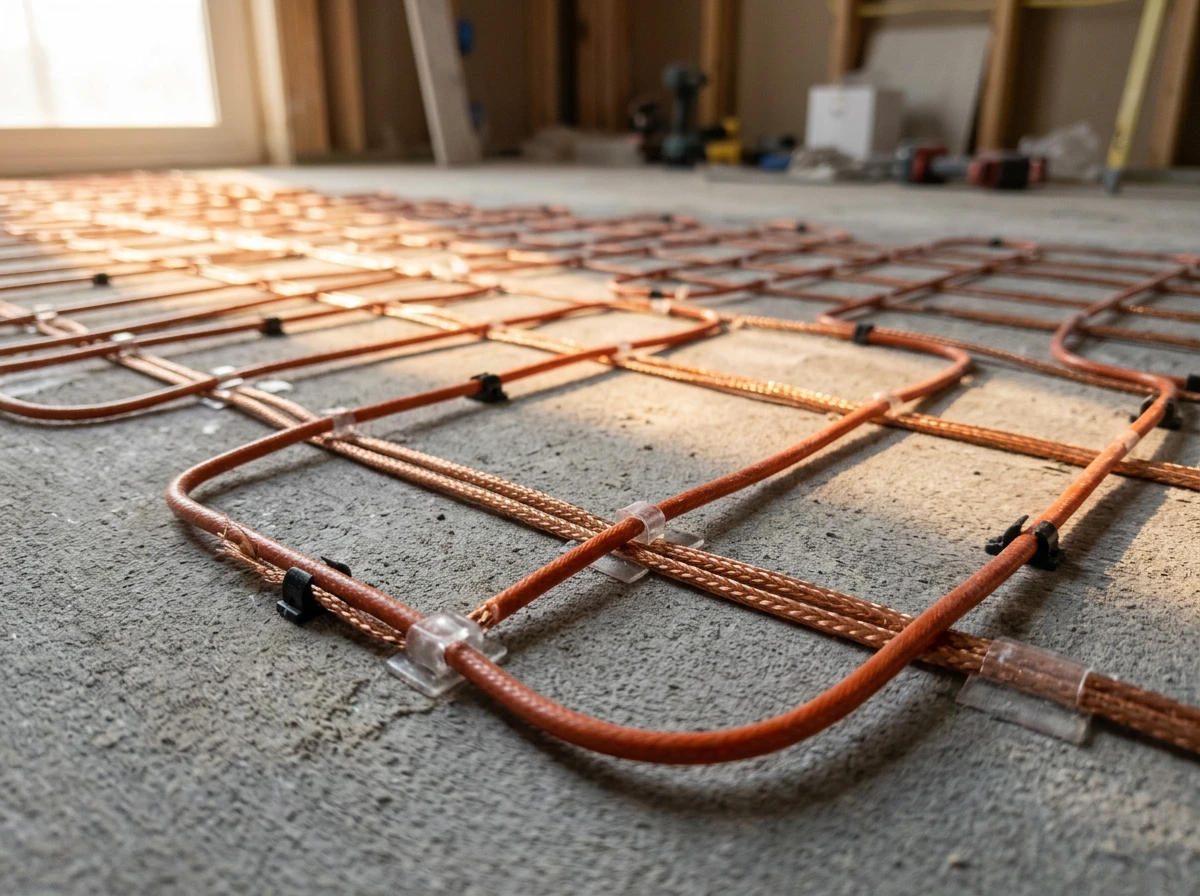
Pipes versus wires: the troubleshooting reality
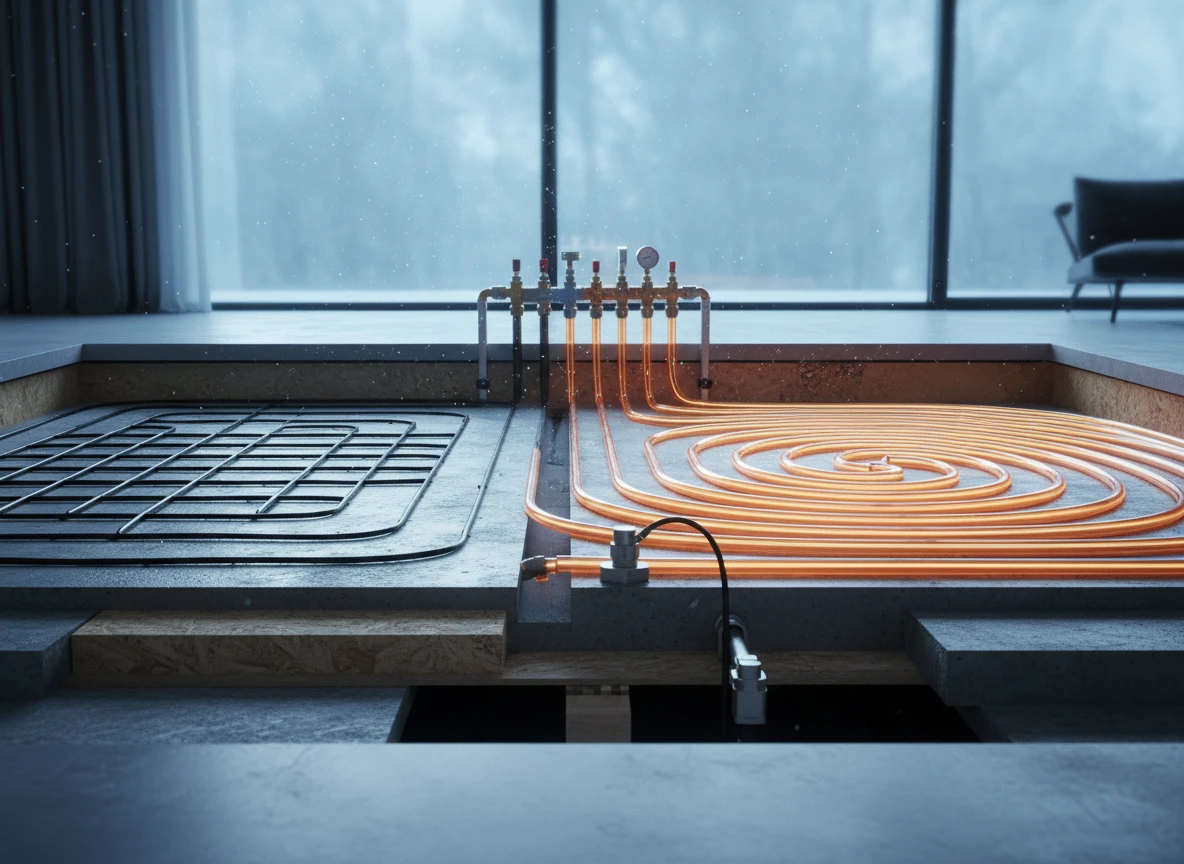
Hydronic systems are a headache. You're dealing with water, pressure, manifolds, and pumps—essentially fluid dynamics under your tiles. When a water-based system fails, it's never simple. A slow leak under a screed floor is a quiet, expensive disaster. Sure, you can find it with thermal imaging. But fixing it? That means jackhammering your concrete floor and splicing PEX pipe. It's messy, destructive, and costs a fortune.
Electric systems don't have these issues. They run on solid copper or alloy resistance wires. When you troubleshoot electric floor heating, there's no water to leak, no pressure drops to worry about, and no airlocks blocking the flow. A simple multimeter test tells you the circuit's exact state. We design custom process heating systems every day at Integro, and we'll tell you straight: electrical circuits are binary. They either work, or they don't.
That makes diagnostics incredibly easy. If a cable breaks, a technician uses a high-potential tester to pinpoint the break down to the exact centimeter. No guessing. No massive demolition. You pull up a single tile, splice the wire, and patch the grout. It's a clean, surgical repair that takes a few hours instead of days. Compare that to jackhammering wet concrete just to find a weeping pipe joint.
People often worry that electric cables will degrade over time. They won't. Unlike complex industrial setups or self regulating heating cables that can experience core degradation, standard underfloor cables are basic resistance wires. They don't wear out. If you're weighing domestic against commercial heating options, electric wins on long-term maintenance every time. Even if you work with heavy-duty industrial applications like insulated heating jackets, you already know the rule: solid-state electrical components outlast mechanical plumbing. Plumbing always fails at the joints. Wires don't have joints under your floor.
The critical installation tests that homeowners skip at their own peril
The simple testing protocol that saves thousands in tile repairs
Over 90% of post-installation failures in an underfloor heating system stem from physical damage caused during tile laying, rather than manufacturing defects. Yet, many homeowners and hurried installers skip the three mandatory resistance tests. They lay the tile, wait for the thinset to cure, and only then discover a completely dead circuit.
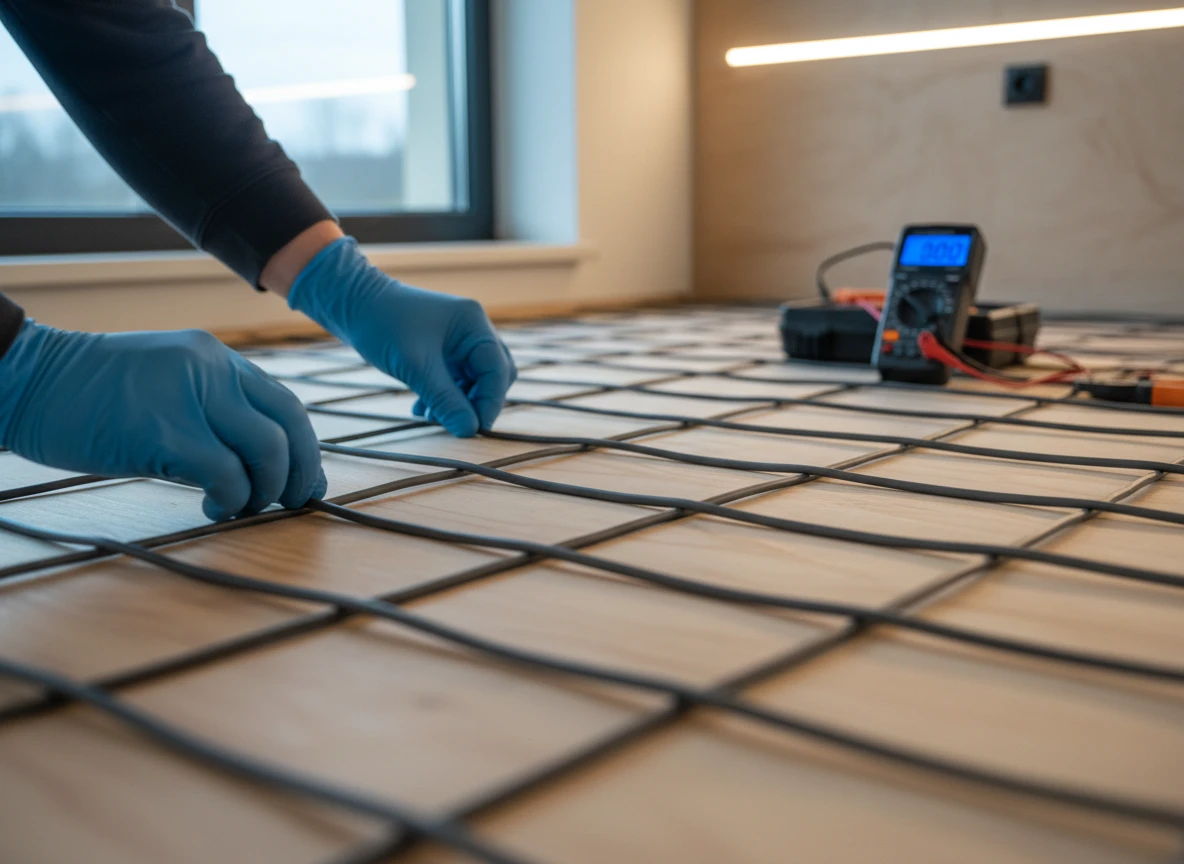
At Integro Process Heating Solutions, we see this exact oversight happen when rigorous testing protocols are ignored. Whether we are designing a high-capacity drum heating chamber for industrial clients or assessing residential setups, the electrical principles don't change. You must verify resistance values at three distinct stages: straight out of the box, during the dry layout, and immediately after the tiles are set.
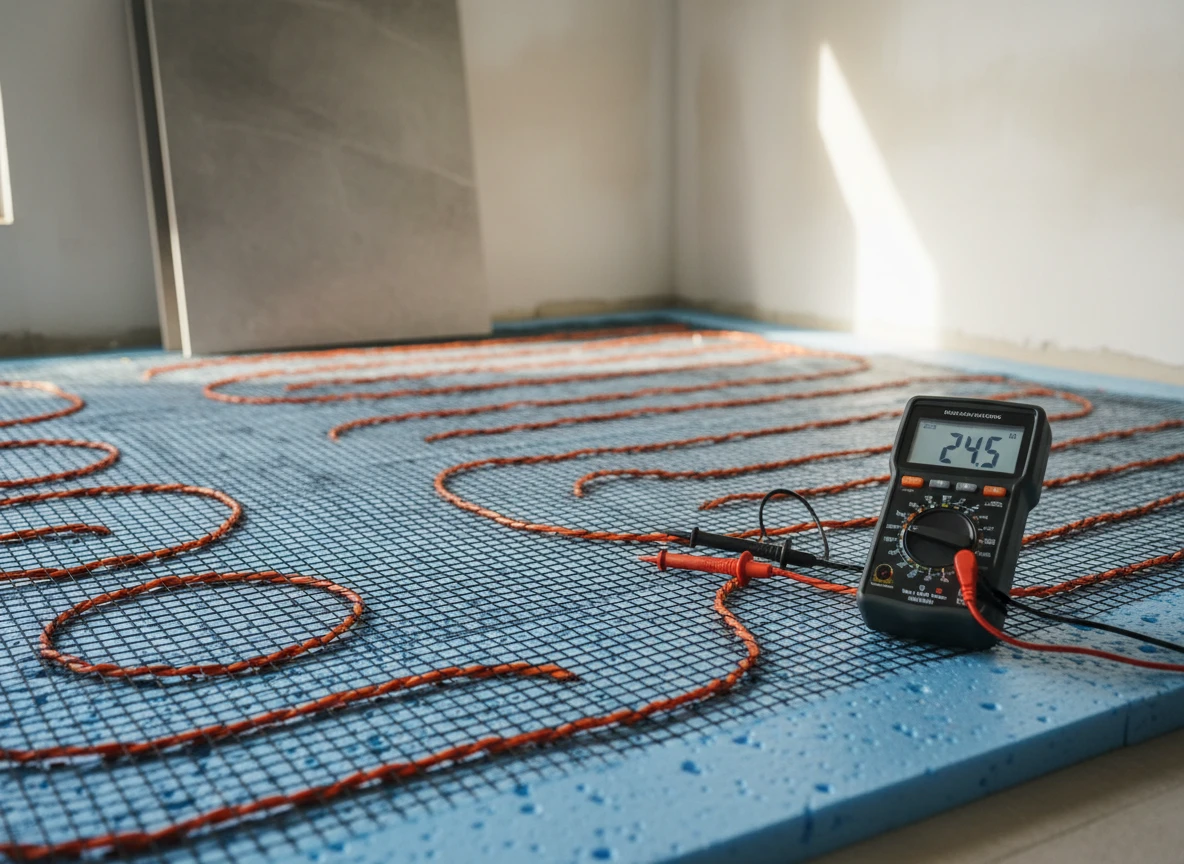
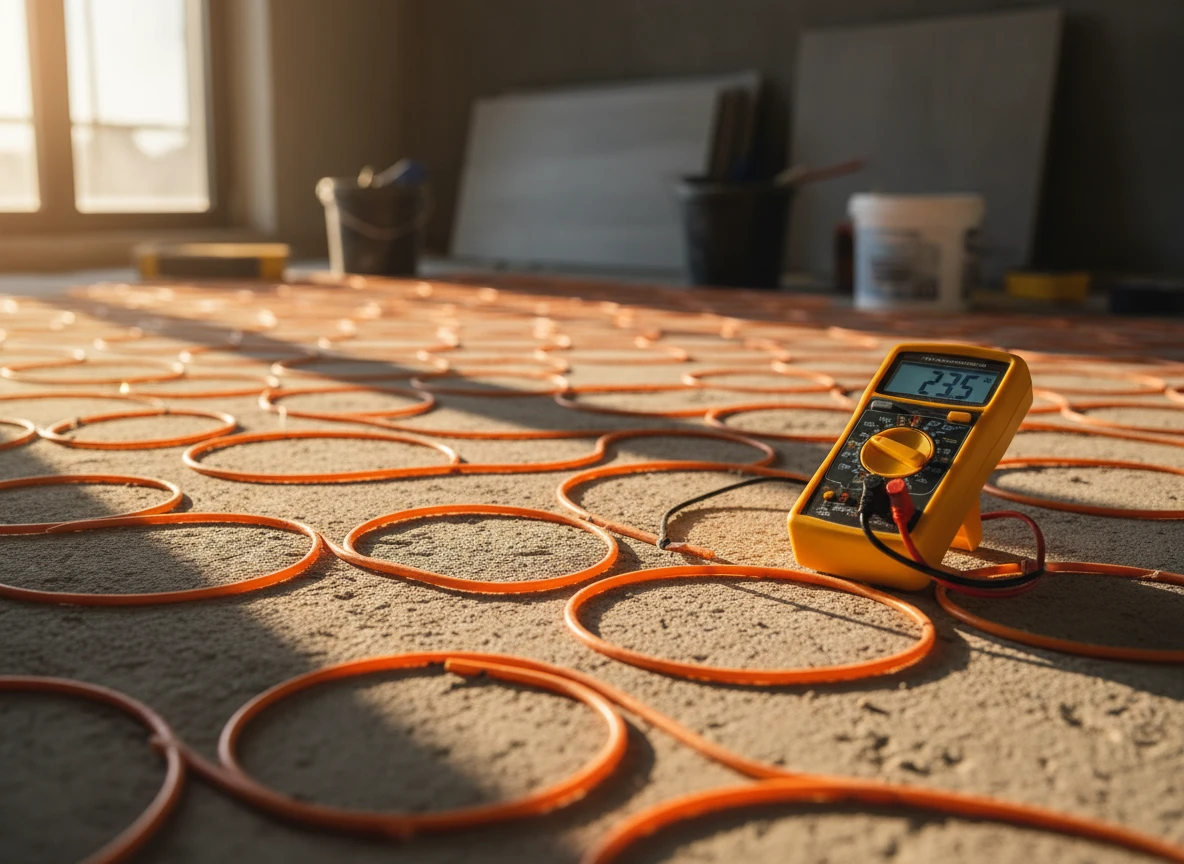
Using a standard digital multimeter, you must measure the resistance between the core conductors and compare it directly to the factory label. A variance of more than 10% means your cable is already compromised. But if you skip this step, you might bury a severed wire under cured thinset. It's a costly mistake that turns a minor fix into a major excavation.
This risk increases exponentially with cheap, unbranded systems. A low-cost floor heating mat often lacks a continuous grounding shield, leaving the thin heating wires vulnerable to a sharp trowel edge. We apply the same strict quality standards to our industrial insulated heating jackets because we know that skipping safety shields always leads to thermal failure.
Admittedly, doing these tests three times feels tedious when you're eager to finish a bathroom. But taking five minutes with a multimeter is the only way to guarantee your heating wire isn't damaged before the grout dries. If you don't do it, you are simply hoping for the best with a system that should last thirty years.
You don't need to fear the warm floor

So, is that lingering dread of a cold tile floor still holding you back? It shouldn't. Once you understand that a wire break doesn't mean demolishing your entire master bath, the decision to install bathroom floor heating becomes incredibly straightforward. You aren't burying a ticking time bomb under your grout; you're simply installing a highly reliable, low-maintenance thermal system.
Think about it this way. At Integro Process Heating Solutions, we apply the exact same rigorous thermal design principles to domestic and commercial heating setups as we do to heavy-duty industrial applications. Whether we are engineering drum heating jackets for chemical processing or helping a homeowner select the right floor heating solutions, the goal is always localized control and predictable diagnostics. If a major industrial facility can trust electrical heat tracing under extreme conditions, you can certainly trust a simple heating mat under your porcelain tiles.
What happens if the worst occurs and a wire gets nicked? You don't panic. You call a technician who locates the exact spot within an inch, pops up one single tile, splices the wire, and resets the tile. It's an afternoon job, not a week-long renovation nightmare. Admittedly, finding a qualified diagnostic tech with a thermal camera can sometimes take a few phone calls depending on your local market, but the actual repair process is incredibly minor.
Don't let the fear of a hypothetical repair rob you of warm feet on a freezing morning. By choosing certified equipment, running your multi-stage resistance tests during installation, and trusting the science of localized diagnostics, you can step onto your warm floors with absolute peace of mind. What's your next step,sticking with cold slippers, or finally upgrading your home comfort?
Tired of worrying about complex heating repairs? Integro Process Heating Solutions provides engineered heating solutions that take the guesswork out of installation and maintenance.
Frequently Asked Questions
Do I really need to rip up my whole bathroom floor if the heating breaks?
Not at all. Technicians use thermal imaging and digital multimeters to find the exact break down to a single inch, meaning you'll usually only pop out one tile to fix it.
Why do electric floor heating systems stop working?
Spontaneous failures are super rare since these systems last 20 to 30 years. Most issues happen because a tool accidentally punctures a wire during installation, or a wall thermostat fails.
Can I fix a broken heating mat myself?
Honestly, leave this one to the pros. Locating hidden electrical breaks requires specialized gear like high-potential testers and precise splice kits that aren't typical DIY tools.
What's the difference between electric and hydronic floor heating repairs?
Electric systems rely on straightforward resistance testing and simple wire splices. Water-based systems are a lot messier because you're dealing with pressurized pipes and potential leaks under the slab.