- By Admin
- Integro
- The thermal bottleneck you didn't plan for
- Why thermal resistance makes or breaks your floor heating solutions
- Thick carpet is basically a thermal blanket over your electric floor heating systems
- Cork flooring acts as an accidental energy shield
- Why solid timber planks are a recipe for gapping and thermal failure
- Is your cheap synthetic flooring secretly degrading under the heat?
- Smart pairings that let your underfloor heating system shine
- FAQ
The thermal bottleneck you didn't plan for
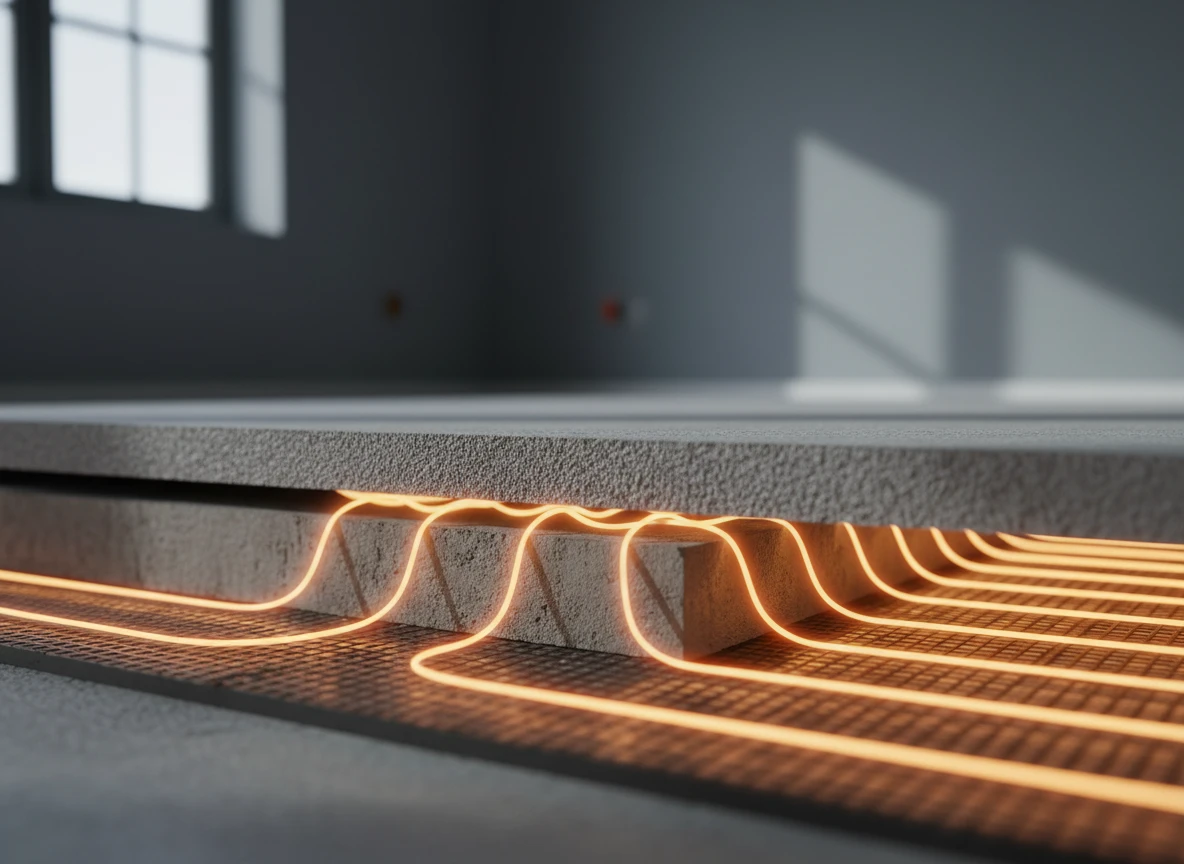
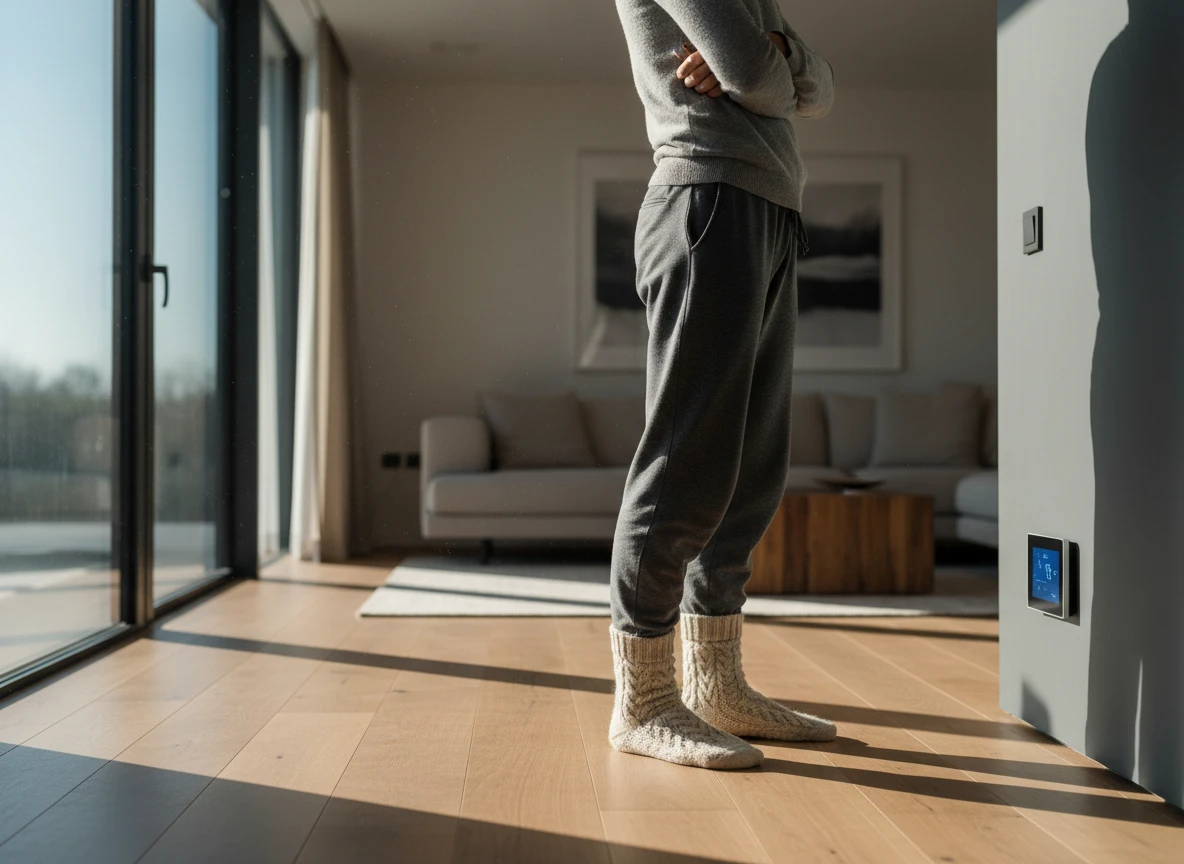
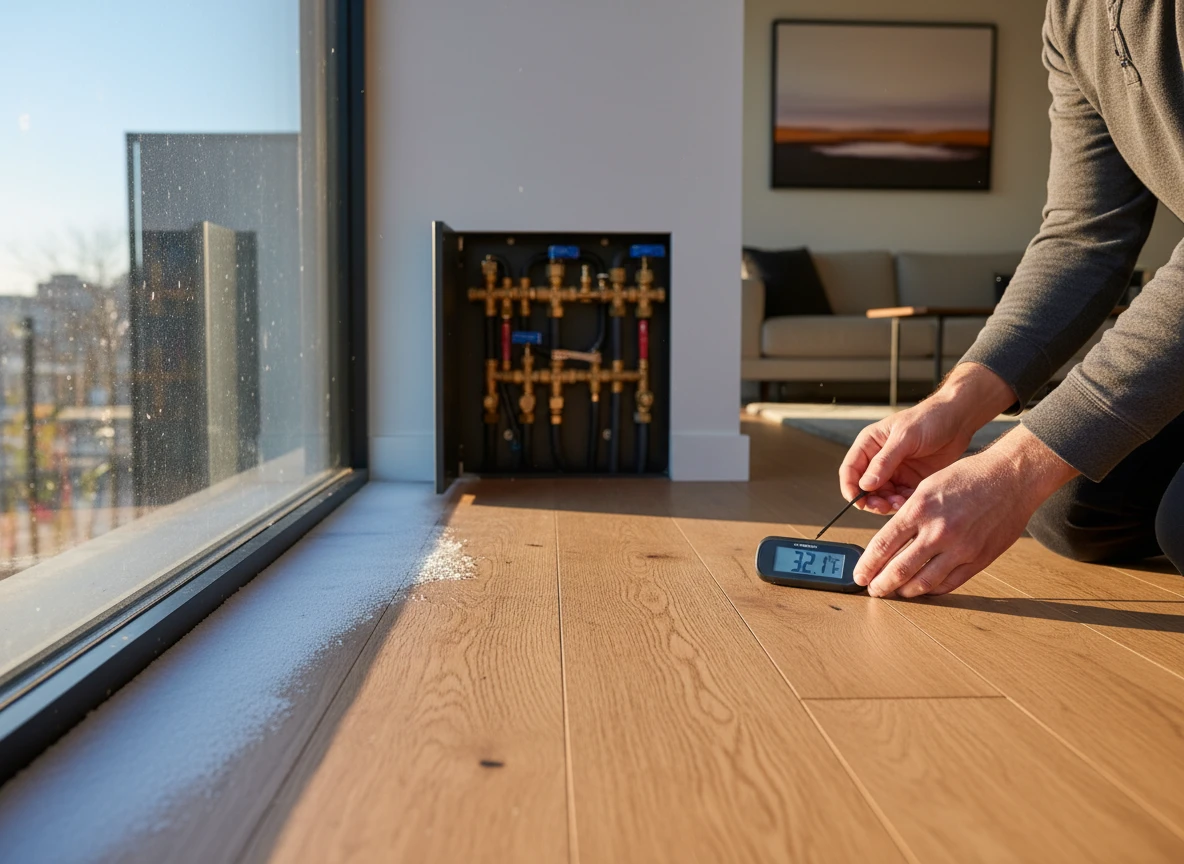
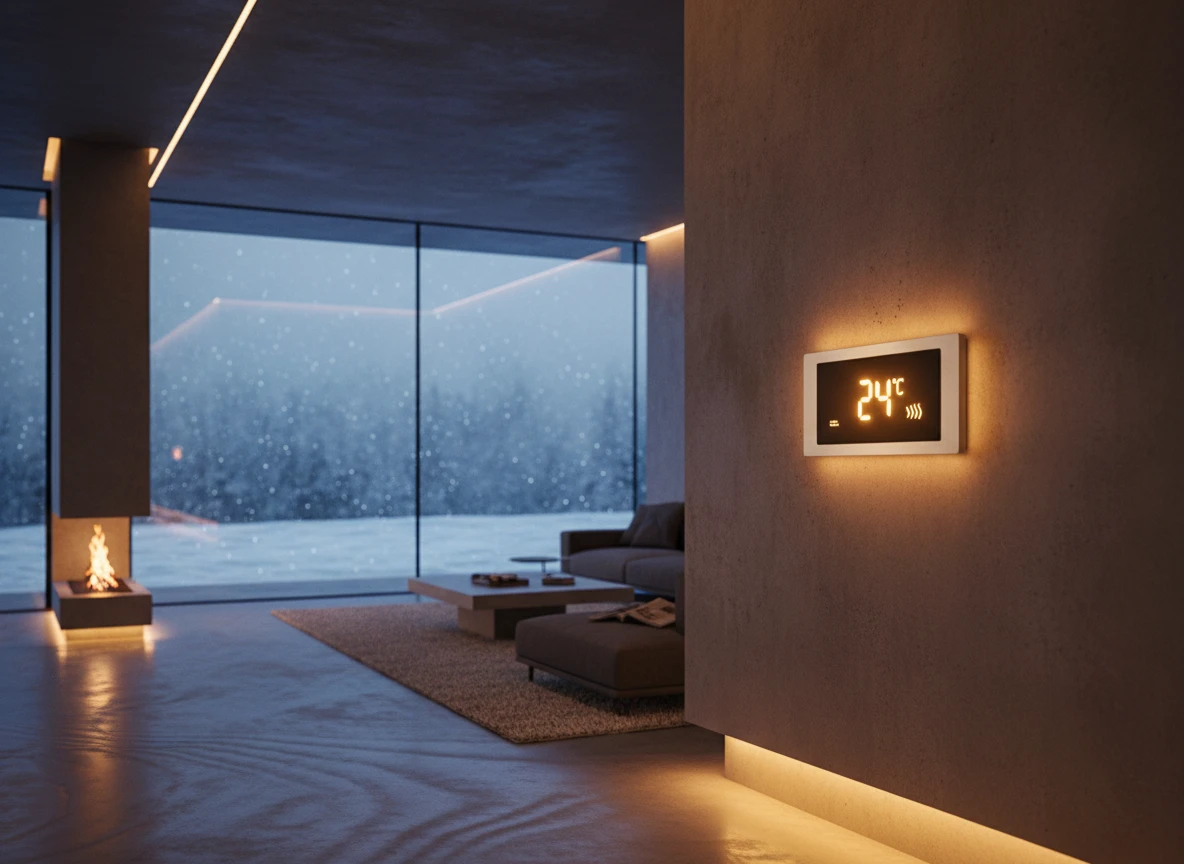
Imagine cranking your thermostat up to 24°C on a freezing morning, waiting three hours, and realizing your bare feet are still touching ice-cold planks. You check the manifold or controller; energy is flowing perfectly, yet the room temperature refuses to budge.
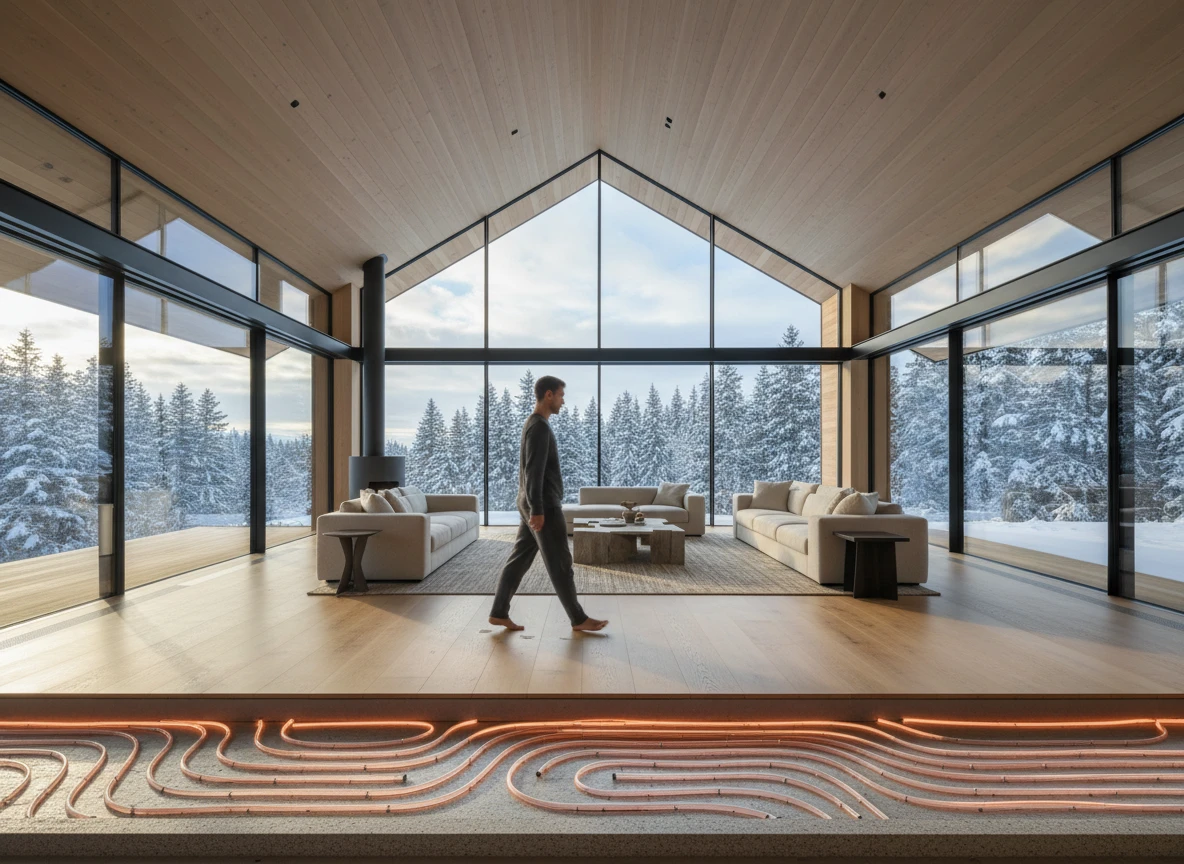
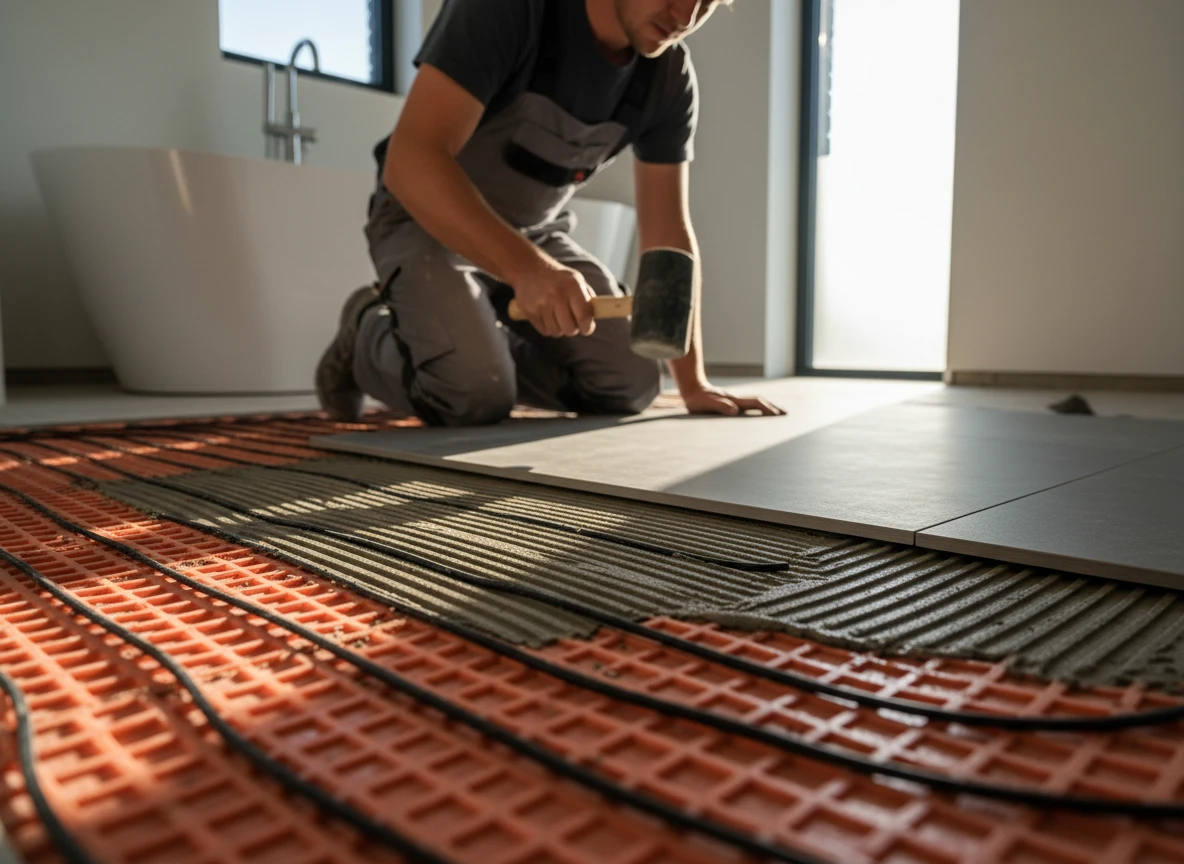
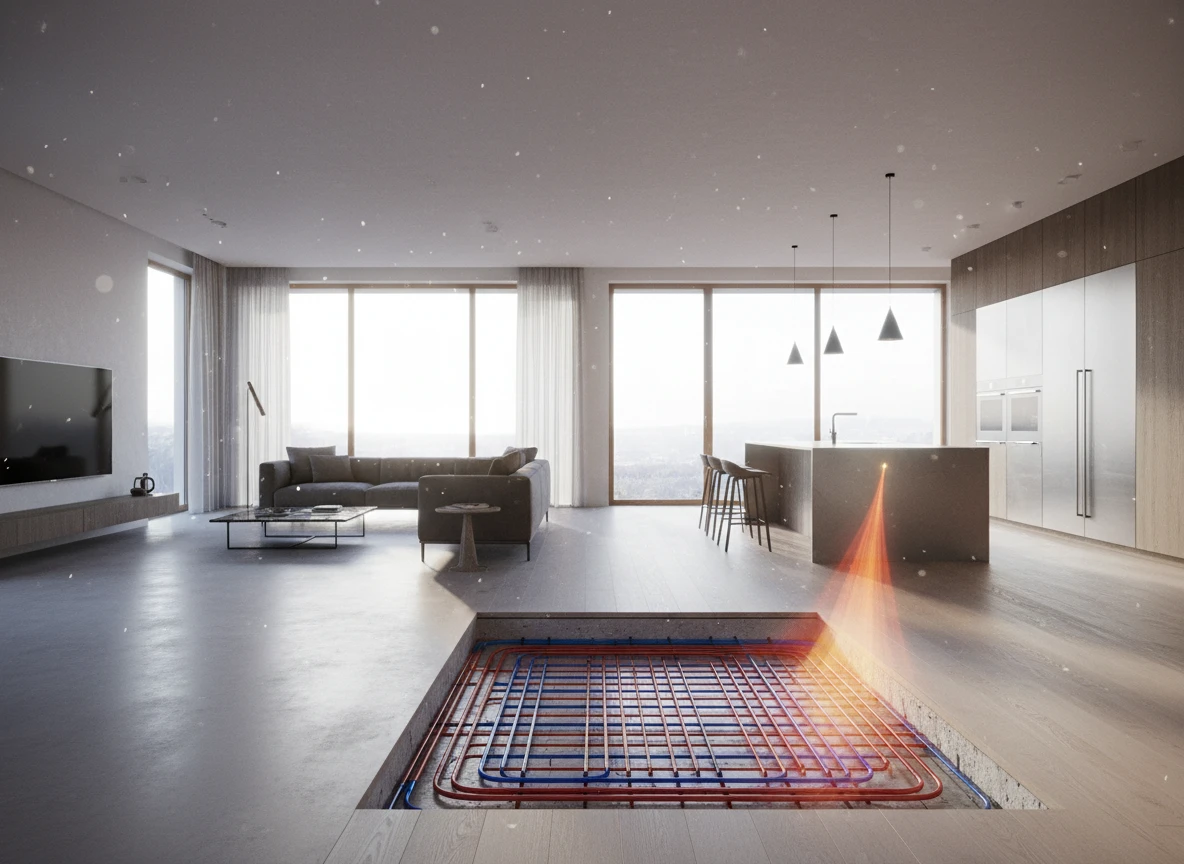
The reality is that you have likely built a highly efficient thermal barrier directly on top of your underfloor heating system. While selecting beautiful floor coverings is the exciting part of a home renovation, ignoring how these materials transfer heat is a recipe for system failure. Many gorgeous materials act as thermal insulators rather than conductors, trapping heat beneath the surface and fighting against your home's climate control.
When we design thermal solutions at Integro Process Heating Solutions, we focus heavily on thermal resistance, measured in tog. Industry guidelines suggest that your combined floor covering and underlayment should not exceed 2.5 tog. Go over this limit, and you create a severe thermal bottleneck. Thick wool carpets, dense rubber underlayments, and cork do not just delay heat; they actively block it from reaching your living space.
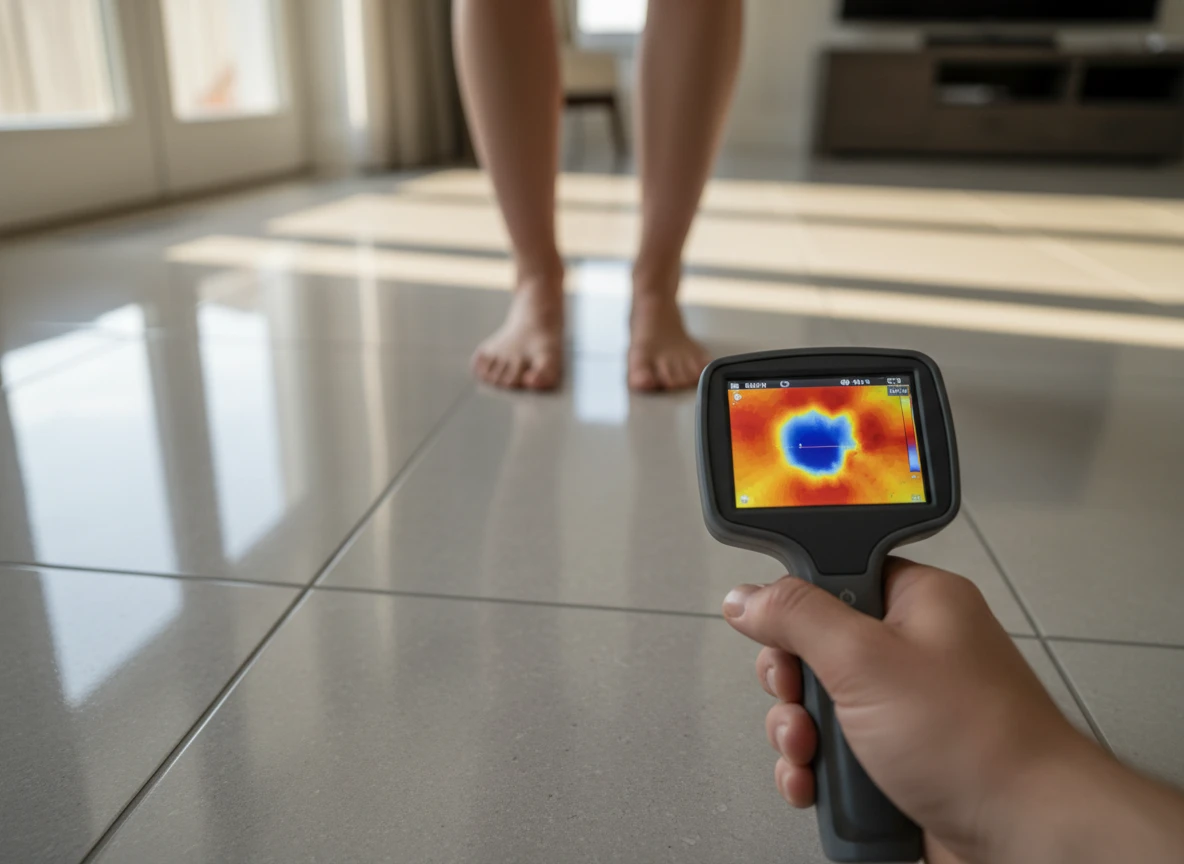
This blockage forces your under floor heating to run continuously at maximum capacity to heat the room. The system runs hotter, energy efficiency nose-dives, and utility bills skyrocket. In fact, choosing high-resistance coverings is a primary reason why electric radiant floor heating hikes your bill without delivering actual comfort.
Unlike high-conductivity stone or porcelain, which transfer heat almost instantly, dense wood or heavy carpets act like a thermal blanket. This trapped energy doesn't just waste electricity; it can warp solid timber, degrade adhesives, or cause cheap vinyl coverings to discolor under sustained, trapped heat. Before laying down your final floor, understanding this thermal boundary is critical to protecting both your flooring investment and your comfort.
Why thermal resistance makes or breaks your floor heating solutions
The physics of floor thermal resistance
When designing thermal systems, we look closely at the rate of heat transfer through sequential material barriers. Every layer of flooring,from the subfloor adhesive to the final carpet,acts as a resistor in an active thermal circuit. In thermal engineering, we quantify this resistance using the tog metric, where 1 tog equals 0.1 $m^2K/W$. If you don't account for this impedance, the system won't perform as expected.
For highly efficient radiant floor heating systems, the combined thermal resistance of your floor covering and underlayment must not exceed 2.5 tog. Exceeding this limit creates a severe bottleneck. Heat gets trapped beneath the surface, forcing your boiler or heating cables to run hotter and longer just to meet your thermostat settings. This directly degrades overall thermal efficiency and inflates operating costs.
While we often design industrial-grade thermal systems at Integro Process Heating Solutions,including drum heating chambers and flexible heating jackets,the same basic thermodynamic principles govern domestic and commercial heating setups. For instance, putting a thick, dense carpet over a floor heating mat is like wrapping a radiator in a thick thermal blanket. It'll capture nearly half of the generated heat energy. In some cases, this thermal bottleneck can even cause the floor temperature to exceed safe limits underneath the carpet, potentially damaging the subfloor.
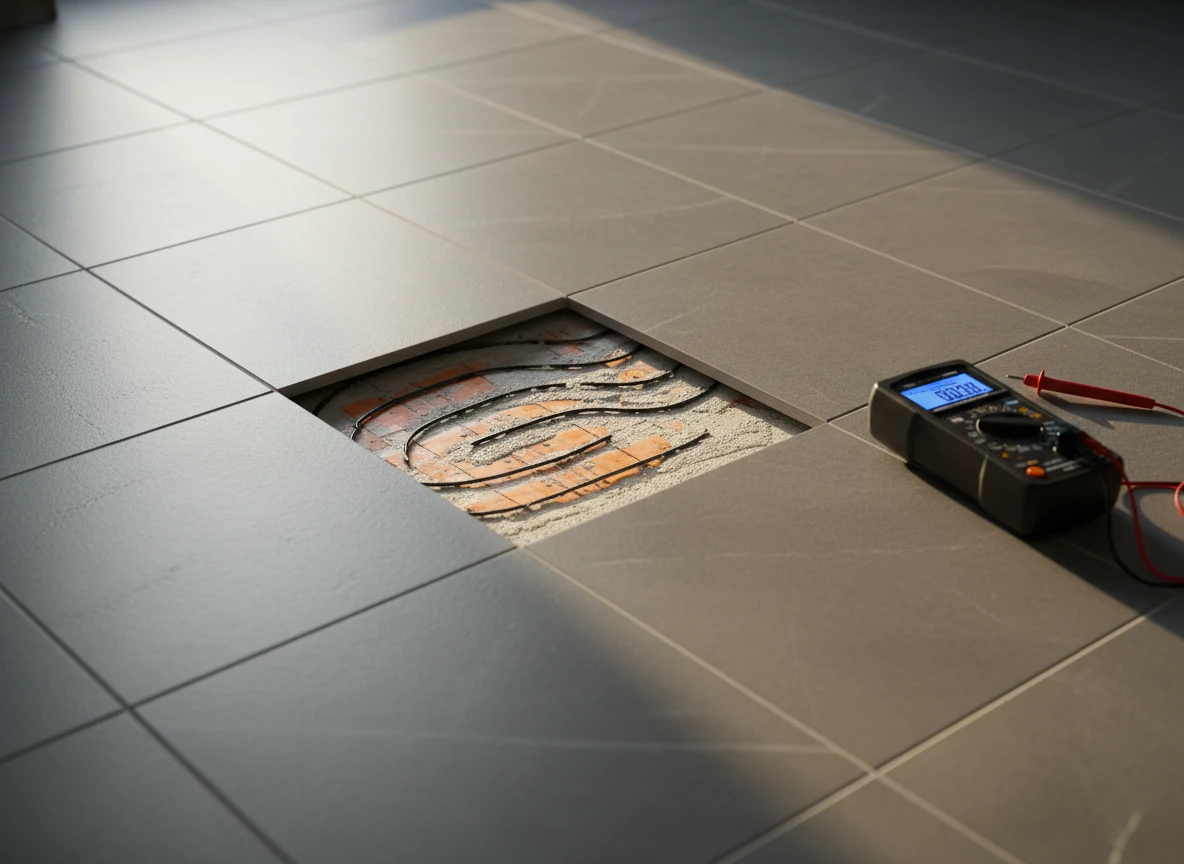
To put this in perspective, we look closely at thermal conductivity, represented by the $k$-value. Materials with high conductivity, like porcelain, let heat pass almost instantly. Conversely, high-insulation materials like cork or thick rubber underlays act as thermal barriers. If your system runs too hot trying to force energy past these barriers, you'll run the risk of cracking adhesives, warping floorboards, or even triggering thermal cut-outs.
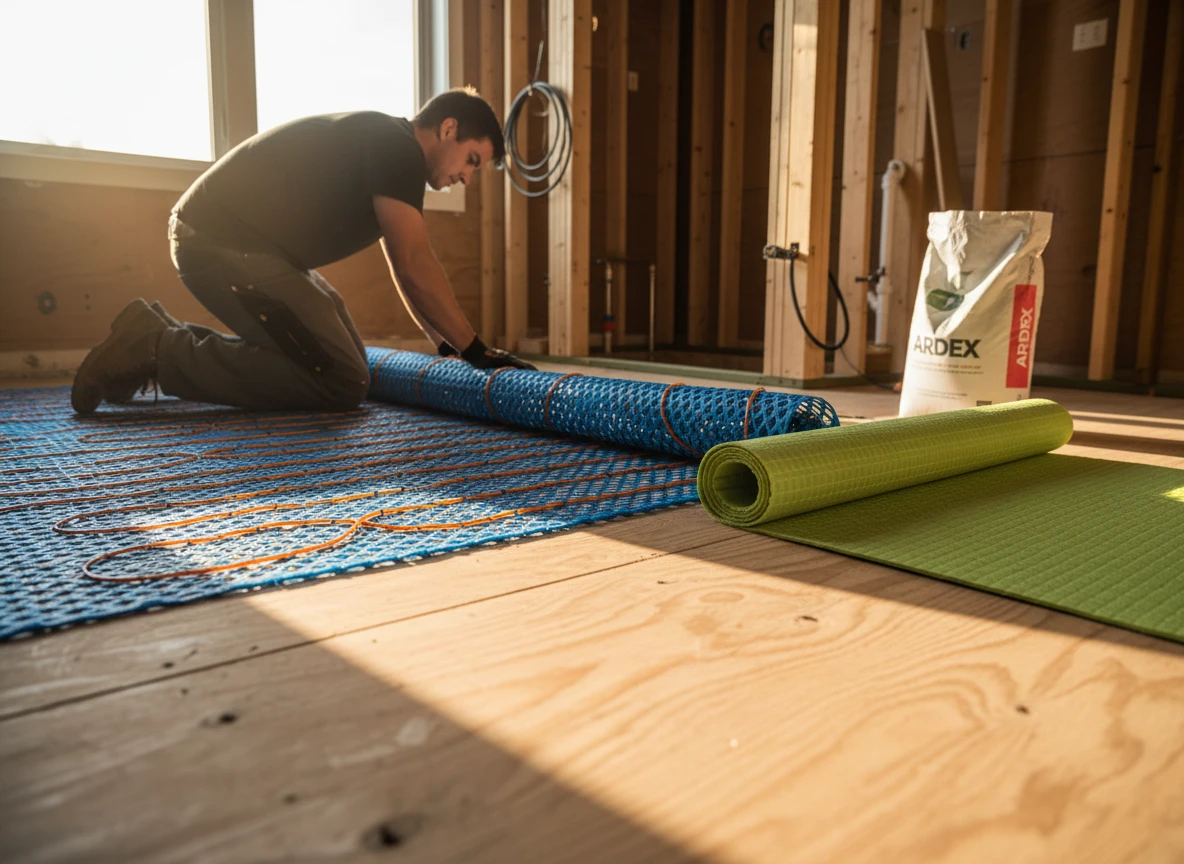
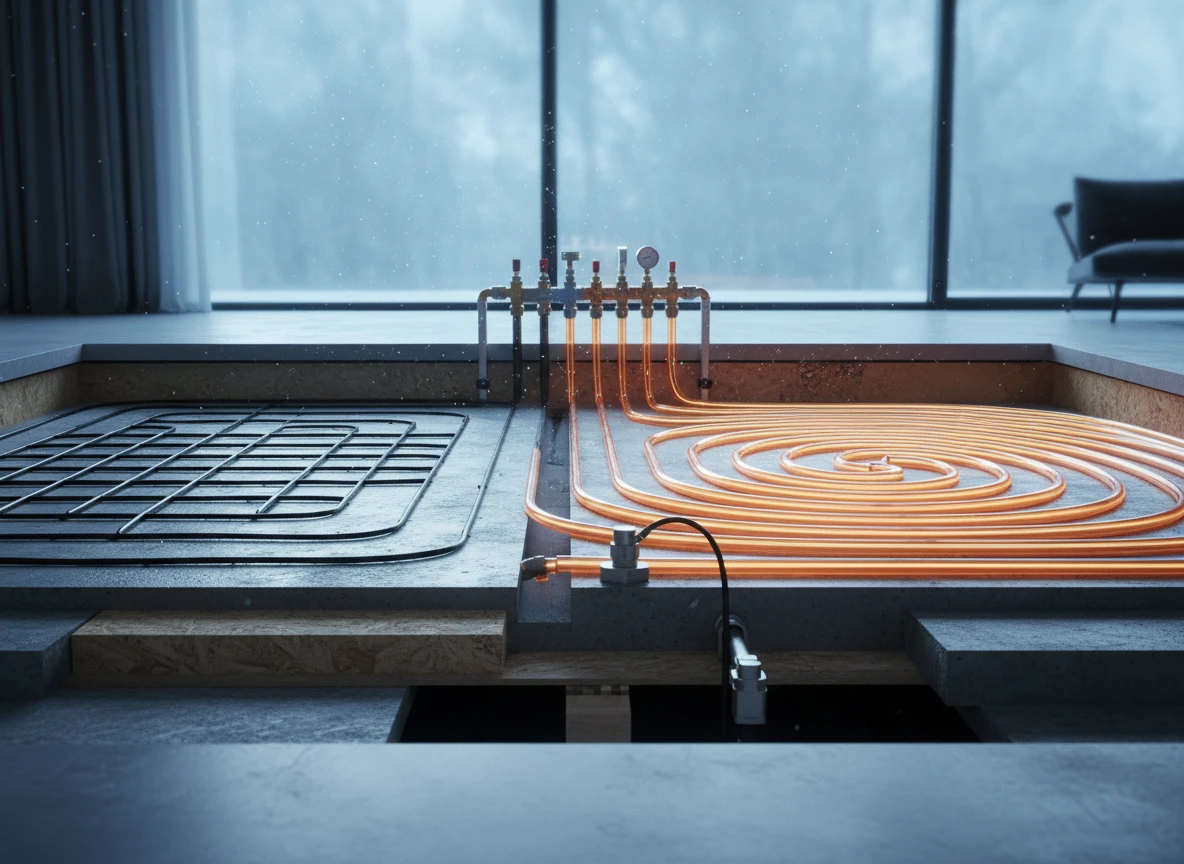
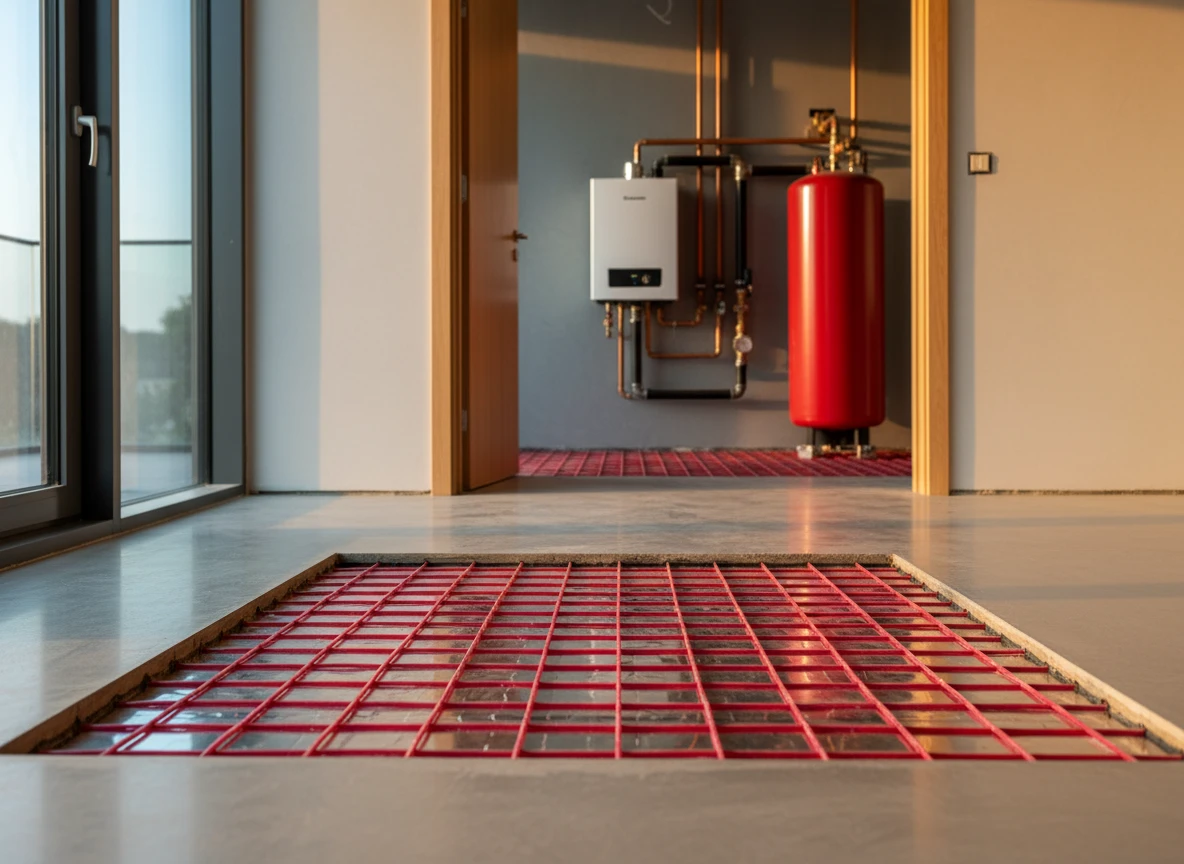
For whole-house builds, choosing hydronic radiant floor heating or electric underfloor heating solutions requires calculating the exact thermal resistance of every layer. We work closely with leading underfloor heating manufacturers, underfloor heating exporters, and underfloor heating suppliers to ensure that the thermal impedance remains low. If you ignore these tog values, you'll struggle to achieve the desired heat output, leading to premature component wear, sluggish response times, and system lag.
Thick carpet is basically a thermal blanket over your electric floor heating systems

Why thick carpets stifle thermal performance
If you cross that 2.5 tog threshold, you aren't just slowing down heat transfer. You're effectively strangling it. Thick wool carpets paired with dense rubber or felt underlayments work exactly like a thermal blanket. They are designed to insulate, but when laid over electric floor heating systems, they trap energy right where it's generated.
What happens when you trap that heat? The system's thermostat, positioned in the room or embedded in the floor, keeps calling for heat because the air temperature isn't rising. This forces your electric radiant floor heating setup to run continuously at maximum capacity. Instead of a cycling system that maintains a steady temperature, you get a heating element that runs hotter and longer, driving up your energy bills (which is the worst-case scenario for system efficiency).
At Integro Process Heating Solutions, we analyze thermal dynamics daily. The reality is that placing a heavy barrier over your heating cables creates an artificial thermal bottleneck. The heat has to go somewhere. Since it can't move upward easily, it builds up in the subfloor. This prolonged thermal stress can degrade the floor adhesives, discolor carpet fibers, and even trigger thermal cut-out switches.
If you are planning domestic and commercial heating layouts, always look for thin, high-density underlayments rated specifically for low thermal resistance. A carpet thickness of under 12mm is generally the sweet spot. But many homeowners ignore this, choosing plush options that choke the system. Anything thicker risks turning your efficient heating system into an expensive, subfloor oven that fails to actually warm your feet.
How can you avoid this mistake? Always check the manufacturer's specification sheets before buying. If the supplier cannot provide a verified tog value for both the carpet and the underlayment combined, walk away. It is better to opt for a low-profile, double-stick system that maximizes contact and minimizes air gaps, keeping your energy bills manageable.
Cork flooring acts as an accidental energy shield
Cork has a thermal conductivity rating as low as 0.037 W/mK. Structurally, that makes it closer to polystyrene insulation than to a standard floor covering. It is a brilliant acoustic dampener, but when you lay it over a floor heating mat, it becomes an accidental energy shield. The material's cellular structure contains millions of microscopic, air-filled pockets. These pockets actively block heat transfer instead of letting it pass through. That means up to 60% of the energy your system generates never actually reaches the room.
Laying cork over high-performance underfloor heating systems traps thermal energy right beneath the surface. Heat cannot easily penetrate this dense cellular matrix. Because of this, your heating cables must run constantly at maximum capacity just to register a minor temperature change upstairs. At Integro Process Heating Solutions, we analyze thermal barriers daily. We know that forcing any electrical heating element to run hot for extended cycles kills its lifespan and spikes your utility bills.
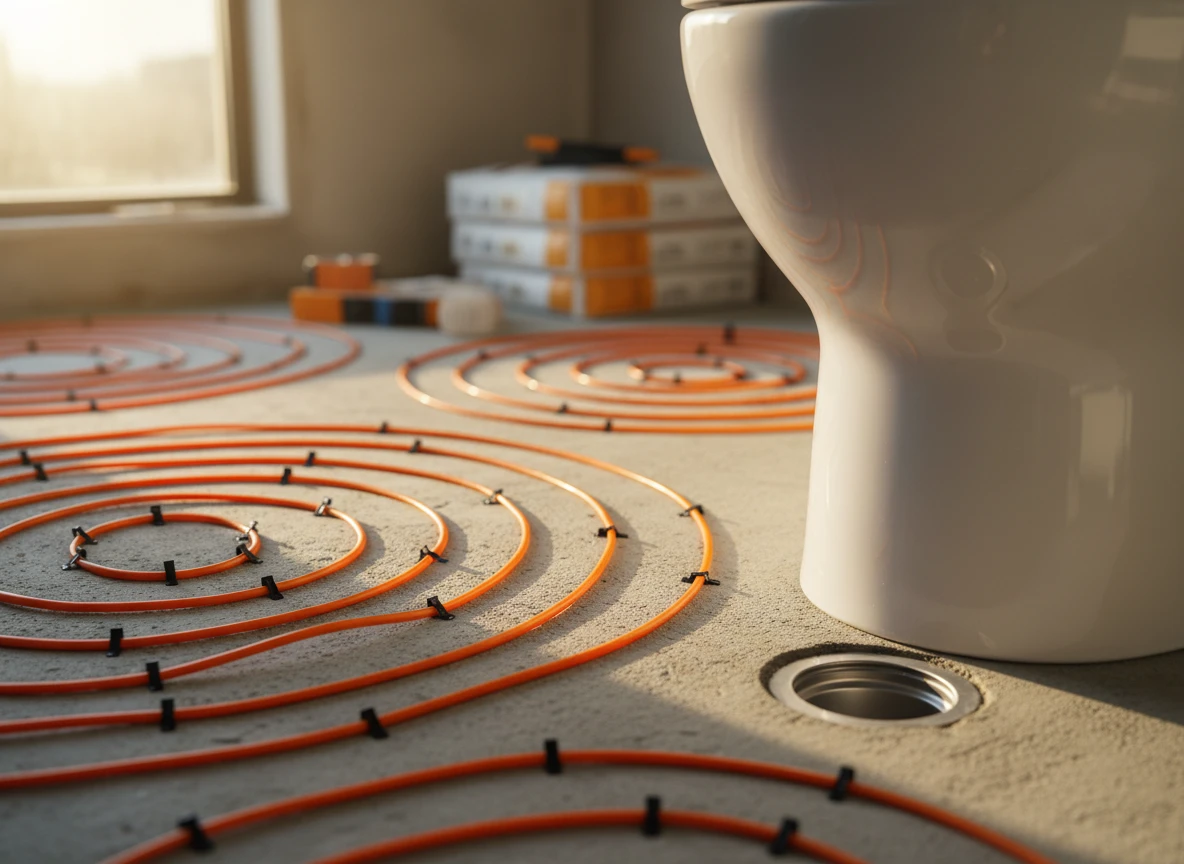
Some installers try to bypass this bottleneck by cranking up the thermostat. Don't do this. It only accelerates system degradation and risks ruining your subfloor adhesive. Overheating a trapped cable leads to localized burnouts. It is the exact same issue we see when people install uncalibrated floor heating solutions without calculating the actual thermal load limits first.
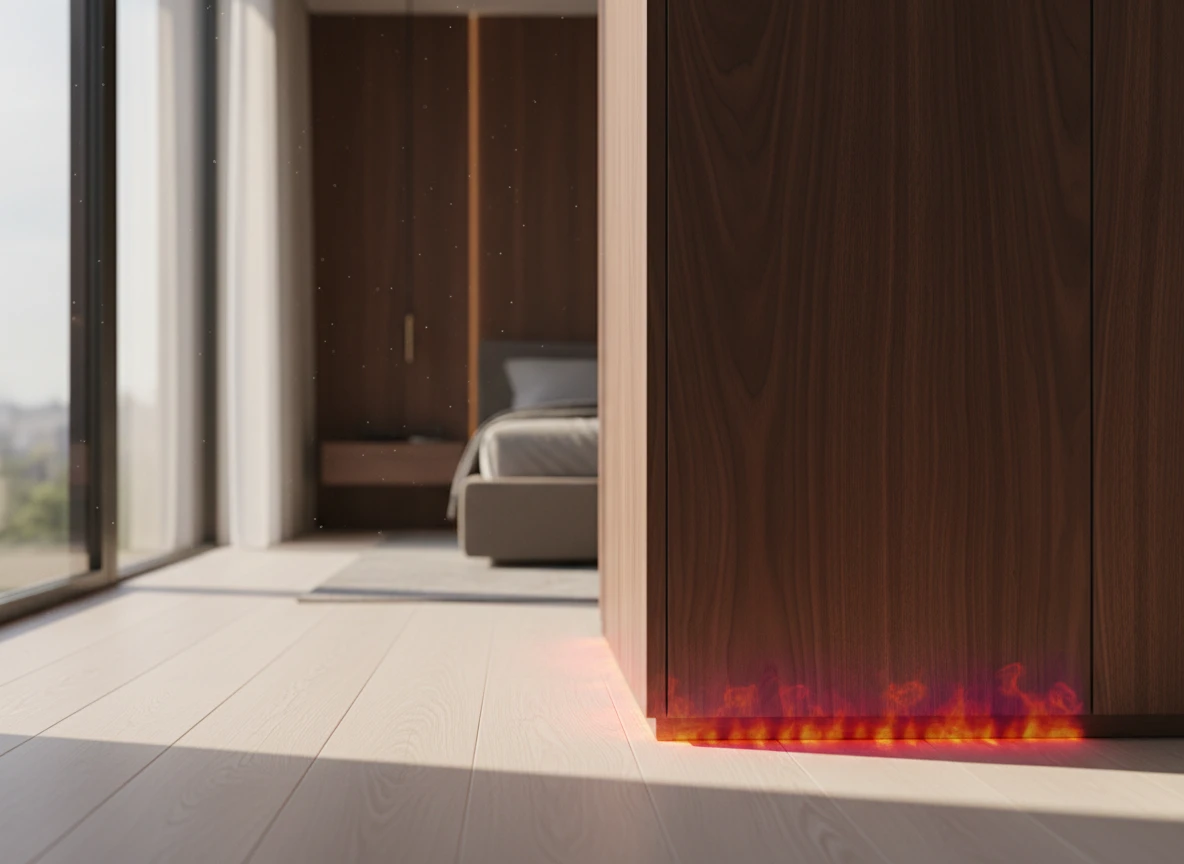
This bottleneck is more than an efficiency drain—it is a structural hazard. When heat gets trapped, the temperature directly beneath the cork can easily top 40°C. This prolonged exposure ruins the backing of your floor covering. It also degrades the performance of the heating mat itself.
If you absolutely must use cork, keep the thickness under 6mm. Some manufacturers claim thin backing sheets solve the problem, but our tests show otherwise. You will still face a massive 40% drop in thermal response time compared to stone or tile. Frankly, cork belongs under your concrete slab as an insulation barrier, not on top of your heating cables.
Why solid timber planks are a recipe for gapping and thermal failure
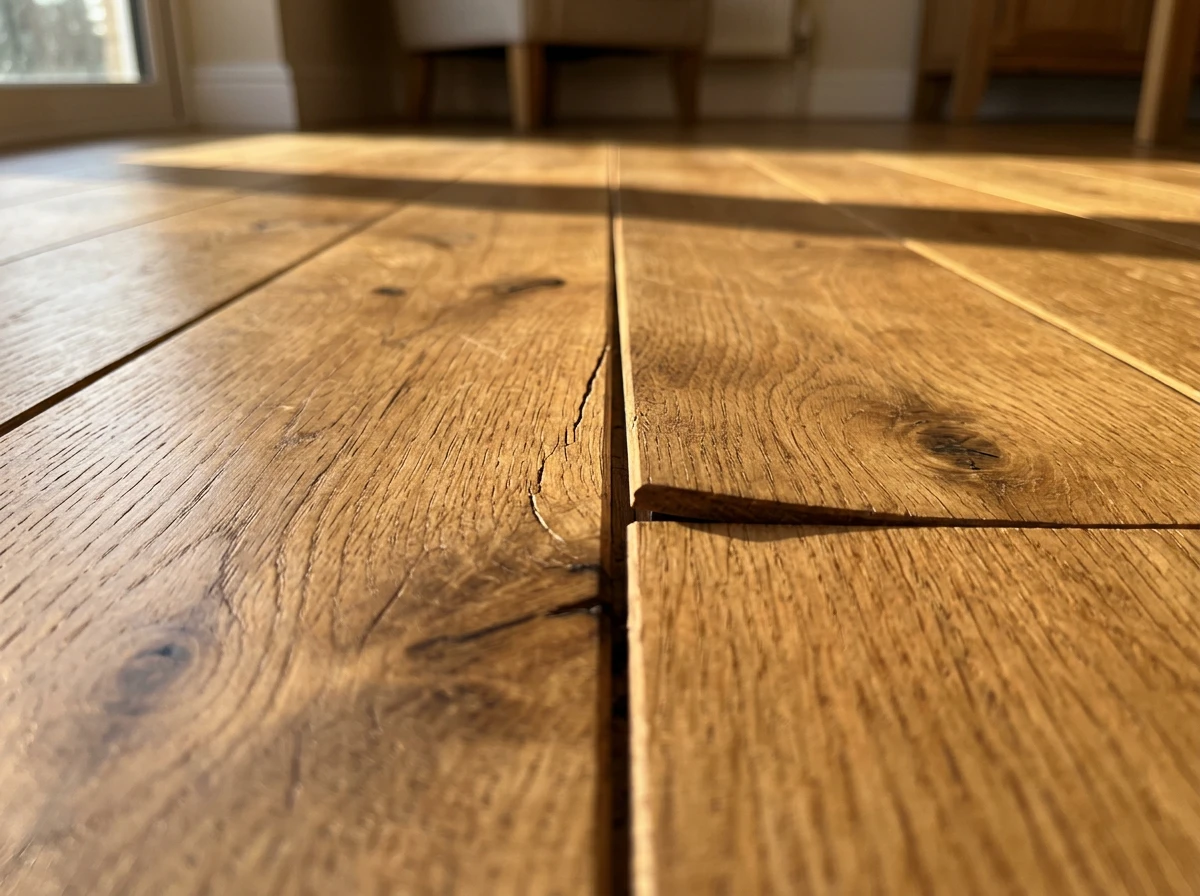
Solid timber is a thermal disaster for radiant systems
Cork blocks heat. Solid timber goes further—it self-destructs. Laying solid hardwood over electric underfloor heating is a guaranteed way to ruin your floor. There is no way around this reality.
Wood is hygroscopic. It breathes, constantly absorbing and dumping moisture to match the room. Some species handle this better than others, but none survive direct radiant heat cycles without warping. When you put a heating element right under thick solid timber, you bake the moisture out of it. Fast.
The bottom of the plank dries out from the heat while the top stays exposed to normal room air. This uneven drying forces the wood to cup and warp. Soon, you get deep, permanent gaps that look terrible and catch dirt.
At Integro Process Heating Solutions, we deal with severe thermal expansion every day. We design specialized insulated heating jackets and high-performance drum heating jackets to manage these exact thermal stresses in industrial plants. But your living room doesn't have industrial sensors to keep raw wood from cracking when the heat kicks on.
Besides, wood is a natural insulator, so the thermal performance is awful. It traps heat under the floorboards. Your heating system has to run longer and hotter just to warm the air above it. That bottleneck kills your efficiency and spikes your power bill immediately.
People still try it because they want the look of real wood. Don't do it. Raw timber cannot handle dry, localized heat. If you want wood, buy engineered timber. Engineered boards use cross-directional layers that fight natural movement, keeping the floor stable when the temperature rises.
We build precise thermal boundaries for industrial heating chamber systems, and the same physics apply at home. Solid timber fails the test. It wastes your electricity and destroys itself in just a few winters.
Is your cheap synthetic flooring secretly degrading under the heat?
Solid timber warps visibly under thermal cycling. But with cheap synthetic laminates or unrated luxury vinyl tiles (LVT), the failure isn't just structural—it's molecular. At Integro Process Heating Solutions, we analyze these thermal boundaries daily. Ignoring material thermal limits is always catastrophic, whether you're running a domestic heating setup or a complex industrial process.
Most unrated synthetics cap out at 27°C (80.6°F). Pair them with unregulated electric underfloor systems, and surface temperatures quickly spike past this limit. That's when plasticizer migration starts. The chemical plasticizers keeping the vinyl flexible migrate to the surface, leaving the core brittle, discolored, and prone to shrinkage.
The adhesives underneath fail too. Continuous radiant heat liquefies standard acrylic glues, causing lateral tile shifting, bubbling, and sticky residue that bleeds through the joints. Once that glue fails under an active system, remediation is a nightmare.
Then there is the off-gassing. Heating cheap PVC or laminate releases volatile organic compounds (VOCs) directly into the room. It is a thermodynamic control issue. Just as industrial processes rely on specialized thermal containment like insulated heating jackets or precise drum heating jackets to prevent chemical degradation, residential polymers require strict temperature boundaries to remain stable.
Sure, dense stone-plastic composites (SPC) handle these thermal cycles reasonably well due to their limestone core. But a budget synthetic? It will literally bake over a single winter. You are left with warped boards, ruined adhesive, and degraded indoor air quality.
Smart pairings that let your underfloor heating system shine

So, how do we fix this? If cheap synthetics and thick carpets act like thermal insulators, what actually works? The secret lies in understanding thermal conductivity. You want materials that act as thermal highways, not roadblocks, allowing your floor heating solutions to work at peak performance.
Choosing the right thermal conductors
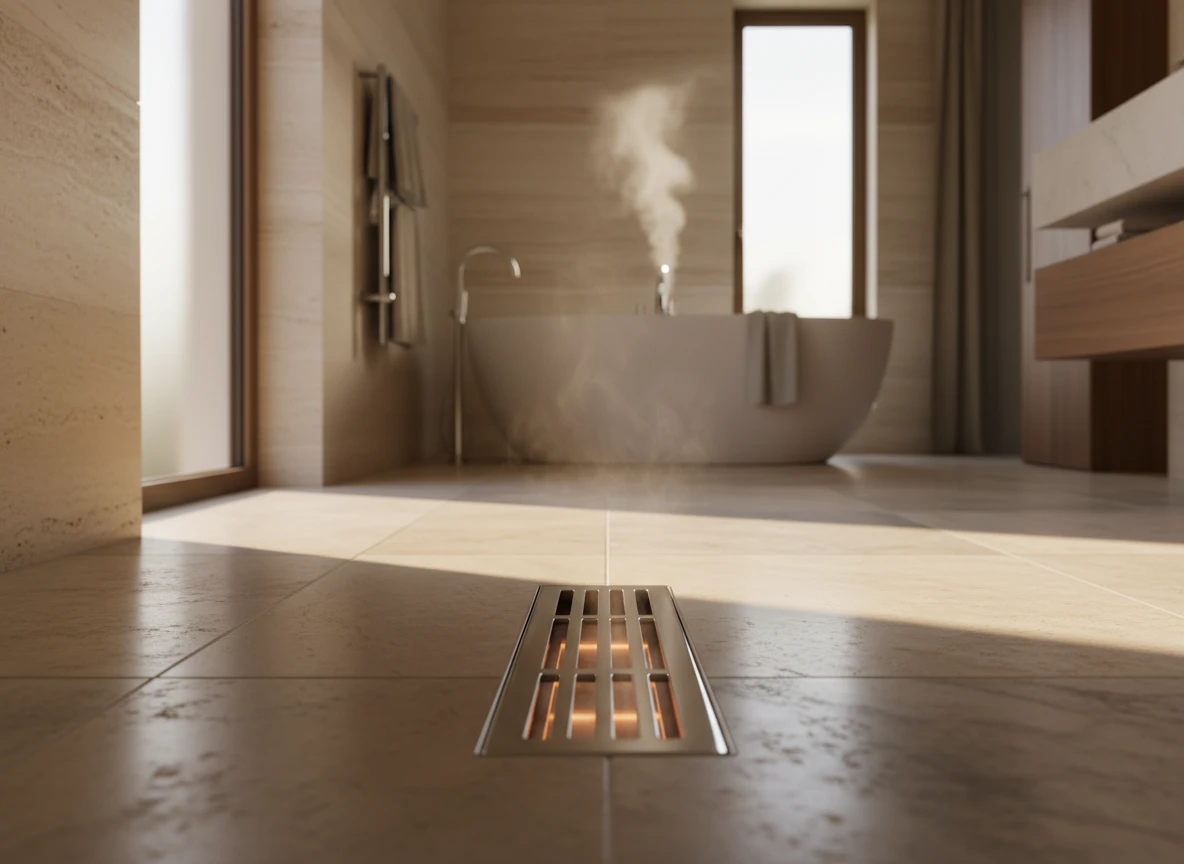
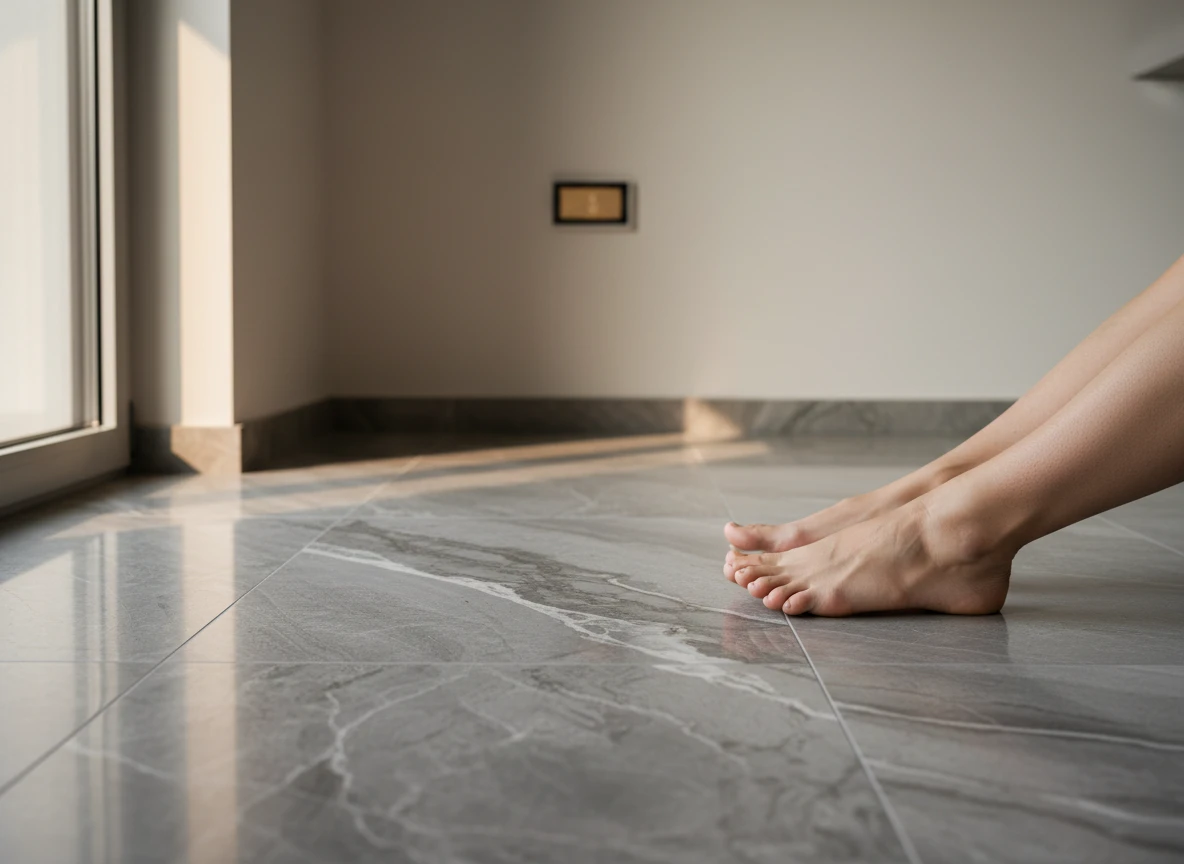
Ceramic and porcelain tiles are the absolute gold standard here. They possess high thermal conductivity, meaning they absorb heat almost instantly and radiate it evenly into your living space.
When we design domestic and commercial heating setups at Integro, we look closely at how heat moves through different mediums. It's the same principle we apply when engineering specialized industrial thermal systems or assessing an ibc heating jacket for industrial drums. The goal is always to minimize thermal resistance. For home heating, pairing stone, ceramic, or porcelain with your underfloor heating system ensures that almost 100% of the energy you pay for actually warms your feet.
What if you absolutely hate cold tile underfoot when the system is turned off? That's a fair objection, and it's why many people hesitate. If you must use wood or laminate, stick to thin, engineered timber options rated specifically for radiant heat. Just ensure the combined thermal resistance of your flooring and underlayment stays well below the industry standard of 2.5 tog. Going over that limit forces your heating cables to work twice as hard, leading to premature system failure.
Before laying down a single tile or plank, ask your supplier for the exact thermal conductivity specs. Don't guess or rely on generic marketing labels. Making the right pairing now is what transforms a frustrating energy drain into a highly efficient, comfortable heating solution. What's your current flooring strategy, and is it secretly holding your system back?
Tired of dealing with low system efficiency and trapped heat? Integro Process Heating Solutions delivers engineered heating solutions that keep your operations running smoothly.
FAQ
Can I use any carpet with an electric underfloor heating system?
Honestly, most thick carpets act like thermal blankets and trap heat underground. You'll need to check that the combined tog rating of your carpet and underlayment stays under 2.5 to avoid choking your system.
Why does solid wood warp over radiant floor heating systems?
Solid timber naturally shifts with moisture and temperature changes. Constant thermal cycling causes it to expand, contract, and eventually crack or develop massive gaps.
What happens if my floor covering exceeds the recommended tog value?
Your electric radiant floor heating has to work twice as hard to push warmth through the barrier. That means your power bills skyrocket while your rooms stay chilly.
Is cork flooring a bad choice for floor heating solutions?
Cork is fantastic for absorbing sound, but it's also a heavy insulator. It blocks upward heat transfer entirely, making it a terrible match for a floor heating mat.